Water Damage Restoration Sand Springs, OK
Water damage pros assess the source, remove standing water and dry affected materials with measured progress. The response starts with the wet rooms, safe access and the conditions inside the building.
(888) 619-9509Discuss the water before it spreadsA clear scope separates source repairs, water removal, drying and the finish work still needed afterward.
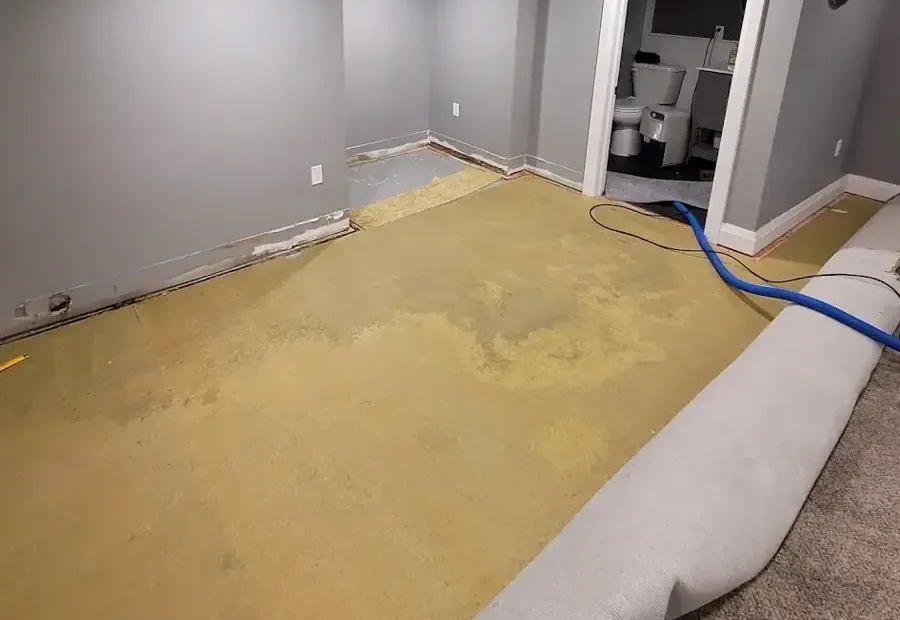
Water damage dried to the IICRC S500 standard
The technician establishes a moisture map and suitable dry references before placing equipment. Air movement and dehumidification work together, with repeated readings showing whether retained materials approach the drying goal.
Wet rooms need more than a surface cleanup
The assessment follows the water into floor layers, wall bases and concealed cavities. A repaired pipe or cleared puddle is one milestone; measured material drying establishes the next.
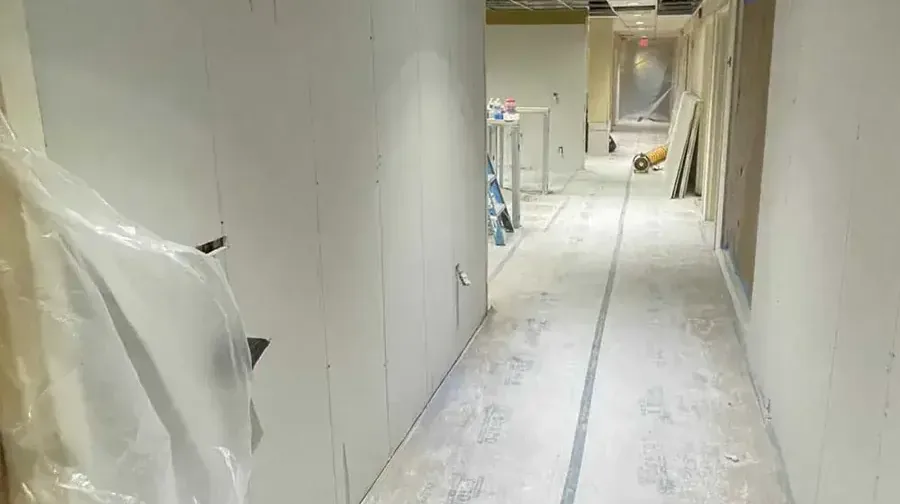
Water Damage Restoration Services in Sand Springs, OK
Each water source changes the assessment. These services address the release, contaminated contact and hidden moisture beneath the surfaces that first appear wet.
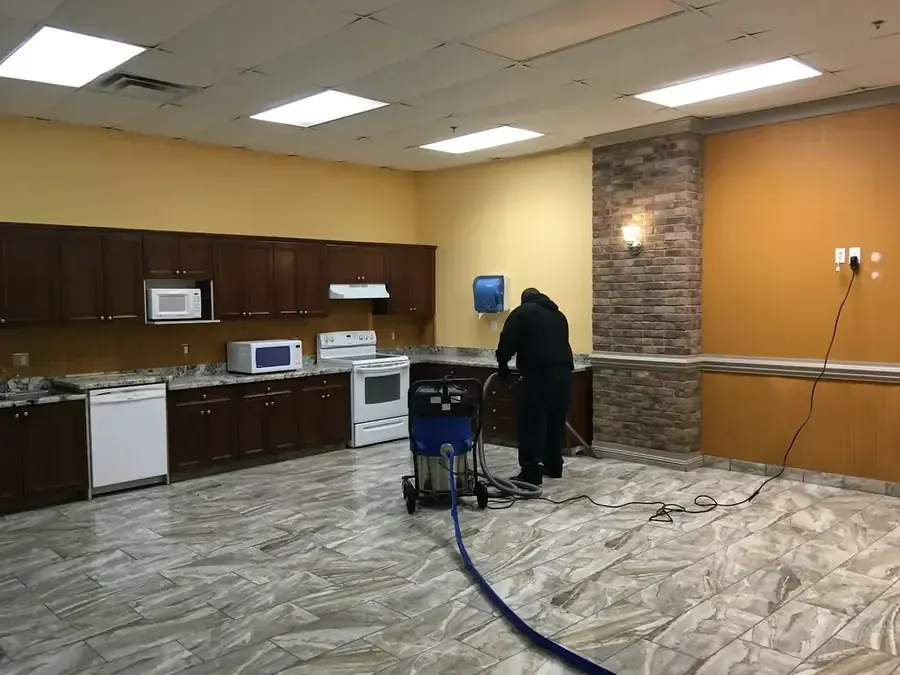
Water Extraction
Extractors remove pooled water before the drying equipment tackles moisture inside floors and walls.
Read about water extraction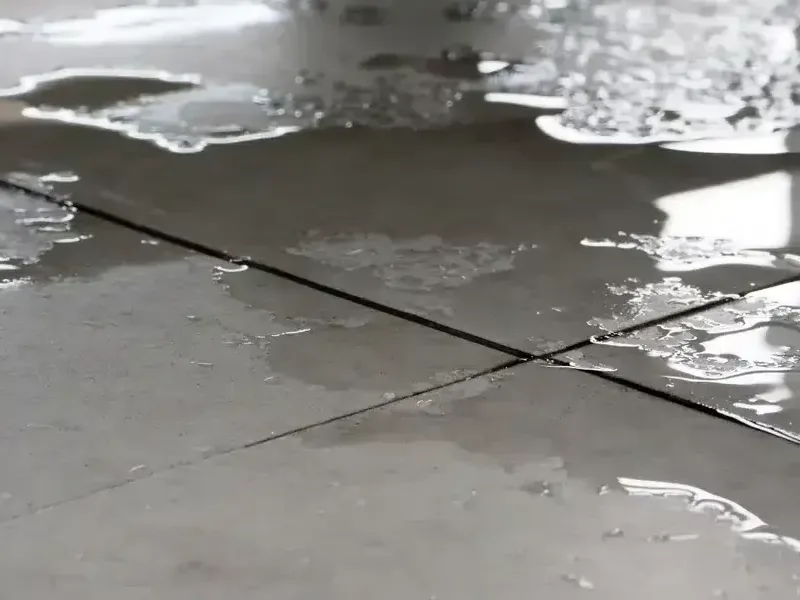
Slab Leak Water Damage
Moisture beneath flooring needs a mapped drying plan after a plumber controls the concealed supply leak.
Read about slab leak water damage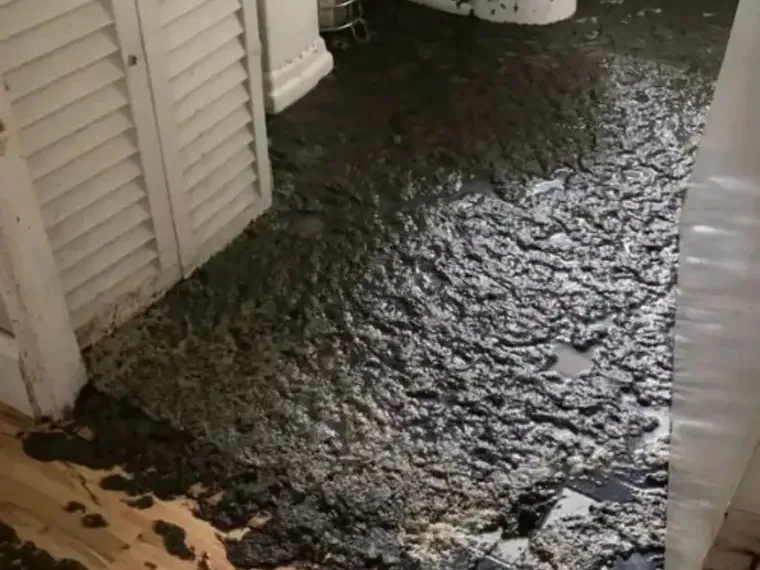
Sewage Backup Cleanup
Contaminated drain water calls for controlled removal, cleaning and disposal of affected porous materials.
Read about sewage backup cleanup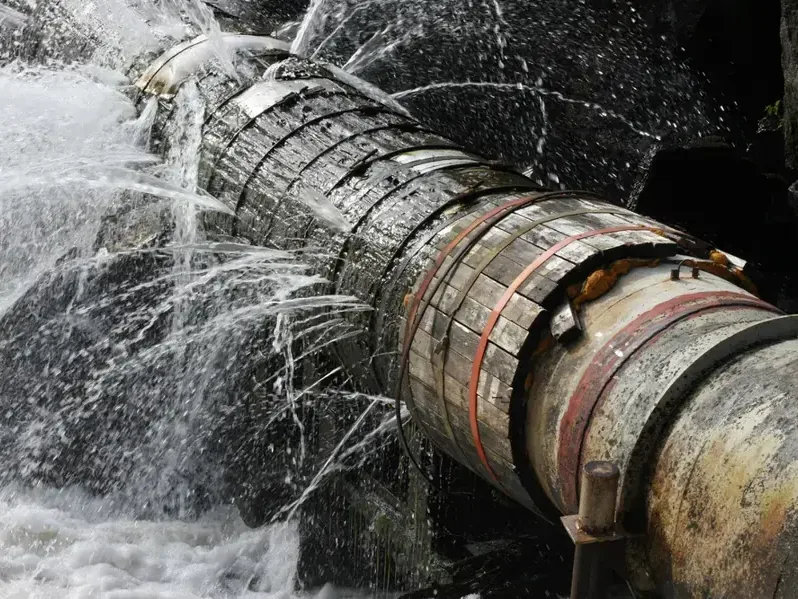
Burst Pipe Water Damage
A stopped pipe release still leaves wet cavities that need measured drying and documented access.
Read about burst pipe water damage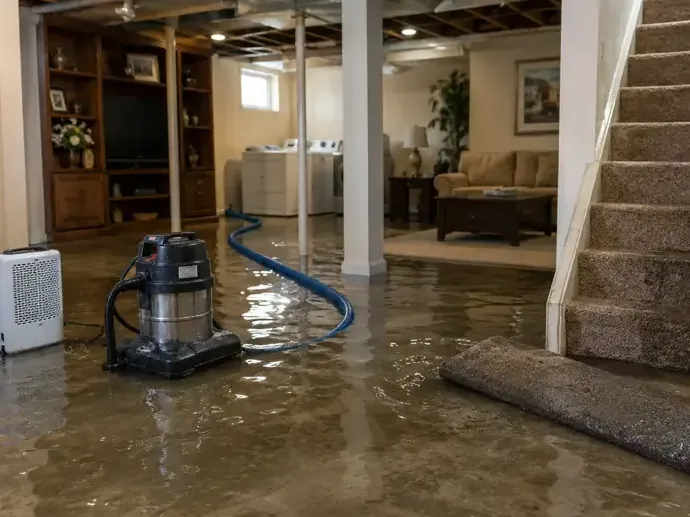
Storm Flood Cleanup
Outside water brings sediment and contamination indoors, changing both extraction and material decisions.
Read about storm flood cleanup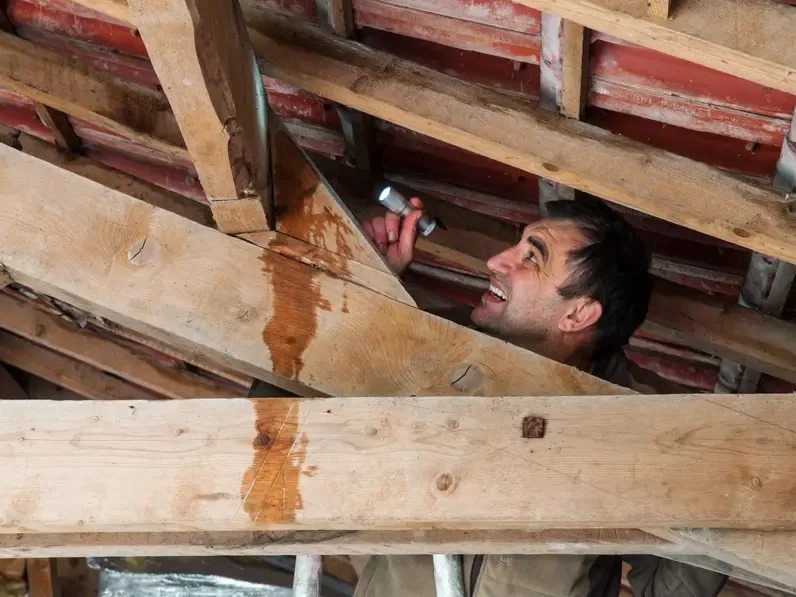
Roof Leak Water Damage
Attic insulation and ceiling layers need inspection after rain enters the roof assembly.
Read about roof leak water damage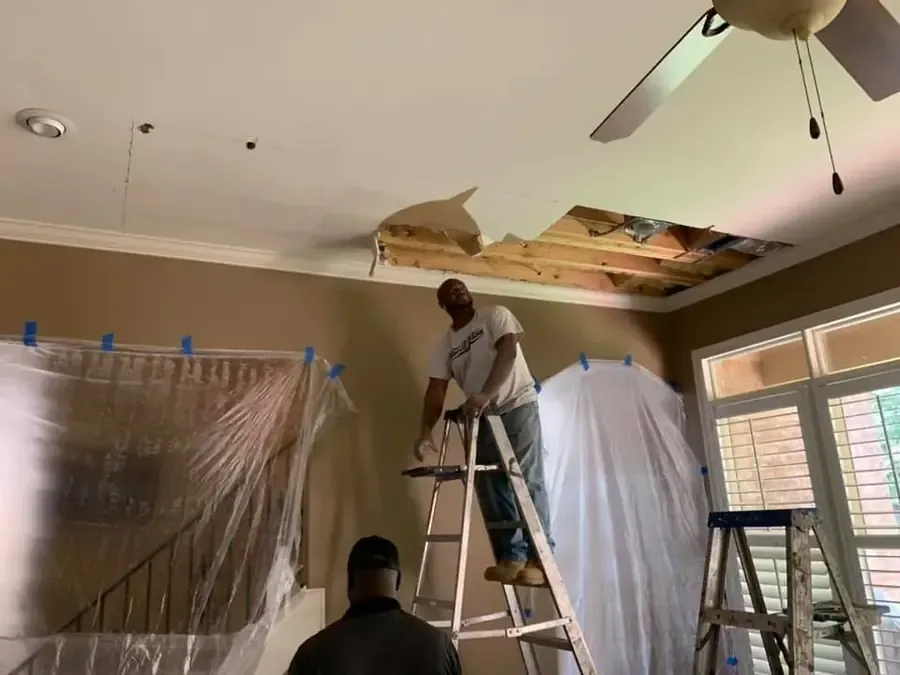
Ceiling Leak Water Damage
Overhead water requires safe access to the source before damaged ceiling materials come down.
Read about ceiling leak water damage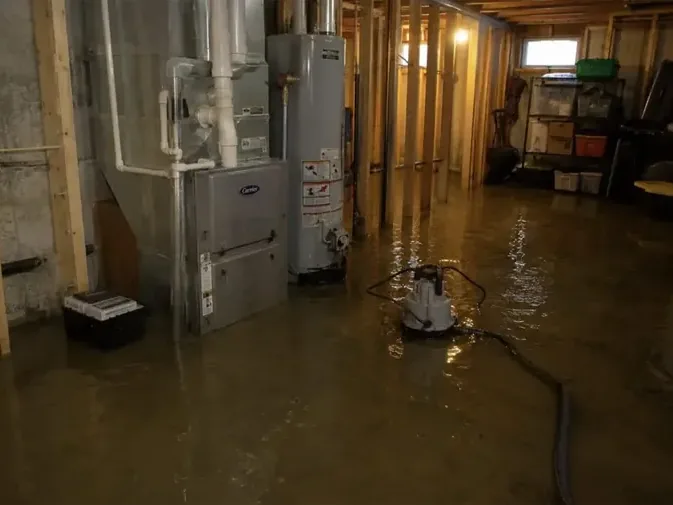
Water Heater Leak Cleanup
Tank spills can travel beneath partitions beyond the visible puddle around the heater.
Read about water heater leak cleanup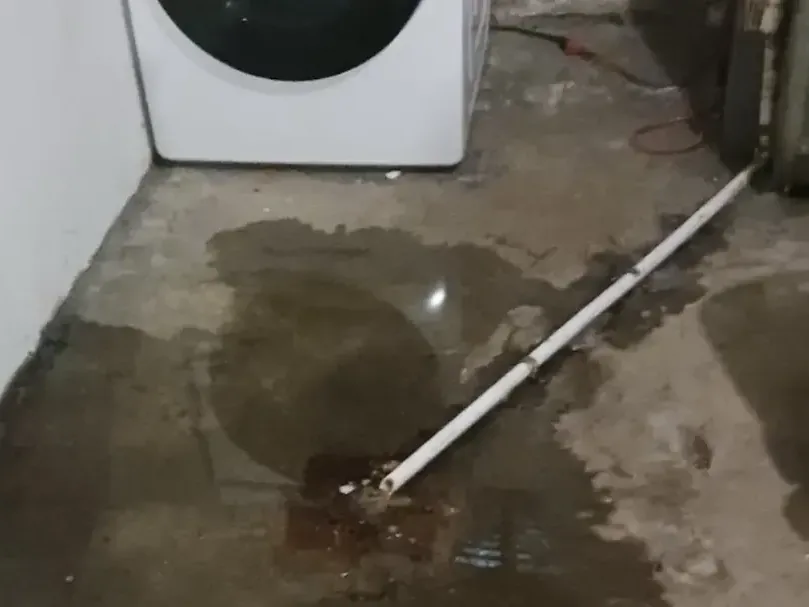
Appliance Leak Water Damage
Hidden water beneath cabinets and appliances often demands access below the finished floor.
Read about appliance leak water damage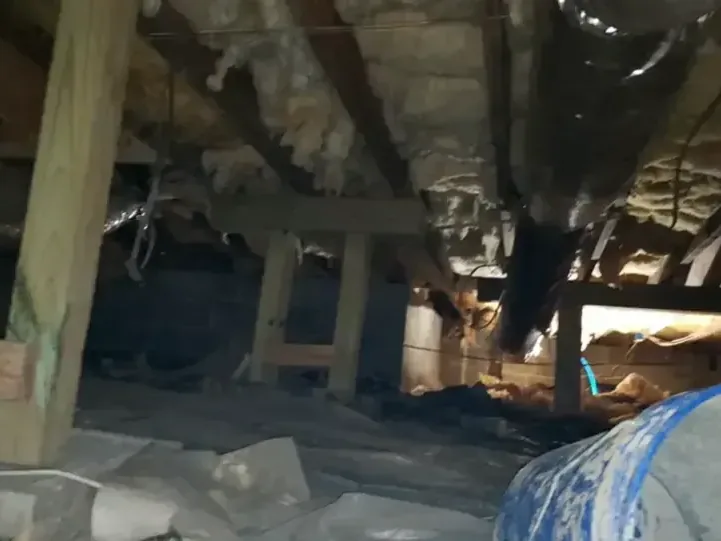
Crawl Space Water Removal
Underfloor pumping comes with checks of joists, insulation and the moisture beneath the building.
Read about crawl space water removal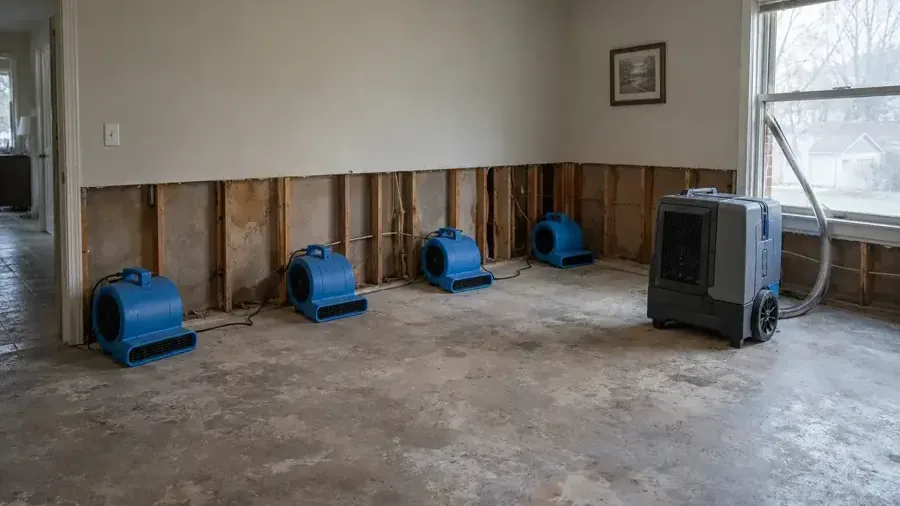
Structural Drying
Material readings direct dehumidification until the assembly reaches a defensible drying goal.
Read about structural drying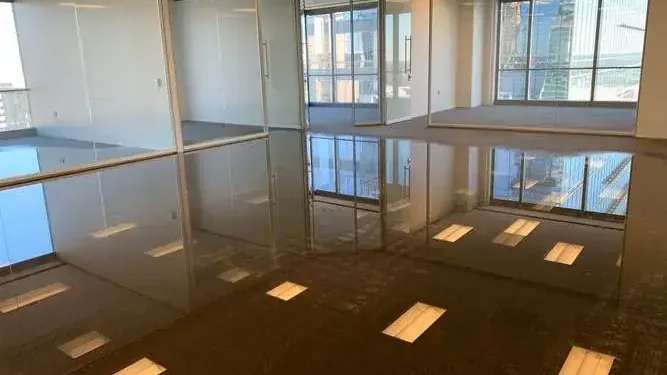
Commercial Water Damage
Occupied buildings need controlled work zones and clear moisture records alongside extraction.
Read about commercial water damage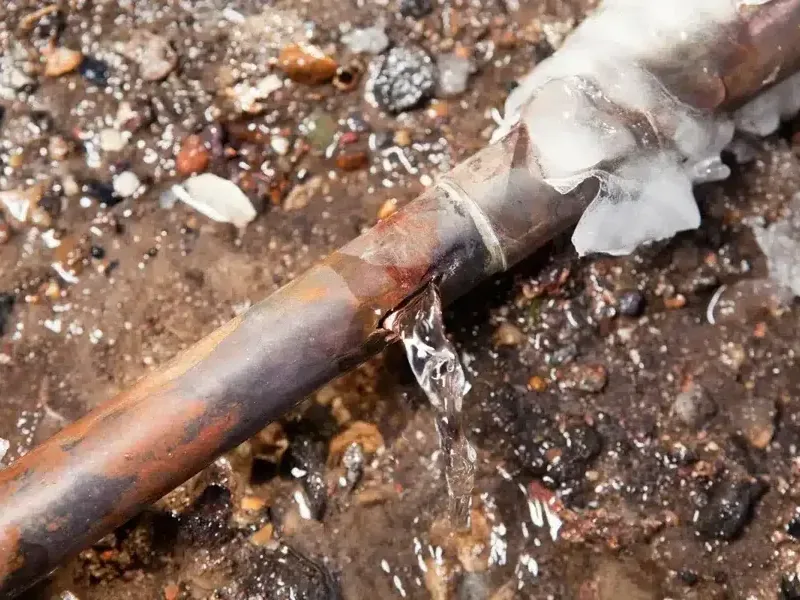
Frozen Pipe Water Damage
A thaw can expose a split supply pipe and spread water through concealed building cavities.
Read about frozen pipe water damage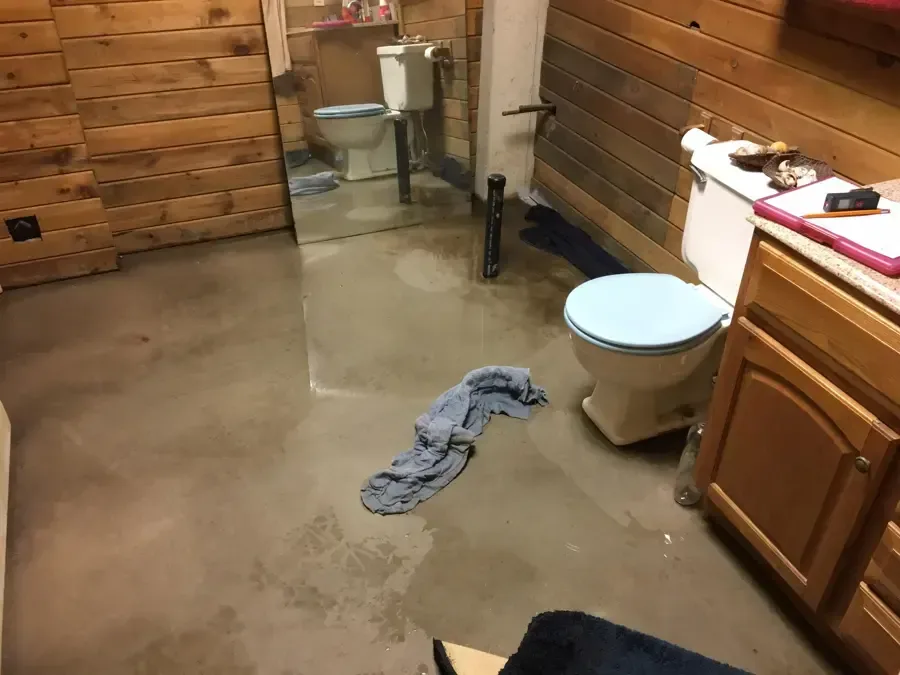
Toilet Overflow Cleanup
Waste-bearing bowl overflow needs isolation and contamination control beyond ordinary bathroom drying.
Read about toilet overflow cleanup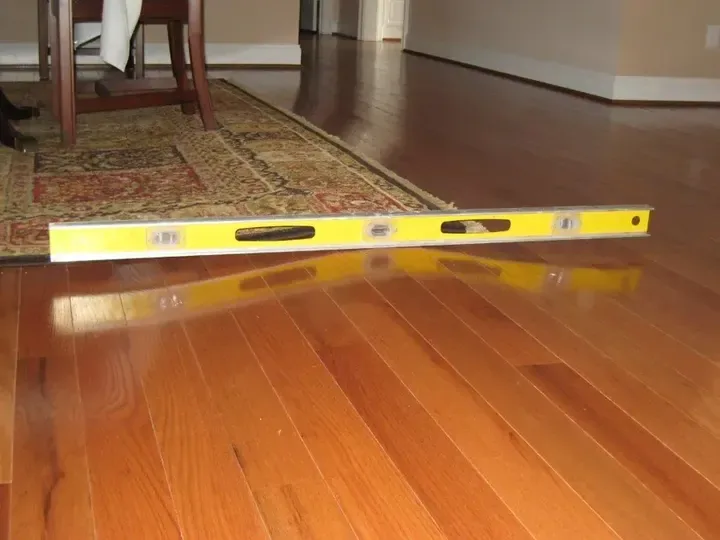
Hardwood Floor Water Damage
Board movement and subfloor readings determine whether targeted floor drying remains appropriate.
Read about hardwood floor water damageHow the response protects wet materials
Rapid local response
The response team assesses active water during 24/7 dispatch and confirms the property conditions. Safe access and the ongoing source shape the first steps.
IICRC S500 drying standard
The drying plan follows material condition, contamination and measured progress. Equipment serves the actual wet assembly rather than a preset calendar period.
Claim-ready documentation
Initial photos, moisture maps and daily logs explain material decisions and equipment use. The insurer separately reviews the policy and reported cause.
Local water experts
Prattville, RiverWest and the Box District contain individual buildings with different access and materials. The contractor checks the property rather than assuming a neighborhood-wide construction type.
The gear a measured dry-out runs on
Water extraction
Extraction equipment removes bulk water before evaporation begins.
Controlled drying
Dehumidifiers manage the moisture air movers release from materials.
Moisture readings
Moisture meters document concealed areas as well as visible surfaces.
How the dry-out works
Assess the assembly
The inspection connects the reported source with wet floors, walls, insulation and framing, identifying safe access and any contamination controls.
Remove water and damaged layers
The crew extracts free liquid and explains removal decisions where saturation, contamination or concealed access prevent a sound dry-out.
Follow the material response
Daily checks track comparable measurement points while the technician adjusts equipment or access when moisture stops falling as expected.
Document repair readiness
Final readings and removal notes support the next trade, with flooring-specific tests and unresolved source repairs identified separately.
Water damage patterns across Sand Springs
Prattville lies south of the Arkansas River, while RiverWest includes lodging and dining. The response team checks access to the wet rooms, identifies the water source and measures affected materials before choosing extraction and drying equipment.
Documentation for your insurance claim
The restoration file describes what got wet, why material came out and how drying progressed. That evidence supports the insurance review without deciding policy coverage.
- Timestamped photographs before extraction and demolition.
- A moisture map naming affected rooms and assemblies.
- Water category and material-class observations.
- Daily moisture and psychrometric drying logs.
- An itemized scope separating restoration from source repair.
Coverage follows the policy
Sudden indoor water damage, long-term leakage, sewer backup and outside flooding can receive different treatment. The property owner checks the relevant policy and any endorsements with the insurer.
The contractor identifies the particular building source alongside the wider Arkansas River flood history. Accurate source notes and retained repair findings help keep the claim account clear.
What to do while the water is still moving
- Keep clear of electricity. Occupants avoid standing water near outlets, appliances and electrical equipment. A qualified professional checks affected circuits from safe access.
- Limit a supply release safely. An accessible shutoff can reduce continuing water when operation is safe. The plumbing trade establishes the source repair.
- Stay away from sagging material. A bulging ceiling needs controlled assessment. The room beneath it remains clear until the overhead condition receives attention.
- Leave contaminated items contained. Sewage and outside-water contact change material handling. Moving wet belongings through clean rooms can spread contamination.
- Record the starting condition. Safe photographs show water paths, wet contents and visible damage before extraction and removal change the scene.
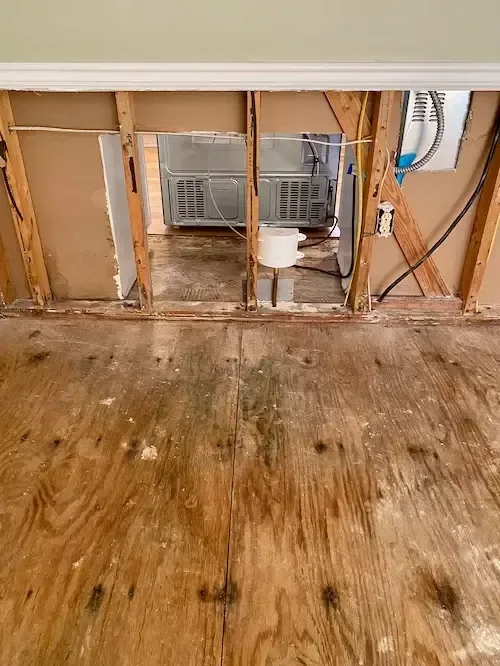
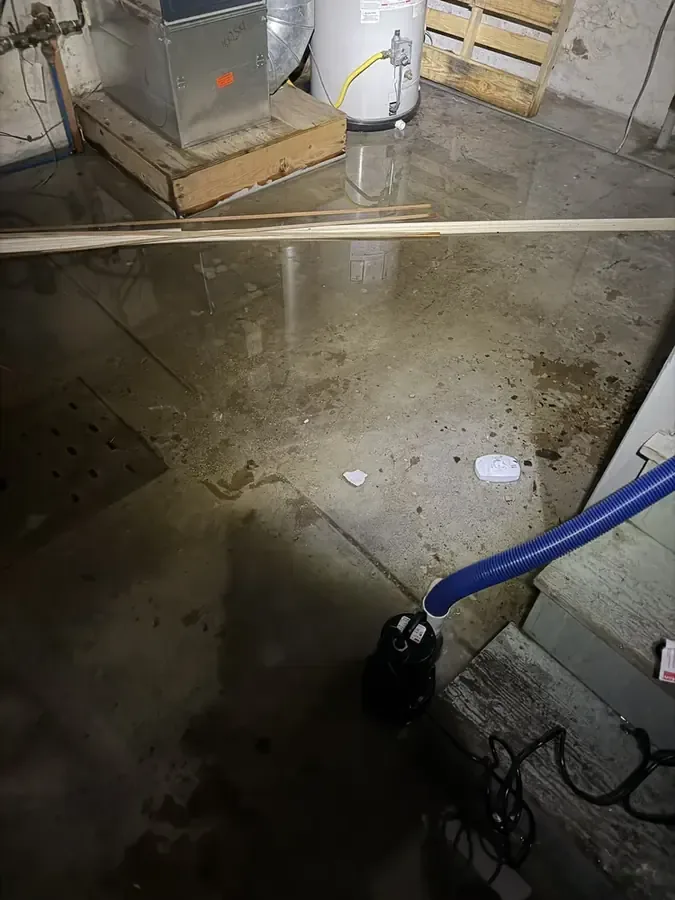
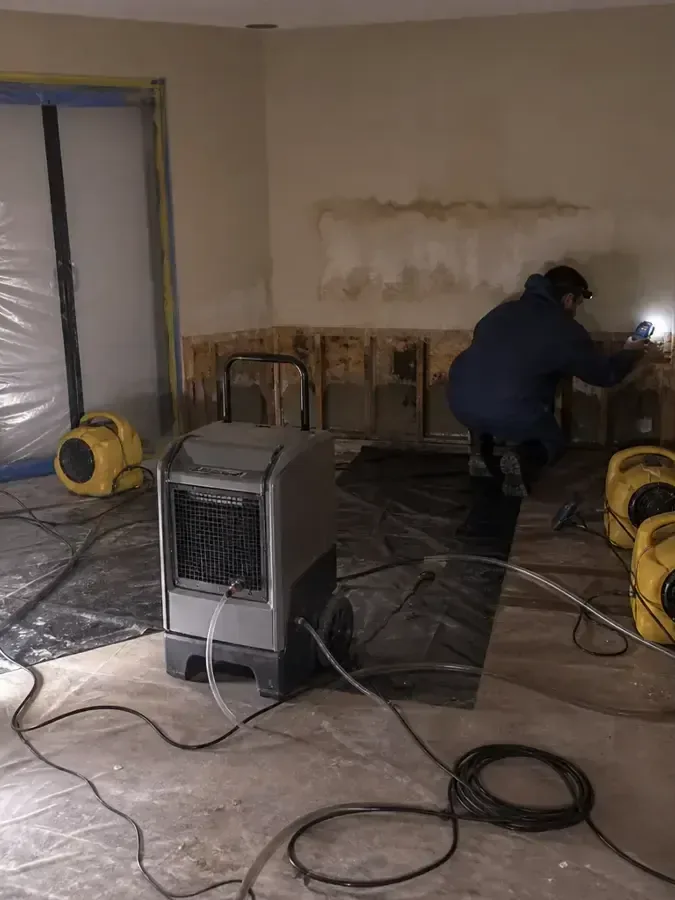
What a water damage dry-out looks like in Sand Springs
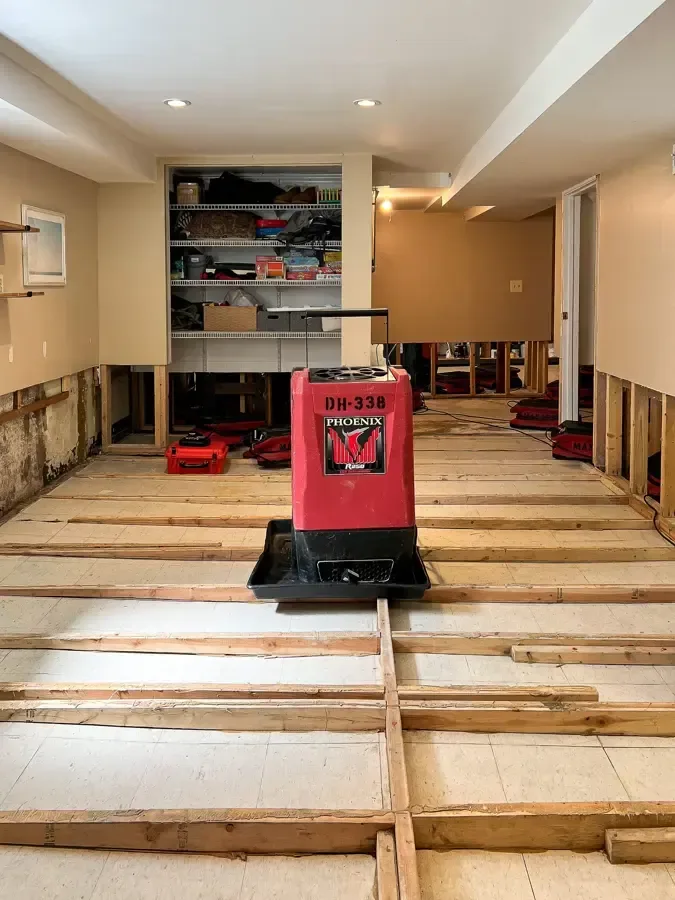
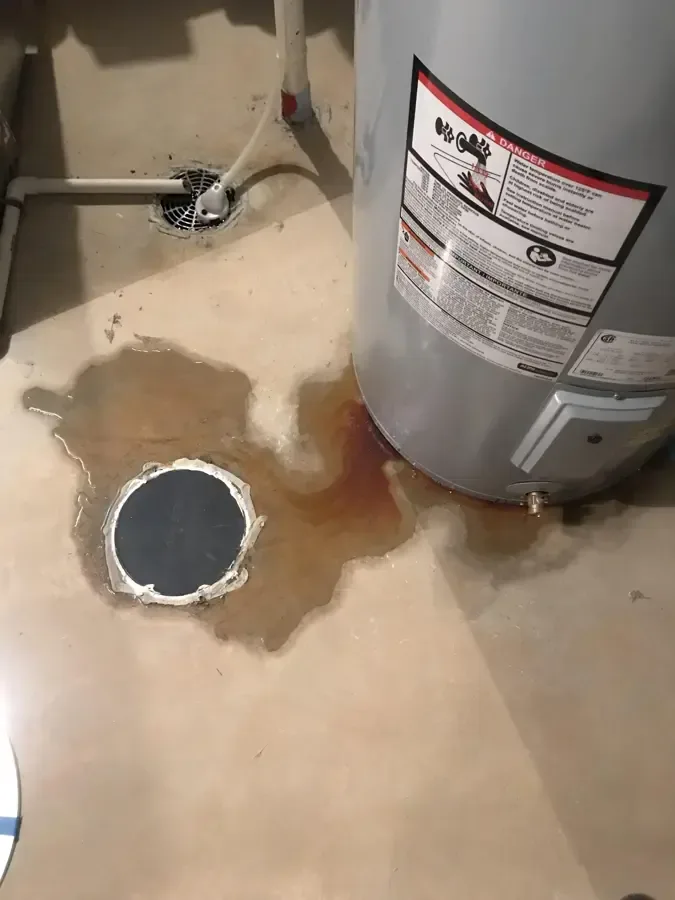
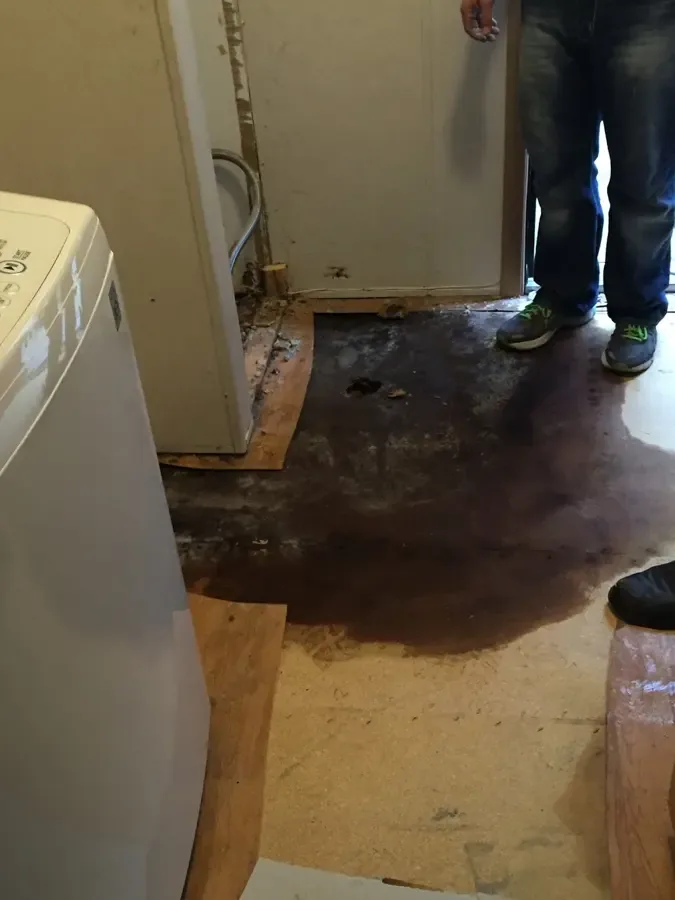
What does water damage restoration cost in Sand Springs, OK?
A contained water loss may cost roughly $500 to $3,000 to extract and dry, while contaminated or concealed damage can reach $3,000 to $10,000 or more. The actual scope depends on materials, water category, access and how long the release continued.
Limited room loss
$500 to $1,500
- Accessible extraction
- Moisture assessment
- Initial drying
Several affected layers
$1,500 to $4,000
- Selective access
- Equipment monitoring
- Material records
Contaminated or broad loss
$4,000 to $10,000
- Controlled removal
- Surface cleaning
- Extended drying scope
These are planning ranges, not a property quote. Source repair and reconstruction may be separate. The cost calculator explores area, category and access without replacing an inspection.
All water damage categories covered in Sand Springs, OK
Category 1: clean source
A fresh supply release starts differently from contaminated water. Time and contact with building materials can change the assessment, so the technician checks the actual loss.
Inspect a pipe releaseCategory 2: used water
Appliance discharge and other used water can carry contaminants. The crew evaluates the source, contents and contacted materials before choosing removal and cleaning methods.
Assess appliance moistureCategory 3: sewage or floodwater
Sewage requires contamination control from the start. Porous materials contacted by Category 3 water need appropriate removal, followed by cleaning of recoverable surfaces.
Review sewage cleanupSand Springs water sources need separate assessments
The city provides water, wastewater and stormwater services. The Arkansas River and the history of outside flooding add context, while each building still needs its own source and material assessment.
May 2019 flooding: Arkansas River flooding affected Sand Springs. Property owners can check FEMA flood maps and photograph water entry before cleanup changes the visible damage inside the building.
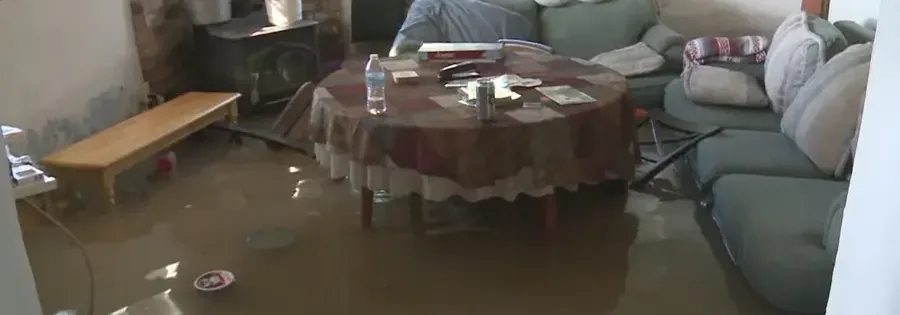
Prattville and the river
Prattville lies south of the Arkansas River. Location helps identify the property, but its actual water-entry route determines cleanup and drying.
Downtown building access
The Box District is the downtown area. Shared access, floor layers and occupancy need inspection rather than assumptions about every building there.
RiverWest uses
The city identifies lodging and dining at RiverWest. Wet premises can require controlled routes and coordination around unaffected occupied spaces.
Indoor water sources
A supply failure or appliance discharge can occur independently of outside flooding. The technician confirms source and contact history before classifying the water.
Cold-weather interruptions
Ice disrupted power at the Sand Springs water treatment plant. After a frozen pipe thaws, a plumber checks for splits and failed connections, while the restoration team maps water inside the surrounding walls and floors.
Water damage restoration questions in Sand Springs
What should happen before drying equipment arrives?
The team checks source control, electrical exposure and the water category. Extraction and necessary material removal precede drying. Occupants should avoid standing water near electricity and remain clear of unstable ceilings. Safe photos can preserve the starting condition without requiring entry into the affected area.
Does a dry floor mean the building is ready for repairs?
No. Subfloor, wall bases and insulation can remain wet beneath a dry-looking surface. The technician uses suitable material readings and dry references to evaluate the retained assembly. Flooring and reconstruction trades may also require product-specific checks before closing or covering the area.
How does sewage cleanup differ from a pipe spill?
Sewage is Category 3 water and calls for contamination control from the start. The crew removes affected porous material, cleans recoverable surfaces and follows appropriate treatment requirements before drying. A fresh supply release may offer different salvage options, depending on time and contact history.
How long does structural drying usually take?
A contained Class 1 loss may dry in about three to five days under favorable conditions. Dense concrete, concealed layers and delayed extraction can take longer. The contractor follows readings and material condition rather than promising the same completion date for every building.
What does the restoration estimate include?
A useful estimate separates extraction, material removal, cleaning, equipment and monitoring. Source repair and reconstruction may be separate tasks. The water category, wet area, material class and access determine the scope, so a calculator range cannot replace an onsite assessment.
Can the contractor decide what insurance covers?
The insurer applies the policy to the reported cause and damage. The restoration contractor documents wet materials and the work performed. Photos, moisture maps and drying logs explain the work; the insurer decides coverage for components, floodwater and repair charges.
Is every property near the river in the same flood zone?
Current flood mapping and information about the individual property guide that assessment. The owner can review the mapped flood zone and any recorded water entry at the building. Restoration decisions follow the actual source and contacted materials, whether the release came from outside or from an indoor supply or appliance connection.
Who corrects a roof, appliance or plumbing failure?
The relevant repair trade diagnoses and corrects the source. Restoration personnel handle water removal, affected material decisions and drying. The owner should confirm responsibilities and sequence in writing so a repaired source is not confused with a completed dry-out.
Why keep daily moisture records?
Consistent measurement points show whether materials respond to the equipment and whether concealed areas need more access. The record also explains equipment changes and supports the final handoff. Room comfort and surface appearance alone cannot provide that evidence.
One call reaches Sand Springs water damage pros, 24/7
The assessment begins with the location, suspected source and whether dry access remains. The response team then identifies the work needed at the affected property.
Sand Springs Water Damage Restoration provides the contact point for water removal, sewage cleanup and structural drying inquiries. The contractor confirms availability and the scope before work begins.
Sand Springs, OK · [email protected]
(888) 619-9509Describe the location and wet materialsWater spreading through a room needs a clear next step
The assessment connects safe access, source control and material readings with a practical restoration scope.