Roof Leak Water Damage in Sand Springs, OK
Rain entering above the ceiling can soak insulation before a room shows a stain. Sand Springs drying technicians inspect the attic path and affected finishes after the roof source receives attention.
(888) 619-9509Discuss rain entry and the wet attic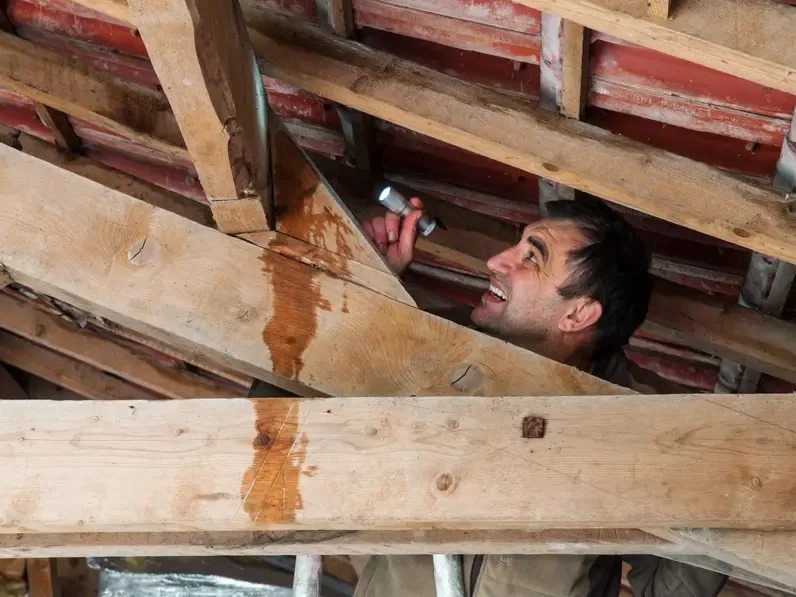
Roof-entry water often follows rafters or other surfaces before it reaches a ceiling. The stain inside the room can therefore sit away from the opening in the roof. Restoration personnel inspect the wet path and material condition while a roofer evaluates the exterior source. A property around Morrow Road, the Box District or Prattville needs its own roof and attic assessment rather than a presumed local roof type.
How roof leak water damage progresses
Connect roof and room findings
The roofer investigates the exterior source while the restoration technician maps the attic and ceiling moisture path. The two investigations compare the roof-entry detail with the indoor stain before selective opening changes the evidence.
Open affected layers
The crew removes damaged board or wet insulation where condition and access require it, documenting what the opening reveals.
Dry exposed materials
Air movement reaches wet framing and ceiling edges while dehumidification controls the indoor moisture released during evaporation.
Verify the interior handoff
Final readings and source-repair findings support insulation and finish replacement, with unresolved areas clearly identified before closure.
First steps for roof leak water damage
- 1Avoid the bulge. Occupants keep clear of sagging ceiling material and move activity to a safe room until the overhead condition receives assessment.
- 2Leave roof access to the trade. Wet roof surfaces and storm conditions require suitable professional access rather than a household ladder inspection.
- 3Protect the dry room. The team plans containment and contents movement before opening stained ceiling material above occupied space.
- 4Record rain timing. Notes about when dripping starts and stops help the roofer compare the indoor symptom with possible entry details.
Tracing rain through roof and attic layers
The inspection considers roof penetrations, flashing transitions and other possible entry details without guessing which one failed. A roofer establishes the exterior repair. Inside, the technician maps wet sheathing, framing, insulation and ceiling materials. Access and electrical conditions determine how closely the team can inspect each cavity.
- A ceiling stain marks a symptom but does not locate the roof opening by itself.
- Wet insulation can hold moisture against materials that look dry from below.
- Light fixtures and wiring in the water path require qualified electrical assessment.
- Repeat staining may reflect an unresolved entry point or a separate new leak.
The contractor documents the starting condition before removing ceiling sections. Those photographs help distinguish existing marks, active wet areas and material changes discovered during access. Moisture readings remain essential because color alone cannot show whether a stain is currently wet.
An old ceiling mark cannot show whether the attic is wet today. The team compares readings around the stain, insulation and roof-entry path before recommending access or drying equipment.
(888) 619-9509Discuss rain entry and the wet atticManaging a wet ceiling beneath the roof
Saturated ceiling board can lose strength, and a bulging section needs controlled evaluation. Occupants stay out from beneath it. The crew creates access only after considering overhead loads and electrical exposure. Wet insulation or damaged board may require removal to expose the surfaces that need drying.
- Confirm that roof-source work limits additional rain entry before closing the interior.
- Map the ceiling stain, nearby joist bays and attic materials above it.
- Remove unsalvageable wet layers through a protected interior work area.
- Dry framing and remaining surfaces with readings that follow the actual moisture path.
A storm may produce both roof leakage and outside runoff at a doorway. The team records those paths separately because the contamination and repair scope can differ. The storm flood cleanup page addresses outside water that enters after traveling over ground or other contaminated surfaces.
Safe access comes first
The restoration crew checks electrical exposure, overhead stability and the water source before entering the wet area. Occupants keep clear of sagging ceilings and contaminated floors. A qualified professional isolates affected circuits from a dry location. These checks precede extraction because standing water can conceal damage that a surface inspection misses.
Checking the assembly before repainting
Stain-blocking paint and new ceiling texture cannot resolve wet insulation or a continuing roof opening. The restoration technician confirms material readings and provides the repair trade with the remaining scope. The roofer's source findings and the interior drying record should establish two separate completed tasks before finishes hide the assembly.
The EPA flooded-home information discusses moisture and cleanup after water enters buildings. The National Weather Service provides weather information relevant to planning safe exterior work. Neither source establishes that a specific local roof failed in a particular storm without property evidence.
- Exterior findings identify the roof detail that needs correction.
- Interior photos show the wet route and material removal.
- Daily readings track attic framing and ceiling edges separately.
- The repair handoff records moisture condition before new insulation or finishes conceal it.
RiverWest and other service areas include buildings with different uses and access arrangements. The contractor plans attic entry, equipment placement and protection of occupied rooms around the actual property. No neighborhood label establishes an attic design, roofing age or history of leaks.
What does roof leak water damage cost in Sand Springs, OK?
Roof-leak interior restoration often falls between $800 and $4,500, apart from exterior roof repairs. Wet insulation, ceiling access, the number of affected bays and the material drying load determine the interior scope.
Small ceiling area
$800 to $1,500
- Moisture inspection
- Limited extraction
- Targeted drying
Attic and ceiling layers
$1,500 to $3,000
- Insulation assessment
- Controlled access
- Framing checks
Several wet bays
$3,000 to $4,500
- Broader removal
- Equipment monitoring
- Finish handoff
These planning ranges are estimate only. Water category, affected area, material class and the delay before extraction change the scope. The Sand Springs water damage cost calculator explores those variables.
Careful decisions for roof leak water damage
Rapid local response
The response team assesses active water, access and source control during 24/7 dispatch. Arrival depends on current conditions and the work required at the property.
IICRC S500 drying standard
The drying technician compares wet assemblies with suitable dry references and adjusts dehumidification to the material load. A dry surface alone does not close the job.
Claim-ready documentation
The mitigation team records initial damage, material decisions, equipment and daily readings. The property owner retains a clearer account of the loss for the insurance review.
Local water experts
The contractor checks the actual building and the reported source before choosing a method. Indoor supply releases, contaminated outside water and backed-up drains require different handling.
Roof leak water damage in Sand Springs
Coverage includes Prattville, the Box District and RiverWest, with ZIP 74063. The response team confirms access, the water source and the affected rooms before planning equipment.
Nearby service areas include Mannford, Oakhurst, Sperry, Owasso and Bixby.
Related water damage services in Sand Springs
Ceiling Leak Water Damage
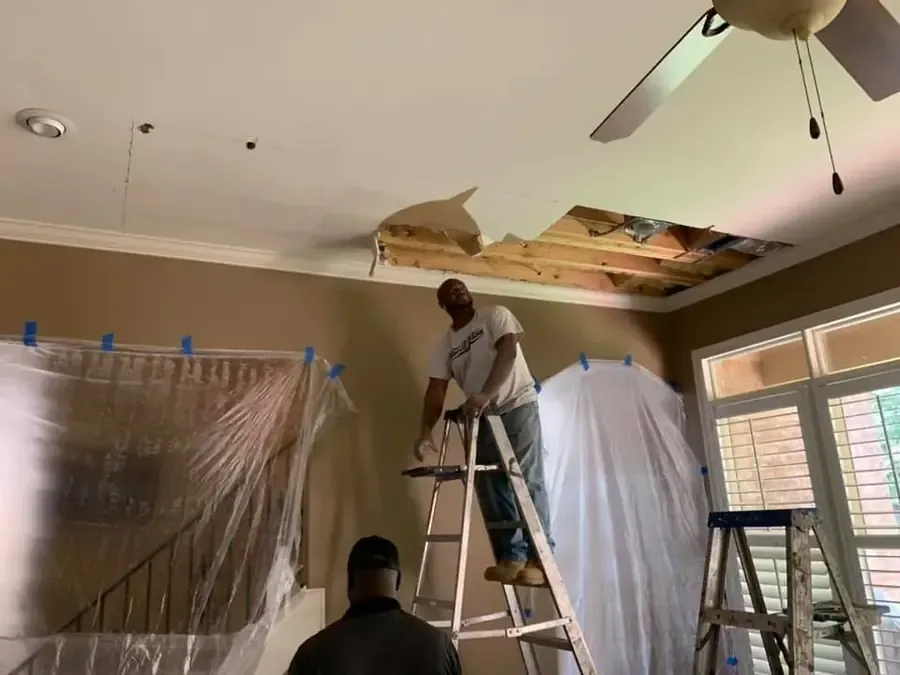
Overhead water requires safe access to the source before damaged ceiling materials come down.
Read about ceiling leak water damage ›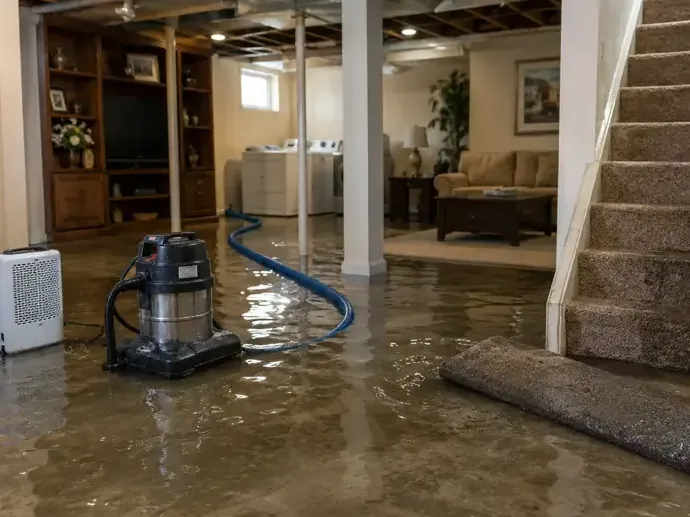
Storm Flood Cleanup
Outside water brings sediment and contamination indoors, changing both extraction and material decisions.
Read about storm flood cleanup ›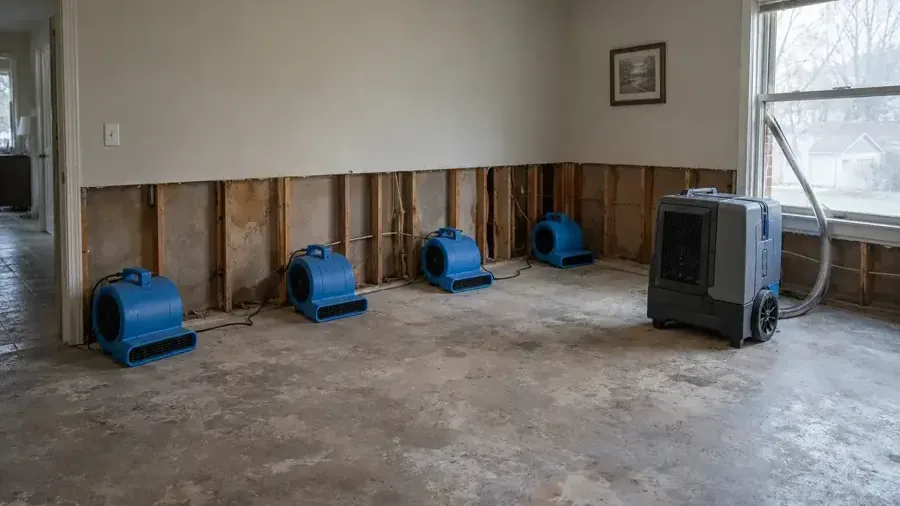
Structural Drying
Material readings direct dehumidification until the assembly reaches a defensible drying goal.
Read about structural drying ›Roof Leak Water Damage questions in Sand Springs, OK
Does the stain sit directly below the roof leak?
Not necessarily. Rain can travel along framing, sheathing or other surfaces before dripping into the room. The roofer traces the exterior entry while the restoration technician maps the interior wet path. Matching those findings prevents a ceiling patch from hiding moisture that entered somewhere else.
Can wet attic insulation stay?
The decision depends on the insulation type, saturation, contamination and whether it blocks inspection or drying. Some material loses usefulness when wet or cannot dry adequately in place. The contractor explains the removal area and checks the framing beneath it before installing new insulation over the affected assembly.
Is a ceiling stain enough to begin demolition?
A stain directs the technician to inspect present moisture and assess the surrounding material condition. The technician uses readings and inspection to distinguish an old mark from an active loss. Access decisions also account for overhead stability and electrical hazards, with the reason for removal recorded in the scope.
Who fixes the roof?
A roofing professional handles the exterior source. The restoration team addresses wet insulation, framing, ceiling layers and indoor drying. The owner should confirm both scopes and their sequence. Rebuilding the ceiling before the roof issue is controlled can expose new material to another rain entry.
Can equipment dry the attic from the room below?
An intact ceiling can restrict airflow to the wet attic assembly. The technician checks whether selective opening or other access is necessary. Equipment must serve the actual wet surface while controlling humidity. The technician checks insulation and framing above the ceiling directly and compares material readings with the drying goal before recommending closure or finish repairs.
Does every storm-related roof leak involve contaminated floodwater?
No. The water route and contacted materials determine handling. Rain entering through the roof differs from runoff crossing soil and entering a door, though both can happen during one storm. The assessor records each source and evaluates its contact history before deciding what cleaning, removal and drying the materials require.
What documentation helps separate roof repair from drying?
Useful records include the roofer's findings, initial indoor photos, attic moisture readings and the restoration scope. The estimate should identify source repair separately from material removal and drying. Insurance decisions depend on the policy and cause; the contractor's documentation explains the work without promising coverage.
When can the ceiling be painted?
The drying technician verifies the retained materials and the roofer addresses the entry point before finish work proceeds. New paint does not dry hidden layers. The repair trade also checks surface condition and any product requirements. The handoff should identify both completed drying and remaining reconstruction needs.
Trace the roof leak beyond the ceiling stain
24/7 water damage assessment checks the interior loss while the appropriate roofing trade addresses the failed exterior detail.
(888) 619-9509Arrange attic and ceiling moisture checks