Ceiling Leak Water Damage in Sand Springs, OK
A ceiling drip can begin at an upstairs fixture or a concealed supply connection. Sand Springs restoration personnel check overhead safety, trace the source and dry the affected ceiling and adjoining cavities.
(888) 619-9509Discuss the drip and overhead conditions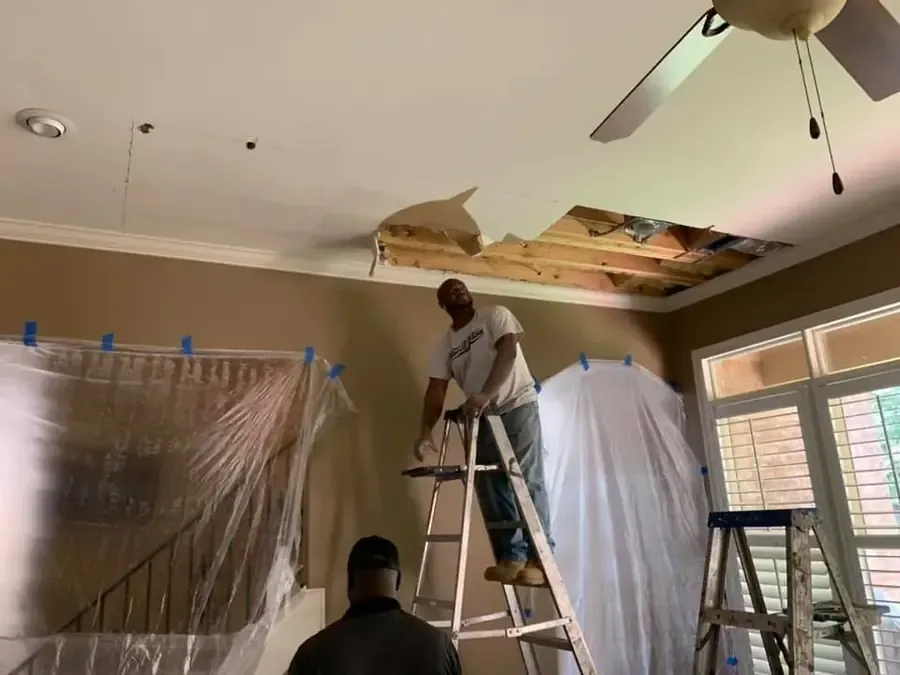
A stain beneath a bathroom does not automatically identify the failed component. Supply connections, drain assemblies and fixture seals can release water into the same ceiling bay. The restoration technician maps the wet area while the plumbing trade determines the source. Buildings in the Box District, Prattville and along Main Street require direct inspection of their actual overhead assemblies.
How ceiling leak water damage progresses
Trace source and spread
The technician maps the ceiling while the relevant trade tests the fixture, drain or supply connection that may feed it. Fixture-use observations help source testing, while electrical assessment establishes whether safe overhead access can proceed.
Open under control
The crew protects the room and removes unstable or unsalvageable layers after checking overhead and electrical hazards.
Reach concealed moisture
Drying equipment serves the exposed joist bay and remaining materials, with dehumidification controlling the room moisture load.
Verify the closure
The team documents readings and source correction before insulation, ceiling board, texture or paint conceals the inspected assembly.
First steps for ceiling leak water damage
- 1Leave the sagging area. Occupants move away from bulging board and prevent access beneath material that may lose its support.
- 2Stop the suspect fixture. The household avoids operating a fixture associated with dripping until a plumbing professional can assess it.
- 3Protect electrical access. A qualified electrician evaluates wet fixtures and circuits before anyone touches switches or equipment near the leak.
- 4Note the timing. A record of continuous dripping or fixture-related changes helps source testing without requiring unsafe investigation.
Reading the ceiling symptom without guessing the source
The pattern of dripping can help the investigation. A leak that appears during fixture use may differ from a continuous pressurized release. The team records those observations without treating them as proof. Moisture readings around the visible stain establish whether water has traveled farther along framing or above an intact finish.
- The assessor asks whether the drip changes when an upstairs fixture operates.
- The electrician evaluates any wet lighting fixture, outlet or affected circuit.
- The crew checks adjoining ceiling bays and wall intersections for concealed spread.
- The plumber tests the suspected fixture or pipe before restoration closes the assembly.
A roof-entry problem calls for a different source investigation. The roof leak service follows rain through the exterior envelope and attic. The investigator tests the suspected roof, fixture or plumbing source before connecting it with an overhead stain.
Water above the room can affect wiring, insulation and framing before the drip becomes obvious. The assessor checks the overhead assembly and identifies a safe work area before opening it.
(888) 619-9509Discuss the drip and overhead conditionsOpening wet overhead material safely
Water-loaded ceiling board can sag or separate from its supports. Occupants stay outside the area beneath a bulge rather than puncturing it themselves. The contractor considers electrical exposure, the weight of wet materials and the route for removal. Protection below the work area limits damage to dry flooring and contents.
- Establish dry access and isolate affected electrical hazards through the appropriate trade.
- Photograph the ceiling and record moisture beyond the visible mark.
- Create controlled access to wet insulation and framing when inspection or drying requires it.
- Remove compromised material without carrying dirty debris through unprotected rooms.
Contamination changes the scope. A clean supply connection and a leaking waste assembly do not call for identical material handling. The technician classifies the water from its source and contact history before deciding whether porous ceiling materials remain recoverable. The EPA flooded-home information provides broader context for these material decisions.
Safe access comes first
The restoration crew checks electrical exposure, overhead stability and the water source before entering the wet area. Occupants keep clear of sagging ceilings and contaminated floors. A qualified professional isolates affected circuits from a dry location. These checks precede extraction because standing water can conceal damage that a surface inspection misses.
Drying joist bays before the room closes
Air movers must reach the wet material rather than simply blow across the room below. Dehumidifiers remove moisture released into the drying area, while the technician checks framing and the edges of retained board. The upper surface and insulation require their own checks even after the outer paint film feels dry.
The contractor records the source findings, access area and drying results. The owner can then distinguish plumbing work from ceiling removal, drying and finish repair. EPA WaterSense offers water-use information, but a property-specific plumbing investigation remains necessary to identify the failed component.
- Source tests show whether the fixture or pipe continues to feed the loss.
- Moisture points track the ceiling perimeter and accessible framing.
- Photos document material layers discovered during opening.
- Final readings support insulation and board replacement after the source repair.
RiverWest and other mixed-use locations can require coordination with an upstairs occupant or property manager. The restoration team establishes access and work-zone boundaries before removing overhead finishes. That coordination does not change the need to verify moisture at the actual ceiling assembly.
At RiverWest properties, the contractor coordinates overhead inspection around the occupied rooms below rather than assuming the ceiling cavity is accessible.
Arkansas River inundation and an upstairs fixture leak enter a building through different routes. The ceiling inspection follows the overhead source and its contact with wiring and insulation.
What does ceiling leak water damage cost in Sand Springs, OK?
Ceiling-leak restoration often ranges from $700 to $4,000 before extensive finish reconstruction. Height, electrical access, insulation saturation and the number of wet ceiling bays determine the removal and drying work.
Small stained section
$700 to $1,400
- Moisture mapping
- Limited access
- Targeted drying
Wet ceiling cavity
$1,400 to $2,600
- Board assessment
- Insulation review
- Cavity drying
Broad overhead loss
$2,600 to $4,000
- Controlled removal
- Multiple bays
- Detailed handoff
These planning ranges are estimate only. Water category, affected area, material class and the delay before extraction change the scope. The Sand Springs water damage cost calculator explores those variables.
Careful decisions for ceiling leak water damage
Rapid local response
The response team assesses active water, access and source control during 24/7 dispatch. Arrival depends on current conditions and the work required at the property.
IICRC S500 drying standard
The drying technician compares wet assemblies with suitable dry references and adjusts dehumidification to the material load. A dry surface alone does not close the job.
Claim-ready documentation
The mitigation team records initial damage, material decisions, equipment and daily readings. The property owner retains a clearer account of the loss for the insurance review.
Local water experts
The contractor checks the actual building and the reported source before choosing a method. Indoor supply releases, contaminated outside water and backed-up drains require different handling.
Ceiling leak water damage in Sand Springs
Coverage includes Prattville, the Box District and RiverWest, with ZIP 74063. The response team confirms access, the water source and the affected rooms before planning equipment.
Nearby service areas include Mannford, Oakhurst, Sperry, Owasso and Bixby.
Related water damage services in Sand Springs
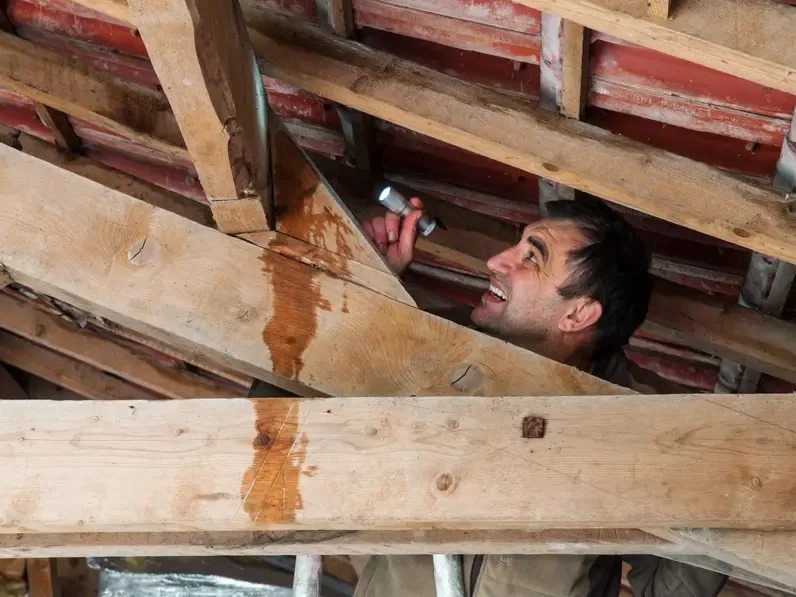
Roof Leak Water Damage
Attic insulation and ceiling layers need inspection after rain enters the roof assembly.
Read about roof leak water damage ›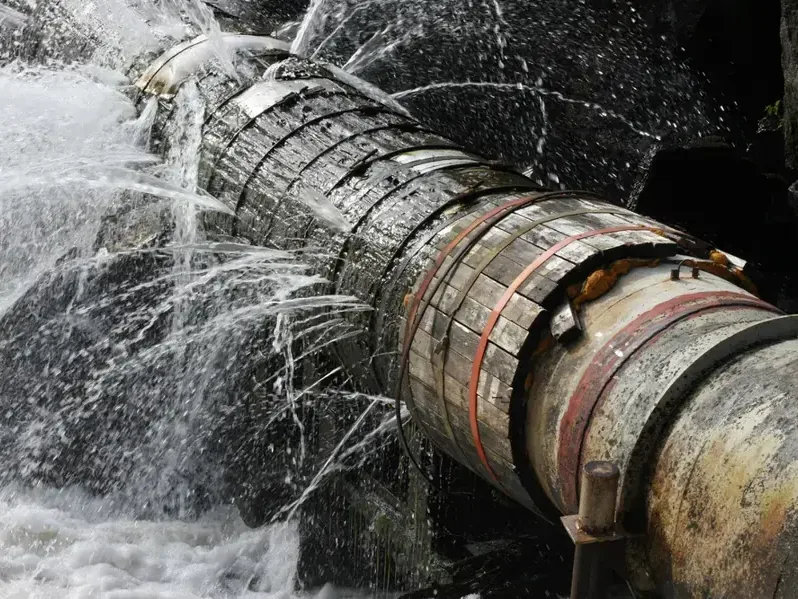
Burst Pipe Water Damage
A stopped pipe release still leaves wet cavities that need measured drying and documented access.
Read about burst pipe water damage ›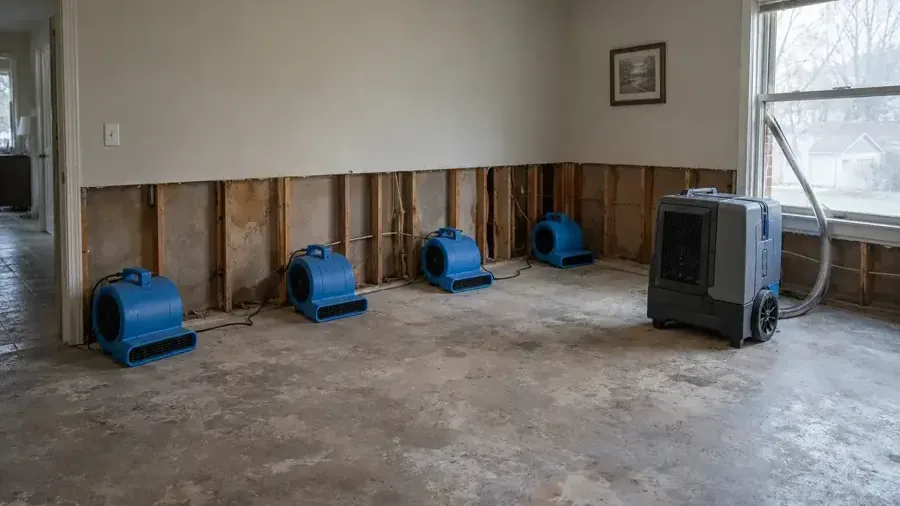
Structural Drying
Material readings direct dehumidification until the assembly reaches a defensible drying goal.
Read about structural drying ›Ceiling Leak Water Damage questions in Sand Springs, OK
Should a homeowner puncture a ceiling bulge?
No. A water-loaded ceiling can release unexpectedly, and wiring or heavy wet material may be concealed above it. Occupants should keep the area clear and request an assessment. The contractor establishes safe access, checks electrical exposure and controls any necessary opening with protection for the room below.
Does a bathroom above the stain prove a toilet leak?
No. Supply pipes, tub connections, drains and other fixtures can feed the same ceiling area. The plumber tests the suspected source while restoration personnel map the resulting moisture. Notes about when dripping occurs are useful, but they do not replace diagnosis or establish contamination by themselves.
Why inspect beyond the brown ring?
Water can travel along framing or across the upper face of ceiling board before it creates a visible mark. The stain therefore may understate the affected area. Comparative readings around the perimeter and in adjacent bays help the technician identify trapped moisture and choose justified access for drying.
Can ceiling drywall remain in place?
Some limited losses may allow retained material to dry, but saturation, sagging, contamination and restricted access can require removal. The contractor checks both material integrity and the wet assembly above it. The decision should follow the inspection rather than a blanket promise to save every ceiling or remove all of it.
How does a drain leak differ from a supply leak?
The water source and contact history affect contamination handling. Wastewater can require removal of porous material and controlled cleaning before drying, while a fresh supply release may present a different salvage opportunity. The assessor classifies the actual loss rather than deciding from the appearance of a ceiling stain.
What if another unit sits above the room?
The owner or manager coordinates access to the suspected source area and establishes responsibility for work authorization. The restoration team documents the affected ceiling separately from plumbing repair. Shared access can influence scheduling, but the moisture map and material condition still determine what drying and removal the lower room needs.
What goes into the insurance record?
The file should include source findings, initial ceiling photos, the wet-area map and records of material removal. Daily readings explain drying progress. The insurer reviews the cause and resulting damage under the policy. Photographs, moisture logs and itemized invoices document the ceiling cleanup, source repair and finish work separately.
When can the ceiling be rebuilt?
The source needs correction and the retained assembly needs verified drying before closure. The repair trade checks the condition for new insulation and board. Final readings and removal notes help prevent unresolved moisture from disappearing behind a cosmetic repair, even when the visible drip has already stopped.
Inspect the ceiling before a cosmetic patch
24/7 assessment starts with the source and the ceiling condition, then establishes safe access, material removal and a drying plan.
(888) 619-9509Arrange checks above the stained ceiling