Hardwood Floor Water Damage in Sand Springs, OK
Water beneath hardwood can change board shape while the subfloor remains wet. Sand Springs drying specialists compare surface and concealed readings before choosing targeted drying or justified material removal.
(888) 619-9509Discuss the boards and wet subfloor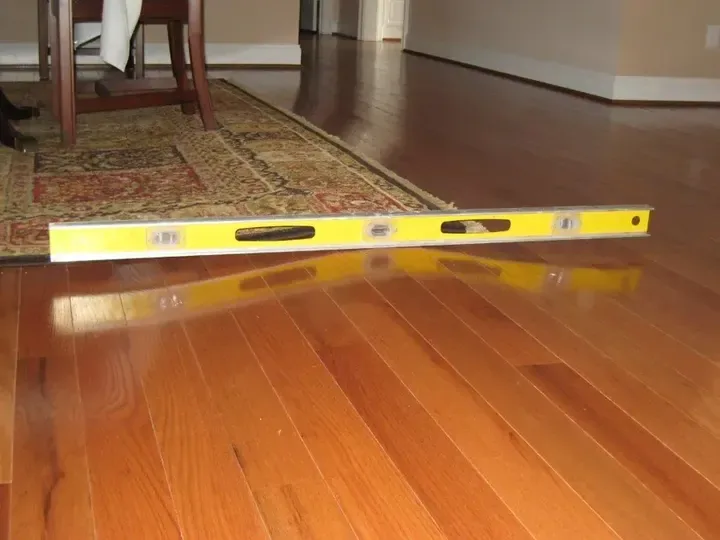
Hardwood responds to moisture differently across its thickness and from board to board. A cupped surface signals a moisture imbalance that calls for separate subfloor readings and an assessment of finish recovery. The technician checks the actual assembly in a Prattville home, RiverWest property or Box District building before recommending a method.
How hardwood floor water damage progresses
Identify the assembly
The technician checks board construction, finish, substrate and source category, then maps affected and comparative dry locations. The starting photographs preserve cupping and finish changes before targeted drying alters the appearance of the board surface.
Select a recovery method
Targeted extraction or drying follows material condition and access, while unsalvageable or contaminated layers receive removal decisions.
Track both floor layers
Readings follow the boards and accessible subfloor so surface improvement does not hide moisture underneath the finish.
Hand off to flooring repair
The contractor documents drying results while the flooring specialist evaluates refinishing, replacement and any product-specific acceptance tests.
First steps for hardwood floor water damage
- 1Remove active water safely. Source control and extraction limit continued absorption before the technician evaluates the board and subfloor condition.
- 2Avoid immediate sanding. The flooring trade should assess moisture stability before removing material from a cupped surface.
- 3Document board changes. Safe photos of edges, gaps and finish lifting preserve the starting condition for the restoration and flooring discussions.
- 4Keep access coordinated. Occupants discuss rugs, furniture and equipment routes with the contractor so hidden wet areas remain available for inspection.
Reading board movement and the layers underneath
The inspection considers solid or engineered construction, finish condition, fastening or adhesive and the subfloor. Water can enter through board joints and collect at the underside while the top begins to dry. The assessor compares wet and unaffected locations using a suitable meter and records where each reading came from.
- Cupping, gaps and lifted edges provide observations that require moisture confirmation.
- Engineered layers can separate or swell differently from solid wood boards.
- Adhesive and underlayment can restrict evaporation from the concealed floor surface.
- Contamination and material integrity may rule out an attempted dry-in-place approach.
A supply leak, appliance discharge and outside flood do not offer the same salvage conditions. The contractor identifies source and contact history before selecting a floor-drying system. A promise to save every hardwood floor would ignore those differences. The owner should receive an explanation tied to the actual assembly.
Cupped boards reveal movement, not the complete moisture condition. The assessment checks the finish, board edges and the subfloor before any sanding, replacement or targeted drying decision.
(888) 619-9509Discuss the boards and wet subfloorChoosing targeted drying or selective removal
Where the materials and water category support it, targeted extraction or drying mats can address moisture below the surface. The system requires suitable contact and monitored performance. Dehumidification manages the released moisture in the room, while the technician checks whether the subfloor and boards respond together.
- Stop the source and remove standing liquid without damaging otherwise sound boards.
- Map moisture at board edges, transitions and accessible subfloor points.
- Select a targeted method only when contamination and assembly condition support it.
- Reassess when readings stall or the floor shows separation that drying cannot correct.
Selective board removal may provide inspection or access where a finish blocks drying. The contractor documents the reason and extent before expanding the opening. The slab-leak service covers moisture entering from beneath a concrete floor assembly, which can require separate substrate evaluation.
Safe access comes first
The restoration crew checks electrical exposure, overhead stability and the water source before entering the wet area. Occupants keep clear of sagging ceilings and contaminated floors. A qualified professional isolates affected circuits from a dry location. These checks precede extraction because standing water can conceal damage that a surface inspection misses.
Delaying finish work until moisture stabilizes
Sanding a cupped floor while moisture remains uneven can create a different surface problem after it dries. The flooring trade evaluates the condition and timing of refinishing. Restoration records support that decision but do not replace the installer's product and substrate requirements. A visually flatter board is not the only completion test.
The EPA flooded-home information explains why wet building materials need timely assessment. EPA WaterSense supplies general leak and water-use information. The property-specific moisture record connects the source repair with the floor's response and the repair work still required.
- Initial photos record board shape, finish changes and the visible water path.
- Meter records identify material, location and comparison readings.
- Equipment notes explain targeted systems and dehumidification adjustments.
- The final handoff separates structural drying from sanding, adhesive or replacement decisions.
Main Street and other local service locations contain individual buildings with different flooring histories. Renovations can change the assembly without changing the outside appearance. The assessor checks the installed material rather than assigning a wood type, age or fastening system to an entire neighborhood.
A floor near Morrow Road needs the same direct identification of board construction before a refinishing decision, without assigning a material from its location.
What does hardwood floor water damage cost in Sand Springs, OK?
Hardwood-floor water restoration often ranges from $1,200 to $5,500 before extensive refinishing or replacement. Floor area, assembly type, subfloor access, contamination and the drying method shape the actual scope.
Limited clean-water area
$1,200 to $2,200
- Board readings
- Targeted extraction
- Dry reference checks
Several wet floor layers
$2,200 to $3,800
- Subfloor assessment
- Controlled drying
- Progress records
Complex floor recovery
$3,800 to $5,500
- Selective access
- Method adjustments
- Flooring handoff
These planning ranges are estimate only. Water category, affected area, material class and the delay before extraction change the scope. The Sand Springs water damage cost calculator explores those variables.
Careful decisions for hardwood floor water damage
Rapid local response
The response team assesses active water, access and source control during 24/7 dispatch. Arrival depends on current conditions and the work required at the property.
IICRC S500 drying standard
The drying technician compares wet assemblies with suitable dry references and adjusts dehumidification to the material load. A dry surface alone does not close the job.
Claim-ready documentation
The mitigation team records initial damage, material decisions, equipment and daily readings. The property owner retains a clearer account of the loss for the insurance review.
Local water experts
The contractor checks the actual building and the reported source before choosing a method. Indoor supply releases, contaminated outside water and backed-up drains require different handling.
Hardwood floor water damage in Sand Springs
Coverage includes Prattville, the Box District and RiverWest, with ZIP 74063. The response team confirms access, the water source and the affected rooms before planning equipment.
Nearby service areas include Mannford, Oakhurst, Sperry, Owasso and Bixby.
Related water damage services in Sand Springs
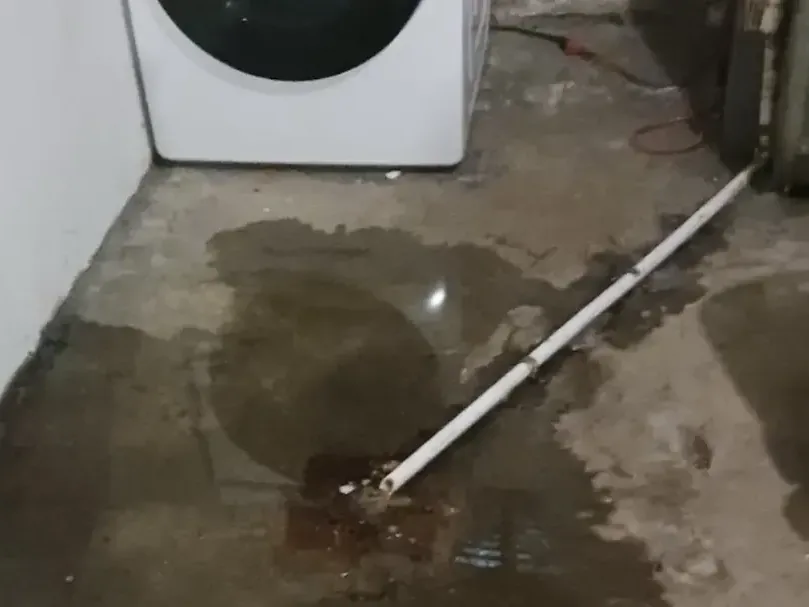
Appliance Leak Water Damage
Hidden water beneath cabinets and appliances often demands access below the finished floor.
Read about appliance leak water damage ›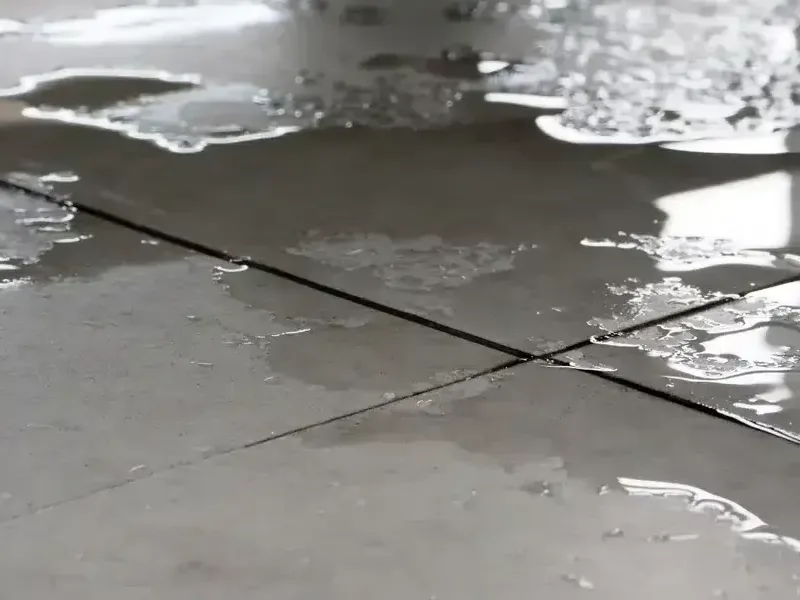
Slab Leak Water Damage
Moisture beneath flooring needs a mapped drying plan after a plumber controls the concealed supply leak.
Read about slab leak water damage ›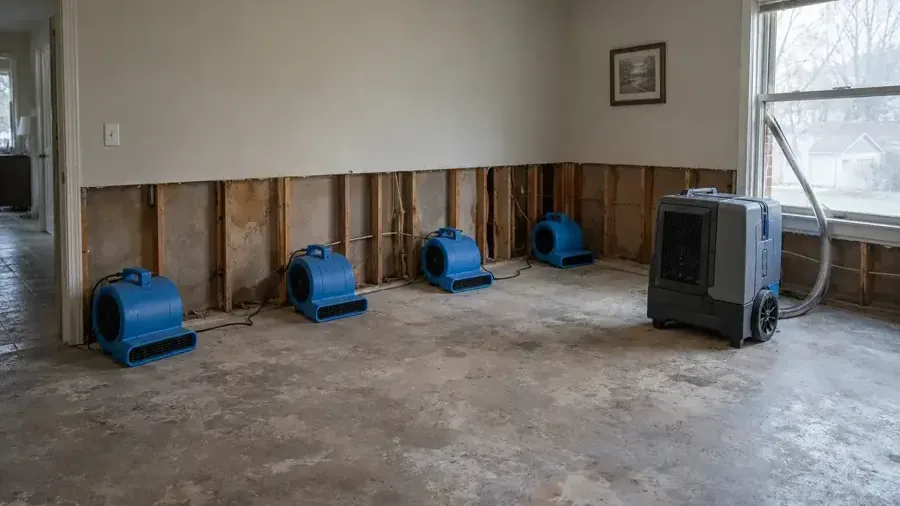
Structural Drying
Material readings direct dehumidification until the assembly reaches a defensible drying goal.
Read about structural drying ›Hardwood Floor Water Damage questions in Sand Springs, OK
Does cupping mean the floor must be replaced?
Not automatically. Cupping reflects an uneven moisture condition, but recovery depends on material construction, contamination and damage to the boards or adhesive. The technician checks the assembly and tracks response. The flooring trade then evaluates repair options after moisture conditions support a reliable decision.
Can the owner sand the high edges immediately?
Early sanding can remove material while the board is still distorted by moisture. Its shape may change as drying continues. The flooring professional should evaluate stability and repair timing, using the restoration readings as context. A smooth surface created too soon does not resolve a wet subfloor or uneven board moisture.
Do drying mats work on every wood floor?
No. The assembly, finish, contamination and access determine whether targeted drying is appropriate. A suitable system can help some losses, but separated engineered layers or contaminated material may require removal. The technician monitors actual response and changes the plan if readings do not improve.
Why measure the subfloor separately?
The top of the hardwood can dry while moisture remains underneath it. A wet subfloor can continue affecting the boards and later replacement materials. Comparative readings at accessible locations help establish whether both layers are progressing, instead of treating a dry-looking finish as proof that the entire floor is ready.
How does an appliance leak change the decision?
A clean supply connection differs from used appliance discharge containing detergent or other residues. The assessor identifies the source and contacted materials before attempting floor recovery. Water may also spread beneath cabinets, requiring access beyond the open room. The plan should connect contamination, moisture and the actual floor construction.
What determines the restoration cost?
Affected area, flooring construction, concealed access, water category and the drying method all matter. Targeted systems and selective removal can require different labor and monitoring. The estimate should distinguish extraction and drying from sanding, replacement boards, adhesive work and other finish repairs performed afterward.
Will the insurer pay to replace matching flooring elsewhere?
That decision depends on the policy and the insurer's review of the loss and repair requirements. The restoration contractor documents affected materials and moisture conditions. The owner should retain photographs, flooring specifications and the written drying assessment. Those records help the insurer evaluate matching and replacement requirements alongside the policy terms.
When is the floor ready for refinishing or replacement?
The drying record should show the retained assembly's condition, and the flooring trade checks moisture stability and product requirements. The two assessments work together. Final restoration readings do not automatically authorize every finish system, particularly where concrete, adhesive or engineered products require their own acceptance tests.
Measure the floor before choosing a repair
24/7 assessment identifies the water source and floor assembly, then sets a drying approach that can be checked with material readings.
(888) 619-9509Arrange a hardwood moisture assessment