Appliance Leak Water Damage in Sand Springs, OK
A dishwasher or washer leak can travel beneath cabinets and floor coverings. Sand Springs restoration technicians trace that hidden spread, remove trapped water and assess which finishes can remain.
(888) 619-9509Discuss water beneath the appliance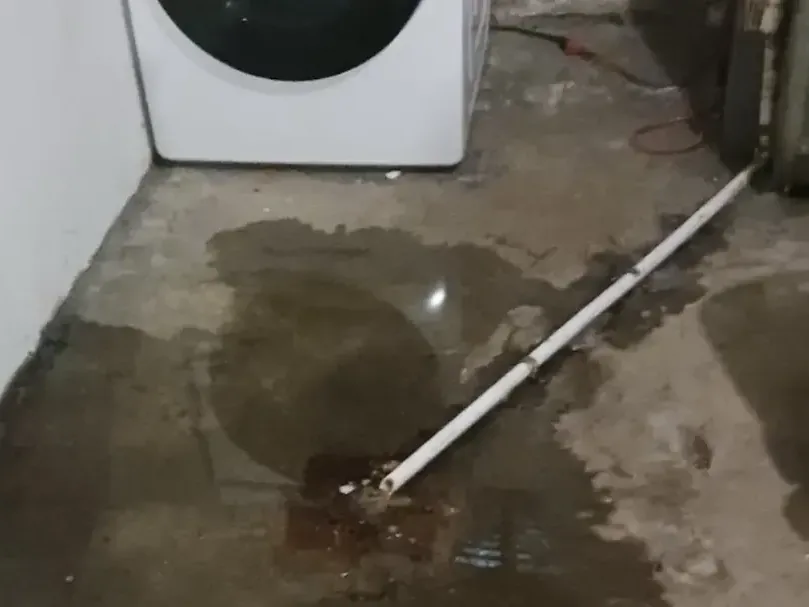
An appliance leak often begins in a space that routine cleaning cannot reach. A dishwasher base, washer connection or refrigerator supply can feed water under a finish long before it appears at the room edge. The technician maps those hidden routes and coordinates safe appliance access. A kitchen in Prattville, a laundry room near Main Street and a RiverWest workspace each need a plan based on their actual layout.
How appliance leak water damage progresses
Identify source and layers
The assessor combines appliance findings with readings beneath cabinets, around the machine and across adjacent floor transitions. The source findings distinguish fresh supply water from used discharge before the crew decides how to handle materials.
Extract with access
The team reaches trapped liquid through justified openings, documenting cabinet and flooring condition before any removal.
Dry the recoverable material
Targeted airflow and dehumidification address wet bases, subfloor and partitions while the technician follows comparable measurement points.
Verify repair readiness
The source trade confirms operation, and the restoration contractor records final moisture and any components or finishes still needing replacement.
First steps for appliance leak water damage
- 1Stop appliance use. The household leaves the suspect machine off until the relevant repair professional investigates the source.
- 2Avoid wet power connections. Occupants keep clear of damp cords, outlets and concealed electrical components around the appliance.
- 3Leave heavy movement planned. The crew coordinates safe disconnection and a protected route before pulling a machine across wet flooring.
- 4Record the operating pattern. Notes about leaks during filling, draining or idle periods help diagnosis without requiring another test cycle by the household.
Following water beneath cabinets and machines
The appliance repair or plumbing professional identifies the source. Restoration personnel then check the floor below the machine, cabinet toe kicks, neighboring partitions and thresholds. Moving a heavy appliance without safe preparation can damage connections or finishes. The work plan establishes who disconnects it and how the crew protects the route.
- A supply-hose leak may release water continuously while the appliance is idle.
- A discharge or wash-cycle leak may appear only during operation.
- Cabinet bases can conceal moisture behind an intact decorative front.
- Water beneath resilient flooring can remain after the open room has been wiped dry.
Those patterns help diagnosis but do not replace it. The assessor checks whether the source is clean supply water, used wash water or another discharge. Detergent, food residue and contact history affect cleaning and salvage decisions. The same visible puddle can therefore call for different treatment depending on its source.
The appliance face can look dry while water sits beneath its base or the next cabinet. The moisture assessment checks concealed edges before the household returns the appliance to normal use.
(888) 619-9509Discuss water beneath the applianceChoosing cabinet and flooring access
Cabinet materials respond differently to saturation. Some wood components may remain suitable for drying, while swollen composite material or separated layers may require replacement. The contractor records the condition before removal and explains the reason for each access opening. Removing a toe kick can expose a wet base without automatically requiring the entire cabinet bank to come out.
- Control the source and arrange safe appliance disconnection when movement is necessary.
- Map moisture at the machine base, cabinet edges and connected floor layers.
- Extract trapped liquid and remove material that cannot support a sound restoration.
- Dry recoverable assemblies with access that reaches their wet surfaces.
The hardwood-floor service addresses board movement and subfloor drying when the leak reaches timber flooring. The contractor should not promise that every floor can remain. Water category, adhesive condition and the moisture beneath the visible layer determine whether targeted drying is appropriate.
Safe access comes first
The restoration crew checks electrical exposure, overhead stability and the water source before entering the wet area. Occupants keep clear of sagging ceilings and contaminated floors. A qualified professional isolates affected circuits from a dry location. These checks precede extraction because standing water can conceal damage that a surface inspection misses.
Testing the repair and tracking the dry-out
The appliance trade verifies the source correction before normal use resumes. Restoration readings then show whether retained floor and cabinet materials improve under the drying setup. A lower room humidity reading alone does not show what happens inside an enclosed base. The technician revisits consistent measurement points and adjusts access or equipment when progress stalls.
EPA WaterSense provides household water-use information, while the EPA flooded-home material explains broader cleanup considerations. Neither substitutes for testing the particular hose, valve or appliance that released the water. The written record should connect source findings with the affected assembly.
- Appliance findings establish whether the failure involved supply or used water.
- Initial photos preserve swelling, lifted finishes and the first visible water path.
- Material readings distinguish cabinet drying from room-air improvement.
- Final notes identify replacement parts and finishes separately from completed drying.
The Box District provides a downtown reference for scheduling access; appliance disconnection and cabinet inspection still follow the particular premises.
An Arkansas River flood is a separate source from a failed appliance connection. The claim file and contamination assessment should preserve that distinction when describing water inside the kitchen.
What does appliance leak water damage cost in Sand Springs, OK?
Appliance-leak restoration usually ranges from $500 to $4,000 before appliance repairs and substantial cabinet or floor replacement. Concealed access, water category and spread under finishes are the main scope drivers.
Open laundry spill
$500 to $1,200
- Accessible extraction
- Floor checks
- Limited drying
Cabinet-edge intrusion
$1,200 to $2,500
- Toe-kick access
- Base assessment
- Targeted equipment
Hidden floor spread
$2,500 to $4,000
- Floor-layer access
- Multiple wet surfaces
- Documented handoff
These planning ranges are estimate only. Water category, affected area, material class and the delay before extraction change the scope. The Sand Springs water damage cost calculator explores those variables.
Careful decisions for appliance leak water damage
Rapid local response
The response team assesses active water, access and source control during 24/7 dispatch. Arrival depends on current conditions and the work required at the property.
IICRC S500 drying standard
The drying technician compares wet assemblies with suitable dry references and adjusts dehumidification to the material load. A dry surface alone does not close the job.
Claim-ready documentation
The mitigation team records initial damage, material decisions, equipment and daily readings. The property owner retains a clearer account of the loss for the insurance review.
Local water experts
The contractor checks the actual building and the reported source before choosing a method. Indoor supply releases, contaminated outside water and backed-up drains require different handling.
Appliance leak water damage in Sand Springs
Coverage includes Prattville, the Box District and RiverWest, with ZIP 74063. The response team confirms access, the water source and the affected rooms before planning equipment.
Nearby service areas include Mannford, Oakhurst, Sperry, Owasso and Bixby.
Related water damage services in Sand Springs
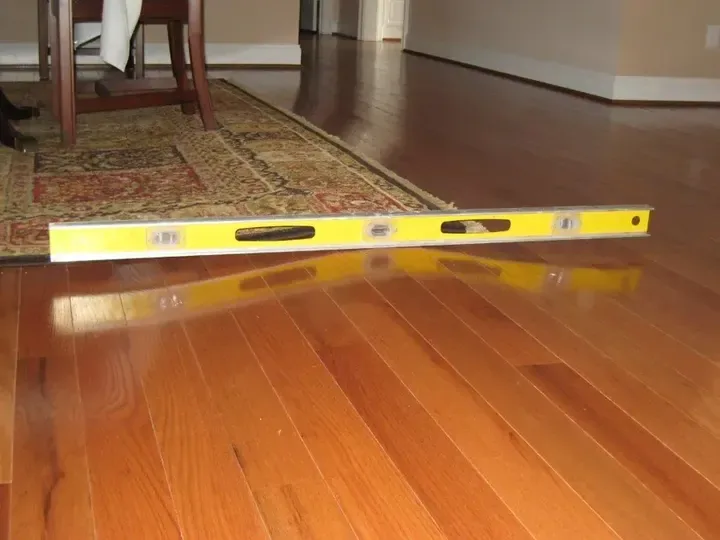
Hardwood Floor Water Damage
Board movement and subfloor readings determine whether targeted floor drying remains appropriate.
Read about hardwood floor water damage ›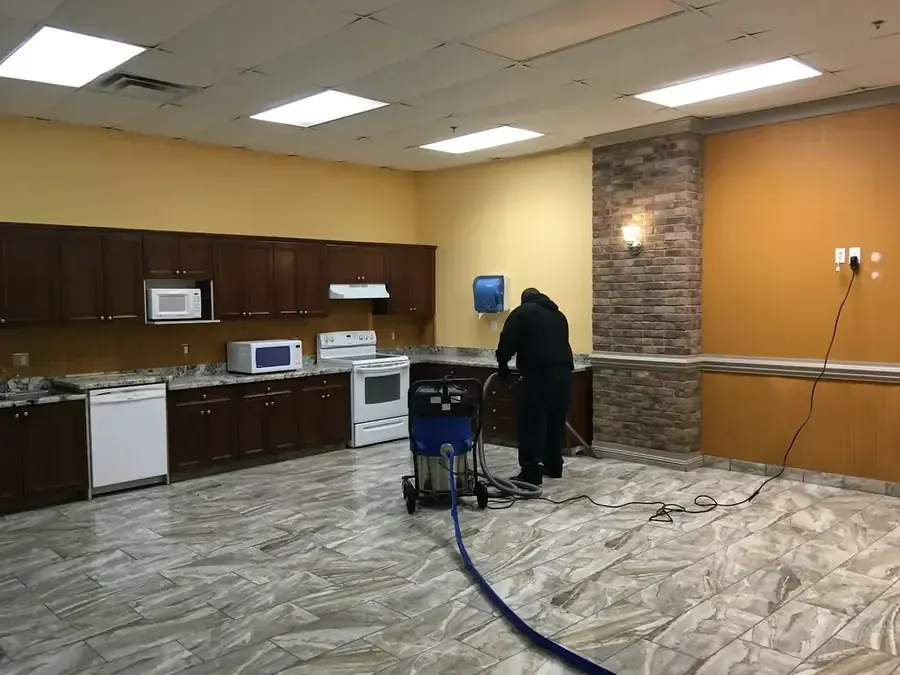
Water Extraction
Extractors remove pooled water before the drying equipment tackles moisture inside floors and walls.
Read about water extraction ›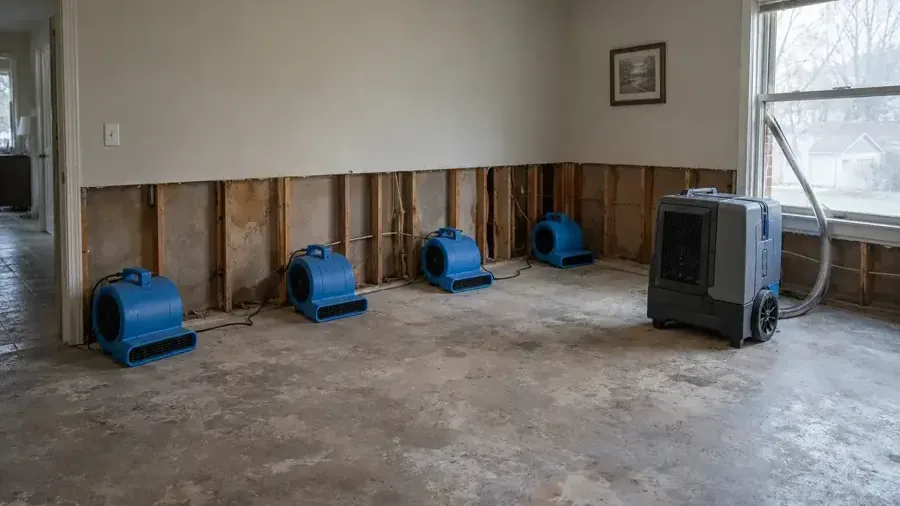
Structural Drying
Material readings direct dehumidification until the assembly reaches a defensible drying goal.
Read about structural drying ›Appliance Leak Water Damage questions in Sand Springs, OK
Can a dishwasher leak spread beyond the kitchen?
Yes. Water can pass beneath continuous flooring or through a partition into the next room. The technician checks transitions and wall bases beyond the appliance location. Readings beneath tile or plank surfaces reveal concealed moisture that a visual inspection of the puddle can miss.
Does a washer hose leak need different handling from wash water?
The original source and contacted materials matter. Fresh supply water from a hose can differ from used discharge containing detergent or soil. The assessor evaluates that history and any delay before cleanup. Material salvage and cleaning decisions follow the actual exposure rather than the appliance name alone.
Must every wet cabinet be replaced?
No blanket decision fits every cabinet. The contractor considers material type, swelling, separation, contamination and access for drying. Some assemblies remain recoverable, while deteriorated composite material may not. Photographs and moisture readings should support the recommendation, with the scope distinguishing selective access from full cabinet replacement.
Should the owner pull the appliance out immediately?
Heavy machines may have connected water, drain and electrical components that require careful handling. Unplanned movement can damage connections or spread water over dry finishes. The repair and restoration trades coordinate safe disconnection and access, especially when outlets or floor surfaces are wet. Occupants should first stop normal appliance use.
Why is the toe-kick area important?
The decorative cabinet front can hide a damp base or subfloor. Water may remain there after the kitchen surface dries. Selective toe-kick access can help inspection and air movement, but the contractor should explain the opening and assess the underlying material before deciding whether larger removal is necessary.
Can drying mats save a hardwood floor?
A suitable clean-water assembly may respond to targeted drying, but contamination, board condition, finish and subfloor moisture affect the decision. The technician checks those factors before applying a system. The method cannot promise recovery of every floor, and readings must show whether the assembly is responding.
What determines the price?
Access beneath appliances and cabinetry, wet floor area, water category and the amount of damaged material drive cost. Appliance repair and finish replacement may be separate. A detailed scope helps distinguish time spent opening concealed spaces from extraction, drying equipment and later reconstruction charges.
What confirms the machine can return to use?
The appliance or plumbing professional verifies the source correction and safe connections. Restoration personnel separately document the condition of the surrounding materials. Both steps matter: a repaired dishwasher can sit over a still-wet subfloor, while a dry room can suffer another loss if a faulty discharge connection remains.
Inspect the floor beyond the leaking machine
24/7 assessment follows the appliance discharge into cabinets, partitions and floor layers while the repair trade corrects the failed connection or component.
(888) 619-9509Arrange appliance-area moisture mapping