Water Damage Restoration in Oakhurst
A puddle beside a doorway can hide moisture beneath flooring. Oakhurst water damage restoration starts by finding the source, tracing the spread and protecting rooms that remain dry.
(888) 619-9509Discuss the wet roomsCleanup decisions follow the water source, affected surfaces and safe access throughout the building.
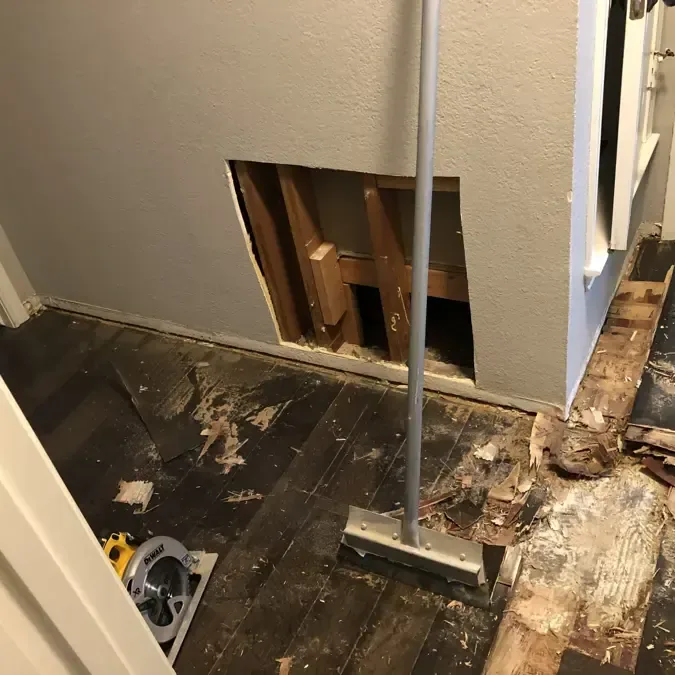
Follow the moisture through each stage
Recovery progresses through source control, removal, drying and a documented handoff. Each stage answers a different question about the building before new finishes cover the affected areas again.
A room needs more than surface cleanup
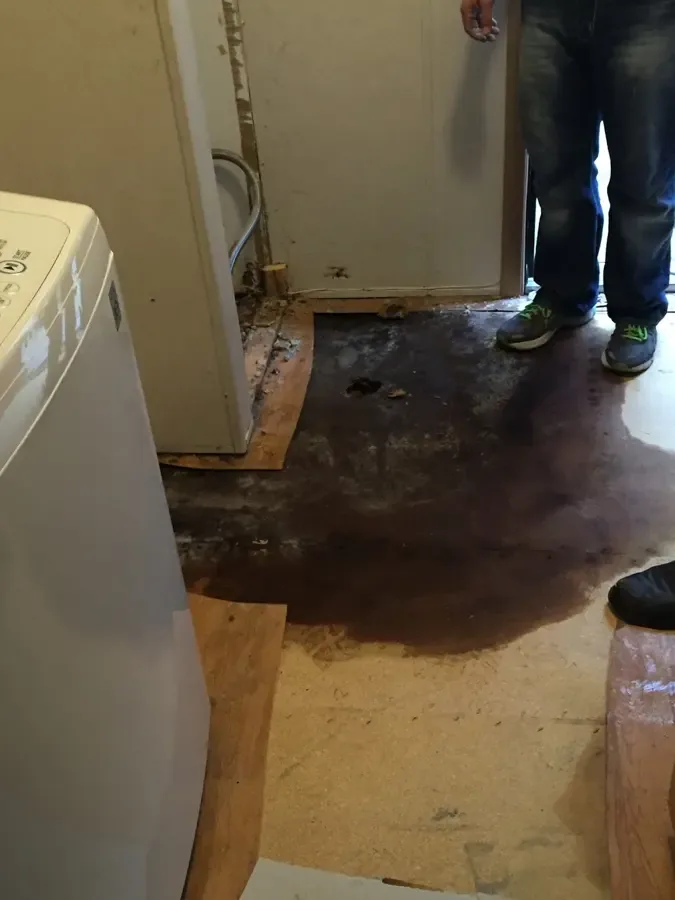
A dry looking floor can sit above a wet underlayment. Assessment connects the visible damage with concealed layers so repair choices address the actual extent of the loss.
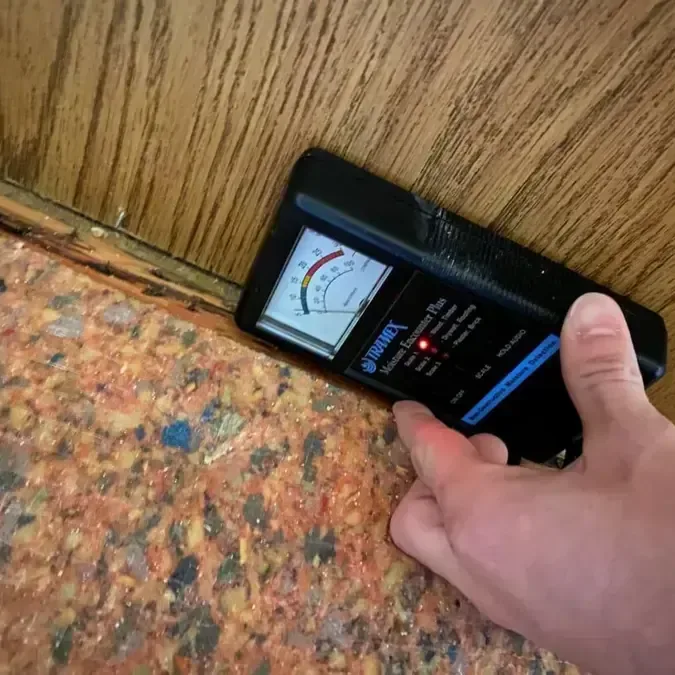
Cleanup shaped around the water source
The right starting point depends on where water entered and what became wet. These services address different parts of that recovery.
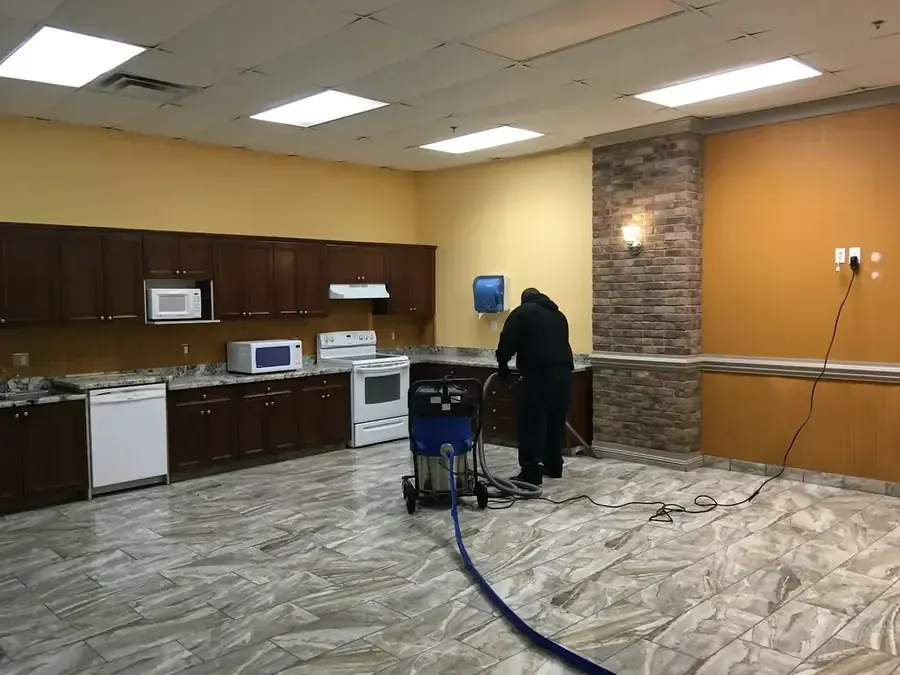
Water Extraction
Standing water removal reaches room edges before remaining moisture is assessed beneath the visible surface.
Read about water extraction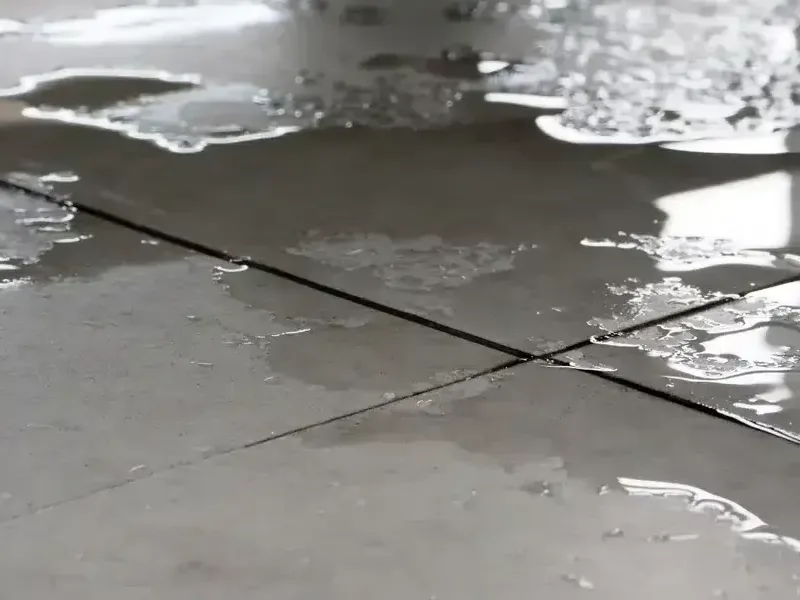
Slab Leak Water Damage
Moisture beside a repaired concealed pipe requires checks beneath flooring and around adjoining wall bases.
Read about slab leak water damage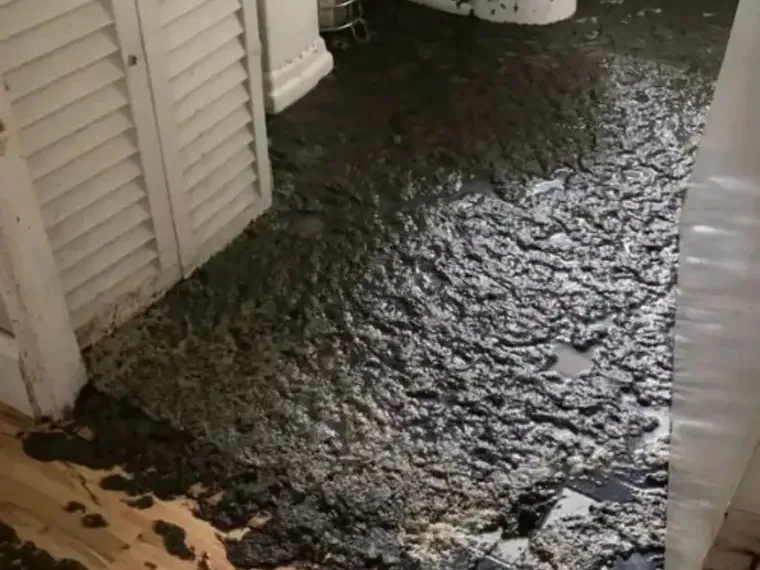
Sewage Backup Cleanup
Wastewater cleanup separates contaminated materials from clean areas and plans careful removal through the building.
Read about sewage backup cleanup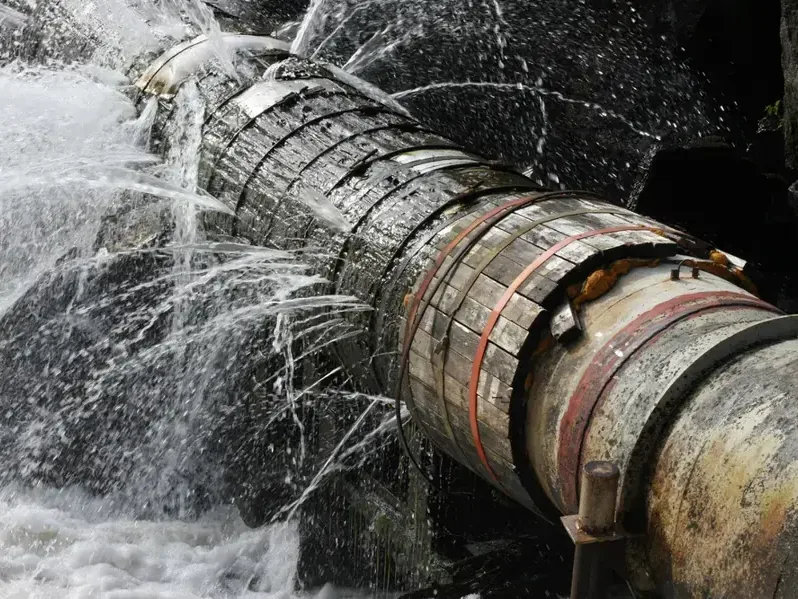
Burst Pipe Water Damage
A broken supply pipe can wet several assemblies before the first puddle becomes readily visible.
Read about burst pipe water damage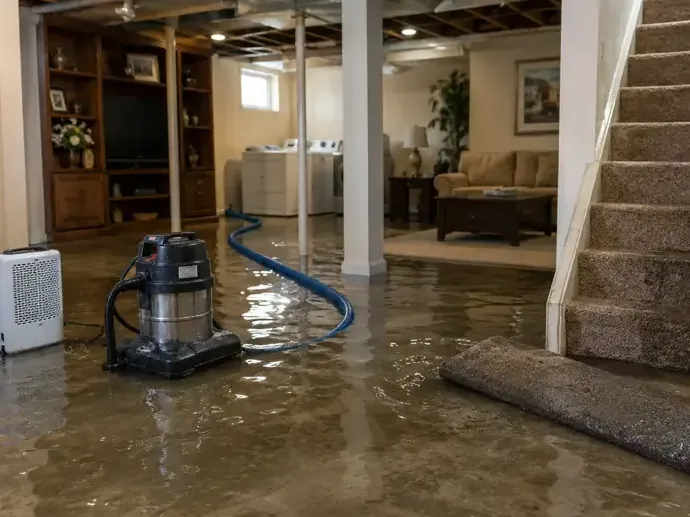
Storm Flood Cleanup
Outside water brings debris indoors, making material assessment and cleaning part of the drying plan.
Read about storm flood cleanup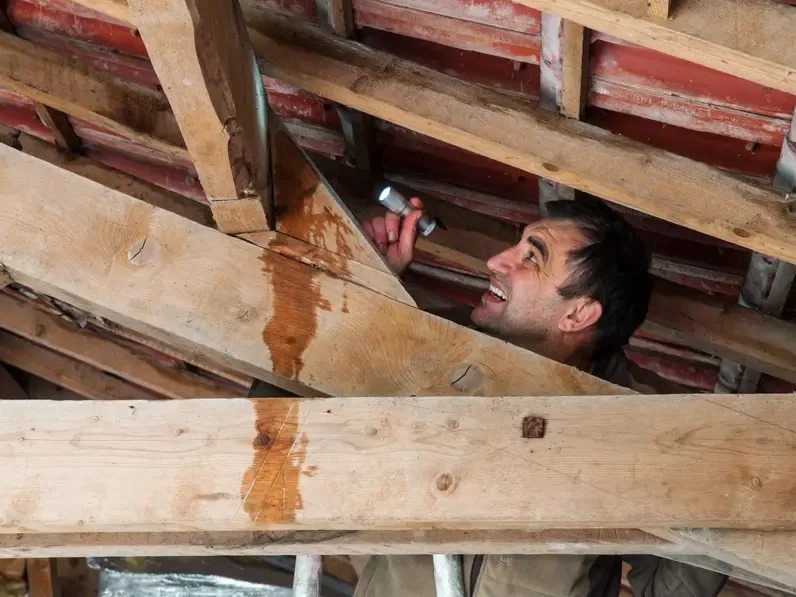
Roof Leak Water Damage
Rain entering overhead may travel along framing before appearing on a ceiling or interior wall.
Read about roof leak water damage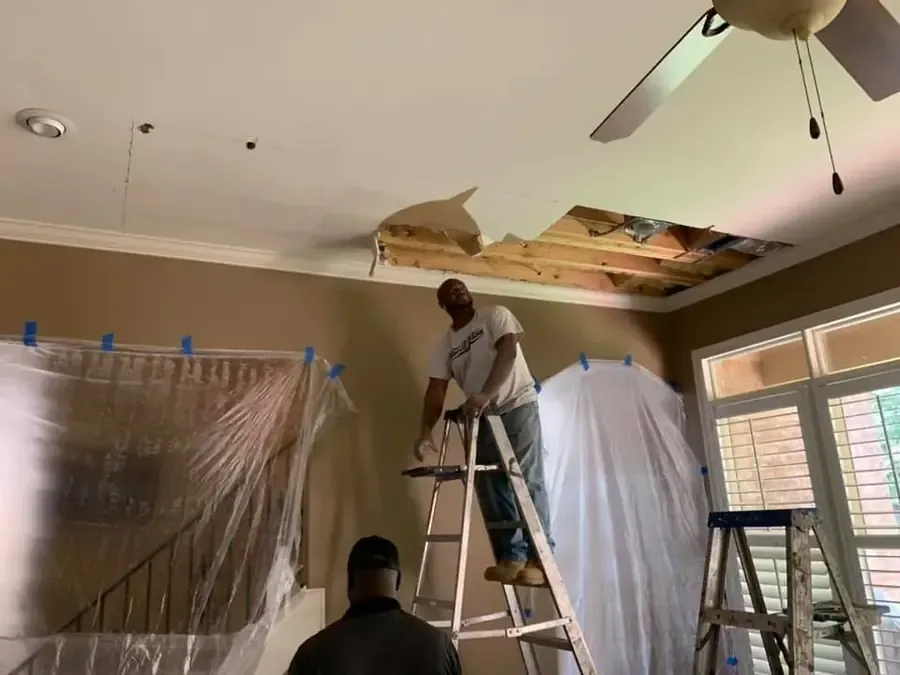
Ceiling Leak Water Damage
A damp ceiling needs safe overhead assessment before damaged board or insulation can be handled.
Read about ceiling leak water damage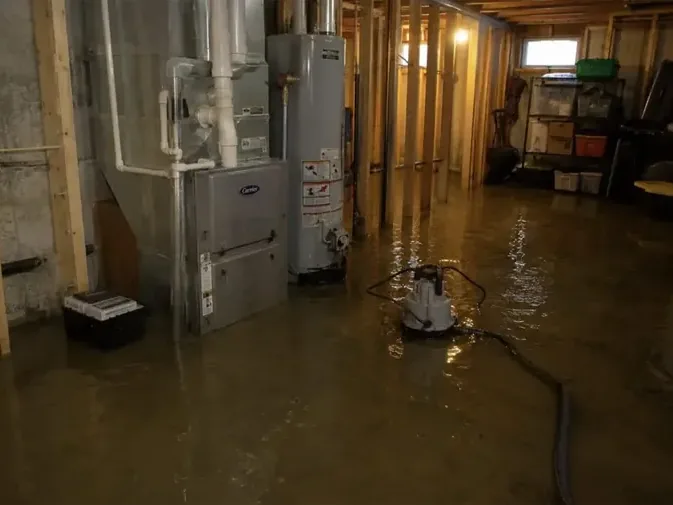
Water Heater Leak Cleanup
Water around a heater can soak the closet edges and migrate beneath nearby floor coverings.
Read about water heater leak cleanup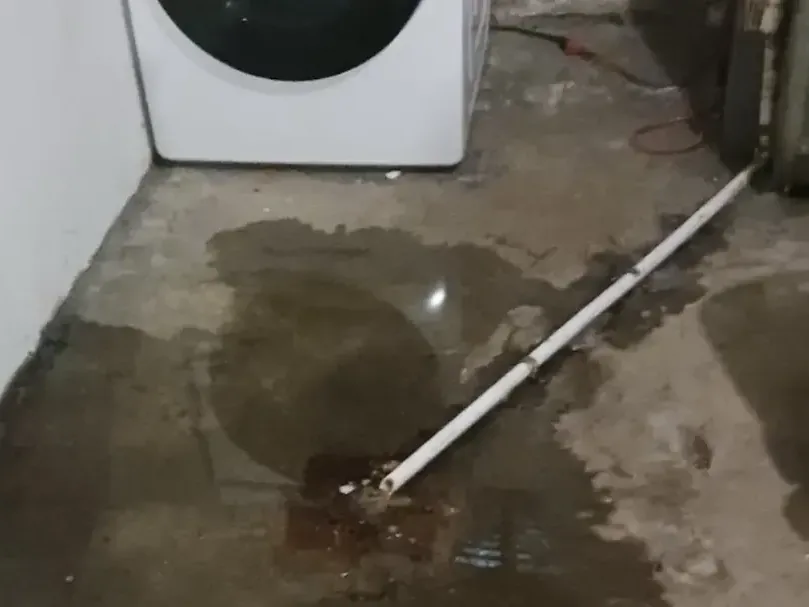
Appliance Leak Water Damage
Hidden appliance spills deserve inspection behind cabinets, beneath equipment and across connected kitchen floor layers.
Read about appliance leak water damage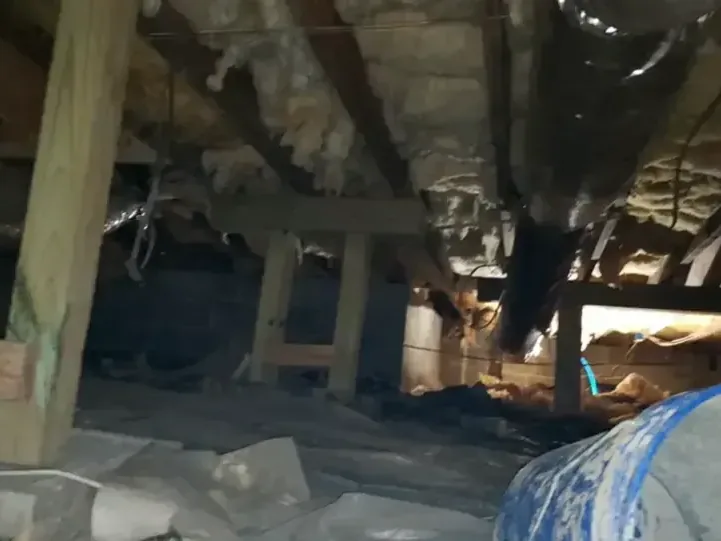
Crawl Space Water Removal
Underfloor pooling requires suitable access, hazard assessment and attention to wet insulation or exposed wood.
Read about crawl space water removal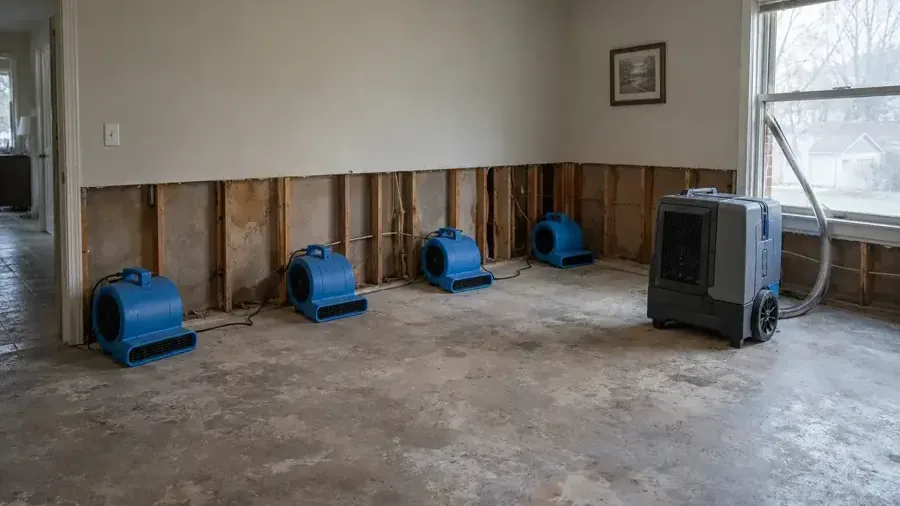
Structural Drying
Measured drying follows moisture within materials instead of stopping when the room merely feels comfortable.
Read about structural drying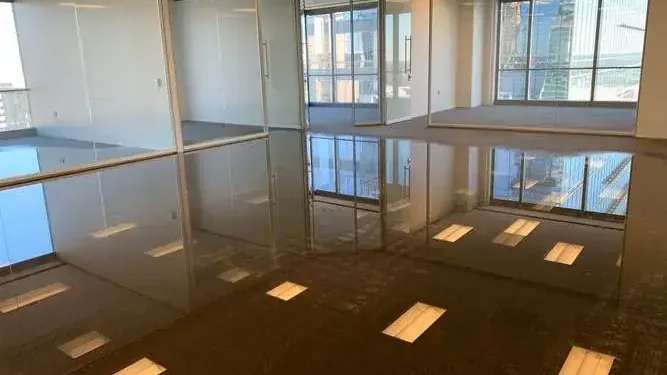
Commercial Water Damage
Business cleanup accounts for affected work areas, equipment protection and access around the drying zone.
Read about commercial water damage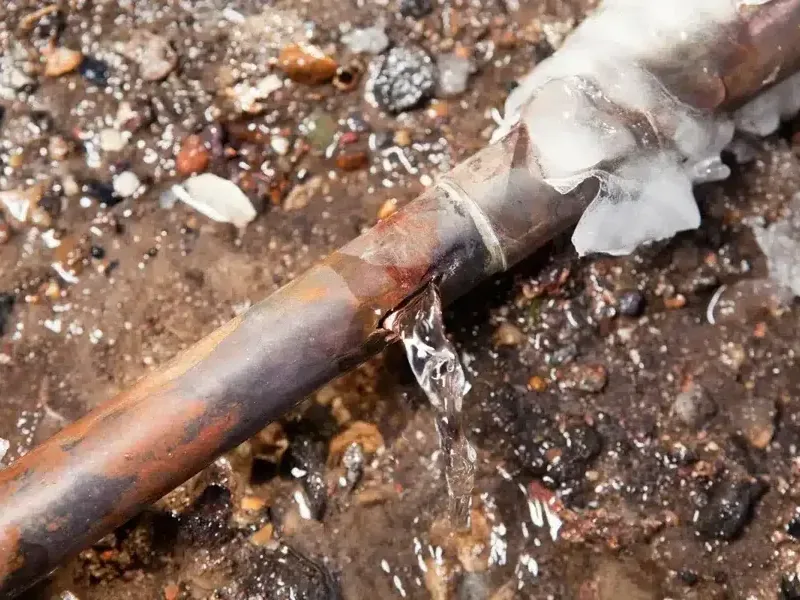
Frozen Pipe Water Damage
Thawing can reveal concealed leaks that need isolation before wet cavities receive a drying assessment.
Read about frozen pipe water damage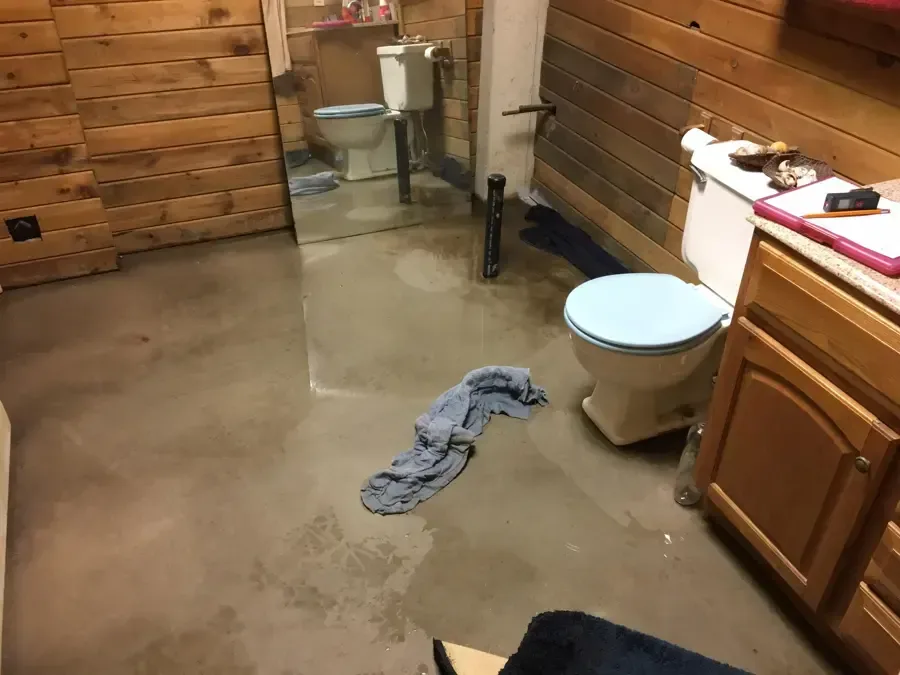
Toilet Overflow Cleanup
Bathroom overflow work distinguishes supply water from contaminated bowl water before selecting a cleanup approach.
Read about toilet overflow cleanup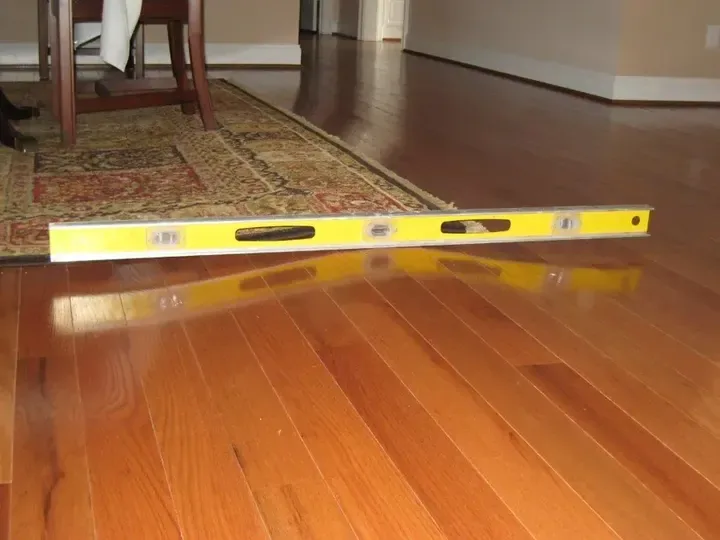
Hardwood Floor Water Damage
Wet wood flooring calls for board and subfloor measurements before repair or replacement choices follow.
Read about hardwood floor water damageHow the response protects wet materials
Connected assemblies
Walls, trim and flooring meet at edges where water can travel. Checking those junctions helps define a practical boundary for the affected area.
Clear work sequence
Plumbing repair, extraction and reconstruction have different roles. A written sequence helps an owner understand which task must finish before the next task begins.
Material decisions
Sound material may be suitable for drying, while contaminated or damaged layers need removal. The decision depends on condition and access to trapped moisture.
Useful documentation
Room photographs, moisture readings and descriptions of removed materials help explain the scope. Written notes make changes easier to discuss during recovery planning.
The gear a measured dry-out runs on
Water extraction
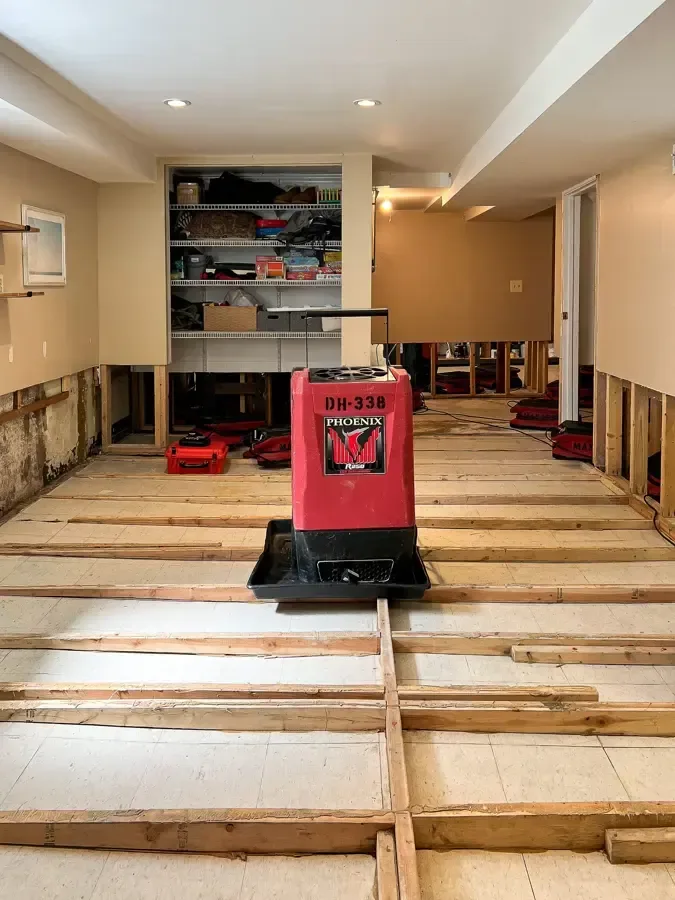
Extraction equipment removes bulk water before evaporation begins.
Controlled drying
Dehumidifiers manage the moisture air movers release from materials.
Moisture readings
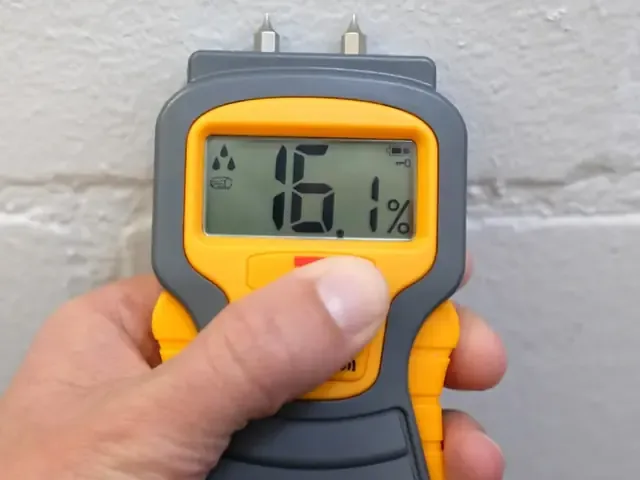
Moisture meters document concealed areas as well as visible surfaces.
How the dry-out works
Locate the source
The assessment identifies active leakage, water pathways and hazards so the work area reflects more than the room with visible puddles.
Remove and separate
Standing water and unsuitable wet materials are removed with attention to clean access routes and contents that can remain protected nearby.
Measure the response
Drying equipment is positioned for the exposed materials, then adjusted as readings show which parts of the assembly still retain moisture.
Prepare the handoff
Final notes identify drying results and outstanding repairs so flooring, wall finishes and other reconstruction can proceed with the right information.
Water pathways vary by building
The community includes households across county boundaries. Water extraction addresses accessible pooling, while structural drying follows moisture within the affected building materials before repair decisions are made.
Document the loss clearly
A clear record helps explain what happened, what became wet and what work was necessary. Coverage depends on the policy and the insurer's decision.
- Photographs of the original wet area
- Notes identifying the suspected water source
- Receipts for necessary source repair work
- Descriptions of removed and retained materials
- Moisture records connected to affected rooms
When paying directly
An owner funding cleanup directly can request a written breakdown of removal, drying and disposal work. Separating those items makes the immediate priorities easier to understand before authorizing additional repairs.
Unexpected concealed damage may change the scope after access improves. A revised description should identify the newly exposed materials and explain why additional work is needed.
Make the affected area safer before cleanup
- Avoid wet electricity. Occupants should remain outside rooms where standing water reaches electrical equipment or where safe footing is uncertain.
- Control accessible supply. A safely reachable shutoff can limit a plumbing release while the damaged connection receives professional attention.
- Leave unstable ceilings. Sagging overhead surfaces require a clear space below them because saturated materials can fall during an inspection.
- Separate contaminated rooms. Children, pets and household traffic should stay outside areas affected by sewage, drain backups or dirty outside water.
- Record visible changes. Photographs from a dry position can preserve the initial condition before belongings move and damaged finishes are removed.
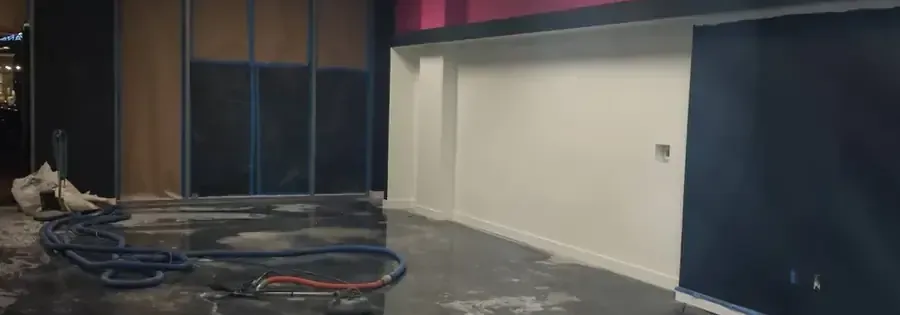
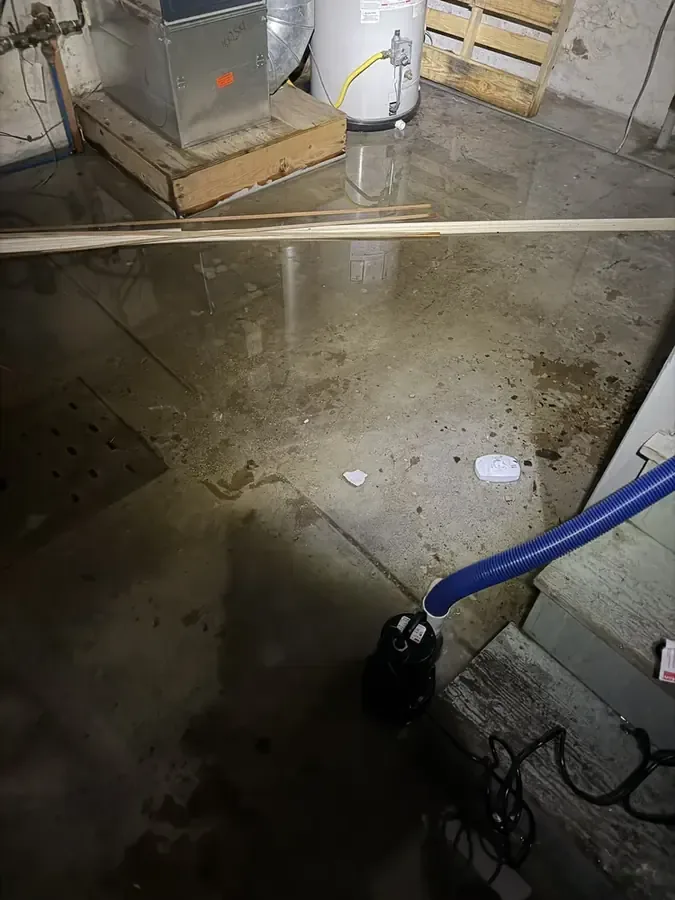
Water removal and drying across different room assemblies
What affects Oakhurst water damage cleanup costs?
Planning ranges run from $500 to $1,500 for limited cleanup, $1,500 to $4,000 for several affected materials and $4,000 to $10,000 for broader recovery. Water category, concealed spread, access and the required removal work determine the written scope.
Limited cleanup
$500 to $1,500
- Accessible water
- Small footprint
- Limited removal
Connected material damage
$1,500 to $4,000
- Wet edges
- Layered flooring
- Drying checks
Broader recovery
$4,000 to $10,000
- Contaminated surfaces
- Concealed cavities
- Complex access
These figures support early planning. A property assessment separates cleanup and drying from plumbing repairs, roof work and rebuilding items that may require other trades.
Water damage help for Oakhurst properties
Community reference points
Postal reference
74050
Other nearby pages
The source changes the next step
Pressurized supply release
A split pipe can keep feeding a wet area until its supply is isolated. Source control belongs ahead of drying equipment placement.
Assess pipe damageWater behind equipment
An appliance connection may leak beneath a cabinet where the top surface stays deceptively dry. Access helps reveal the full wet footprint.
Inspect concealed appliance spillsContaminated drain water
Sewage contact changes material handling and room access. Containment and cleaning must address contamination before a drying plan can serve the remaining structure.
Plan wastewater cleanupLook beyond the first wet surface
A property assessment connects local access with the building's actual condition. Pipe leaks, rain entry and drain backups each leave different clues about what needs attention next.
Community established in 1918: Oakhurst's history begins in 1918. A water damage assessment addresses the affected property's present materials, its access points and the path water took through the rooms.
Unnoticed rooms
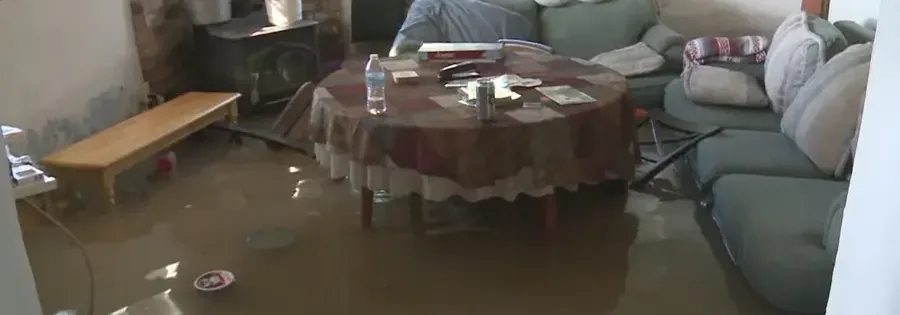
Water can reach an adjoining closet before the main room shows widespread damage. Door thresholds and wall bases deserve attention during the initial assessment.
Overlapping postal areas
ZIP areas 74107, 74132 and 74131 overlap the community. The property's exact location helps coordinate access when a mailing description covers a broader area.
Overhead saturation
A ceiling stain may sit below wet insulation or framing. Safe access above the finish helps identify materials that continue holding water after dripping stops.
Flooring transitions
Water can collect where different floor finishes meet. The edge between rooms may need closer inspection even when a nearby exposed surface appears dry.
Unoccupied spaces
A little used room can conceal an ongoing drip. An assessment should include storage spaces and accessible adjoining areas when the moisture pattern reaches them.
Questions before cleanup begins
What information helps during the first conversation?
Useful details include where water appeared, whether it continues entering, which surfaces became wet and whether electricity or a sagging ceiling creates a hazard. The person arranging access should also describe locked rooms, tenants or other restrictions. Photographs taken from a safe location can clarify the visible damage.
Is Oakhurst treated as a city?
Oakhurst is an unincorporated community and census designated place spanning Tulsa County and Creek County. Its county and postal boundaries matter when identifying a property. The cleanup assessment then focuses on that building's source of water, affected rooms and safe access rather than relying on a general community description.
Does a dry surface mean cleanup is complete?
Surface appearance answers only part of the question. Flooring, wall cavities and insulation can retain moisture after visible water disappears. Suitable measurements and access to affected layers help determine whether drying should continue. The condition of concealed materials also affects what can stay and what requires removal.
Can household fans handle sewage cleanup?
Sewage requires controlled handling of contaminated water and materials. Blowing air through a dirty room can spread contamination into other spaces. Occupants should keep the affected area separate while the drain problem and cleanup scope receive attention. Drying follows appropriate removal and cleaning of the remaining structure.
Who repairs the source of the leak?
The relevant trade handles a failed pipe, appliance connection or roof opening. Cleanup addresses the water already inside and its effect on building materials. These tasks need coordination because an active leak can undo drying progress. A written scope should distinguish source repair from removal, drying and later rebuilding.
Will all wet materials need replacement?
Replacement depends on contamination, physical damage and whether moisture can be removed effectively. Some sound materials can dry with suitable access and monitoring. Swollen, delaminated or contaminated porous layers may require removal. The assessment should explain each decision instead of treating every damp surface as having the same outcome.
How should belongings be handled after a leak?
Dry belongings can be moved away from a safe, uncontaminated area if handling them creates no exposure or electrical hazard. Items touched by sewage or unknown outside water need separate assessment. Photographs and an item list help document damage before disposal decisions. Heavy furniture should remain untouched when moving it is unsafe.
Can cleanup costs change after work starts?
Hidden water can become visible only after a floor edge or wall cavity is opened. Additional wet layers may require a change in removal or drying work. An updated scope should describe the discovery and its cost effect. This keeps the owner informed before decisions about the added work are made.
What should remain in the final project record?
The useful record includes the source description, affected room photographs, material decisions and moisture documentation. It should also identify unfinished repairs or reconstruction needs. Keeping those details together helps the next trade understand the condition of the exposed structure and gives the owner a clear account of the completed cleanup.
Describe access and the affected rooms
Oakhurst is an unincorporated community spanning Tulsa County and Creek County. Property details help identify the correct location and the safest approach to the affected space.
Interstate 44 passes through the community, and Interstate 244 branches from it. A caller can describe entry restrictions, water depth and whether the source remains active.
Oakhurst, OK · [email protected]
(888) 619-9509Explain access to the propertyStart with the rooms that need attention
A clear description of the water and affected materials helps establish a practical cleanup scope.