Appliance Leak Water Damage in Oakhurst
Water under a machine can spread behind cabinets before it reaches open flooring. Appliance leak cleanup looks past the visible spill to the surfaces that are hardest to reach.
(888) 619-9509Describe the hidden appliance spill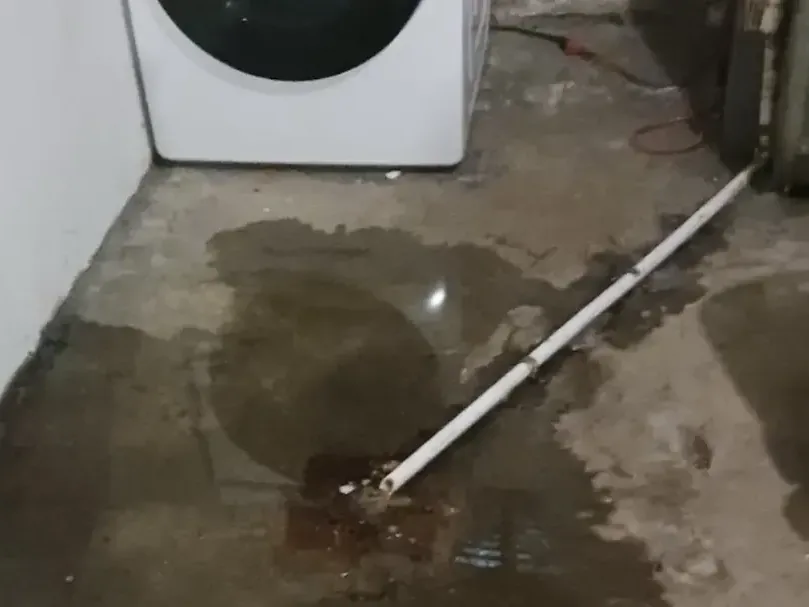
An appliance spill in Oakhurst can leave a narrow wet strip along a cabinet while a larger area remains hidden underneath. Washing machines, dishwashers and other connected equipment each have different water pathways. Cleanup should establish the source and then inspect the building surfaces reached by the release, including areas behind a seemingly dry front panel.
How appliance leak water damage progresses
Identify machine and pathway
The assessment connects the appliance symptoms with visible floor or cabinet damage and clarifies whether the release source has received repair attention.
Reach the concealed footprint
Safe access beneath or behind equipment reveals affected surfaces that were hidden during the initial inspection and supports specific material retention decisions.
Recover retained building layers
Extraction and controlled drying address accessible moisture, while measurements indicate whether cabinet bases, walls or floor layers still need additional exposure.
Coordinate return and repairs
The project record identifies equipment access needs, material drying results and outstanding cabinet or flooring work before the room returns to ordinary use.
First steps for appliance leak water damage
- 1Stop ordinary appliance use. The machine should remain unused until the appropriate trade assesses its leak and safe operating condition.
- 2Identify the release pattern. Details about when water appears can help distinguish a filling connection, drainage problem or leak from another equipment component.
- 3Protect adjacent dry items. Belongings can be moved from a safe dry area while wet equipment connections and concealed appliance spaces remain undisturbed.
- 4Plan access beneath equipment. Cleanup should coordinate safe equipment movement before reaching moisture under a machine or inside a cabinet bay.
The visible spill may be the accessible edge
Water can follow the underside of a cabinet, enter a floor seam or collect beneath an appliance where a towel cannot reach. Those concealed spaces may remain damp after the open room has been wiped. Inspection identifies which components need access and whether the equipment can be moved safely by the responsible trade.
- Describe whether the leak occurred during filling, draining or another cycle.
- Check accessible cabinet edges for swelling, separation or a damp finish.
- Identify neighboring rooms with changed flooring or wet threshold material.
- Leave connected equipment in place until safe movement is arranged.
Oakhurst households occupy properties across Tulsa County and Creek County. Interstate 44 passes through the community. The property contact can use the location alongside practical room details, such as a laundry closet or enclosed kitchen appliance bay, to explain access restrictions before the inspection begins.
The appliance type, operating cycle and location of the first visible water help describe the release. Cabinet swelling or a damp doorway can also point toward surfaces that need concealed access.
(888) 619-9509Explain the appliance and floor symptomsDistinguish equipment repair from material recovery
A failed hose, connection or appliance component needs repair to prevent another discharge. That task does not settle the condition of the floor beneath the machine. Cleanup assessment follows the absorbed water into cabinet bases, underlayment and adjacent wall material, with removal decisions tied to physical damage, contamination and realistic drying access.
- Record the appliance symptoms and whether its water source is controlled.
- Arrange safe equipment access with the appropriate service professional.
- Inspect the concealed footprint and connected cabinet or floor edges.
- Explain retention, selective removal and drying for the affected materials.
A dishwasher bay offers a useful example. Water may reach a cabinet side panel without spreading across the entire kitchen. A swollen panel and a sound neighboring floor can need different treatment. The scope should describe those conditions separately rather than treating the whole cabinet run or room as a single uniform material.
Likewise, a laundry spill may reach beneath a resilient finish and remain trapped above the subfloor. Surface extraction clears accessible water but leaves that concealed layer needing assessment. Equipment placement should follow the exposed assembly, and any proposal to lift flooring should explain how it improves access or removes damaged material.
Safe access comes first
The restoration crew checks electrical exposure, overhead stability and the water source before entering the wet area. Occupants keep clear of sagging ceilings and contaminated floors. A qualified professional isolates affected circuits from a dry location. These checks precede extraction because standing water can conceal damage that a surface inspection misses.
Keep the room usable only where conditions allow
Appliance repair, selective removal and drying can change ordinary kitchen or laundry access. The owner should know which equipment remains out of use and which paths need to stay clear. A safe dry route can protect unaffected rooms from debris and reduce accidental contact with hoses, cords or open floor edges.
After assessment, water extraction addresses accessible liquid while structural drying tracks moisture in retained layers. Final notes should identify the source repair status and any cabinet, trim or flooring work that remains after the building materials reach the required drying endpoint.
- Record cabinet components affected by swelling or loss of integrity.
- Identify floor layers exposed beneath the appliance or adjoining finish.
- Coordinate appliance reinstallation with access needed for remaining drying work.
- Separate machine repair from cleanup and replacement of damaged finishes.
A clear handoff prevents the appliance's return to service from being mistaken for completion of the surrounding room repairs.
What does appliance leak water damage cost in Oakhurst, OK?
Appliance leak cleanup in Oakhurst ranges from $500 to $1,200 for an open laundry spill, $1,200 to $2,500 for cabinet edge intrusion and $2,500 to $4,000 for hidden floor spread. Access matters.
Open laundry spill
$500 to $1,200
- Exposed surfaces
- Liquid extraction
- Boundary checks
Cabinet-edge intrusion
$1,200 to $2,500
- Panel assessment
- Restricted access
- Base drying
Hidden floor spread
$2,500 to $4,000
- Concealed layers
- Selective removal
- Connected rooms
These planning ranges are estimate only. Water category, affected area, material class and the delay before extraction change the scope. The water damage cost calculator explores those variables.
Careful decisions for appliance leak water damage
Rapid local response
The response team assesses active water, access and source control during 24/7 dispatch. Arrival depends on current conditions and the work required at the property.
IICRC S500 drying standard
The drying technician compares wet assemblies with suitable dry references and adjusts dehumidification to the material load. A dry surface alone does not close the job.
Claim-ready documentation
The mitigation team records initial damage, material decisions, equipment and daily readings. The property owner retains a clearer account of the loss for the insurance review.
Local water experts
The contractor checks the actual building and the reported source before choosing a method. Indoor supply releases, contaminated outside water and backed-up drains require different handling.
Appliance leak water damage in Oakhurst
Appliance leak assessments in Oakhurst consider the household's actual equipment arrangement, cabinet access and connected floor layers, with source service coordinated around the cleanup work.
The same service nearby: appliance leak water damage in Sand Springs, Bixby, Sperry.
Related water damage services in Oakhurst
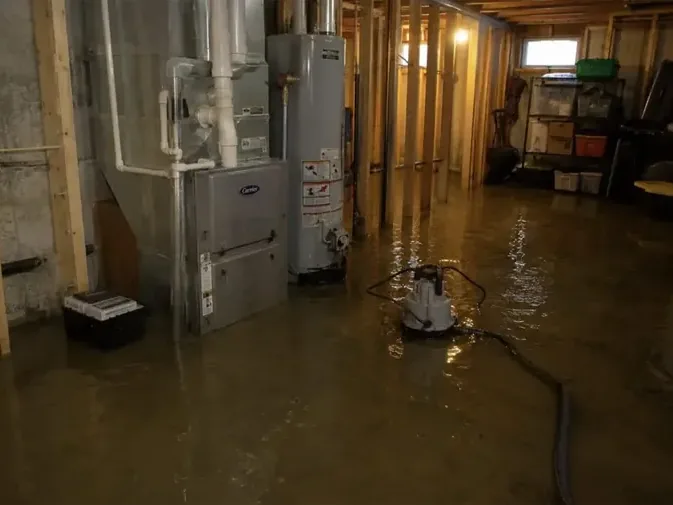
Water Heater Leak Cleanup in Oakhurst
Tank spills can travel beneath partitions beyond the visible puddle around the heater.
Read about water heater leak cleanup ›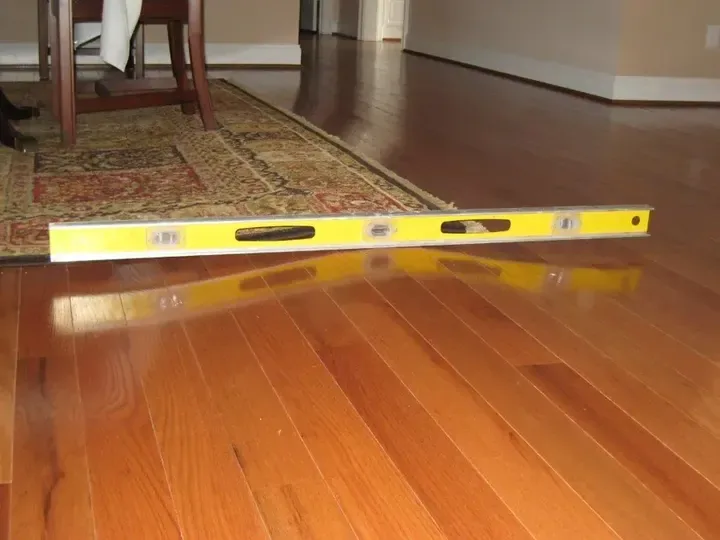
Hardwood Floor Water Damage in Oakhurst
Board movement and subfloor readings determine whether targeted floor drying remains appropriate.
Read about hardwood floor water damage ›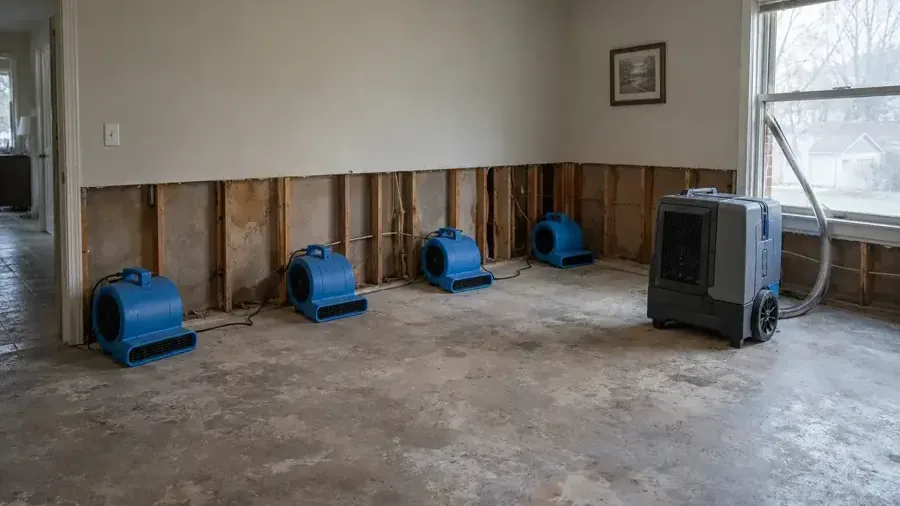
Structural Drying in Oakhurst
Material readings direct dehumidification until the assembly reaches a defensible drying goal.
Read about structural drying ›Appliance Leak Water Damage questions in Oakhurst, OK
Why is water visible only at the cabinet edge?
A cabinet can conceal the area where the spill first collects. Water may emerge only after reaching an opening beside the appliance or at the base. The visible strip helps direct inspection, but safe access beneath and behind the equipment is needed to understand the full affected footprint.
Can the machine be pulled out by an occupant?
Connected appliances can be heavy and may have electrical, supply or drain connections that limit movement. Moving them without appropriate handling can cause another release or create injury risk. The responsible service trade should coordinate safe access so cleanup can inspect concealed surfaces without damaging connections or nearby finishes.
Does wiping the kitchen floor resolve the loss?
Wiping removes accessible surface water, but liquid may remain under a cabinet or between floor layers. Absorbent components can also retain moisture after the room looks tidy. Assessment of the concealed footprint determines whether extraction, selective access or drying is needed beyond the visible spill area.
What if the appliance leak happened during draining?
Drain water can have different contents from a fresh supply release. The assessment considers the source, exposure and materials affected before choosing cleanup methods. Appliance service should address the drainage problem while the building cleanup scope explains any contaminated or damaged porous layers that require removal.
Will damaged cabinet panels return to shape?
Some cabinet components swell, separate or lose strength after water exposure. Drying does not reverse every form of physical damage. Assessment should distinguish material moisture from its remaining integrity and explain which panels can stay, which need access for drying and which require replacement during the room repair.
Can a new appliance be installed during drying?
Installation timing depends on whether the new machine would block access to wet surfaces or interfere with equipment. The service and cleanup trades should coordinate that decision. Moisture beneath the appliance bay should receive attention before replacement equipment makes the same floor and cabinet edges difficult to inspect again.
What records help explain a concealed appliance loss?
Photographs of the visible spill, cabinet changes and newly exposed floor can show how the damage extends beneath equipment. Appliance service notes identify the source repair. Cleanup records add material decisions and drying measurements, creating a connected account of the machine problem and the building surfaces it affected.
When does floor replacement become part of the scope?
Replacement may be needed when a finish or underlying layer is physically damaged, contaminated or unsuitable to retain. The assessment should explain that decision and distinguish it from drying sound material. The flooring trade then evaluates the prepared substrate and the requirements of the intended replacement system.
Inspect the spill beneath the equipment
A focused cleanup plan connects appliance service with the wet cabinet and floor layers that require attention before the room is restored.
(888) 619-9509Discuss concealed appliance water recovery