Water Heater Leak Cleanup in Oakhurst
Water around a heater may reach the wall behind it before spreading into view. Cleanup considers the equipment hazards, the release source and nearby materials that can absorb the spill.
(888) 619-9509Describe the heater area spill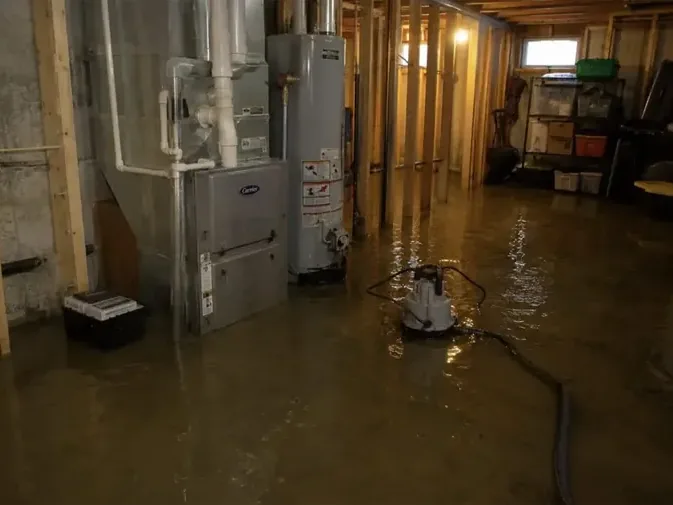
A heater leak in an Oakhurst home can hide its widest damage behind the equipment. Water may collect along a closet wall, pass beneath a threshold or soak the edge of a nearby floor covering. Clearing the puddle in front of the tank leaves those less visible materials needing their own assessment.
How water heater leak cleanup progresses
Establish safe equipment status
The assessment coordinates with the responsible repair trade and identifies whether the heater, energy source or surrounding water limits access to the affected materials.
Map the utility spill
Inspection follows liquid around the tank area, through floor seams and toward adjoining rooms, documenting surfaces that have absorbed water beyond the open puddle.
Expose and dry wet edges
Selected removal or equipment access makes retained wall and floor materials reachable, while readings help adjust the drying arrangement to their response.
Connect the repair stages
The handoff explains drying results and outstanding finish work so heater replacement, closet repairs and adjacent room reconstruction can proceed in a clear order.
First steps for water heater leak cleanup
- 1Avoid equipment hazards. Standing water around a heater requires caution because hot water and energized equipment can create hazards beyond the visible floor damage.
- 2Arrange tank assessment. The appropriate trade should determine whether the tank or its connections need repair and explain safe source control before cleanup proceeds.
- 3Describe surrounding materials. The contact should identify nearby wallboard, trim, carpet or other flooring so the assessment considers absorbent edges around the utility space.
- 4Coordinate access behind equipment. If the heater must move, cleanup access should be discussed before replacement equipment conceals the floor and wall surfaces needing inspection.
Separate equipment handling from room cleanup
The tank and its connections need attention from the appropriate repair professional. Hot water, electrical components and other equipment conditions can make the utility space unsafe for occupants. Cleanup planning should establish how the source is controlled and whether the heater must be serviced or moved before wet surfaces behind it can be reached.
- Describe whether water appears at a connection or around the tank base.
- Keep occupants away from standing water near electrical equipment.
- Identify the nearest adjoining room and any wet threshold between them.
- Leave equipment disconnection and movement to the responsible qualified trade.
Interstate 44 crosses Oakhurst, which spans Tulsa County and Creek County. A property contact can clarify location and describe whether the heater occupies an open utility area or a restricted closet. That access information helps plan the work around the actual equipment arrangement and the surrounding building materials.
The heater location, visible release point and nearest wet doorway help describe the loss. Information about planned equipment repair also helps coordinate access to the floor and wall behind the tank.
(888) 619-9509Explain the utility room conditionsInspect the edges that retain the spill
A utility floor may shed visible water while absorbent trim and wallboard continue holding moisture. Floor seams and penetrations can also allow water to reach another layer. Inspection follows these edges to determine whether extraction, selective removal or exposure of concealed materials is needed after the source has been addressed.
- Clarify equipment safety and the status of tank or connection repair.
- Remove accessible water from the utility area and connected floor surfaces.
- Check wall bases, closet corners and adjoining finishes for absorbed moisture.
- Plan drying around safe equipment access and the retained wet materials.
For example, a damp doorway between a heater closet and a carpeted room deserves attention even if the carpet face feels nearly dry. Water can reach the backing or padding at that junction. The room edge should be assessed as part of the same release rather than treated as a separate cosmetic problem.
Safe access comes first
The restoration crew checks electrical exposure, overhead stability and the water source before entering the wet area. Occupants keep clear of sagging ceilings and contaminated floors. A qualified professional isolates affected circuits from a dry location. These checks precede extraction because standing water can conceal damage that a surface inspection misses.
Coordinate replacement with the drying space
If equipment replacement is required, the timing affects access to the floor and wall behind the old tank. The cleanup and repair trades should coordinate so trapped moisture can be inspected before replacement equipment makes the area difficult to reach again. The owner should receive a clear sequence for those separate tasks.
Drying addresses the retained building materials after water removal and any unsuitable layer removal. Appliance leak recovery covers other equipment related spills, while structural drying explains how material readings support the remaining recovery. A clear record links the heater release with the closet and room surfaces affected.
- Record wet wall edges before a replacement tank occupies the space.
- Document flooring removed to reach absorbed water beneath the finish.
- Identify equipment clearances and access needs affecting the drying arrangement.
- Separate heater service charges from building cleanup and finish repairs.
The completed cleanup should leave an understandable account of the source, material decisions and remaining repair needs. That information is especially useful when equipment work and floor or wall reconstruction happen at different stages.
What does water heater leak cleanup cost in Oakhurst, OK?
Oakhurst heater leak cleanup ranges from $600 to $1,200 for an accessible small spill, $1,200 to $2,200 for closet and wall edges and $2,200 to $3,500 for adjacent room spread. Equipment service is separate.
Accessible small spill
$600 to $1,200
- Open utility floor
- Water removal
- Edge inspection
Closet and wall edges
$1,200 to $2,200
- Tight corners
- Wet trim
- Material access
Adjacent room spread
$2,200 to $3,500
- Threshold transfer
- Layered flooring
- Wider drying
These planning ranges are estimate only. Water category, affected area, material class and the delay before extraction change the scope. The water damage cost calculator explores those variables.
Careful decisions for water heater leak cleanup
Rapid local response
The response team assesses active water, access and source control during 24/7 dispatch. Arrival depends on current conditions and the work required at the property.
IICRC S500 drying standard
The drying technician compares wet assemblies with suitable dry references and adjusts dehumidification to the material load. A dry surface alone does not close the job.
Claim-ready documentation
The mitigation team records initial damage, material decisions, equipment and daily readings. The property owner retains a clearer account of the loss for the insurance review.
Local water experts
The contractor checks the actual building and the reported source before choosing a method. Indoor supply releases, contaminated outside water and backed-up drains require different handling.
Water heater leak cleanup in Oakhurst
Water heater cleanup assessments for Oakhurst focus on the utility space and connected rooms, with safe equipment access coordinated around the affected property's tank arrangement.
The same service nearby: water heater leak cleanup in Sand Springs, Bixby, Sperry.
Related water damage services in Oakhurst
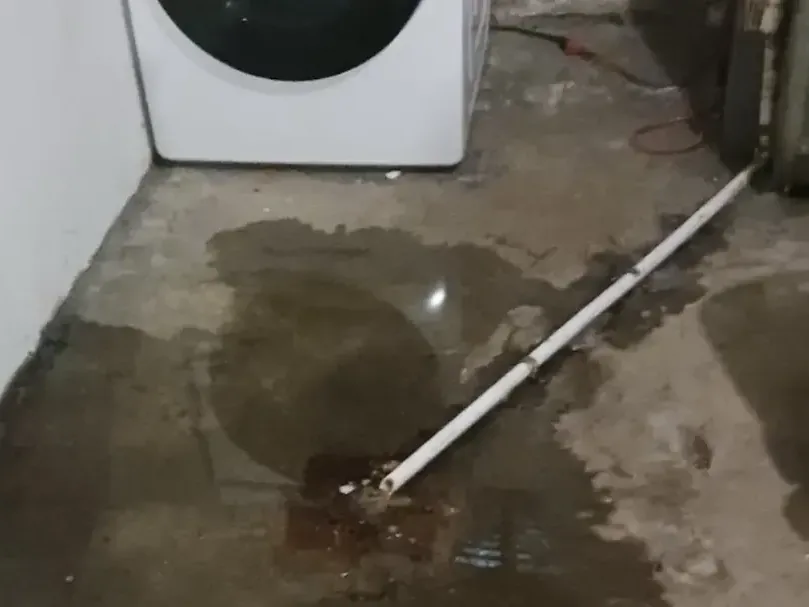
Appliance Leak Water Damage in Oakhurst
Hidden water beneath cabinets and appliances often demands access below the finished floor.
Read about appliance leak water damage ›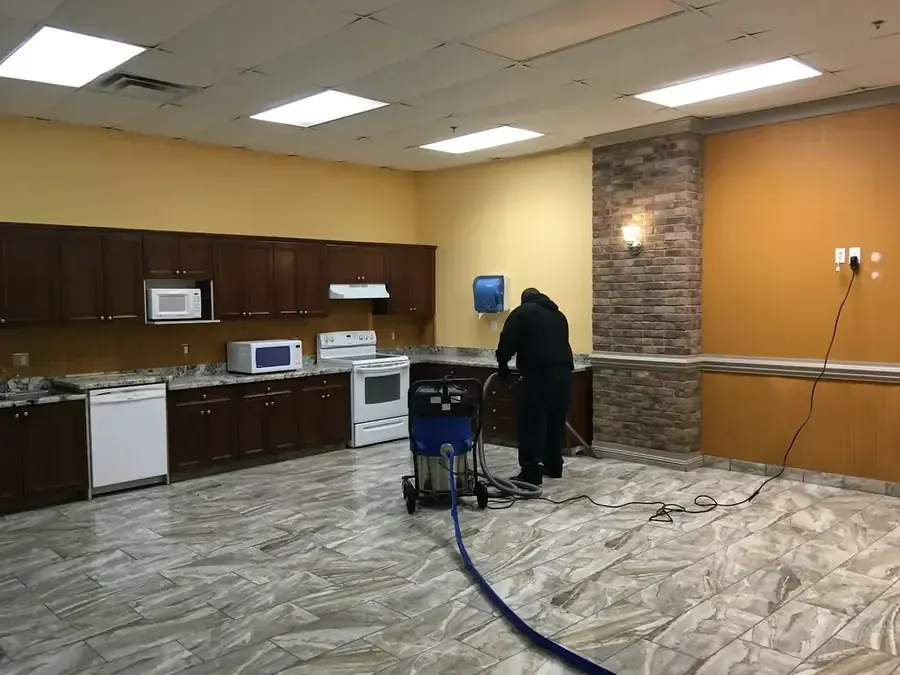
Water Extraction in Oakhurst
Extractors remove pooled water before the drying equipment tackles moisture inside floors and walls.
Read about water extraction ›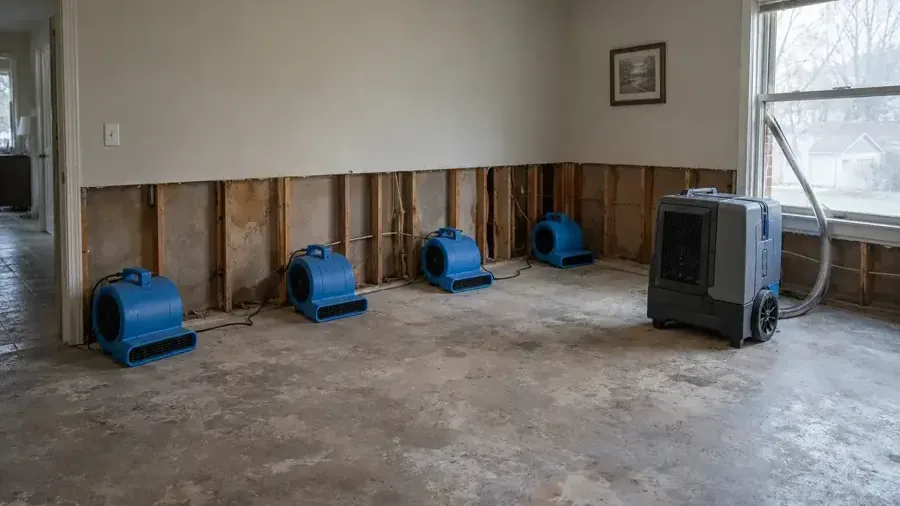
Structural Drying in Oakhurst
Material readings direct dehumidification until the assembly reaches a defensible drying goal.
Read about structural drying ›Water Heater Leak Cleanup questions in Oakhurst, OK
Should the heater be moved before cleanup?
Moving a heater involves equipment and connection issues that belong to the responsible trade. The cleanup assessment can identify whether access behind or beneath it is needed. Coordinating that access with service or replacement helps expose wet building materials without asking occupants to handle a heavy connected tank.
Can a small heater leak damage another room?
Water can cross a threshold or pass beneath a wall before it spreads broadly across the utility floor. Adjoining carpet edges, trim and floor layers may absorb that moisture. The inspection should follow those connections even when the visible puddle around the heater appears limited or has already receded.
Does the cleanup service repair the tank?
Tank and connection repair are separate equipment tasks for the appropriate professional. Building cleanup addresses the escaped water and affected finishes or structure. A written scope should show where those responsibilities meet, especially when equipment movement is necessary to inspect or dry the wall and floor behind it.
Why check walls behind an apparently contained spill?
Closet corners and wall bases can absorb water while the open floor is being cleared. Restricted airflow behind the heater may leave those areas damp longer. Inspecting accessible edges helps determine whether trim or wall material needs exposure and whether the drying setup can reach the retained structure.
Can drying occur around a newly installed heater?
That depends on safe clearances, access and the location of the remaining moisture. It is often useful to coordinate the inspection before replacement equipment occupies the same space. The plan should identify any surfaces that will become difficult to reach and explain how their condition will be addressed.
What should be included in the initial photographs?
Safe photographs can show pooled water, the surrounding wall bases, the threshold and any affected floor covering in the next room. Images should avoid unsafe proximity to equipment. Repair records and cleanup notes can then connect the release source with the materials removed or dried during recovery.
Will utility room flooring always need replacement?
The decision depends on the finish, underlying layers, physical condition and drying access. Some sound surfaces can remain, while swollen or separated components may need removal. Assessment should explain the condition of each affected layer instead of assuming that clearing water from the top restores the entire floor assembly.
How is cleanup completion distinguished from equipment repair?
Equipment repair confirms the source has been addressed by the responsible trade. Cleanup completion concerns removal, material condition and drying documentation around the heater and adjoining spaces. Keeping those records separate but connected helps the owner understand any wall, trim or flooring work still needed after the tank is operating.
Address the materials around the heater
A coordinated assessment keeps equipment work connected with the moisture hidden at closet edges and across the adjoining floor assembly.
(888) 619-9509Discuss heater spill recovery planning