Water Heater Leak Cleanup in Bixby
Water around a heater can reach farther than the appliance closet suggests. The recovery assessment checks the floor and nearby wall edges after the equipment and its supply have been made safe.
(888) 619-9509Describe water around the heater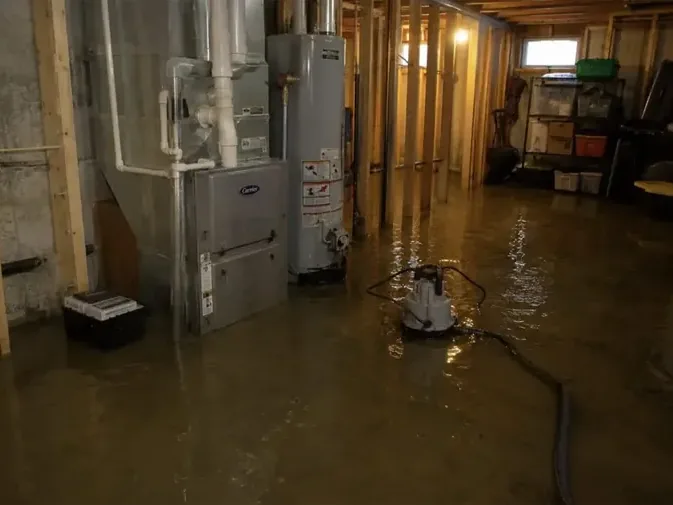
A heater closet can hide a spreading spill behind its door. Water may follow the floor into a hallway or remain beneath a platform while the open utility area appears manageable. Water heater leak cleanup in Bixby addresses that full footprint, with the appliance's safe isolation handled before water removal and access around its base are planned.
How water heater leak cleanup progresses
Assess the appliance surroundings
The technician identifies the spill's reach around the tank, under any accessible platform and through the doorway, while accounting for safe equipment isolation and the planned source repair or appliance replacement.
Remove water from accessible areas
Extraction clears pooling and suitable wet surfaces, allowing a closer assessment of hidden edges and any damaged absorbent material around the heater.
Expose and dry affected layers
The plan addresses retained components beneath or beside the appliance, using coordinated access and moisture readings to avoid concealing a damp base too early.
Coordinate utility-room restoration
The handoff separates appliance work from building repairs and identifies suitable material conditions before replacement equipment, trim or flooring restricts access to the area again.
First steps for water heater leak cleanup
- 1Keep away from hazards. Stay clear of standing water around energized equipment and hot leaking components while the appliance is made safe.
- 2Arrange safe equipment control. The appropriate trade should isolate and assess the heater so the cleanup plan can proceed without continuing release or unsafe appliance conditions.
- 3Describe adjacent wet surfaces. Report water at the closet doorway, wall bottoms or neighboring room flooring, including any absorbent belongings that stood beside the tank.
- 4Coordinate access beneath replacement. Discuss whether the appliance move will expose damp material that needs inspection or drying before another tank limits access to the same surface.
Distinguish equipment work from building recovery
The City of Bixby reported a southeast-side outage during system repairs, and Lake Bixhoma residents carried water from supply stations during a reported interruption. An indoor tank leak is a property-specific equipment problem. The repair trade identifies the failed component, while the cleanup assessment determines what the released water reached inside the building.
- Water beneath a platform can remain concealed after the nearby floor is wiped.
- Wallboard edges may absorb a spill that looks limited to the utility room.
- Carpet outside a closet can hide saturated padding at the doorway.
- Hot water and wet electrical components require safe handling before cleanup begins.
At a home in Southwood South, the initial description should explain where the heater sits and which adjoining surfaces became wet. At a property in Pecan Park, access around shelving or stored items may shape the assessment. These practical room details are more useful than assuming every tank installation has the same layout.
A tank spill can hide moisture beneath the appliance and beyond the closet. Describe its location, the supply status and any wet doorway or wall edge when arranging assessment.
(888) 619-9509Discuss the heater-area spillReach the edges a surface cleanup misses
Moving or replacing a tank may create an opportunity to inspect the floor beneath it. The trades should coordinate that access so damaged material is addressed before another appliance blocks the area. An intact drain pan also needs context: the assessment follows actual overflow or escaped water rather than assuming the pan contained the entire release.
- Confirm safe source control and the appliance repair or replacement plan.
- Extract accessible water from the utility area and neighboring surfaces.
- Inspect concealed platform, wall-base and doorway materials reached by the spill.
- Dry suitable retained components before equipment placement limits access again.
Some heater losses involve a small exposed hard surface; others reach absorbent floor layers or enclosed framing. The estimate should identify those differences. Water extraction removes bulk liquid, while the remaining assembly may need selective openings and a separate drying plan before the utility space is ready for repair.
Safe access comes first
The restoration crew checks electrical exposure, overhead stability and the water source before entering the wet area. Occupants keep clear of sagging ceilings and contaminated floors. A qualified professional isolates affected circuits from a dry location. These checks precede extraction because standing water can conceal damage that a surface inspection misses.
Coordinate the return of equipment and finishes
A replacement heater solves the equipment need but can complicate drying if installed over material that still needs access. The proposed work sequence should explain how the base and adjacent wall edges will be assessed. Any required material replacement should have a clear boundary, with the repair trade aware of the recovery work around the appliance.
The owner should retain photographs of the original spill and the surface beneath the removed tank when available. These images help explain damage that is later concealed by the new installation. Documentation should also distinguish the appliance invoice from extraction, drying and replacement of building materials.
- Identify stored belongings that block access to damp closet corners.
- Record wet flooring beyond the utility room's visible edge.
- List any platform or cabinet component requiring separate repair.
- Share the recovery sequence with the equipment replacement trade.
Structural drying focuses on the recoverable building components left after the spill. A coordinated handoff keeps the owner informed about the appliance, its surrounding materials and the conditions needed before the utility area returns to normal use.
What does water heater leak cleanup cost in Bixby, OK?
Water heater leak cleanup costs in Bixby reflect spill access and the building layers reached beyond the tank. The recovery estimate should distinguish wet material work from the equipment repair or replacement charge.
Accessible small spill
$600 to $1,200
- Open surface
- Simple extraction
- Limited edges
Closet and wall edges
$1,200 to $2,200
- Corner access
- Wet wallboard
- Platform checks
Adjacent room spread
$2,200 to $3,500
- Doorway migration
- Absorbent layers
- Broader drying
These planning ranges are estimate only. Water category, affected area, material class and the delay before extraction change the scope. The water damage cost calculator explores those variables.
Careful decisions for water heater leak cleanup
Rapid local response
The response team assesses active water, access and source control during 24/7 dispatch. Arrival depends on current conditions and the work required at the property.
IICRC S500 drying standard
The drying technician compares wet assemblies with suitable dry references and adjusts dehumidification to the material load. A dry surface alone does not close the job.
Claim-ready documentation
The mitigation team records initial damage, material decisions, equipment and daily readings. The property owner retains a clearer account of the loss for the insurance review.
Local water experts
The contractor checks the actual building and the reported source before choosing a method. Indoor supply releases, contaminated outside water and backed-up drains require different handling.
Water heater leak cleanup in Bixby
Heater spill assessments can be arranged around Woodland Acres and Brooks Terrace, with appliance location, safe isolation and the connected wet floor areas described before the visit is planned.
The same service nearby: water heater leak cleanup in Sand Springs, Oakhurst, Owasso.
Related water damage services in Bixby
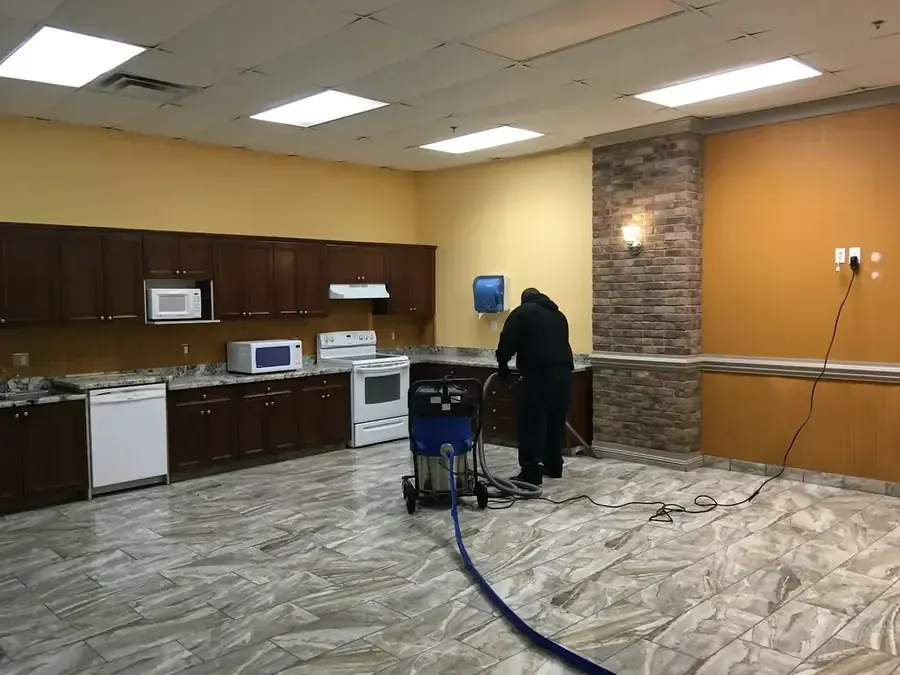
Water Extraction in Bixby
Extractors remove pooled water before the drying equipment tackles moisture inside floors and walls.
Read about water extraction ›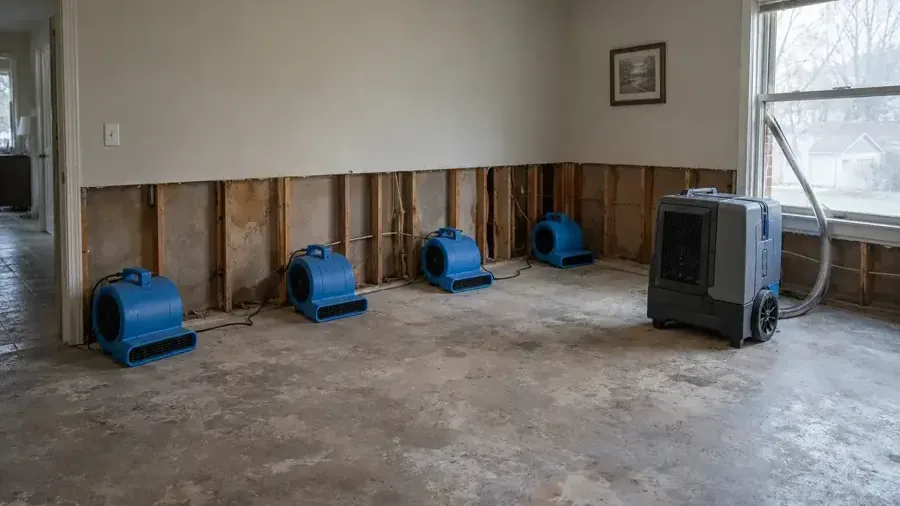
Structural Drying in Bixby
Material readings direct dehumidification until the assembly reaches a defensible drying goal.
Read about structural drying ›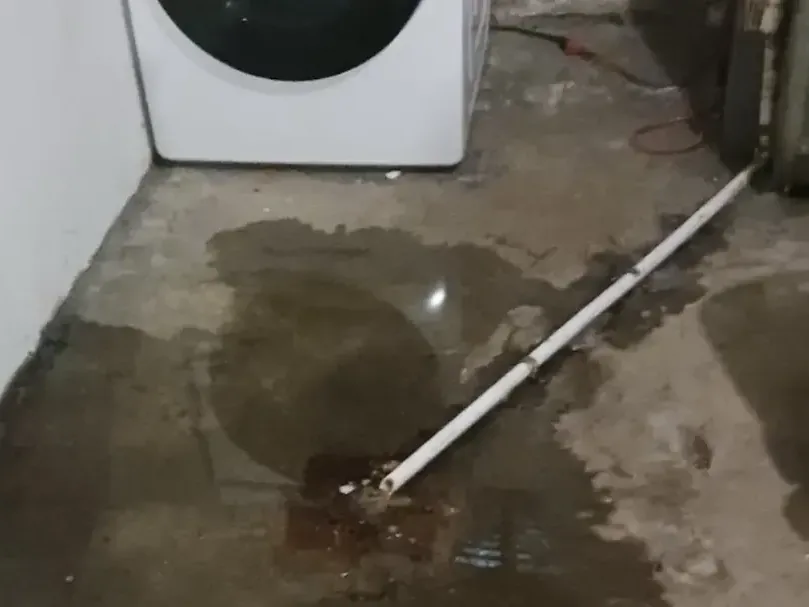
Appliance Leak Water Damage in Bixby
Hidden water beneath cabinets and appliances often demands access below the finished floor.
Read about appliance leak water damage ›Water Heater Leak Cleanup questions in Bixby, OK
Should a homeowner drain or move the leaking heater?
A leaking heater can involve hot water, electrical power or other equipment hazards. The appropriate repair trade should handle safe isolation and movement. Occupants should keep away from unsafe pooling and describe the conditions when requesting help, allowing the cleanup assessment to coordinate material access with the appliance work.
Does a drain pan mean surrounding materials stayed dry?
The assessment should follow where the water actually went. A pan can overflow or fail to capture water released outside its footprint, and nearby material may already be wet. Checking the closet edges, platform and doorway gives a clearer picture than relying on the presence of a pan alone.
Why check the hallway when the tank is in a closet?
Water can pass beneath a threshold or floor covering and reach absorbent layers outside the utility space. The hallway may show little open pooling while its underlayment or carpet padding is wet. The recovery scope follows that connected path so adjoining damage is addressed before the visible closet surfaces are repaired.
Can a replacement tank be installed during cleanup?
The sequence depends on safe access and the condition of the surface beneath the appliance. The repair and cleanup trades should coordinate any opportunity to inspect or dry that area while the tank is removed. The owner should understand which material tasks need completion before the replacement installation limits access again.
What if the leak was discovered after the room dried visibly?
Wall bases, platforms and floor layers can retain moisture after the open surface improves. An assessment can check those accessible materials and identify physical damage such as swelling. The owner should provide the discovery history and any appliance repair information to help connect the remaining material condition with the original spill.
Are nearby stored items part of the plan?
Wet cardboard, textiles and other absorbent belongings can hold moisture or block access around the heater. Their condition should be documented and handling coordinated with the owner. Clearing appropriate items safely helps expose the wet perimeter, while damaged belongings may need separate decisions from the building's extraction and drying work.
Does the cleanup quote include a new heater?
The written scope should state the division explicitly. Appliance diagnosis, repair and replacement are separate from recovering wet floors, walls and adjoining materials unless an estimate specifically includes them. Keeping those charges distinct helps the owner coordinate trades and understand which part of the loss each invoice addresses.
What supports closing the utility area after drying?
The source needs correction, damaged components need a defined repair plan and retained materials need suitable moisture conditions. Documentation should identify areas beneath or behind the equipment that were assessed. That record helps coordinate replacement trim, wall surfaces or platforms without covering damp material simply because the visible puddle is gone.
Coordinate the appliance and the wet building materials
Request an assessment of the utility area and connected rooms before replacement equipment or finishes conceal the affected surfaces.
(888) 619-9509Arrange heater leak material recovery