Water Extraction in Bixby
Water across a room can hide its deepest pockets under furnishings and floor coverings. Extraction starts by identifying the entry source and the surfaces holding moisture.
(888) 619-9509Discuss where the water has collected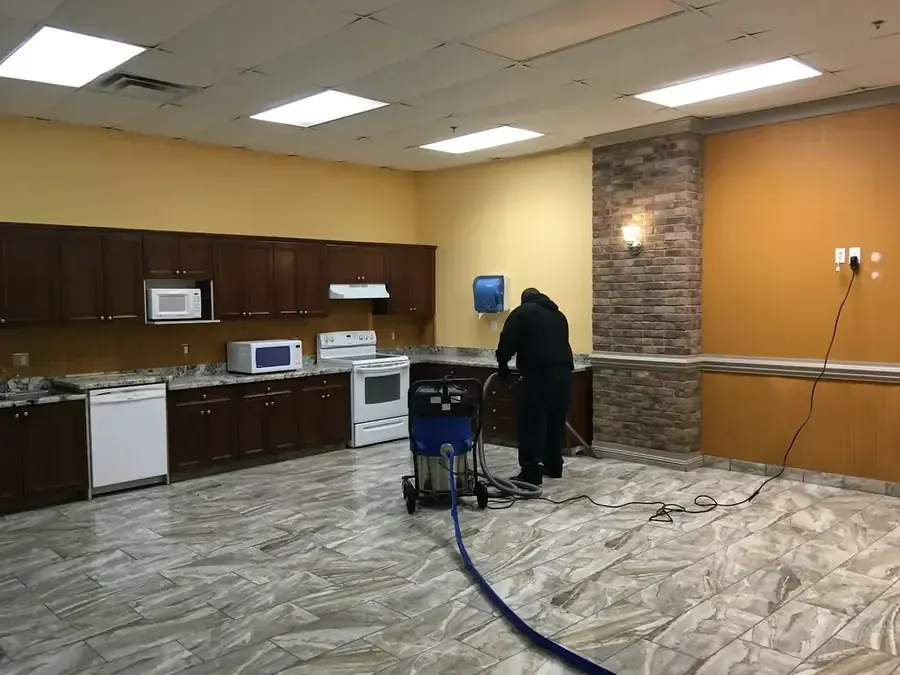
Southtown's flood history includes a report of water entering a resident's home. That kind of outside entry presents a different extraction problem from a supply valve that has already been closed. At a Bixby property, the first useful question is where the water came from and whether that route is still active. The answer shapes access, material handling and equipment placement.
How water extraction progresses
Assess the collection points
The technician identifies where water entered, where it accumulated and which surfaces carry it beyond the obvious puddle. Safe power and equipment access are considered before removal begins.
Remove accessible water
Extraction addresses open pooling and suitable recoverable surfaces, with material handling adjusted to the source and contamination present.
Check beneath the surface
Moisture checks follow floor transitions and adjoining wall bottoms to identify layers needing access or continued drying after extraction.
Set the next phase
The remaining wet materials are listed with cleaning and drying needs so the owner understands what must happen before finish repairs.
First steps for water extraction
- 1Describe the source. Report whether the water entered from outdoors, plumbing or an unknown route, and whether that entry continues.
- 2Protect the access route. Keep occupants away from wet electrical equipment and leave a clear dry approach for the initial room assessment.
- 3Identify absorbent layers. Point out carpet, upholstered items and cabinetry that stood in the water before the open floor was cleared.
- 4Retain the first photographs. Save images of the standing water and damaged contents so the original conditions remain documented after extraction changes the room.
Identify the water before moving it
A clear-looking puddle can conceal contaminated residue or sit above saturated padding. The assessment considers the source and its route through the building, including any contact with drains or outdoor debris. Furniture should stay outside the extraction path once it can be moved safely. Electrical hazards require attention before powered equipment enters the room.
- A stopped indoor leak still needs checks along every connected floor seam.
- Outside floodwater calls for contamination assessment before salvage decisions about absorbent belongings.
- Water beneath cabinets may require access beyond the open area a mop reaches.
- Low spots and thresholds can hold separate pockets after the central room empties.
Brooks Terrace and Johns Park were named in the city's flood-impact advisory. Property access during an active event follows current instructions. Once entry is safe, the extraction plan is based on the actual indoor conditions, including how much water remains and which materials it contacted.
Describe the depth, source and rooms involved so an extraction assessment can focus on the water still inside the building and the layers beneath it.
(888) 619-9509Discuss the pooled waterWork through the floor assembly
Removal usually progresses from open standing water to water held in recoverable surfaces. Carpet, hard flooring and exposed concrete respond differently. A wet covering may conceal another saturated layer, so the room assessment includes edges and transitions. Items that cannot remain should be handled before they obstruct access to materials selected for drying.
- Document wet rooms and establish a safe route for equipment.
- Extract accessible pooling with equipment suited to the water and surface.
- Expose affected hidden layers where the assessment calls for access.
- Check adjoining material and hand the remaining moisture to a drying plan.
Extraction is only one phase of recovery. A room without visible water can retain moisture in wallboard, wood or a subfloor. Structural drying addresses that remaining moisture after the initial removal and necessary cleaning. Keeping these phases distinct makes the estimate and progress reports easier to understand.
Safe access comes first
The restoration crew checks electrical exposure, overhead stability and the water source before entering the wet area. Occupants keep clear of sagging ceilings and contaminated floors. A qualified professional isolates affected circuits from a dry location. These checks precede extraction because standing water can conceal damage that a surface inspection misses.
Make the room's condition easy to document
Photos should capture the original wet footprint and any opened material layers. For a rental, the manager needs a description of both the affected unit and any accessible shared areas. Contents should be recorded before disposal, and source repairs should have their own documentation. This creates a useful account even when no insurance claim is involved.
The amount collected by a machine is less useful for repair planning than the condition left behind. Written notes should identify damp materials, areas that still need access and the next drying steps. At the end of removal, the property owner should understand which surfaces are ready for cleaning and which remain wet below the surface.
- Identify furniture or stored belongings that blocked the original assessment.
- Retain photographs showing water beneath removed trim or floor coverings.
- Record remaining access restrictions before the next trade arrives.
- Keep the extraction scope separate from replacement finish choices.
The town service overview also describes related recovery work when a spill crosses several material types. A connected plan helps prevent a dry-looking room from being closed before its concealed moisture has been addressed.
What does water extraction cost in Bixby, OK?
Water extraction costs in Bixby vary with the wet footprint, the source and the access needed beneath coverings. The ranges below describe removal scopes; remaining material drying and separate repairs need clear identification in the estimate.
Contained room
$500 to $1,000
- Open pooling
- Simple access
- Limited surfaces
Several wet rooms
$1,000 to $2,000
- Connected flooring
- Additional handling
- Broader assessment
Complex removal
$2,000 to $3,000
- Restricted pockets
- Layer access
- Contaminated materials
These planning ranges are estimate only. Water category, affected area, material class and the delay before extraction change the scope. The water damage cost calculator explores those variables.
Careful decisions for water extraction
Rapid local response
The response team assesses active water, access and source control during 24/7 dispatch. Arrival depends on current conditions and the work required at the property.
IICRC S500 drying standard
The drying technician compares wet assemblies with suitable dry references and adjusts dehumidification to the material load. A dry surface alone does not close the job.
Claim-ready documentation
The mitigation team records initial damage, material decisions, equipment and daily readings. The property owner retains a clearer account of the loss for the insurance review.
Local water experts
The contractor checks the actual building and the reported source before choosing a method. Indoor supply releases, contaminated outside water and backed-up drains require different handling.
Water extraction in Bixby
Extraction assessments cover homes and occupied properties around Pecan Park and Riverview Terrace, with access and the indoor water source discussed before removal equipment is positioned.
The same service nearby: water extraction in Sand Springs, Oakhurst, Owasso.
Related water damage services in Bixby
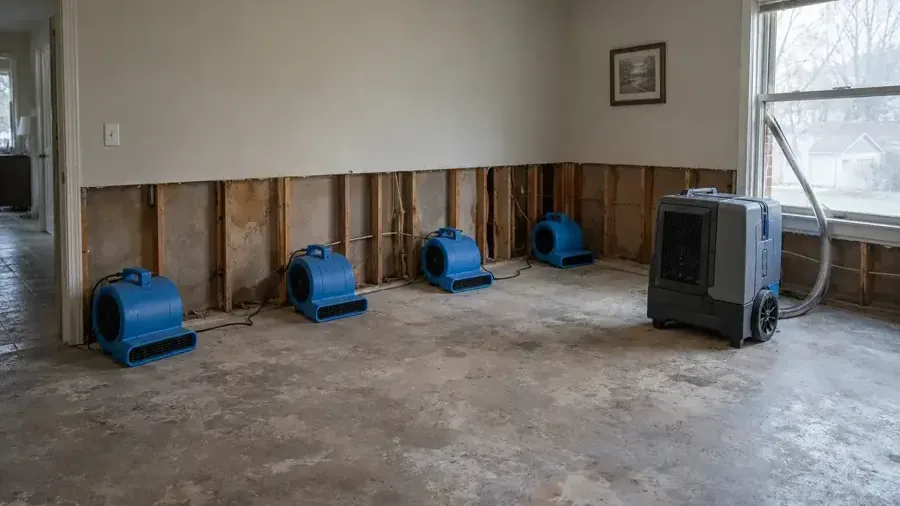
Structural Drying in Bixby
Material readings direct dehumidification until the assembly reaches a defensible drying goal.
Read about structural drying ›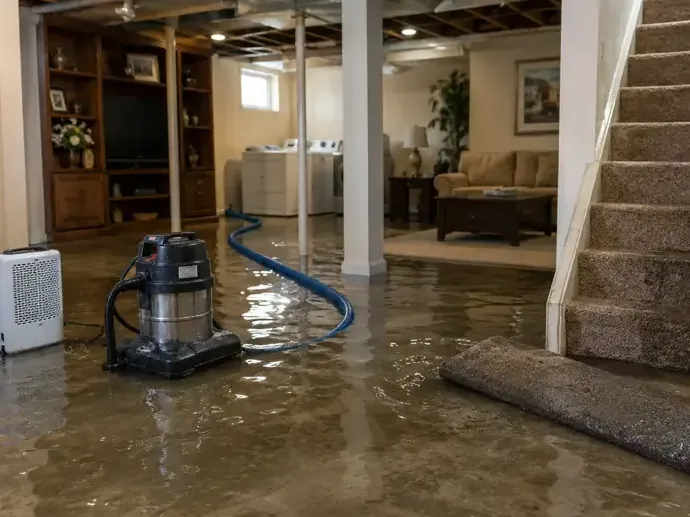
Storm Flood Cleanup in Bixby
Outside water brings sediment and contamination indoors, changing both extraction and material decisions.
Read about storm flood cleanup ›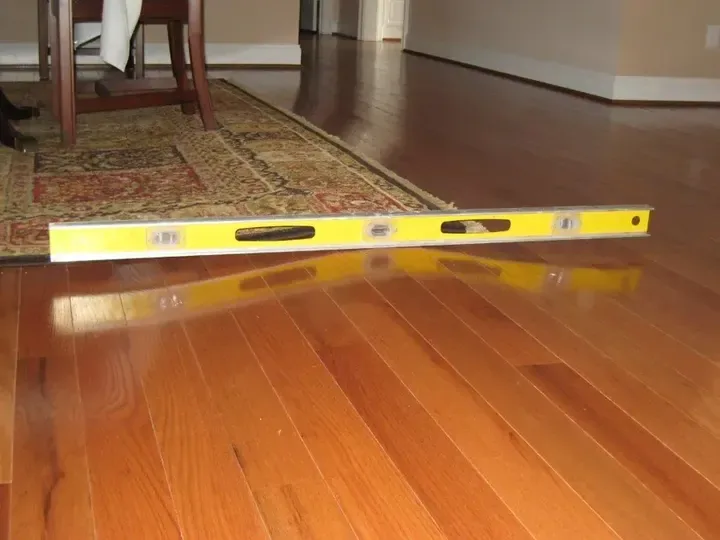
Hardwood Floor Water Damage in Bixby
Board movement and subfloor readings determine whether targeted floor drying remains appropriate.
Read about hardwood floor water damage ›Water Extraction questions in Bixby, OK
Can a household vacuum remove the water?
Equipment must be suitable for liquid pickup, the water source and the conditions around electricity. Ordinary household cleaning equipment may create a hazard or spread contamination. A professional assessment establishes safe access and the appropriate removal method, especially when water has crossed rooms or collected beneath installed materials.
Why is water still appearing after the floor was cleared?
A concealed source may still be active, or soaked materials may release water back into the open area. The assessment should revisit supply control and connected cavities instead of simply repeating surface pickup. Identifying that route helps determine whether additional repair, access or extraction is needed before the drying phase.
Does every wet carpet need to be discarded?
The water source, exposure and condition of each layer determine the practical options. Carpet and padding can have different recovery prospects. Contaminated absorbent materials require particular care, while some suitable clean-water losses can be evaluated for extraction and drying. The decision belongs in the written material assessment for that room.
Should furniture be moved before the technician arrives?
Occupants should avoid entering unsafe water or moving heavy wet objects. Accessible belongings can be documented from dry ground, and the initial discussion can identify what blocks the room. Furniture handling should avoid carrying contamination into unaffected areas or damaging a weakened floor while attempting to clear the extraction path.
How is extraction different from dehumidification?
Extraction removes bulk liquid from the room and suitable surfaces. Dehumidification manages moisture in the air as damp materials release it during drying. Both may be needed in the same recovery, but they serve different purposes. Material readings help determine what remains after the visible puddle has been removed.
Can occupied rooms next to the spill stay in use?
That depends on the water source, building layout, electrical conditions and ability to isolate the affected area. A doorway alone may not separate connected wet flooring or contamination. The assessment should establish a safe occupied boundary and keep equipment routes from creating additional hazards for residents or staff.
What should a property manager provide?
The manager should identify the source repair status, available keys and any units or shared rooms that may connect to the wet area. Authorization for access and material decisions helps keep work organized. A record of tenant observations can also identify when water first appeared and how it moved through the property.
What marks the end of the removal stage?
Accessible standing water has been removed, affected materials have been assessed and remaining moisture has a defined next step. Completion of extraction does not automatically make a room ready for reconstruction. The handoff should identify necessary cleaning, hidden access and drying work before any new finish conceals the affected assembly.
Plan removal around the actual room
Arrange an assessment of standing water, affected floor coverings and the access needed to begin the recovery sequence safely.
(888) 619-9509Request an extraction assessment