Hardwood Floor Water Damage in Bixby
Raised board edges or a changing floor shape can signal moisture beneath the finish. Recovery needs an assessment of the installed wood and supporting layers before sanding or replacement decisions are made.
(888) 619-9509Describe the changes in the wood floor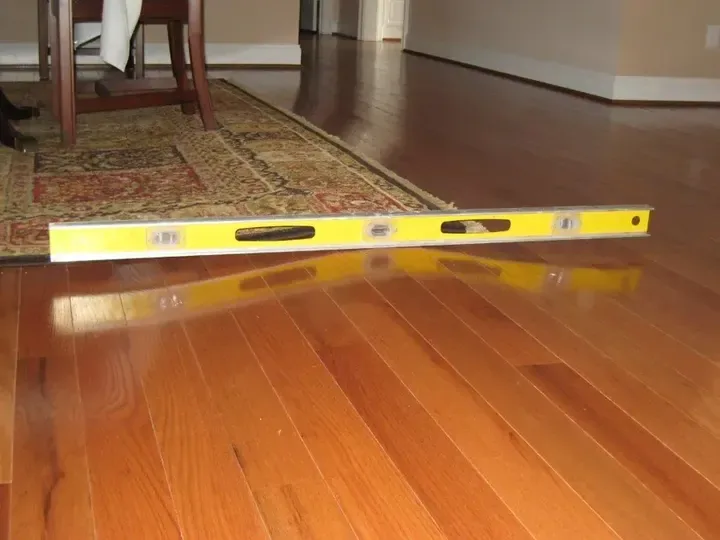
A wet wood floor can change shape as its layers take up moisture unevenly. The visible boards are only part of that assembly. Hardwood floor water damage assessment in Bixby considers the flooring product, attachment, water source and subfloor together so a cosmetic decision does not get ahead of the recovery needed beneath the walking surface.
How hardwood floor water damage progresses
Assess the installed floor system
The inspection identifies flooring type, attachment and supporting layers alongside exposure and board changes, establishing recovery options and where hidden access is needed.
Locate moisture through the layers
Measurements and accessible inspection follow the floor into adjoining areas and the subfloor, distinguishing surface wetness from moisture trapped beneath the boards.
Apply a suitable recovery approach
Drying or selective removal is chosen for the actual construction and exposure, with progress recorded before any claim is made about remaining physical floor condition.
Coordinate the flooring trade's decision
The handoff describes material conditions and damage so refinishing, board replacement or substrate repair can be planned after the affected assembly has been assessed adequately.
First steps for hardwood floor water damage
- 1Record the floor's changing shape. Photograph raised edges and lifting boards from safe ground before furniture or temporary coverings hide the floor changes.
- 2Describe the water exposure. Identify the source and discovery sequence, including wet rugs, cabinets or neighboring rooms connected to the damaged floor.
- 3Identify the installed product. Provide flooring details and identify accessible edges or underfloor space that can help reveal the supporting layers.
- 4Delay cosmetic alteration. Delay sanding and refinishing until the flooring trade assesses suitable moisture conditions and the physical damage remaining.
Understand the floor before choosing a treatment
Bixby had 11,043 housing units in the 2020 census, with both owner-occupied and rented homes represented. The installed floor still needs direct assessment at each property. Solid boards, layered products and different supporting materials can offer different recovery options, particularly when water has entered beneath the finish or damaged the bond between components.
- Raised edges can indicate uneven moisture through the board or supporting layers.
- Separated layers or lost adhesion may leave damage that drying cannot reverse.
- Water beneath a rug can extend beyond the patch visible from above.
- Contamination affects whether an installed wood assembly is suitable for recovery.
At a home in Riverview Terrace, the owner can describe the water source and when the board profile changed. A rental in Village Ten needs the same observations plus management authorization for any opening or removal. The assessment should identify the actual construction before proposing a floor-wide response to a localized visible change.
Floor movement deserves attention to the boards and the supporting layers together. Describe the water exposure, visible shape changes and any access beneath the floor when arranging the material assessment.
(888) 619-9509Discuss the affected wood assemblyFind moisture beneath the walking surface
A surface wipe removes water that has not entered the assembly. Moisture beneath boards or at a subfloor joint requires another level of assessment. Access from an edge or below may be useful where the building permits it, while other installations need selective removal to understand the condition of the concealed layers.
- Record the product, water exposure and visible movement in the boards.
- Assess accessible subfloor and connected wall or threshold moisture.
- Select appropriate recovery access for sound retained floor components.
- Coordinate finish decisions after the assembly reaches suitable material conditions.
Near Main Street, the caller can identify whether the affected floor continues into other rooms or sits above an accessible underfloor area. Those connections matter because water can travel beyond a single board section. Crawl space water removal may be relevant when the underside of the floor was also exposed.
Safe access comes first
The restoration crew checks electrical exposure, overhead stability and the water source before entering the wet area. Occupants keep clear of sagging ceilings and contaminated floors. A qualified professional isolates affected circuits from a dry location. These checks precede extraction because standing water can conceal damage that a surface inspection misses.
Keep sanding and replacement decisions in sequence
Sanding an uneven floor before moisture conditions stabilize can create a poor result as the boards continue changing. The flooring trade should assess the final shape and product limitations after recovery. Some damaged components need replacement; others may remain suitable for later finish work once the full assembly has been evaluated.
Structural drying provides material tracking for suitable retained components. Floor-specific equipment and access decisions still depend on the installed construction and exposure. The owner should receive a clear explanation of expected assessment steps without a promise that every wet board will return to its earlier shape.
- Photograph board movement before any sanding or selective removal begins.
- Identify the subfloor material and any access available beneath it.
- Record contamination and physical damage separately from moisture readings.
- Keep refinishing and replacement choices distinct from the initial recovery scope.
A useful handoff gives the flooring trade the exposure history, retained material conditions and areas selected for repair. That supports a decision about matching boards, repairing the substrate or refinishing an area after moisture recovery has been addressed across the affected floor layers.
The result should be an informed repair plan for the actual floor, with concealed moisture and visible movement considered together before a new finish covers the surface.
What does hardwood floor water damage cost in Bixby, OK?
Hardwood floor water damage costs in Bixby depend on product construction, hidden moisture and the access needed beneath boards. The recovery estimate should distinguish material drying from later refinishing, substrate repair or replacement choices.
Limited clean-water area
$1,200 to $2,200
- Focused assessment
- Accessible edges
- Localized recovery
Several wet floor layers
$2,200 to $3,800
- Subfloor moisture
- Layer access
- Broader tracking
Complex floor recovery
$3,800 to $5,500
- Restricted assembly
- Physical movement
- Coordinated removal
These planning ranges are estimate only. Water category, affected area, material class and the delay before extraction change the scope. The water damage cost calculator explores those variables.
Careful decisions for hardwood floor water damage
Rapid local response
The response team assesses active water, access and source control during 24/7 dispatch. Arrival depends on current conditions and the work required at the property.
IICRC S500 drying standard
The drying technician compares wet assemblies with suitable dry references and adjusts dehumidification to the material load. A dry surface alone does not close the job.
Claim-ready documentation
The mitigation team records initial damage, material decisions, equipment and daily readings. The property owner retains a clearer account of the loss for the insurance review.
Local water experts
The contractor checks the actual building and the reported source before choosing a method. Indoor supply releases, contaminated outside water and backed-up drains require different handling.
Hardwood floor water damage in Bixby
Wood floor assessments can be arranged around Pecan Park and Southtown Estates, with the installed flooring, water source and access to supporting layers discussed before recovery options are considered.
The same service nearby: hardwood floor water damage in Sand Springs, Oakhurst, Owasso.
Related water damage services in Bixby
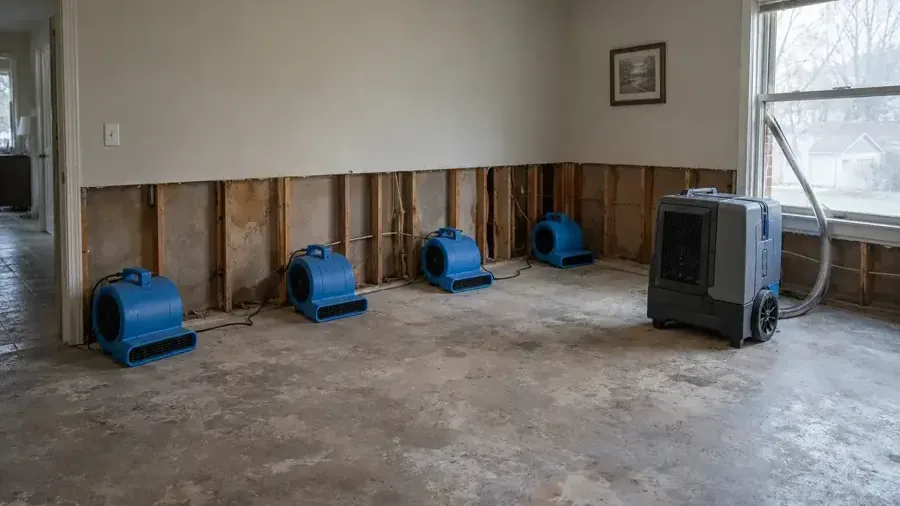
Structural Drying in Bixby
Material readings direct dehumidification until the assembly reaches a defensible drying goal.
Read about structural drying ›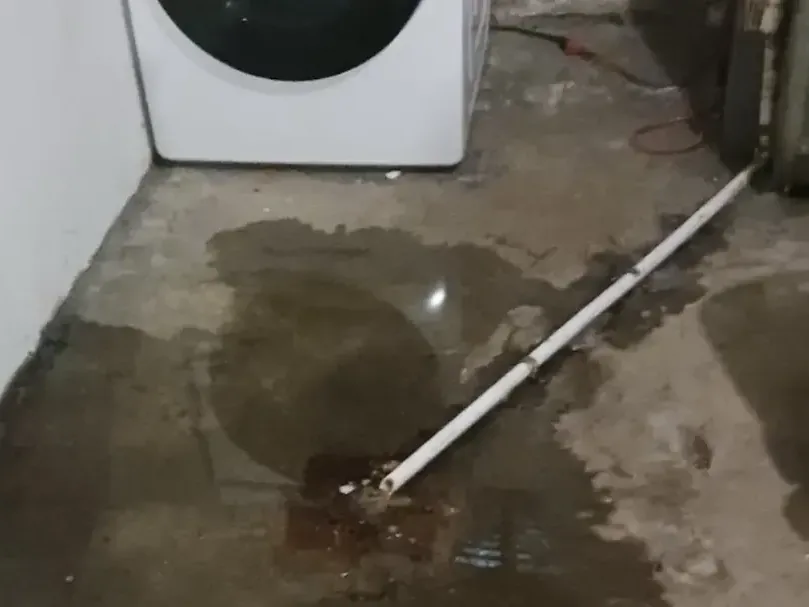
Appliance Leak Water Damage in Bixby
Hidden water beneath cabinets and appliances often demands access below the finished floor.
Read about appliance leak water damage ›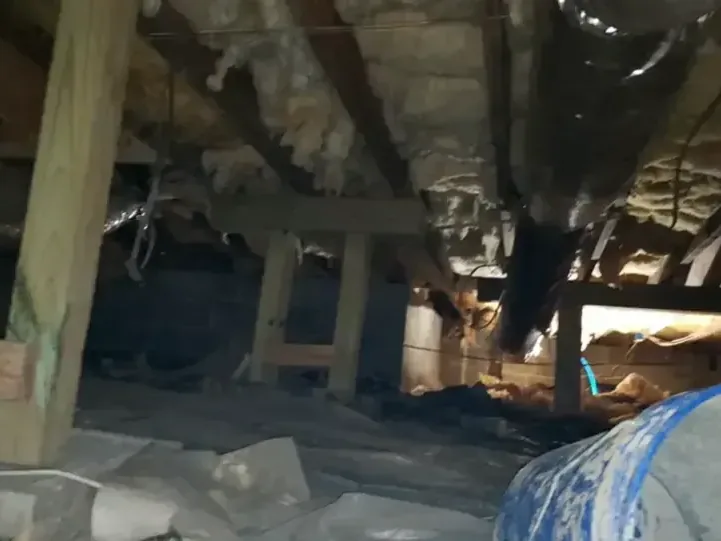
Crawl Space Water Removal in Bixby
Underfloor pumping comes with checks of joists, insulation and the moisture beneath the building.
Read about crawl space water removal ›Hardwood Floor Water Damage questions in Bixby, OK
Can cupped boards flatten as the floor dries?
Some board movement can change as moisture conditions improve, but the outcome depends on the product, exposure and physical damage. The assessment should track the assembly before a finish decision is made. Drying cannot be treated as a promise that every board will regain its previous shape or remain suitable for refinishing.
Why should sanding wait after a water loss?
The board profile may continue changing while moisture moves through the wood and supporting layers. Sanding before those conditions stabilize can remove material based on a temporary shape. The flooring trade should assess the recovered assembly and remaining damage before deciding whether sanding, localized repair or replacement is the appropriate next step.
Does a dry top surface mean the subfloor is ready?
Moisture can remain below the boards or within the supporting layer after the walking surface improves. The assessment needs suitable access and measurements for those concealed components. A replacement or refinishing decision should consider the entire affected assembly, especially where water traveled through joints or beneath continuous flooring into another room.
Can every wood flooring product use the same drying method?
Construction, attachment and material condition affect the options. A layered product with separation may need a different response from sound solid boards, and access to the subfloor also matters. The recovery plan should identify the actual installation and water exposure before selecting equipment or assuming that a particular method will suit the floor.
What if floodwater contacted the boards?
The contamination and contact depth need assessment alongside the wood's physical condition. Some assemblies may require removal because cleaning cannot adequately reach the affected layers. The owner should receive a clear material decision that considers exposure, access and damage rather than treating all wet wood as a clean-water drying project.
Should rugs remain over the damaged area?
Wet rugs can hold moisture against the floor and obscure changes in the boards. Their handling should account for the water source and safe movement without spreading contamination. Once appropriate access is established, the exposed floor can be documented and assessed, including any moisture pattern that extends beyond the rug's original footprint.
Can the assessment include the room below the floor?
An accessible lower ceiling or underfloor space may reveal moisture in the supporting assembly. That information can help define recovery options and the extent of connected damage. Access should be coordinated with the owner or manager, and any opening should have a stated purpose with its later repair needs explained.
What should the flooring contractor receive after recovery?
Useful information includes the water source, product observations, removed sections and retained material conditions. The contractor also needs to identify any separate installation requirements for replacement products or finish work. A clear handoff keeps substrate repair, board matching and refinishing decisions connected to the actual condition of the recovered floor.
Plan floor repairs after moisture recovery
Request an assessment that connects concealed wetness with practical drying, removal and later flooring repair decisions for the affected rooms.
(888) 619-9509Arrange a hardwood damage assessment