Structural Drying in Bixby
Removing visible water changes the room quickly; moisture inside its materials can remain. Structural drying follows those retained layers with measurements, controlled airflow and humidity management before repair work covers them.
(888) 619-9509Discuss the materials still holding moisture
Southtown's reported indoor floodwater illustrates why removal and recovery are separate stages. Once standing water has left a Bixby room, moisture can remain within the floor, wall junctions and framing. Structural drying focuses on the materials selected to stay, after required contamination work and removal have created suitable conditions for equipment to operate effectively.
How structural drying progresses
Establish a material record
The assessment identifies the affected components and useful comparison locations, accounting for construction, contamination work and source correction before setting the equipment arrangement for the retained assembly.
Create effective drying access
Necessary openings or removal expose wet layers that would otherwise remain shielded, with the reason and resulting repair need explained to the owner.
Track and adjust the environment
Airflow and humidity management are evaluated alongside material readings, allowing equipment changes to respond to the way the actual structure releases moisture.
Document the transition to repair
The final record describes retained components and their condition, while identifying any separate substrate or installation checks required before the next finish is applied.
First steps for structural drying
- 1Confirm that water entry stopped. Provide source repair details and signs of renewed wetting so the drying assessment accounts for any continuing water entry.
- 2Describe retained materials. Identify retained wall, floor and framing components, including inaccessible wet areas that may need an assessment opening.
- 3Keep equipment placement consistent. Leave equipment in its arranged position and discuss comfort or access concerns with the responsible contact before moving it around the room.
- 4Ask about repair readiness. The final discussion should connect material readings with the next trade's work and identify any installation requirements that still need separate checking.
Measure the assembly that will remain
Wood, wallboard and concrete do not release moisture in identical ways. A dense floor layer can respond differently from exposed trim, and a concealed cavity may need access before useful drying is possible. The assessment identifies the material, its condition and the measurement locations so later readings describe progress in the same affected components.
- Surface appearance should be considered alongside readings from accessible retained material.
- Layered flooring may conceal moisture at an interface below the exposed finish.
- Insulation or damaged coverings can prevent airflow from reaching the wet structure.
- A continuing source must be corrected before the equipment can achieve stable progress.
Riverview Terrace and Southwood South appeared on the city's flood-impact advisory. At an individual property, the drying scope is built from the indoor assessment. A room affected by outside water needs its cleaning and removal sequence completed appropriately before airflow is directed across the components retained for recovery.
Visible improvement can leave questions about the layers beneath it. Describe the materials that stayed wet, the source repair and any inaccessible area so drying can be assessed as a measurable part of recovery.
(888) 619-9509Discuss retained material moistureMatch equipment to the way moisture leaves
Air movement supports evaporation at exposed surfaces, while dehumidification manages moisture released into the room. These functions need to work together. Equipment quantity alone says little about the result if airflow cannot reach the material or humid air remains trapped in an unsuitable work area. Measurements help identify when an adjustment is needed.
- Record the affected materials and establish useful measurement locations.
- Confirm source control, required cleaning and access to retained layers.
- Position drying equipment for the actual assembly and occupied-space constraints.
- Reassess material response and document conditions before equipment removal.
Equipment should remain in its planned arrangement unless the responsible technician changes it. Moving an air mover to make a room quieter can redirect airflow away from the wet edge it was serving. A property contact should discuss access, sound and power concerns so the plan can accommodate them without losing track of the recovery objective.
Safe access comes first
The restoration crew checks electrical exposure, overhead stability and the water source before entering the wet area. Occupants keep clear of sagging ceilings and contaminated floors. A qualified professional isolates affected circuits from a dry location. These checks precede extraction because standing water can conceal damage that a surface inspection misses.
Use progress records to plan the next trade
A drying record should be readable as a sequence of material conditions. It should identify which components improved, where moisture persisted and what changed in response. If an inaccessible pocket is suspected, the owner needs an explanation of the additional access proposed and how that affects the later repair scope.
Water extraction handles the initial liquid, while hardwood floor recovery may add product-specific concerns when boards and their supporting layers are involved. The drying handoff should make those distinctions clear rather than treating every finish as ready at the same moment.
- Identify retained material and the locations used for repeat readings.
- Explain any removal needed to reach a concealed damp layer.
- Record equipment changes with the material condition that prompted them.
- List installation checks the finish trade still needs to complete.
Reconstruction follows suitable material conditions and any additional requirements of the chosen finish. A clear record allows the owner to coordinate that transition, with the recovered assembly understood before new surfaces conceal its interior again.
What does structural drying cost in Bixby, OK?
Structural drying costs in Bixby depend on the retained materials, concealed access and the equipment needed to manage their moisture. The scope should identify the affected assembly and monitoring work, with removal and reconstruction described separately where applicable.
Limited exposed assembly
$1,000 to $1,800
- Open framing
- Focused airflow
- Material tracking
Several wet materials
$1,800 to $3,200
- Mixed components
- Humidity control
- Repeated assessment
Dense or concealed loss
$3,200 to $5,000
- Layered moisture
- Restricted access
- Equipment adjustment
These planning ranges are estimate only. Water category, affected area, material class and the delay before extraction change the scope. The water damage cost calculator explores those variables.
Careful decisions for structural drying
Rapid local response
The response team assesses active water, access and source control during 24/7 dispatch. Arrival depends on current conditions and the work required at the property.
IICRC S500 drying standard
The drying technician compares wet assemblies with suitable dry references and adjusts dehumidification to the material load. A dry surface alone does not close the job.
Claim-ready documentation
The mitigation team records initial damage, material decisions, equipment and daily readings. The property owner retains a clearer account of the loss for the insurance review.
Local water experts
The contractor checks the actual building and the reported source before choosing a method. Indoor supply releases, contaminated outside water and backed-up drains require different handling.
Structural drying in Bixby
Drying assessments can be arranged for properties around Johns Park and Village Ten, with the water source, cleaning status and retained building materials defining the equipment and monitoring plan.
The same service nearby: structural drying in Sand Springs, Oakhurst, Owasso.
Related water damage services in Bixby
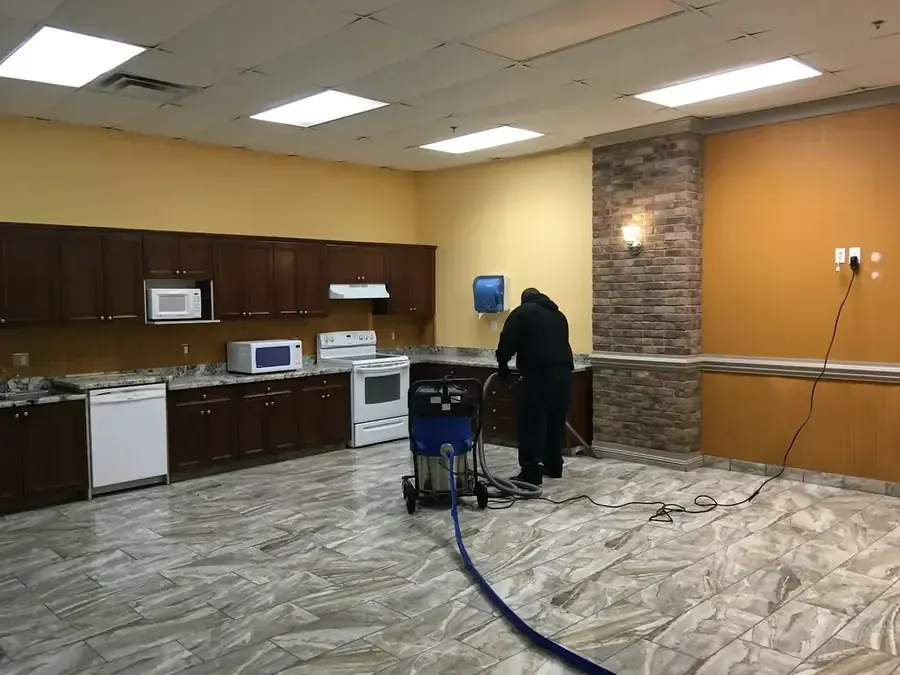
Water Extraction in Bixby
Extractors remove pooled water before the drying equipment tackles moisture inside floors and walls.
Read about water extraction ›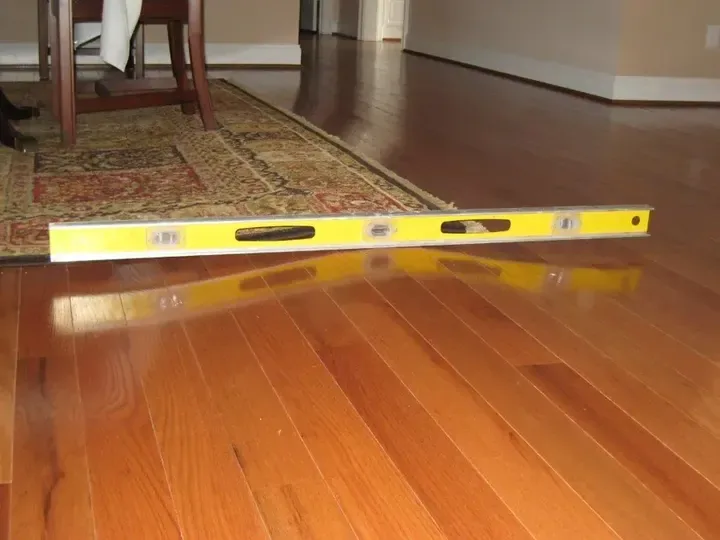
Hardwood Floor Water Damage in Bixby
Board movement and subfloor readings determine whether targeted floor drying remains appropriate.
Read about hardwood floor water damage ›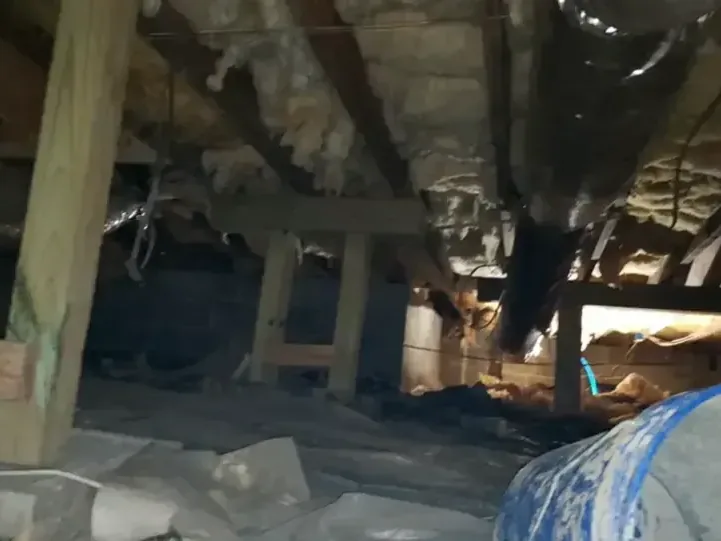
Crawl Space Water Removal in Bixby
Underfloor pumping comes with checks of joists, insulation and the moisture beneath the building.
Read about crawl space water removal ›Structural Drying questions in Bixby, OK
How is structural drying different from making the room feel dry?
Room comfort describes the air people experience, while structural drying addresses moisture held in building materials. The two can change at different rates. A room may feel comfortable while a subfloor or concealed wall edge remains wet, so the work needs material readings alongside observations of the indoor environment.
Why does the same wall get measured again?
Repeat measurements at useful locations help show whether the retained component is responding. A single reading describes one moment and may miss moisture deeper in the assembly. Tracking the same areas lets the technician identify progress, persistent wetness or a reason to change access and equipment before the room is rebuilt.
Can equipment be moved to make a walkway wider?
Access needs should be discussed with the responsible contact before equipment is repositioned. A unit may be directing airflow at a specific wet surface or supporting the room's humidity plan. The arrangement can be reconsidered to accommodate occupants, but changes should preserve the intended treatment of the affected materials and safe movement through the space.
Does every wet material respond at the same speed?
Different thicknesses, coverings and material types release moisture differently. Exposed trim may improve while a dense or layered floor remains wet. The drying plan should account for those differences and avoid using the appearance of one component to decide that an entire room is ready for finish repairs or equipment removal.
Why might another opening be needed after drying starts?
Persistent readings can indicate that a concealed layer remains inaccessible or another source is adding moisture. The assessment should explain the finding and the purpose of proposed access. A targeted opening may allow inspection and treatment of that area, with its repair implications included in the revised scope rather than left unexplained.
Does drying alone handle contamination from outside water?
Contamination handling and required cleaning need their own sequence before suitable retained materials are dried. Airflow should not be used as a substitute for removing damaged absorbent components or cleaning affected surfaces. The recovery record should identify those tasks so the drying phase begins with a clear account of what remains in the building.
Can new flooring be ordered before drying is complete?
Product selection and scheduling can be discussed, but installation depends on suitable substrate conditions and the chosen product's requirements. The finish trade may need additional checks beyond the recovery readings. Coordination helps keep the next step practical without treating an expected completion date as proof that the floor assembly is ready.
What information belongs in the drying handoff?
The owner should receive a description of the retained materials, measurement observations and any access or equipment changes that affected the work. The handoff should also identify remaining repairs and separate installation checks. This connects the moisture recovery phase to the next trade's decisions about closing walls, replacing trim or installing flooring.
Know what supports the next repair step
Arrange a drying assessment that links equipment decisions with the condition of the wall, floor or framing that will remain.
(888) 619-9509Request a structural moisture assessment