Structural Drying in Owasso
A clear floor can still cover a wet assembly. Structural drying uses measurements and targeted access to manage moisture in retained materials after the visible water has been removed from rooms.
(888) 619-9509Discuss the materials that remain wet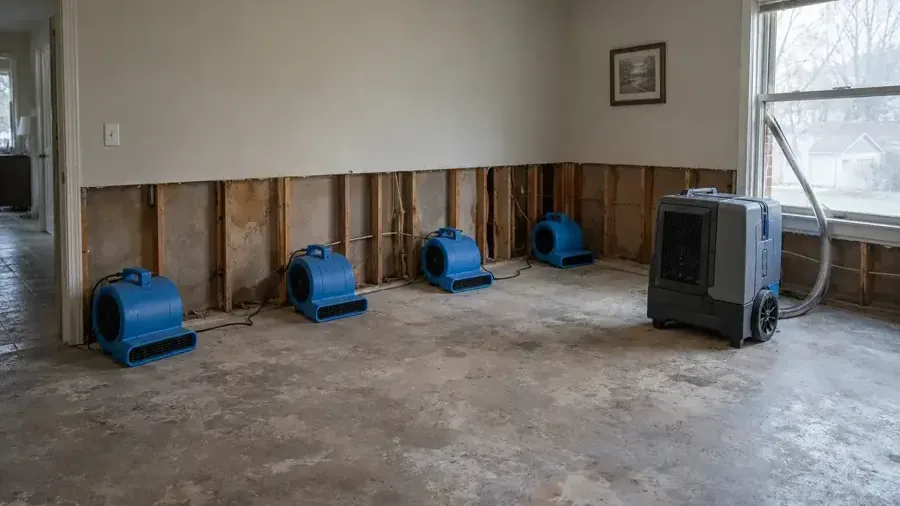
Owasso had 14,415 households at the 2020 Census, including both owner and renter occupied homes. After water damage, the people approving work and the people occupying a room may be different. A structural drying plan should therefore make access, equipment operation and progress records understandable to the owner, resident and manager involved.
How structural drying progresses
Establish measurement points
The initial record connects wet materials with their locations and suitable comparison areas. Access restrictions and construction layers are documented so later readings can be interpreted in the same context.
Arrange the drying environment
Equipment is positioned for exposed surfaces, safe circulation and the material scope, with operating expectations explained to the responsible property contact.
Respond to material changes
Monitoring identifies progress and sections that need further access or adjustments, keeping the drying plan tied to actual moisture behavior in the assembly.
Record the closure condition
The completed record states the drying objective, material results and remaining reconstruction needs so the owner can coordinate finish work from a defined condition.
First steps for structural drying
- 1Identify the retained assembly. The assessment names the affected wall, floor or framing materials and records how those materials can be accessed for moisture checks.
- 2Set practical access rules. The owner, manager and occupants agree on equipment routes and room use so the planned drying arrangement can remain effective during occupancy.
- 3Compare measured progress. Readings at identified locations show changes in material moisture and help explain whether equipment placement or access needs to be adjusted.
- 4Prepare the next trade. The final notes describe retained material conditions, removed finishes and outstanding repair work before reconstruction covers the affected assembly again.
Measure the assembly that will remain
Water extraction changes the room quickly, but moisture within wood, wall material or floor layers can remain. The assessment identifies what will be retained and how its condition can be checked. Suitable unaffected material can provide a comparison while the drying objective is established for the wet assembly.
- Identify each affected material instead of treating the room as one surface.
- Mark measurement locations so changes can be followed at comparable points.
- Record barriers that prevent airflow or access to concealed wet layers.
- Explain which finishes need removal to expose the materials intended for retention.
At The Village, access planning may involve management and residents around occupied rooms. The equipment arrangement should preserve a suitable route and explain which doors or spaces need to remain in the planned configuration. Changes made during occupancy can affect drying conditions, so coordination belongs in the work instructions.
Describe the materials still wet after removal and any access limits around them. A drying assessment can establish measurement points, equipment needs and a practical plan for occupied rooms.
(888) 619-9509Discuss moisture remaining in the assemblyAdjust equipment to the moisture response
Air movement supports evaporation from accessible surfaces, while dehumidification manages moisture in the surrounding air. The appropriate arrangement depends on the materials and the space. Readings over time show whether the plan is working or whether a concealed section needs better exposure, a different setup or additional investigation.
- Establish the initial moisture condition and the retained material scope.
- Arrange equipment around safe access and exposed drying surfaces.
- Compare later measurements with the starting record and drying objective.
- Explain adjustments when an assembly responds differently from neighboring materials.
A Redbud District office can require a schedule that accommodates unaffected operations without disturbing the drying area. Stone Canyon campus space likewise calls for a plan specific to the occupied building. The manager should understand equipment access, inspection visits and the limits on using affected spaces while measurements are still being tracked.
Safe access comes first
The restoration crew checks electrical exposure, overhead stability and the water source before entering the wet area. Occupants keep clear of sagging ceilings and contaminated floors. A qualified professional isolates affected circuits from a dry location. These checks precede extraction because standing water can conceal damage that a surface inspection misses.
Base closure on the material record
The decision to remove equipment should follow the retained material condition, source status and drying objective. A room may look orderly long before a concealed layer is ready to be covered. The assessment should identify those differences so reconstruction does not hide a wet section still requiring attention.
At completion, the owner should receive an account of measurement locations, removed materials and remaining repairs. The hardwood floor page discusses wood finish considerations, while the slab leak page explains coordinating source access with layered floor damage.
- Keep equipment operating changes connected to the documented drying plan.
- Record sections that required additional exposure during the process.
- Separate completion of drying from the replacement of damaged finishes.
- Provide the next trade with readings relevant to the retained assembly.
A useful drying handoff answers a practical question for each affected section: what condition was reached, what remains open and what needs to happen before that surface is covered or returned to its intended use.
What does structural drying cost in Owasso, OK?
Structural drying costs in Owasso reflect material density, concealed layers, access and monitoring needs. These ranges describe drying scopes after assessment; source repairs, extensive material removal and rebuilding should be identified separately when comparing the complete recovery estimate.
Limited exposed assembly
$1,000 to $1,800
- Clear access
- Few materials
- Focused monitoring
Several wet materials
$1,800 to $3,200
- Mixed assemblies
- Equipment adjustments
- Room coordination
Dense or concealed loss
$3,200 to $5,000
- Restricted layers
- Additional exposure
- Detailed measurement record
These planning ranges are estimate only. Water category, affected area, material class and the delay before extraction change the scope. The water damage cost calculator explores those variables.
Careful decisions for structural drying
Rapid local response
The response team assesses active water, access and source control during 24/7 dispatch. Arrival depends on current conditions and the work required at the property.
IICRC S500 drying standard
The drying technician compares wet assemblies with suitable dry references and adjusts dehumidification to the material load. A dry surface alone does not close the job.
Claim-ready documentation
The mitigation team records initial damage, material decisions, equipment and daily readings. The property owner retains a clearer account of the loss for the insurance review.
Local water experts
The contractor checks the actual building and the reported source before choosing a method. Indoor supply releases, contaminated outside water and backed-up drains require different handling.
Structural drying in Owasso
Drying assessments in Owasso include The Village, Redbud District offices and Stone Canyon settings, with measurement access and equipment placement tailored to the affected building.
The same service nearby: structural drying in Sand Springs, Sperry, Oakhurst.
Related water damage services in Owasso
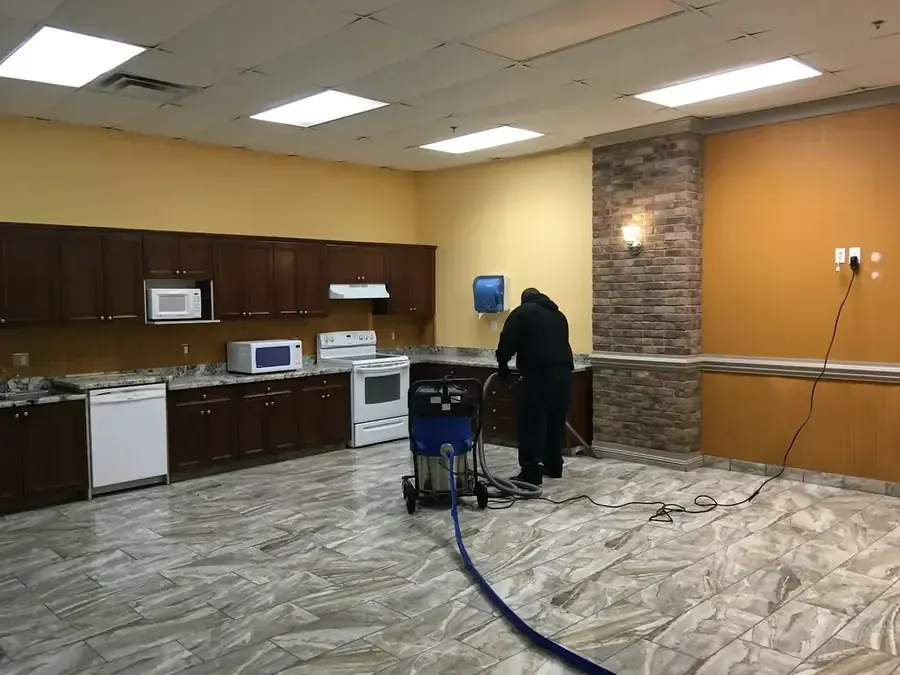
Water Extraction in Owasso
Extractors remove pooled water before the drying equipment tackles moisture inside floors and walls.
Read about water extraction ›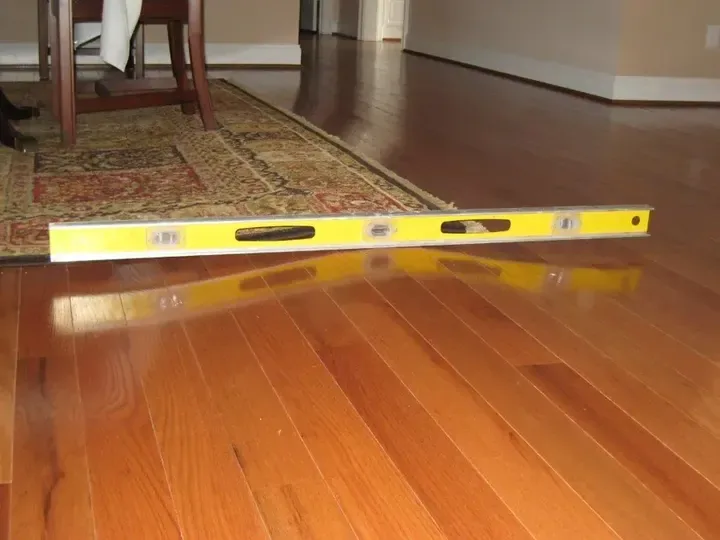
Hardwood Floor Water Damage in Owasso
Board movement and subfloor readings determine whether targeted floor drying remains appropriate.
Read about hardwood floor water damage ›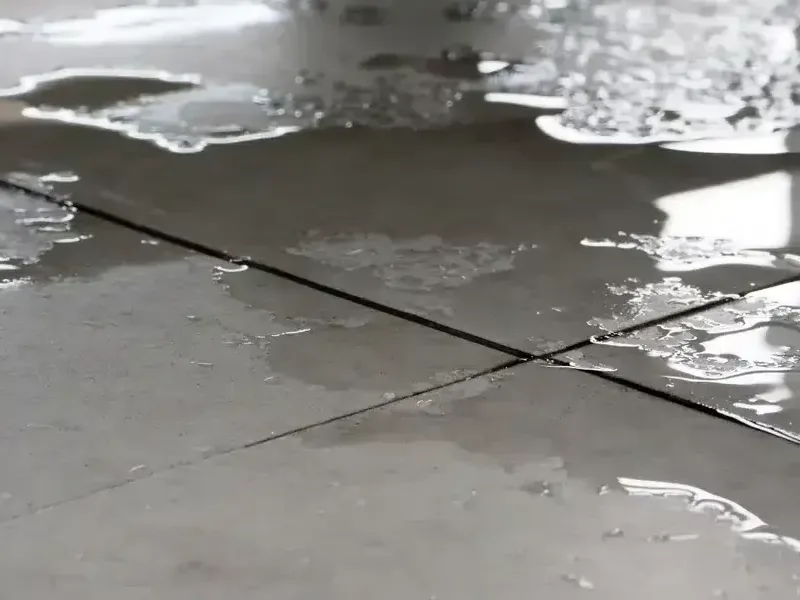
Slab Leak Water Damage in Owasso
Moisture beneath flooring needs a mapped drying plan after a plumber controls the concealed supply leak.
Read about slab leak water damage ›Structural Drying questions in Owasso, OK
Why dry a room after standing water has been removed?
Extraction removes accessible water, while retained materials can still hold moisture within their thickness or beneath a finish. Structural drying addresses that remaining moisture. The assessment identifies which assemblies are affected and how their condition will be measured, giving the owner a basis for deciding when repair work can proceed.
Does every material need the same drying approach?
Materials differ in thickness, absorbency and how readily moisture can reach an exposed surface. Layered flooring may behave differently from open framing or wall material. The drying plan should identify those differences and explain access or equipment choices, with readings used to evaluate the response of each retained assembly.
Can occupants switch equipment off for part of the day?
Equipment operation should follow the agreed drying plan. Interruptions can change conditions and make progress harder to assess. Occupants should raise noise, access or use concerns with the responsible contact so the arrangement can be adjusted deliberately. Operating changes should be recorded alongside the moisture measurements rather than made without coordination.
What if one wall section remains wetter than the rest?
The slower section needs assessment of its material layers, exposure and possible continuing source. Additional access or a different equipment arrangement may be required. The explanation should connect that adjustment with the readings at the location, helping the owner understand why the whole room cannot be judged by its driest surface.
How is drying managed in an occupied apartment?
Management and residents should agree on entry for measurements, protected routes and the room conditions needed for the equipment setup. Clear instructions help prevent furniture, doors or stored items from blocking the planned airflow. The progress record should remain understandable to everyone coordinating the building work and the occupied space.
Is the drying target just a surface reading?
The objective should reflect the retained material and the assembly being treated. Surface appearance and a single accessible reading may not describe concealed layers. The assessment should identify measurement locations, suitable comparisons and any access limits, then explain how those observations support the decision to continue drying or proceed with repairs.
Does drying restore every damaged finish?
Drying reduces retained moisture but does not reverse all physical damage. Swollen, separated or otherwise deteriorated finishes may still require replacement. The final record should distinguish the condition of retained construction from the finish repairs remaining, so the owner can coordinate reconstruction without confusing a dry assembly with a fully restored room.
What should a flooring or repair trade receive?
Useful handoff information includes the drying objective, measurement locations, final material conditions and a list of removed layers. Areas that remained inaccessible should be identified separately. That record lets the next trade assess readiness for the chosen repair materials and plan the work without concealing an unresolved wet section.
Move toward repairs with a measured material record
Documented drying progress helps the owner understand equipment adjustments and gives the repair trade a clear condition from which to plan the next work.
(888) 619-9509Arrange a structural moisture assessment