Toilet Overflow Cleanup in Sand Springs, OK
A waste-bearing toilet overflow requires contamination control beyond wiping the bathroom floor. Sand Springs cleanup personnel isolate the spill, inspect adjoining layers and remove unsuitable porous material before drying.
(888) 619-9509Discuss the bowl overflow and wet threshold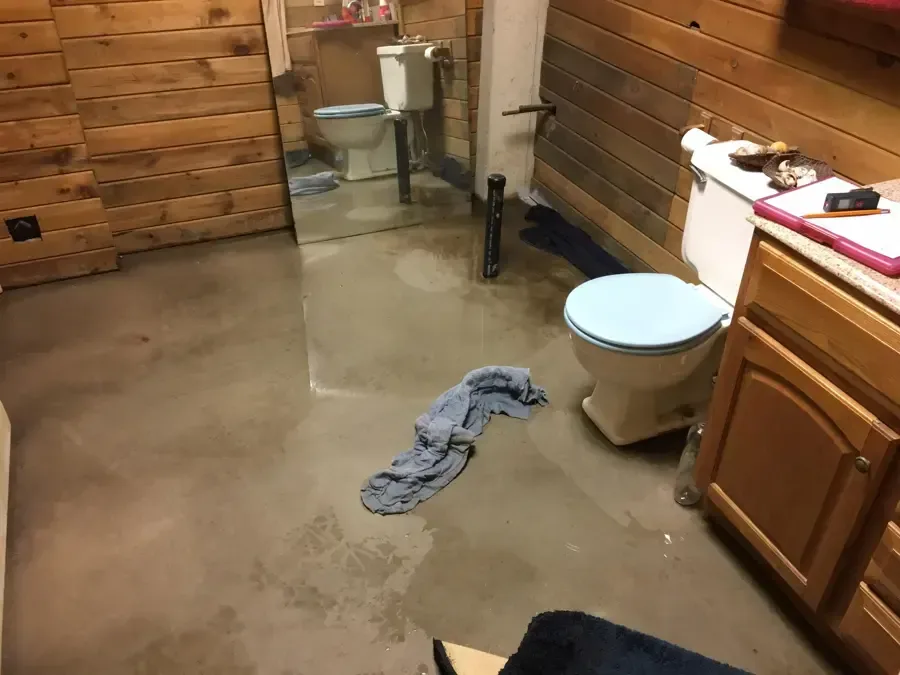
A toilet bowl overflow differs from a fresh supply-connection leak behind the fixture. Waste-bearing bowl water requires Category 3 handling from the start. The cleanup team asks where the water came from and what it contacted before deciding on extraction, cleaning or removal. A bathroom in Prattville, a Main Street property or a RiverWest premises needs its own source and material assessment.
How toilet overflow cleanup progresses
Classify the source
The assessor distinguishes bowl wastewater from a supply release and maps contact at the floor, walls, vanity and threshold. The contamination map includes porous trim and nearby floor layers where wastewater may have passed beyond visible tile.
Extract and remove
The crew handles contaminated liquid and unsuitable porous material through a controlled route with appropriate personnel protection.
Clean before treating
Recoverable surfaces receive soil removal followed by suitable EPA-registered treatment at the label application conditions and dwell time.
Dry and verify
The technician checks retained floor and wall materials while the plumber confirms the fixture or drain correction before normal use resumes.
First steps for toilet overflow cleanup
- 1Stop repeated flushing. Occupants leave the affected toilet unused while the plumbing professional investigates the obstruction or fixture problem.
- 2Isolate the bathroom. The household keeps children, pets and unprotected occupants outside the spill area and avoids tracking water into dry rooms.
- 3Leave contaminated textiles. The cleanup team assesses rugs and other porous items before movement or disposal through the building.
- 4Avoid mixing products. Occupants leave chemical treatment to the cleanup plan and do not combine household products on wastewater-contaminated surfaces.
Separating the bowl spill from a supply leak
The plumbing professional investigates the toilet, connected drain and any obstruction. Repeated flushing can add water to the loss, so occupants stop using the affected fixture. The restoration assessor traces the spill through grout gaps, floor transitions, wall edges and cabinet bases. The tile surface alone may not show the full contact area.
- Wastewater from the bowl calls for controlled access and appropriate protection.
- A leaking clean supply hose is a different source that still requires moisture assessment.
- Contaminated water can reach porous trim, wall board or floor layers beyond the bathroom.
- The team records source findings before ordinary fixture use resumes.
Children and pets remain away from the room and the removal route. Personnel use suitable protective clothing, gloves and eye protection, with additional controls based on the exposure. The crew does not circulate air across untreated contamination simply to make the bathroom feel dry.
Water at a bathroom threshold can hide contamination beneath flooring or beside the vanity. The cleanup assessment follows the bowl overflow beyond the easy-to-see tile surface.
(888) 619-9509Discuss the bowl overflow and wet thresholdCleaning the surface and checking the layers below
Nonporous tile may remain recoverable after appropriate cleaning, but the substrate and surrounding porous material require separate evaluation. Contaminated pad, insulation and affected gypsum board generally require removal. The boundary follows the actual moisture and contamination path, including material above the visible water mark.
- Extract the spill with equipment suited to contaminated wastewater.
- Remove affected porous layers and contain waste during transport.
- Clean recoverable surfaces so soil does not interfere with treatment.
- Apply an EPA-registered antimicrobial according to its label and required dwell time.
The EPA flooded-home information explains why water-contact materials need careful assessment. Inspection includes the substrate beneath affected finishes and the joints where wastewater can collect. The contractor documents the surfaces treated and the materials removed before setting the drying equipment.
Safe access comes first
The restoration crew checks electrical exposure, overhead stability and the water source before entering the wet area. Occupants keep clear of sagging ceilings and contaminated floors. A qualified professional isolates affected circuits from a dry location. These checks precede extraction because standing water can conceal damage that a surface inspection misses.
Restoring a usable bathroom with a clear record
After contamination work, the drying technician checks wall bases, vanity components and the floor assembly. The plumber confirms the fixture or drainage correction. Those are distinct tasks, and both need completion before normal use can reasonably resume. A repaired toilet can sit on a still-wet substrate.
EPA WaterSense offers toilet and household water-use information, but it cannot diagnose a particular overflow. The owner retains the plumbing findings, cleanup scope and moisture readings. Policy treatment of a backup can differ from a supply leak, so the reported source should remain accurate in the insurance discussion.
- Initial photos show the spill route and wet bathroom threshold.
- Source notes distinguish the bowl, supply connection and wider drain system.
- Cleaning records identify treatment and porous-material removal.
- Final readings and repair notes describe the remaining floor and wall condition.
The Box District can include spaces with shared building access. Where that applies, the contractor plans a protected removal route and coordinates with the authorized contact. The service does not assume a shared drain or assign responsibility without the relevant plumbing findings and property information.
For a Morrow Road property, the first access discussion still concerns the bathroom threshold and clean route rather than an assumed shared drainage arrangement.
What does toilet overflow cleanup cost in Sand Springs, OK?
Toilet-overflow cleanup commonly ranges from $800 to $3,500, excluding major plumbing or reconstruction. Wastewater contact, porous-material removal and spread beneath the bathroom threshold determine the cleanup scope.
Limited hard-floor spill
$800 to $1,500
- Controlled extraction
- Contact inspection
- Surface cleaning
Porous edge damage
$1,500 to $2,500
- Selective removal
- Treatment
- Material drying
Spread beyond bathroom
$2,500 to $3,500
- Additional containment
- Floor-layer assessment
- Documented handoff
These planning ranges are estimate only. Water category, affected area, material class and the delay before extraction change the scope. The Sand Springs water damage cost calculator explores those variables.
Careful decisions for toilet overflow cleanup
Rapid local response
The response team assesses active water, access and source control during 24/7 dispatch. Arrival depends on current conditions and the work required at the property.
IICRC S500 drying standard
The drying technician compares wet assemblies with suitable dry references and adjusts dehumidification to the material load. A dry surface alone does not close the job.
Claim-ready documentation
The mitigation team records initial damage, material decisions, equipment and daily readings. The property owner retains a clearer account of the loss for the insurance review.
Local water experts
The contractor checks the actual building and the reported source before choosing a method. Indoor supply releases, contaminated outside water and backed-up drains require different handling.
Toilet overflow cleanup in Sand Springs
Coverage includes Prattville, the Box District and RiverWest, with ZIP 74063. The response team confirms access, the water source and the affected rooms before planning equipment.
Nearby service areas include Mannford, Oakhurst, Sperry, Owasso and Bixby.
Related water damage services in Sand Springs
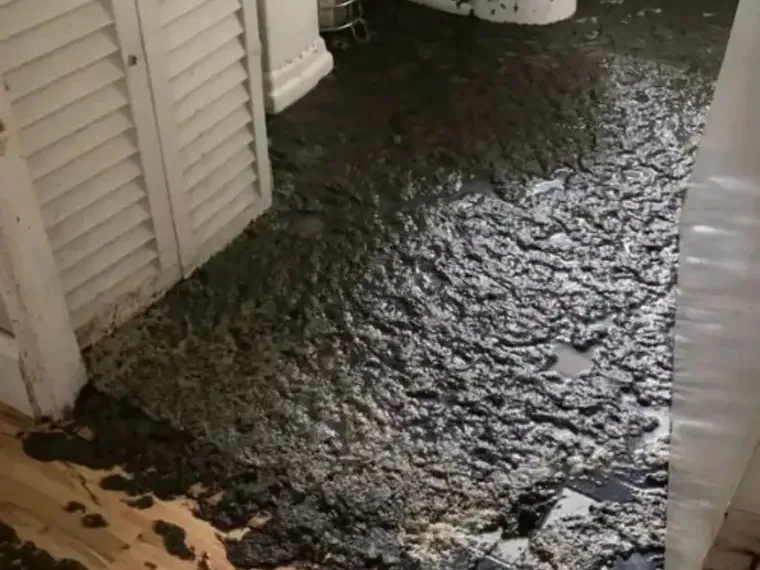
Sewage Backup Cleanup
Contaminated drain water calls for controlled removal, cleaning and disposal of affected porous materials.
Read about sewage backup cleanup ›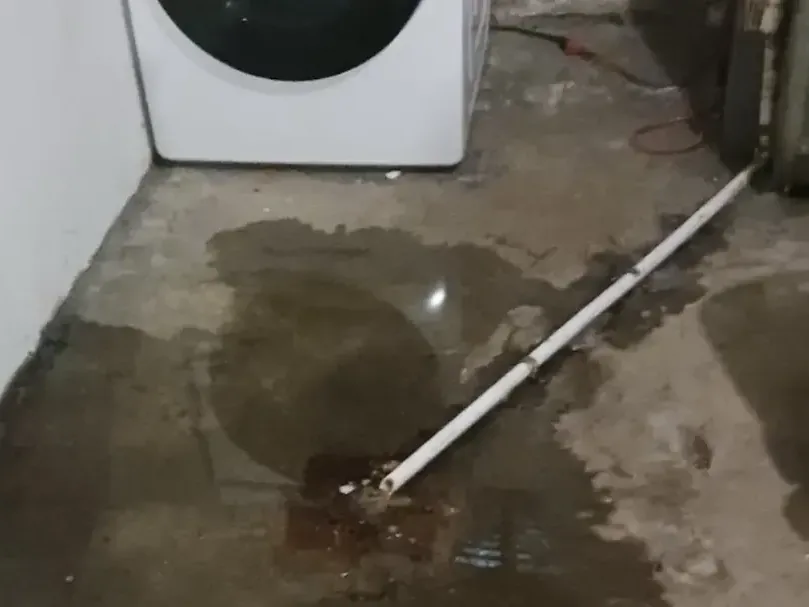
Appliance Leak Water Damage
Hidden water beneath cabinets and appliances often demands access below the finished floor.
Read about appliance leak water damage ›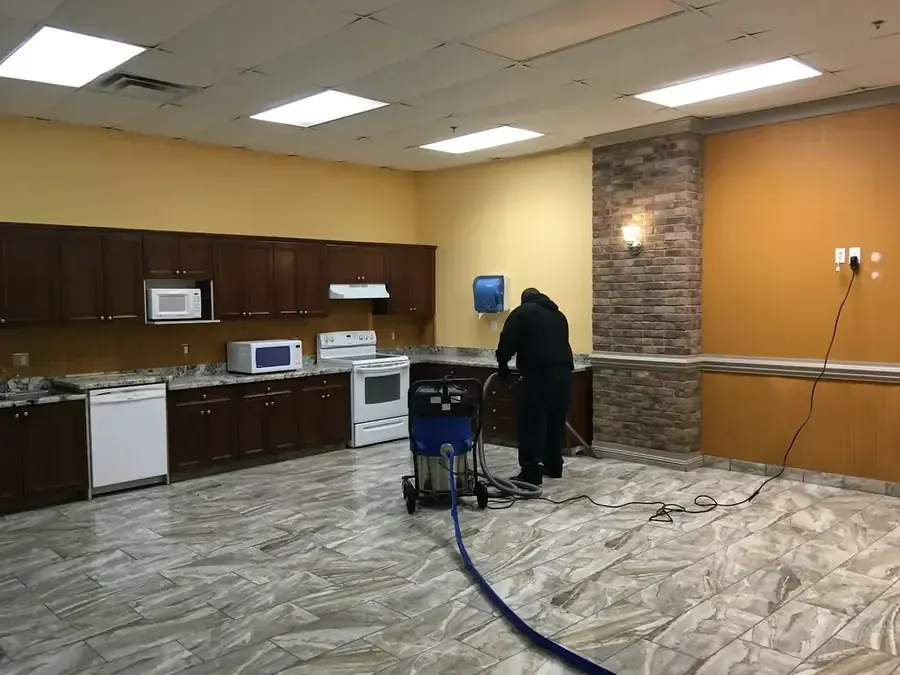
Water Extraction
Extractors remove pooled water before the drying equipment tackles moisture inside floors and walls.
Read about water extraction ›Toilet Overflow Cleanup questions in Sand Springs, OK
Is every toilet-related leak sewage?
No. A fresh supply connection behind the fixture differs from waste-bearing bowl overflow. The source and contact history determine classification. The assessor establishes that distinction before choosing material handling, while the plumber diagnoses the toilet or drain problem. Appearance alone cannot reliably settle the contamination question.
Can tile remain after a bowl overflow?
The tile surface may be recoverable after appropriate cleaning, but grout gaps and edges can allow water into the substrate. The technician checks the assembly below and around it. Porous trim, wall board or nearby carpet can require removal even when the visible tile looks sound.
Should the bathroom fan run during cleanup?
Air movement should follow the contamination-control plan rather than spread untreated material into other spaces. The crew first assesses contact, extracts wastewater and cleans or removes affected surfaces. Drying equipment then addresses the retained assembly. Occupants should keep the room isolated until the contractor establishes appropriate conditions.
Why remove material above a visible water mark?
Water and contamination can migrate through porous wall materials beyond the obvious stain. The assessor uses inspection and readings to establish the affected boundary. Removal follows that condition and the access needed for cleaning, not a purely cosmetic cut that leaves contaminated material inside a closed wall.
Does disinfectant make a wet rug recoverable?
A chemical application does not reverse wastewater contact inside a porous item. The cleanup team evaluates contaminated textiles and other porous contents for appropriate removal. Recoverable hard surfaces need cleaning before treatment, and the selected product must receive its label dwell time. Drying alone cannot replace these contamination decisions.
Who determines whether the drain is clear?
The plumbing professional tests and corrects the fixture or connected drain. Restoration personnel document the spill, material contact, cleaning and drying. The owner should confirm both responsibilities before use resumes, because a cleaned bathroom can overflow again if the underlying obstruction remains unresolved.
How does the estimate account for hidden damage?
The initial scope identifies visible contact and likely inspection areas. Findings beneath flooring or behind vanity trim can justify additional access or removal, which the contractor should explain and document. The affected material, contamination and access drive cost, with plumbing and reconstruction separated from cleanup charges.
What confirms the room is ready for repair?
The contractor documents contamination removal and surface cleaning, then checks moisture in retained floor and wall materials. The plumber confirms source correction. A clear repair handoff identifies both completed work and remaining finishes, preventing a clean-looking bathroom from concealing wet substrate or an unresolved drain problem.
Control the overflow before the room returns to use
24/7 assessment establishes the source, contacted materials and a clean work route while the plumbing trade addresses the toilet or drain problem.
(888) 619-9509Arrange a bathroom contamination assessment