Water Damage Restoration in Owasso
A spreading puddle can interrupt an entire household. Cleanup begins by identifying the release, protecting safe access and tracing moisture through the rooms and materials that need attention.
(888) 619-9509Discuss the water insideThe wet area, source condition and safe entry route help establish the first cleanup priorities.
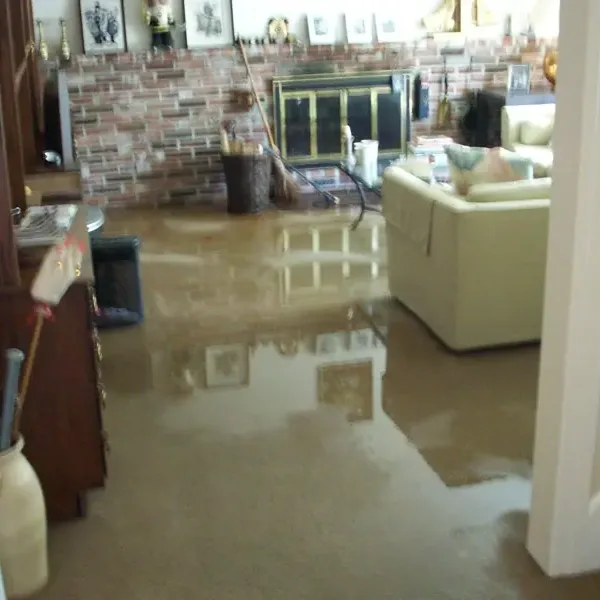
From the first wet room to closure
Water recovery works best when each decision has a clear purpose. The sequence connects source control, removal, material drying and the final condition of the affected building assemblies.
Understand what each cleanup step is doing
Restoration decisions should connect the visible damage with measurements and a written scope. That connection helps residents understand material removal, drying equipment and the work still needed afterward.
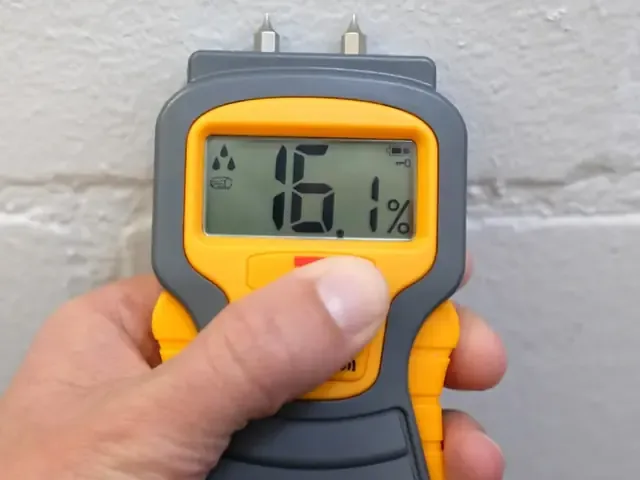
Cleanup matched to the source and surfaces
A ceiling stain, flooded bathroom and wet wood floor need different approaches. The service choices below explain where each type of cleanup begins.
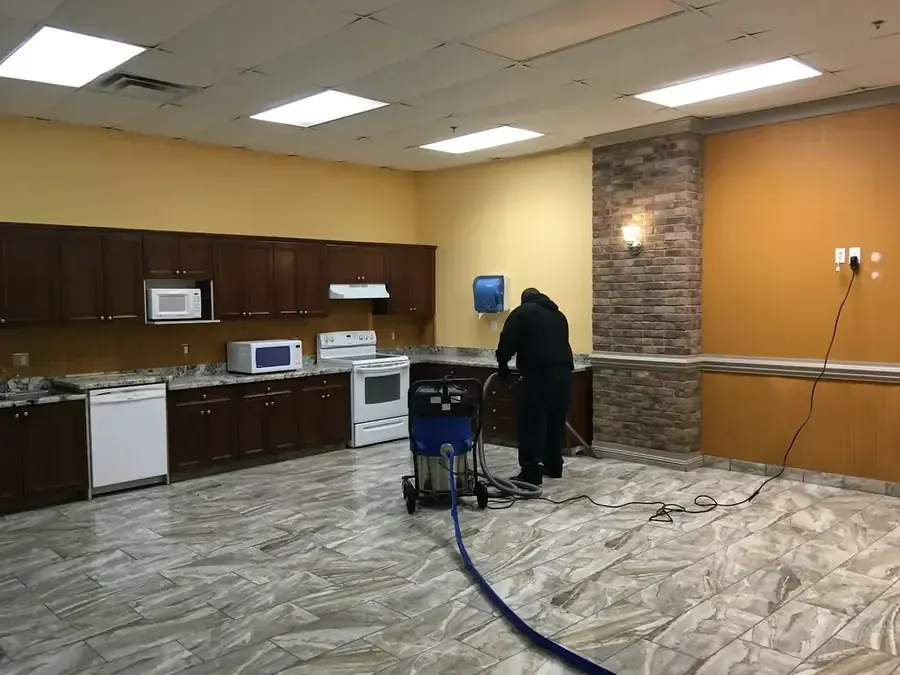
Water Extraction
Pooled water leaves rooms sooner when removal reaches edges, thresholds and spaces beneath movable contents.
Read about water extraction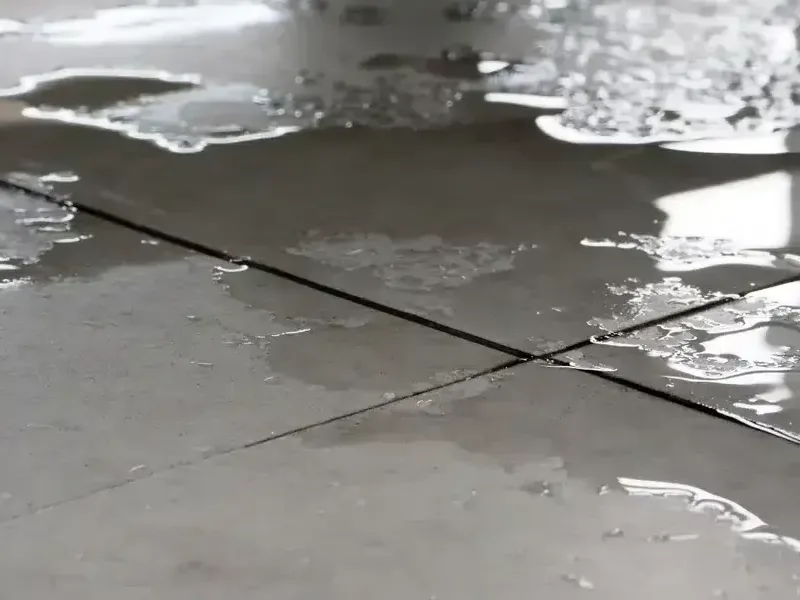
Slab Leak Water Damage
Moisture at a floor edge needs source investigation before concrete access or finish repairs begin.
Read about slab leak water damage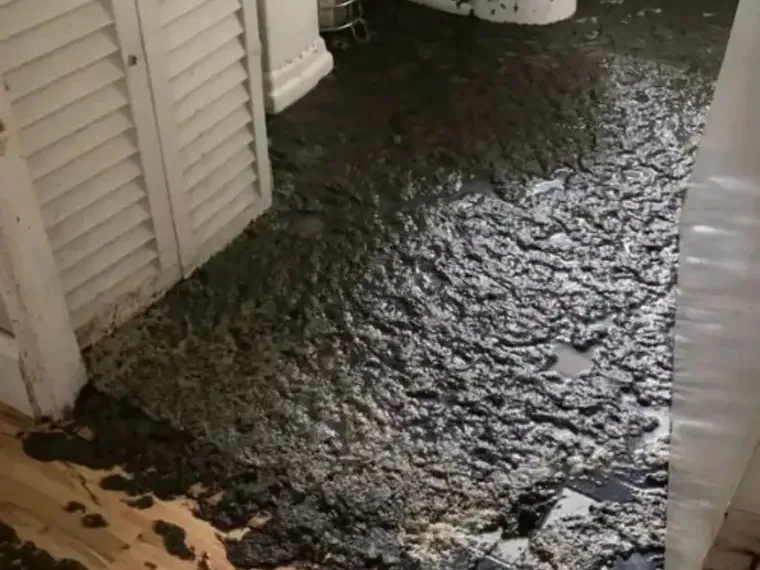
Sewage Backup Cleanup
Wastewater cleanup separates contaminated materials from usable rooms and establishes a controlled route for removal.
Read about sewage backup cleanup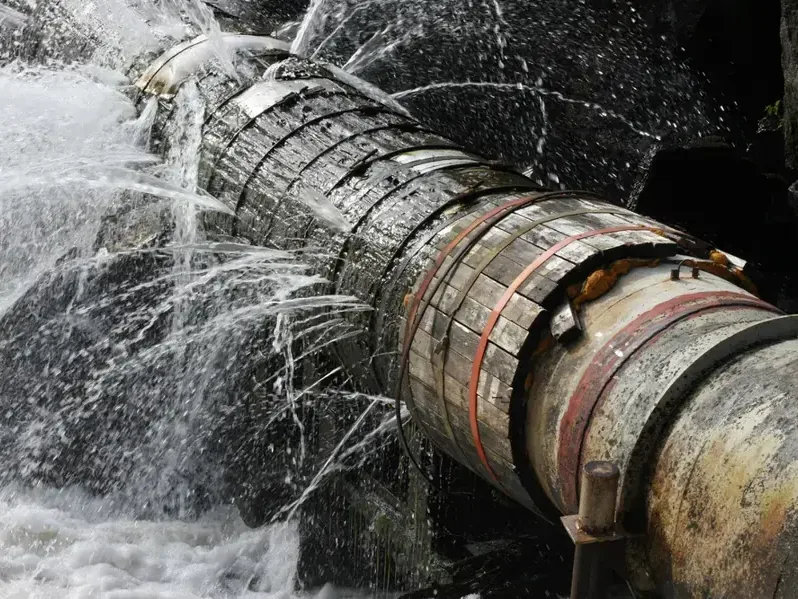
Burst Pipe Water Damage
A broken supply pipe can wet several assemblies before the visible puddle reveals its full reach.
Read about burst pipe water damage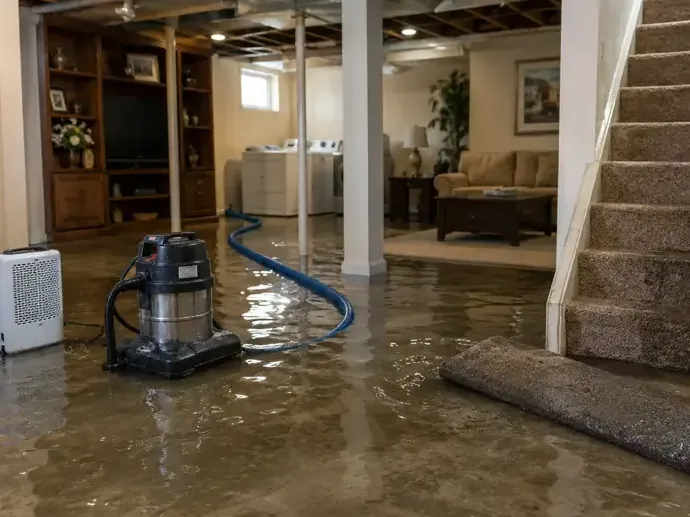
Storm Flood Cleanup
Outside water brings cleanup decisions about sediment, affected belongings and safe access through the building.
Read about storm flood cleanup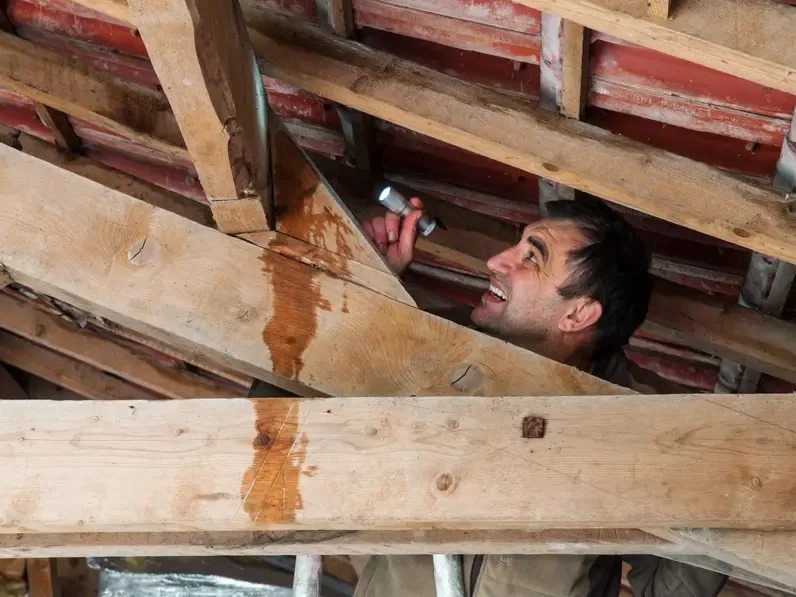
Roof Leak Water Damage
An overhead roof entry can soak attic materials before damage becomes apparent on the ceiling.
Read about roof leak water damage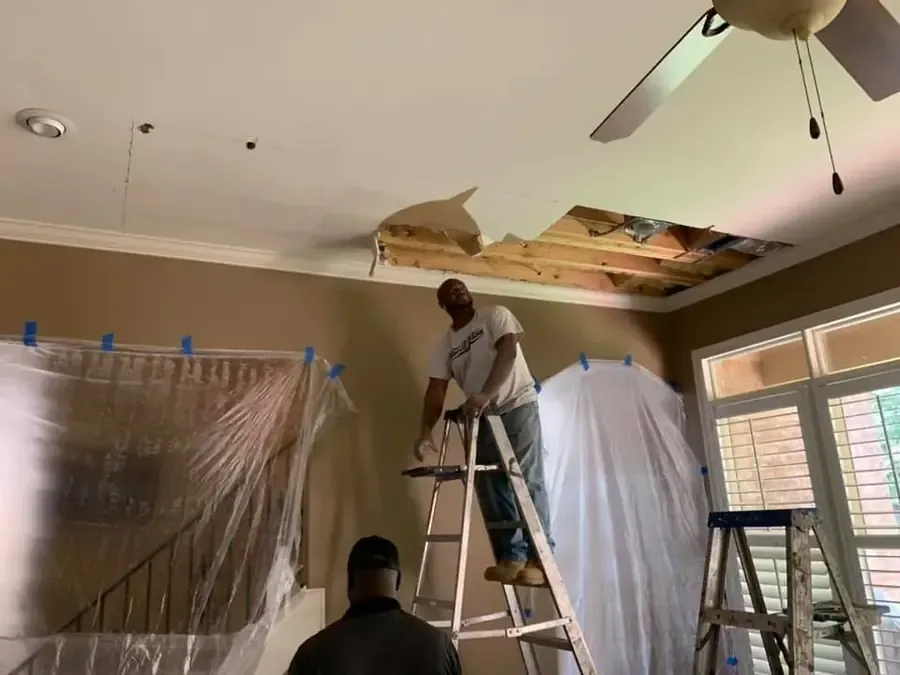
Ceiling Leak Water Damage
A stained ceiling needs careful assessment of stability, concealed moisture and the room directly below.
Read about ceiling leak water damage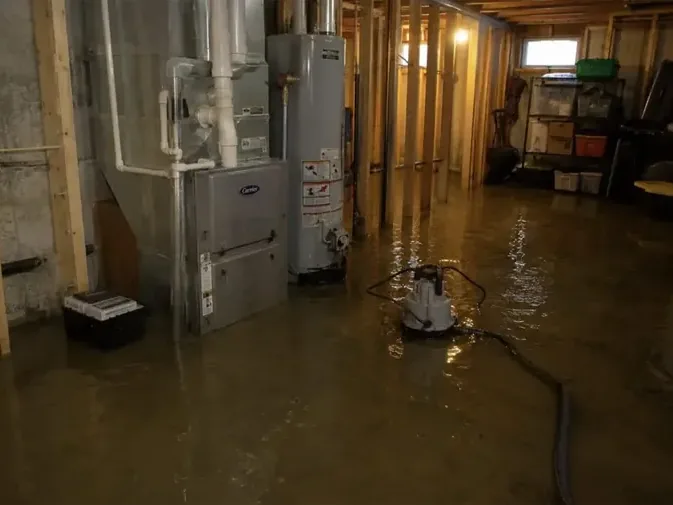
Water Heater Leak Cleanup
Tank releases spread around closet walls, utility equipment and adjoining flooring that need separate checks.
Read about water heater leak cleanup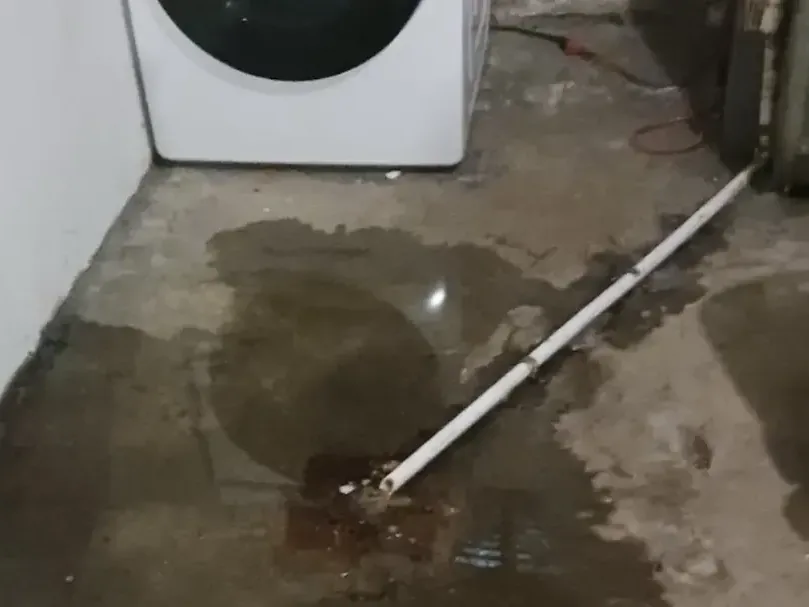
Appliance Leak Water Damage
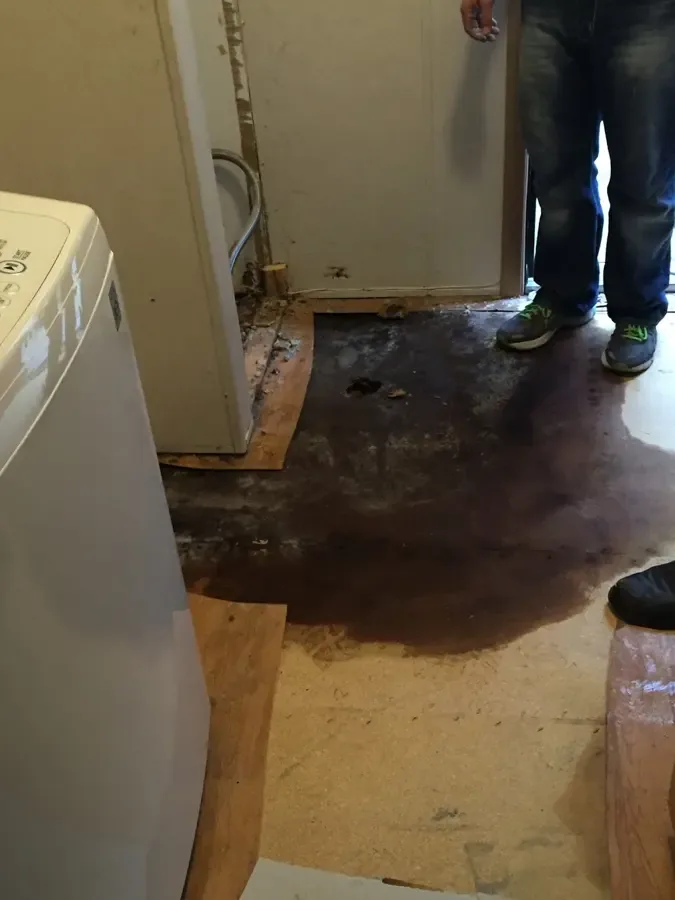
Laundry and kitchen spills often travel beneath appliances or cabinets before reaching an open floor.
Read about appliance leak water damage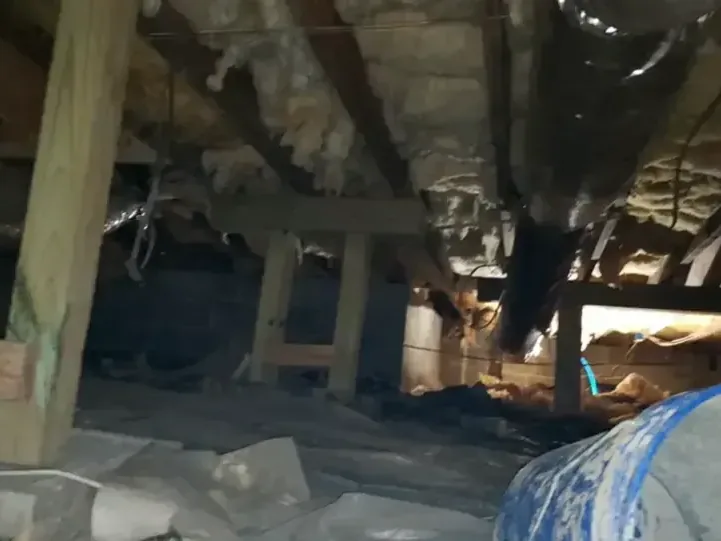
Crawl Space Water Removal
Underfloor pumping begins with safe access and an assessment of pooling, insulation and exposed wood.
Read about crawl space water removal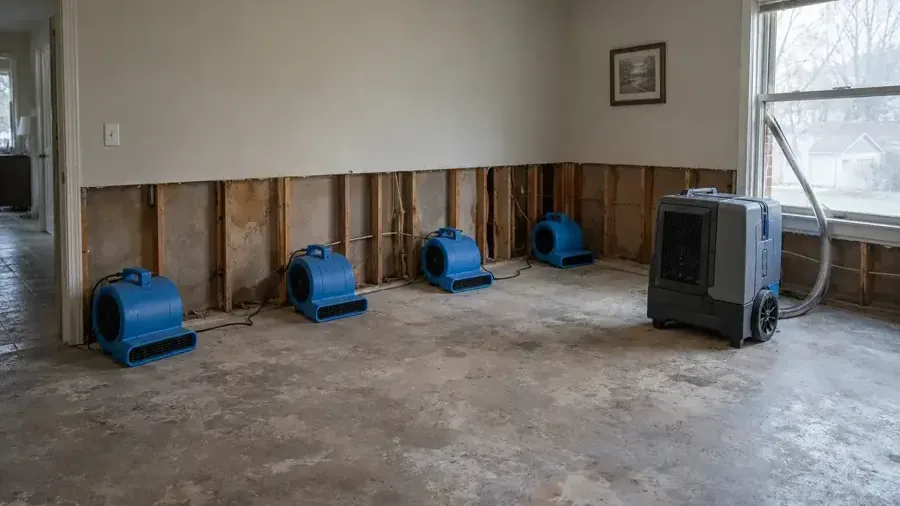
Structural Drying
Material measurements determine how drying equipment is arranged and when affected assemblies can be closed.
Read about structural drying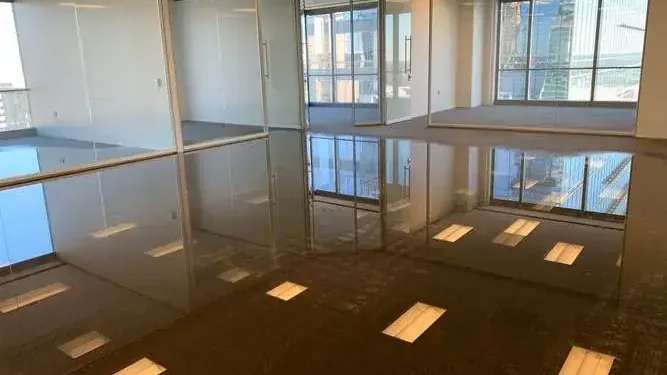
Commercial Water Damage
Business cleanup coordinates wet work areas, protected inventory, tenant access and the decisions needed for reopening.
Read about commercial water damage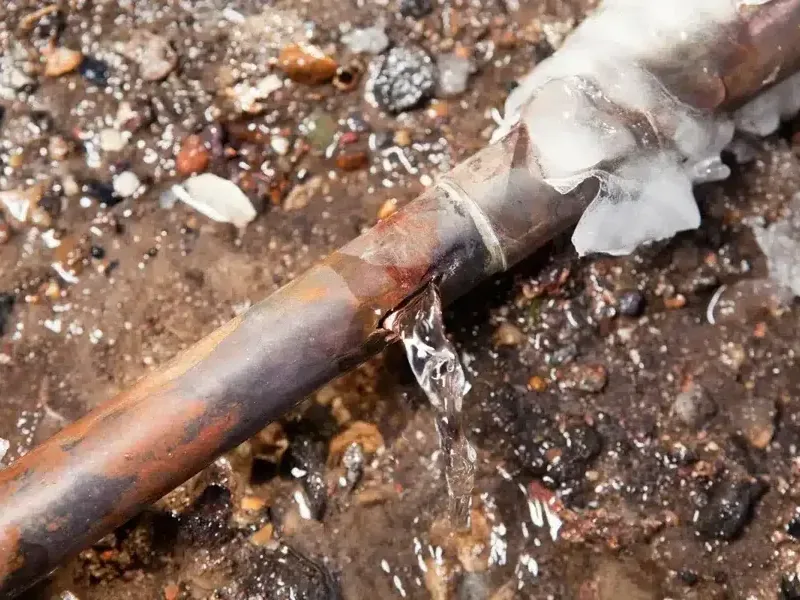
Frozen Pipe Water Damage
A thawing pipe can release water into hidden cavities even after the original freeze has passed.
Read about frozen pipe water damage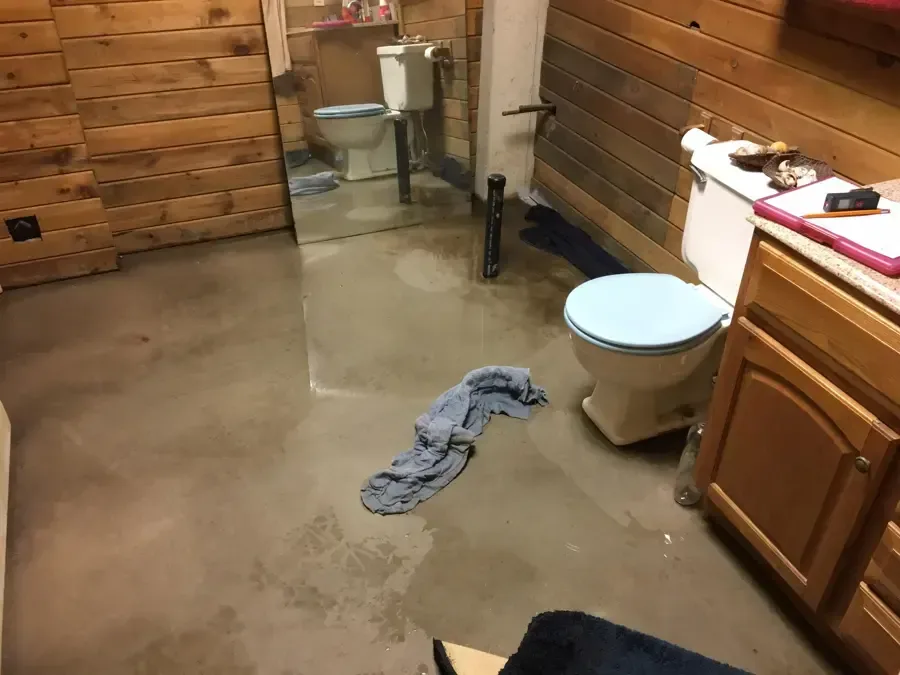
Toilet Overflow Cleanup
An overflowing bowl requires source control and cleaning decisions that account for everything the water touched.
Read about toilet overflow cleanup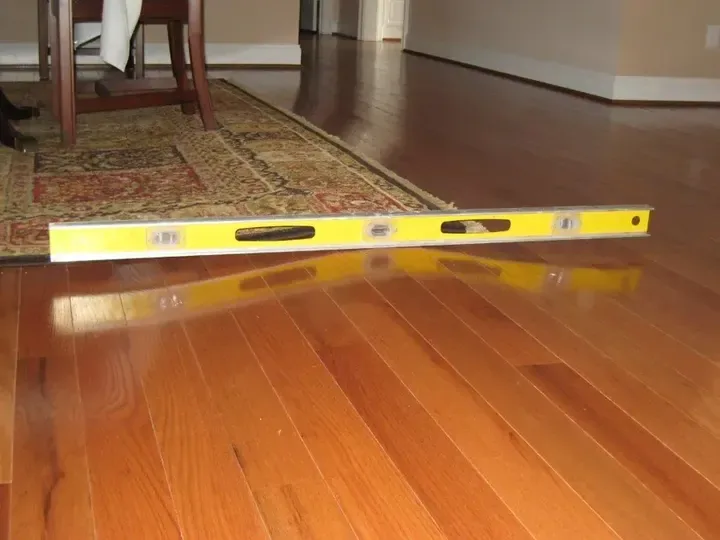
Hardwood Floor Water Damage
Wood floor recovery compares board movement, moisture beneath the finish and the condition of supporting layers.
Read about hardwood floor water damageHow the response protects wet materials
Rooms assessed separately
A dry doorway does not settle the condition of a neighboring closet. Each affected space needs its own inspection and moisture record.
Source work identified
Pipe repair, roof work and replacement appliances may involve separate trades. The cleanup scope should identify those dependencies before damaged surfaces are rebuilt.
Belongings handled deliberately
Wet contents are photographed and sorted by material and exposure. Items that can remain should be protected from traffic and further contact with water.
Completion tied to readings
Equipment removal follows material checks and the documented drying objective. Appearance alone is a poor basis for deciding whether concealed construction is ready.
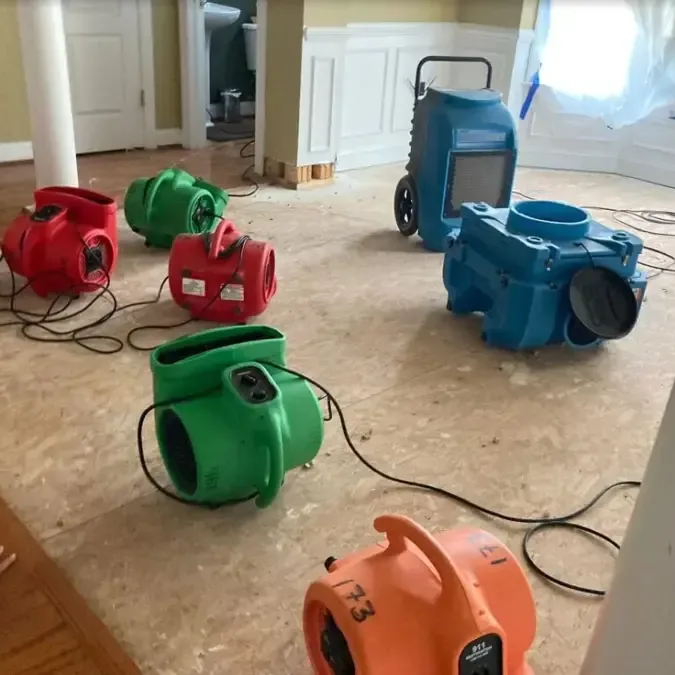
The gear a measured dry-out runs on
Water extraction
Extraction equipment removes bulk water before evaporation begins.
Controlled drying
Dehumidifiers manage the moisture air movers release from materials.
Moisture readings
Moisture meters document concealed areas as well as visible surfaces.
How the dry-out works
Establish the boundary
The assessment follows visible water and moisture readings into connected spaces, marking where protected rooms begin and wet work should remain.
Remove recoverable water
Extraction reduces the amount held on surfaces and in suitable materials, with separate handling for debris and contaminated items.
Dry the assembly
Air movement and dehumidification are arranged around exposed materials, then adjusted as readings show which sections still retain moisture.
Record the handoff
The closing record lists material conditions, removed items and repair needs so the next trade can plan the remaining work.
Apartments, homes and working spaces
The Village and The Greens at Owasso illustrate the city's apartment settings. Shared access and management coordination matter when escaped water reaches occupied rooms or adjoining spaces.
Organize the loss documentation
Photos, dates of discovery and an itemized work scope help explain what happened. Coverage decisions belong to the policy provider and depend on the policy and circumstances.
- Photograph wet rooms before safe removal begins
- Save source repair invoices and service notes
- List affected belongings by room and material
- Retain cleanup estimates and equipment records
- Record contacts with management and the carrier
Planning payment directly
An owner paying directly can ask for a staged estimate that separates urgent extraction from drying and later repairs. Written boundaries make it easier to approve necessary work and compare the proposed scope.
Unexpected concealed moisture may change the work. The updated explanation should identify the newly affected material, the reason access is needed and the associated cost before additional work proceeds.
A safer start before cleanup equipment arrives
- Keep the room clear. Occupants stay out of standing water where electrical equipment, unstable ceilings or contaminated materials may create a hazard.
- Stop accessible water. A reachable shutoff can limit an active release when it can be operated from a dry, secure position.
- Record the spread. Photos from the doorway should show affected rooms and belongings without requiring anyone to step into the damaged area.
- Notify the responsible contact. Renters contact management, while owners arrange the appropriate plumbing or roofing help for the continuing source.
- Describe access conditions. A useful cleanup request includes the building entry, wet floor level, visible water depth and any rooms that cannot be approached.
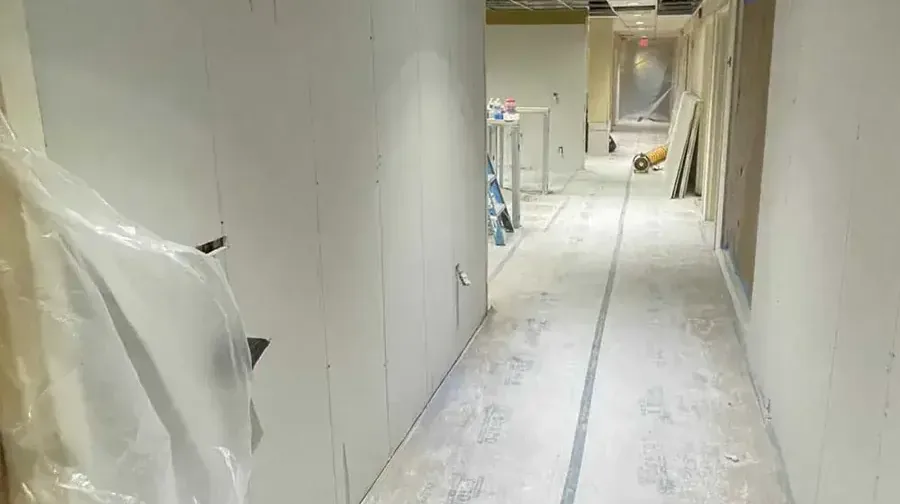
Surfaces and rooms during water damage cleanup
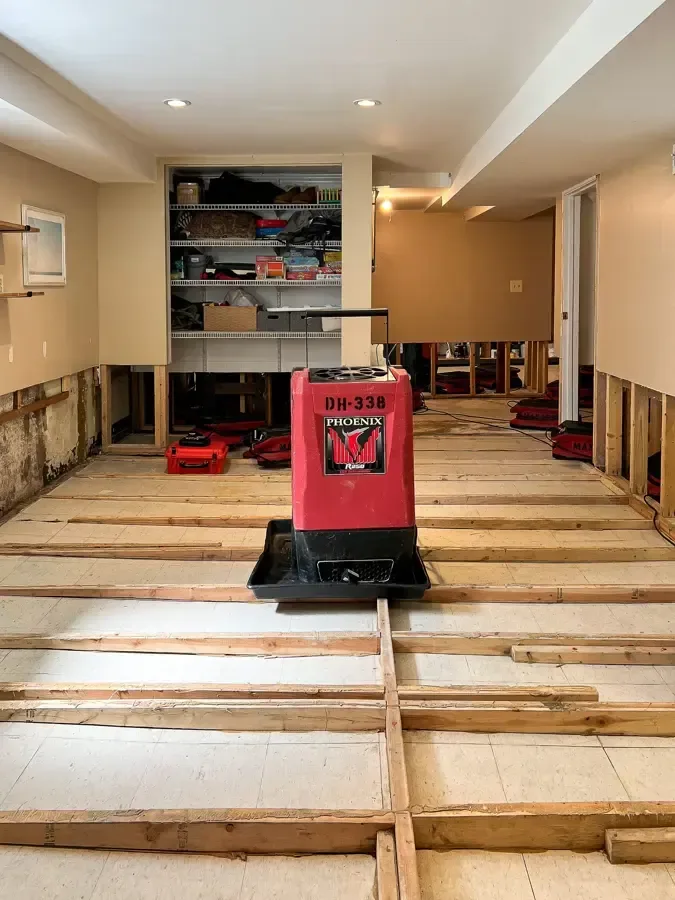
What influences water cleanup costs in Owasso?
A smaller accessible spill costs differently from water concealed in several rooms. Planning ranges below describe broad cleanup scopes; the assessment should explain affected materials, contamination, equipment needs and any reconstruction or source repairs priced separately from the water work.
Limited surface cleanup
$500 to $1,500
- Accessible water
- Small footprint
- Basic extraction
Several wet assemblies
$1,500 to $4,000
- Wall access
- Material drying
- Room transitions
Broad interior recovery
$4,000 to $10,000
- Complex removal
- Contamination control
- Extensive monitoring
An itemized scope makes comparisons useful. The price should identify what cleanup includes, which areas remain inaccessible and whether replacement finishes belong in a separate estimate.
Owasso buildings and access planning
Places that help locate work
ZIP area
74055
Other town pages
Three common paths from release to damage
Pressurized supply release
A pipe opening can deliver water behind walls and across rooms. Isolation and tracing the wet path take priority before finish work.
Trace a pipe releaseEquipment and connection leaks
Water escaping near an appliance may collect under a cabinet or finished floor. Cleanup needs access to the surfaces hidden by equipment.
Inspect appliance spill damageContaminated drain water
Wastewater reaching living space changes material handling and cleanup boundaries. Keep occupants outside the affected area while the blockage and contamination are assessed.
Understand wastewater cleanupLeaks indoors and storm access outdoors
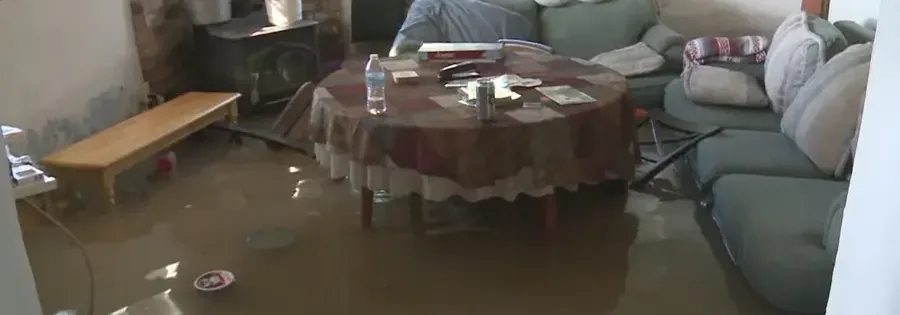
A documented apartment pipe release and reports of flooded streets point to different response needs. Inside, the wet path matters; outside, safe access must come before any cleanup assessment.
Reported apartment flooding: Residents of The Greens at Owasso reported flooded apartments after a broken pipe. Affected rooms need individual records, even when several residents describe the same release.
Shared buildings
Apartment water can affect spaces managed by different people. Identify the unit, the visible source and the neighboring rooms that need access before removal begins.
Roadway standing water
A storm report describes temporary street closures from flooding. Access planning should account for closed approaches and avoid routes covered by standing water.
Creek context
Elm Creek is a tributary of Bird Creek. A property assessment still begins with the actual entry point and the materials reached inside the building.
Overhead damage
Wet insulation or ceiling material can conceal continuing movement of water. Occupants should avoid the space beneath sagging finishes until their condition is assessed.
Repair coordination
The Building Division handles construction permits and inspections. Structural alterations and reconstruction need permit planning alongside the cleanup scope before the repair work proceeds.
Practical questions after indoor water damage
What information matters on the first cleanup call?
The caller can describe whether water is still entering, which rooms are wet and whether electricity or a damaged ceiling limits access. Building type and management contacts also help. Photographs taken safely from dry space can support the description without requiring anyone to cross the affected floor.
Can a renter arrange an assessment after a leak?
A renter should notify the property manager promptly and explain the rooms involved. Management can coordinate entry, the source repair and decisions about building materials. Personal belongings should be recorded separately. Permission for removal and repairs should be clear before work extends beyond urgent safety measures.
Does a dry surface mean the room is ready?
The top of a floor can dry while the material underneath remains wet. Similar differences occur between painted wall faces and enclosed cavities. Measurements and inspection access help determine whether drying should continue. Replacement finishes should wait until the affected assembly meets the drying objective established for the work.
How does outside floodwater change the cleanup?
Outdoor water may carry sediment and contamination into porous materials. Assessment therefore considers its route into the building and everything it contacted. Affected belongings, flooring and wall finishes may need different handling from a small supply leak. Occupants should keep clear while the cleanup boundary is established.
Can cleanup start before all repair pricing is complete?
Urgent water removal and damage assessment can be scoped separately from later reconstruction. The written agreement should distinguish those stages and explain any access openings needed for drying. Source control still matters: pumping a room will not solve a continuing release from a pipe, roof or appliance.
Who provides local water and wastewater services?
Owasso Public Works provides both water and wastewater services. A property report should describe the observed problem and its location. Cleanup of escaped water, plumbing investigation and a utility concern may require different contacts, so the initial assessment should establish which work is needed and how access will be arranged.
What should be photographed before materials leave?
Useful images show the overall room, the source area when safely visible, and individual damaged items. Capture transitions where water moved into another room. Disposal records should connect removed items to those images. A clear inventory helps the owner, manager and policy provider follow the work that was performed.
Will every wet wall or floor need replacement?
Material type, contamination and physical condition determine the decision. Some materials can dry in place; others need access, removal or replacement because water is trapped or the material has deteriorated. The assessment should state why each removal is proposed and explain how retained materials will be checked during drying.
What happens between drying and rebuilding a room?
The final drying record should identify remaining repair needs and the condition of retained materials. Trades can then plan finishes, plumbing or other building work. Structural construction, alterations, remodeling and reconstruction require local permit coordination. The owner or manager should keep that repair scope distinct from the completed water cleanup.
Make the initial description useful
Owasso extends across Tulsa County and Rogers County. The property location, building entrance and affected floor help coordinate an assessment for a residence or business.
The Redbud District contains office developments, while commercial sites also follow U.S. 169. Tenant contacts and occupied work areas help establish practical access for a business cleanup.
Owasso, OK · [email protected]
(888) 619-9509Explain the building accessTurn the visible damage into a clear next step
A room description, source update and safe access plan give the cleanup assessment a useful starting point.