Roof Leak Water Damage in Owasso
A ceiling mark can appear well below the place rain entered the roof. Interior cleanup traces that concealed route while roofing work addresses the opening allowing more water inside.
(888) 619-9509Discuss water coming from above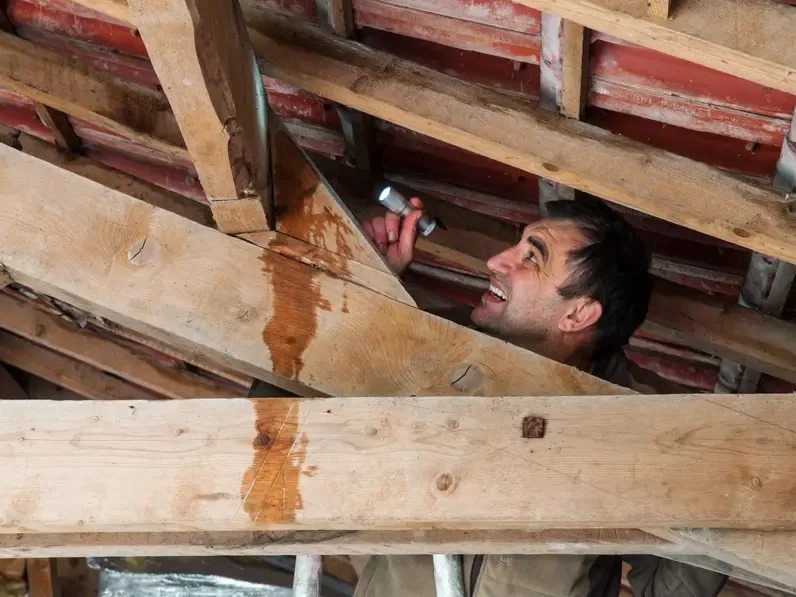
Owasso requires a permit for reroofing. That requirement belongs in the roof repair plan, while interior water cleanup addresses the insulation, framing and ceiling materials already reached by the leak. Keeping these scopes connected helps the owner understand what stops future entry and what dries the damage left inside.
How roof leak water damage progresses
Assess ceiling stability
The first interior assessment considers overhead material condition and the space below. Contents and occupied areas are protected before openings are made or wet ceiling material is handled.
Trace the concealed route
Attic access and moisture checks help connect the visible stain with affected insulation or framing, informing the extent of interior cleanup.
Dry accessible construction
Retained materials receive a drying approach suited to their exposure and arrangement, with measurements used to identify areas needing further access.
Coordinate finish replacement
The final record links source status, moisture conditions and remaining ceiling repairs so the room can move toward closure with a clear work boundary.
First steps for roof leak water damage
- 1Mark the affected room. The occupant describes the ceiling mark, active dripping and any bulging material without standing directly below the damaged overhead section.
- 2Arrange roof source work. The property contact coordinates a roofing assessment and records any temporary protection or repairs already planned for the water entry.
- 3Identify overhead access. Available attic entry, occupied rooms and sensitive contents are noted so interior inspection can be planned around a safe working area.
- 4Keep repair records together. The owner retains roof findings, interior photographs and moisture notes so ceiling repair follows both source control and completed drying.
A stain marks the exit into the room
Water can move along roof framing or other surfaces before reaching a ceiling joint. The stain below may therefore be displaced from the roof opening. Assessment should include available attic access and the condition of the ceiling, with occupants kept away from sagging or loose material until it can be evaluated.
- Record the room where the mark appeared and whether active dripping continues.
- Protect dry belongings through safe relocation outside the overhead damage area.
- Keep people from entering an attic without suitable access and assessment.
- Describe roof work already arranged so interior drying can be coordinated.
The Redbud District contains office developments where a ceiling leak can affect occupied workstations. Management should identify desks, documents and equipment beneath the wet area before access or removal begins. A protected staging area allows contents to be moved without putting them under another part of the same overhead loss.
Describe the ceiling mark, dripping and the roof work already arranged. Include any room or attic access concerns so the interior assessment can focus on the right materials.
(888) 619-9509Explain the overhead water pathReach the materials that hold the water
Insulation can hide moisture against ceiling finishes or framing. A painted surface may change color without revealing the full thickness of wet material above it. The cleanup scope should explain which layers need exposure, which can remain and how moisture measurements will be obtained without relying on the stain alone.
- Assess the overhead condition before placing equipment in the room below.
- Coordinate roof source work with safe access to the wet interior.
- Remove unsuitable wet material and expose necessary drying surfaces.
- Measure retained construction before rebuilding the ceiling or closing access.
Stone Canyon is identified as a campus space location, and U.S. Highway 169 has commercial sites. At either setting, the building's own access arrangement determines how interior work proceeds. Tenant scheduling, ceiling height and contents protection should be addressed during the assessment rather than postponed until removal equipment is in place.
Safe access comes first
The restoration crew checks electrical exposure, overhead stability and the water source before entering the wet area. Occupants keep clear of sagging ceilings and contaminated floors. A qualified professional isolates affected circuits from a dry location. These checks precede extraction because standing water can conceal damage that a surface inspection misses.
Sequence repairs around the remaining moisture
A roof repair does not immediately dry attic insulation or a ceiling cavity. Equally, interior extraction cannot correct a roof opening that continues to admit rain. The owner needs an account of both tasks, including any temporary protection arranged by the roofing trade and any interior area still awaiting access.
After removal and drying, the closing record should identify retained materials, moisture checks and finish repairs still needed. Reconstruction can then proceed from a defined condition. The ceiling leak service provides additional detail about protecting the room beneath overhead damage and assessing the ceiling assembly before restoration.
- Keep roof source notes separate from the interior drying measurements.
- List wet insulation or ceiling material removed during the cleanup.
- Identify inaccessible roof or attic sections for the appropriate trade.
- Confirm the scope of permit work before reroofing is undertaken.
A useful handoff ties the original stain to the materials inspected above it. The owner should be able to see why each opening was needed and which tasks remain before normal room use resumes.
What does roof leak water damage cost in Owasso, OK?
Roof leak interior cleanup in Owasso is influenced by attic access, insulation and ceiling damage. These ranges describe interior recovery; roof repairs, reroofing and finish reconstruction need clearly identified pricing alongside that work.
Small ceiling area
$800 to $1,500
- Limited staining
- Accessible materials
- Focused drying
Attic and ceiling layers
$1,500 to $3,000
- Wet insulation
- Cavity access
- Material checks
Several wet bays
$3,000 to $4,500
- Broader exposure
- Multiple openings
- Coordinated repairs
These planning ranges are estimate only. Water category, affected area, material class and the delay before extraction change the scope. The water damage cost calculator explores those variables.
Careful decisions for roof leak water damage
Rapid local response
The response team assesses active water, access and source control during 24/7 dispatch. Arrival depends on current conditions and the work required at the property.
IICRC S500 drying standard
The drying technician compares wet assemblies with suitable dry references and adjusts dehumidification to the material load. A dry surface alone does not close the job.
Claim-ready documentation
The mitigation team records initial damage, material decisions, equipment and daily readings. The property owner retains a clearer account of the loss for the insurance review.
Local water experts
The contractor checks the actual building and the reported source before choosing a method. Indoor supply releases, contaminated outside water and backed-up drains require different handling.
Roof leak water damage in Owasso
Interior roof leak assessments serve Owasso locations including the Redbud District, Stone Canyon and U.S. Highway 169, with roof and room access coordinated by the property contact.
The same service nearby: roof leak water damage in Sand Springs, Sperry, Oakhurst.
Related water damage services in Owasso
Ceiling Leak Water Damage in Owasso
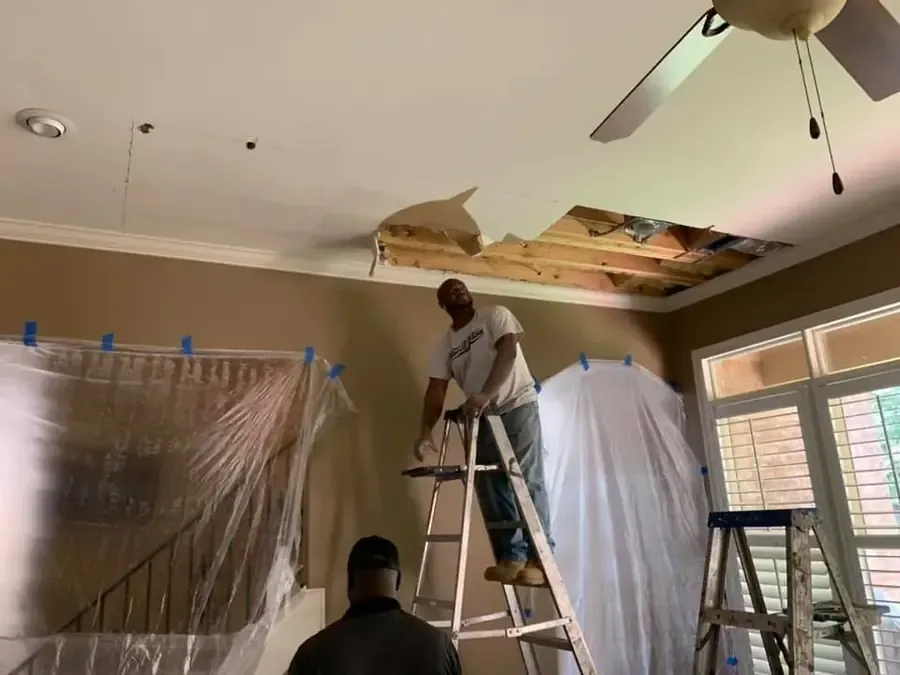
Overhead water requires safe access to the source before damaged ceiling materials come down.
Read about ceiling leak water damage ›
Structural Drying in Owasso
Material readings direct dehumidification until the assembly reaches a defensible drying goal.
Read about structural drying ›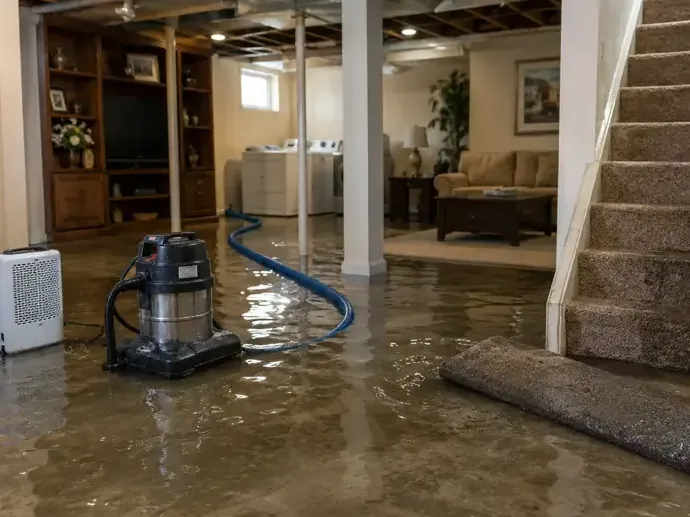
Storm Flood Cleanup in Owasso
Outside water brings sediment and contamination indoors, changing both extraction and material decisions.
Read about storm flood cleanup ›Roof Leak Water Damage questions in Owasso, OK
Can the roof opening be directly above the stain?
It can, but water may also travel along framing or other surfaces before emerging below. The roof assessment and interior moisture inspection should consider that route. Photographing the stain and recording active dripping helps, while safe attic access can reveal which materials between the roof and room were affected.
Is a sagging ceiling safe to inspect from below?
Occupants should keep away from the area beneath sagging, loose or heavily wetted ceiling material. The overhead condition needs assessment before close inspection or contents movement. A description from a dry doorway can communicate the location without exposing anyone to the space directly under the damaged ceiling section.
Does interior cleanup include roofing replacement?
The written scope should distinguish interior water recovery from roof source work. Extraction, insulation handling and ceiling drying serve different purposes from repairing or replacing roofing. Coordinating both scopes helps avoid continued wetting and gives the owner a clear account of which trade will perform the remaining work.
Is a permit needed when the roof is replaced?
Owasso requires a permit for reroofing. The roofing scope should address that requirement before the work proceeds. Interior cleanup records can support coordination by identifying the affected rooms and concealed materials, while the roofing trade handles the proposed roof work and its associated permit process for the property.
Can wet attic insulation remain in place?
Its condition, exposure and effect on drying need assessment. Insulation may hold water against surrounding construction and block access for measurement. The cleanup plan should explain why it can remain or why removal is necessary, then describe how retained framing and ceiling materials will be checked before the area is closed.
Why can a ceiling stain remain after drying?
Discoloration is a finish condition and may remain after moisture has been reduced. Conversely, a lighter looking surface can still conceal wet material. Measurements and the assembly assessment establish drying progress, while stain treatment, painting or replacement belong to the finish repair scope that follows the completed water work.
How should office contents under the leak be handled?
The manager should identify sensitive documents and equipment before movement begins. Safe relocation places unaffected contents outside the overhead damage and removal route. Items contacted by water should be photographed separately. This supports material decisions and keeps later handling from obscuring the original condition of the affected work area.
What must happen before the ceiling is closed again?
The source status and retained material condition should be documented, including any attic sections that remained inaccessible. The repair trade needs a clear account of removed insulation or finish layers and completed drying checks. Closure can then follow that record and the planned reconstruction requirements for the actual work.
Coordinate roof source work and interior recovery
A clear scope connects safe ceiling access, insulation decisions and measured drying before the final interior finishes are restored.
(888) 619-9509Arrange a roof leak interior assessment