Roof Leak Water Damage in Sperry
A ceiling mark can appear after water has traveled along attic framing. Sperry roof leak cleanup connects the interior stain to wet insulation and concealed layers while roof repair addresses the entry point.
(888) 619-9509Describe the roof leak below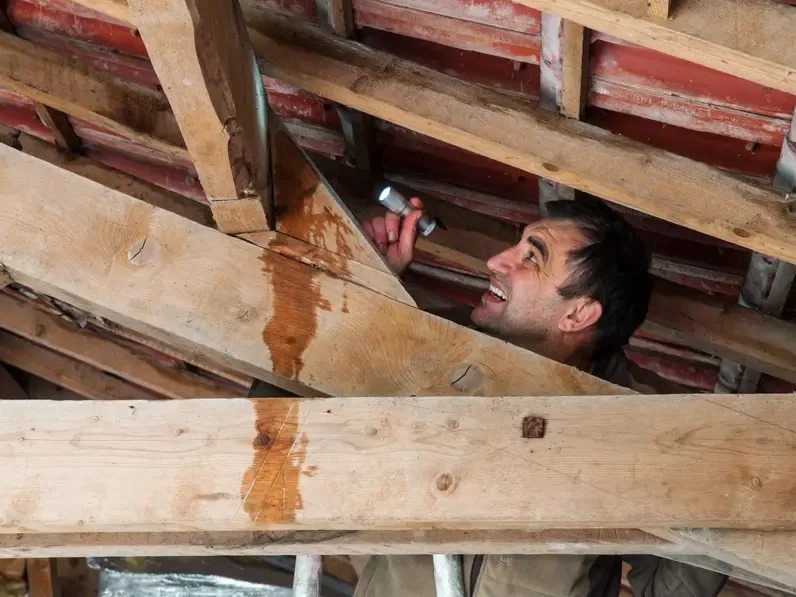
A roof leak rarely leaves a complete map on the ceiling below. Water can run along framing, soak insulation and collect above wallboard before a stain becomes visible. Interior cleanup therefore starts by relating the room damage to the attic assembly, including places that are difficult to inspect from the floor.
How roof leak water damage progresses
Relate roof and room findings
The assessment connects the reported entry point with interior staining, attic access and wet material locations so the proposed work follows the whole path through the building.
Protect the room below
Contents and usable surfaces are considered before controlled opening or material removal, with unsafe overhead sections assessed before anyone works beneath them.
Reach concealed moisture
Unsuitable insulation or damaged finishes are removed where necessary to expose the retained assembly and allow an effective drying arrangement around wet framing.
Document the repair transition
Readings and material observations explain the drying outcome, while the handoff identifies roof work and interior replacement tasks still needed before the room is finished.
First steps for roof leak water damage
- 1Stay below stable material. Occupants should avoid rooms beneath bulging or weakened ceilings and report any falling debris before an interior assessment is arranged.
- 2Describe the rainfall connection. The initial account should state whether dripping starts during rain, continues afterward or appears without a recent exterior water event.
- 3Keep attic access undisturbed. Wet framing, hidden openings and uncertain footing make an attic inspection unsuitable for an unplanned search by an occupant.
- 4Save roofing findings. Photos and the roof repair description help connect exterior work to the wet insulation, ceiling layers and framing addressed during cleanup.
Read the path above the stain
A roofing professional addresses the exterior entry point. Restoration inspection follows the water already inside, checking framing surfaces, insulation and the ceiling beneath them. These tasks overlap in location but serve different purposes. A sealed roof opening can prevent renewed entry while wet interior layers still require removal, exposure or drying.
Sperry properties may be described by access near State Highway 11, Osage Prairie Trail or the business district. For the interior assessment, the useful details are the stained room, available attic access and whether water appears during rainfall or continues dripping afterward. That description helps focus the inspection without treating the stain as the entire loss.
- Saturated insulation can conceal wet framing and block airflow to the ceiling assembly.
- Water may travel along a roof member before dropping into a different room.
- Electrical fixtures beneath the leak require a safety assessment before nearby work begins.
- A softened ceiling section needs stability evaluation before anyone stands or works below it.
Describe the ceiling mark, available attic access and any roof repair findings. Those details help connect the exterior entry with the interior materials that still need attention.
(888) 619-9509Explain the stain and attic accessOpen the assembly where treatment needs access
Attic access should be assessed for safe footing and working space. Occupants should not climb into a wet attic to locate a drip, particularly when the ceiling below has changed shape. Inspection may require controlled access from above or below, chosen around the construction and the condition of the affected materials.
- Connect the room stain with the attic area and roofing findings.
- Identify insulation and finishes that obstruct inspection of wet structure.
- Remove unsuitable material through a protected route inside the building.
- Dry retained framing and track the response at identified measurement points.
A removal decision should explain whether material is physically damaged, unable to dry in place or preventing access to another wet layer. The ceiling finish, insulation and structural wood should not be treated as interchangeable. Their conditions determine what remains, what is exposed and what replacement work will be needed after drying.
Safe access comes first
The restoration crew checks electrical exposure, overhead stability and the water source before entering the wet area. Occupants keep clear of sagging ceilings and contaminated floors. A qualified professional isolates affected circuits from a dry location. These checks precede extraction because standing water can conceal damage that a surface inspection misses.
Finish the interior scope before cosmetic repair
Painting the stain can hide the first warning while moisture remains above it. The handoff to repair should identify the roof source status and the condition of retained interior materials. Replacement insulation and ceiling finishes can then be planned around a documented assessment rather than the disappearance of active dripping alone.
Hominy Creek appears in the town's early settlement history, but an overhead leak needs a roof specific account. Reporting wind driven entry, recurring marks or wet attic storage helps direct the inspection toward actual openings and affected belongings. Any such observation should be recorded as part of the property's event description.
- Keep roof repair findings with photographs of the interior damage.
- Identify attic storage or contents contacted by the water path.
- Record drying locations before replacement insulation covers the framing.
- Separate ceiling replacement and painting from extraction and drying work.
If the visible damage is concentrated overhead, ceiling leak cleanup explains room protection and cavity access. The Sperry restoration overview covers other water entry patterns.
What does roof leak water damage cost in Sperry, OK?
Roof leak water damage cleanup in Sperry ranges from $800 to $4,500 across these scopes. Attic access, wet insulation and ceiling damage shape the interior work; exterior roof repair should be identified separately.
Small ceiling area
$800 to $1,500
- Localized stain
- Limited exposure
- Material checks
Attic and ceiling layers
$1,500 to $3,000
- Insulation removal
- Framing access
- Protected room
Several wet bays
$3,000 to $4,500
- Wider inspection
- Connected cavities
- Expanded drying
These planning ranges are estimate only. Water category, affected area, material class and the delay before extraction change the scope. The water damage cost calculator explores those variables.
Careful decisions for roof leak water damage
Rapid local response
The response team assesses active water, access and source control during 24/7 dispatch. Arrival depends on current conditions and the work required at the property.
IICRC S500 drying standard
The drying technician compares wet assemblies with suitable dry references and adjusts dehumidification to the material load. A dry surface alone does not close the job.
Claim-ready documentation
The mitigation team records initial damage, material decisions, equipment and daily readings. The property owner retains a clearer account of the loss for the insurance review.
Local water experts
The contractor checks the actual building and the reported source before choosing a method. Indoor supply releases, contaminated outside water and backed-up drains require different handling.
Roof leak water damage in Sperry
Roof leak assessments cover Sperry's 74073 properties, with attic access, ceiling condition and the affected entrance described during intake for homes around State Highway 11.
The same service nearby: roof leak water damage in Sand Springs, Owasso, Oakhurst.
Related water damage services in Sperry
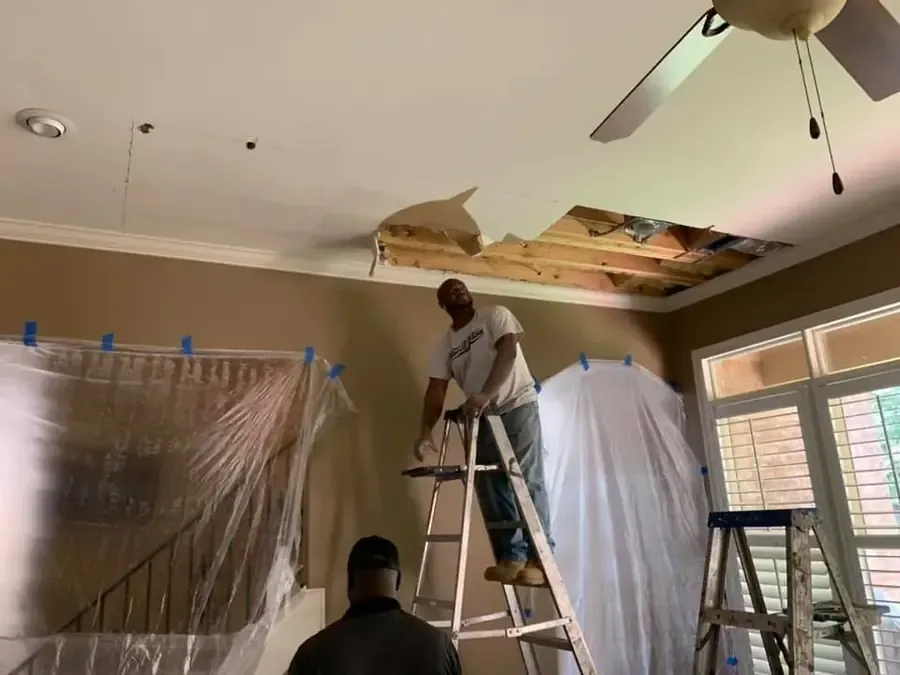
Ceiling Leak Water Damage in Sperry
Overhead water requires safe access to the source before damaged ceiling materials come down.
Read about ceiling leak water damage ›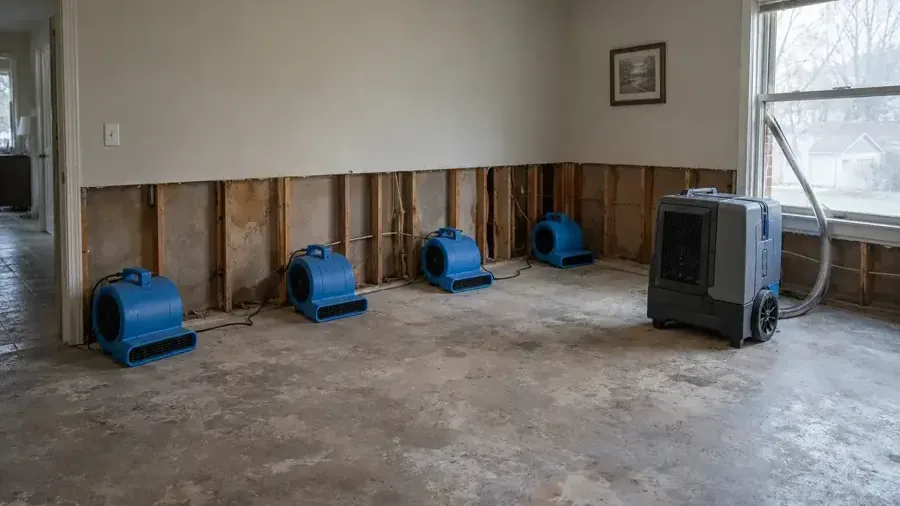
Structural Drying in Sperry
Material readings direct dehumidification until the assembly reaches a defensible drying goal.
Read about structural drying ›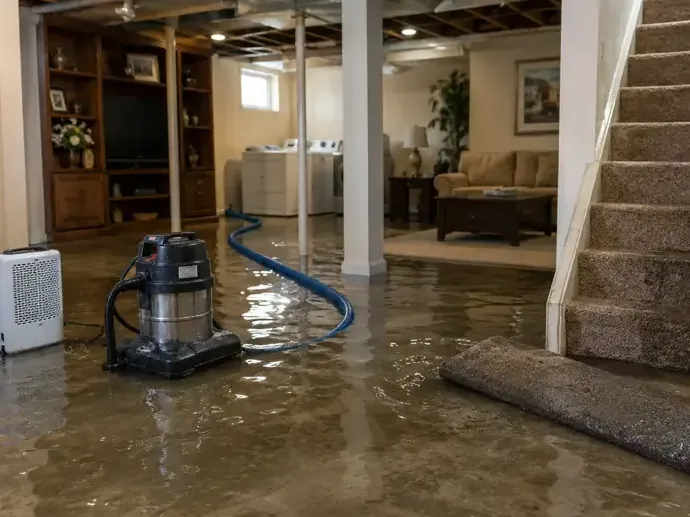
Storm Flood Cleanup in Sperry
Outside water brings sediment and contamination indoors, changing both extraction and material decisions.
Read about storm flood cleanup ›Roof Leak Water Damage questions in Sperry, OK
Why is the ceiling stain away from the roof opening?
Water can follow rafters, sheathing joints or other attic surfaces before it drops onto the ceiling. The visible mark may therefore be separated from the exterior entry. Inspection should trace that route and check the intervening insulation and framing, rather than assuming the roof defect sits directly above the darkest stain.
Does roof repair remove the need for interior cleanup?
Repairing the entry point prevents further water intrusion when the repair is effective, but existing moisture may remain inside insulation and ceiling layers. The interior assessment determines which materials need treatment. Roof repair records and drying records should stay distinct so the owner can understand what each part of the work accomplished.
Can wet insulation stay in place?
Its condition, contamination and ability to dry throughout the affected area determine that decision. Insulation may also prevent access to wet framing or the upper face of the ceiling. The scope should explain whether removal is required for material condition, inspection access or drying, and identify replacement as a separate finishing task.
Should a stained ceiling be punctured to release water?
A ceiling holding water may be unstable and can conceal wiring or other hazards. Occupants should stay clear of the affected section and describe its shape from a safe position. Any controlled opening should follow an assessment of the assembly, with room protection and a plan for handling trapped liquid and falling material.
What if dripping stops when the rain ends?
Stopped dripping does not show that the attic assembly is dry. Insulation and wood may retain moisture after the visible flow ends. Inspection and measurements help establish whether interior treatment is needed, while the roofing assessment addresses the entry that could reopen the damage during another rainfall event.
Can stored attic items remain during drying?
Items contacted by water need assessment, and some may block access to the affected framing or insulation. The work plan should identify what must be moved and how it can be handled safely. Photographs before movement help preserve the original arrangement and show which belongings were in the water path.
When can the ceiling be repainted?
Cosmetic repair should follow source control and assessment of the ceiling assembly. Damaged material may need replacement, while retained areas need suitable moisture conditions before coating. The handoff should explain the drying result and any remaining repair steps so paint does not conceal moisture that still needs attention above the visible surface.
What details help the initial roof leak conversation?
Useful details include the affected room, when dripping appears, the size and shape of the stain and whether attic access is available. Any roofing findings also help. Occupants should report sagging, wet light fixtures or fallen material because those conditions affect the safety and sequence of the interior assessment.
Trace roof water through the interior layers
A coordinated assessment addresses wet insulation, retained framing and damaged ceiling material before the room returns to cosmetic repair.
(888) 619-9509Discuss the attic and ceiling damage