Roof Leak Water Damage in Oakhurst
A ceiling spot may sit away from the roof opening that caused it. Interior recovery traces rainwater across attic materials and down connected surfaces before damaged layers are closed again.
(888) 619-9509Describe the rainwater damage indoors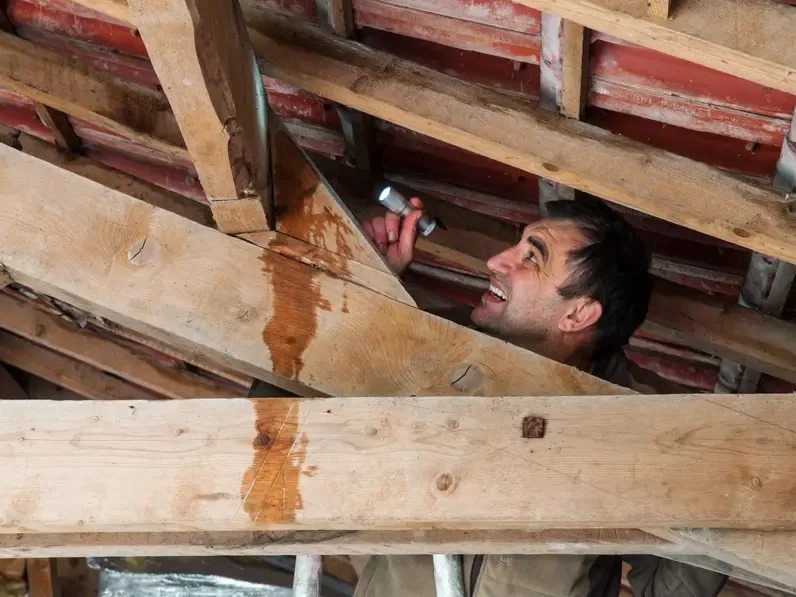
Rain entering above an Oakhurst room may travel along framing before it reaches the ceiling. A stain beneath that path can be smaller than the wet insulation above it. Interior cleanup therefore starts by connecting the visible symptom with accessible attic and wall materials, while roof repair addresses the opening outdoors.
How roof leak water damage progresses
Connect stain and entry
The assessment considers roof repair status and follows accessible attic evidence toward the ceiling or wall where the indoor damage became visible.
Evaluate overhead materials
Insulation, ceiling board and framing are assessed for saturation, physical condition and safe access, with removal decisions explained for each affected layer.
Dry exposed retained areas
Equipment placement addresses the accessible wet structure, and material readings show whether the setup is reaching the areas identified during inspection.
Prepare the ceiling handoff
Records describe the roof coordination, removed layers and drying results so reconstruction can proceed with a clear account of the concealed assembly.
First steps for roof leak water damage
- 1Stay below safe surfaces. A room beneath a sagging or heavily saturated ceiling should remain clear while overhead conditions and access receive professional assessment.
- 2Note rain related changes. The contact should describe whether the stain expands during rain and whether dripping continues after the weather changes outside.
- 3Coordinate exterior attention. The roofing trade addresses the entry opening so interior cleanup can proceed without relying on equipment to offset continued rainwater intrusion.
- 4Identify attic access limits. Information about the access opening, stored contents and visible wet areas helps plan an inspection without unnecessary disturbance to unaffected rooms.
Trace the route above the visible stain
Safe attic access depends on the structure, footing, electrical conditions and the condition of overhead materials. Occupants should avoid climbing into a wet or unfamiliar space to chase a drip. The assessment identifies what can be reached safely and which areas need a different access method before material handling begins.
- Record whether staining changes during rain or continues afterward.
- Check insulation near the apparent travel path for retained moisture.
- Inspect wall tops where water could descend from the attic.
- Keep the floor beneath softened ceiling material clear of occupants.
The community includes land in western Tulsa County and northeastern Creek County. Interstate 244 branches from Interstate 44 within Oakhurst. When arranging an interior assessment, a property contact can pair the location with details about attic access, the affected room and any roofing work already underway.
Changes during rain, the location of ceiling stains and the status of roof work help frame the assessment. Attic access details also clarify how the concealed path can be inspected.
(888) 619-9509Explain the ceiling and attic symptomsGive each wet layer its own decision
A ceiling stain, saturated insulation and damp framing need different responses. Paint can conceal discoloration but cannot remove absorbed water. Insulation may obstruct airflow around framing and require removal when its condition or exposure makes retention unsuitable. Sound structural wood may remain accessible for measured drying after damaged finishes are opened.
- Clarify whether the roof opening has been addressed or remains active.
- Inspect the accessible route from attic materials to interior symptoms.
- Evaluate insulation and ceiling layers for damage and drying access.
- Record moisture conditions before reconstruction closes the affected cavity.
Consider water that follows a framing member and drips beside a light fixture. The fixture location is a safety concern, and the wet pathway may extend beyond its opening. Electrical assessment and controlled access take priority over cosmetic ceiling work. The cleanup scope should account for the surrounding cavity rather than treating only the paint mark.
Safe access comes first
The restoration crew checks electrical exposure, overhead stability and the water source before entering the wet area. Occupants keep clear of sagging ceilings and contaminated floors. A qualified professional isolates affected circuits from a dry location. These checks precede extraction because standing water can conceal damage that a surface inspection misses.
Coordinate roof work with interior recovery
Exterior repair and indoor drying should support the same endpoint: a building that is protected from renewed entry and ready for finish repairs. The owner needs clarity about who addresses the roof and who documents the interior materials. Drying equipment cannot compensate for rain continuing through an unresolved exterior opening.
After water removal and selective access, structural drying can address retained framing and connected wall components. A drying record should identify locations checked, materials exposed and areas still inaccessible. This information helps the ceiling repair trade understand the assembly behind the new finish before the room is restored.
- Keep roof repair notes alongside the indoor damage photographs.
- Identify insulation removed from each affected attic or ceiling area.
- Explain how equipment will reach retained materials within the cavity.
- Separate decorative repainting from the underlying moisture recovery work.
Ceiling leak recovery covers related overhead damage when the source is still being identified. The scope should connect that symptom to the entry path before cosmetic repairs hide it.
What does roof leak water damage cost in Oakhurst, OK?
Roof leak damage planning in Oakhurst ranges from $800 to $1,500 for a small ceiling area, $1,500 to $3,000 for attic and ceiling layers and $3,000 to $4,500 for several wet bays. Roofing is separate.
Small ceiling area
$800 to $1,500
- Stain assessment
- Local opening
- Room protection
Attic and ceiling layers
$1,500 to $3,000
- Insulation removal
- Framing access
- Cavity drying
Several wet bays
$3,000 to $4,500
- Broader exposure
- Connected walls
- Moisture tracking
These planning ranges are estimate only. Water category, affected area, material class and the delay before extraction change the scope. The water damage cost calculator explores those variables.
Careful decisions for roof leak water damage
Rapid local response
The response team assesses active water, access and source control during 24/7 dispatch. Arrival depends on current conditions and the work required at the property.
IICRC S500 drying standard
The drying technician compares wet assemblies with suitable dry references and adjusts dehumidification to the material load. A dry surface alone does not close the job.
Claim-ready documentation
The mitigation team records initial damage, material decisions, equipment and daily readings. The property owner retains a clearer account of the loss for the insurance review.
Local water experts
The contractor checks the actual building and the reported source before choosing a method. Indoor supply releases, contaminated outside water and backed-up drains require different handling.
Roof leak water damage in Oakhurst
Roof leak cleanup for Oakhurst connects the indoor damage with safe attic access, affected ceiling materials and exterior repair arrangements at the individual property.
The same service nearby: roof leak water damage in Sand Springs, Bixby, Sperry.
Related water damage services in Oakhurst
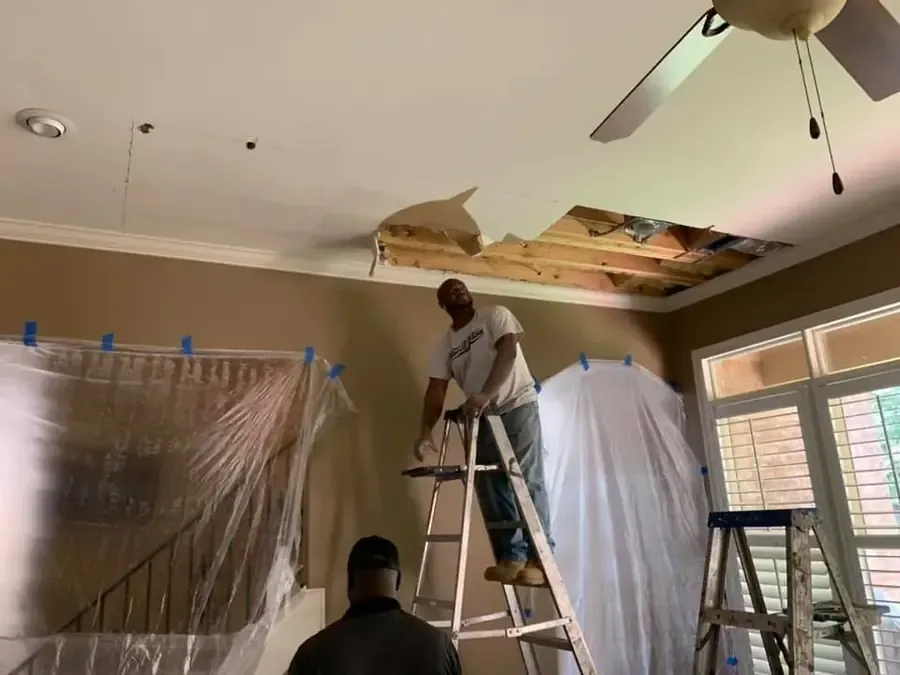
Ceiling Leak Water Damage in Oakhurst
Overhead water requires safe access to the source before damaged ceiling materials come down.
Read about ceiling leak water damage ›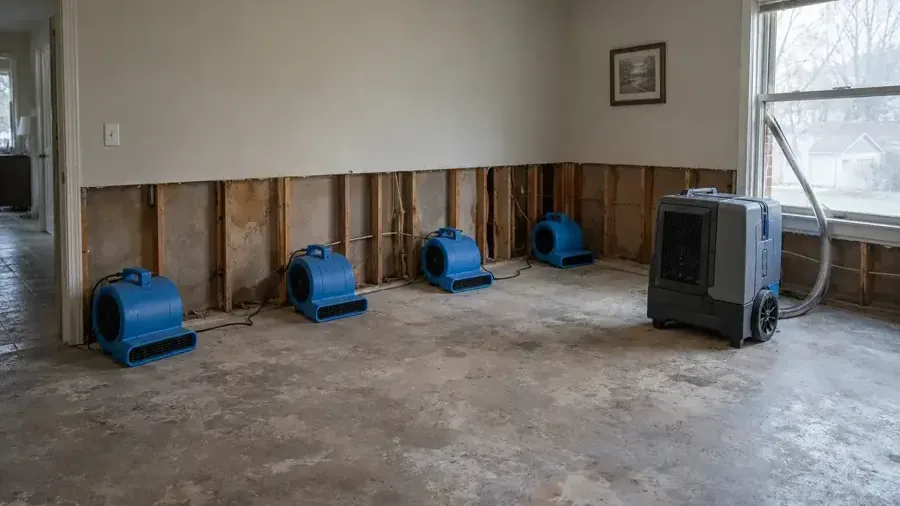
Structural Drying in Oakhurst
Material readings direct dehumidification until the assembly reaches a defensible drying goal.
Read about structural drying ›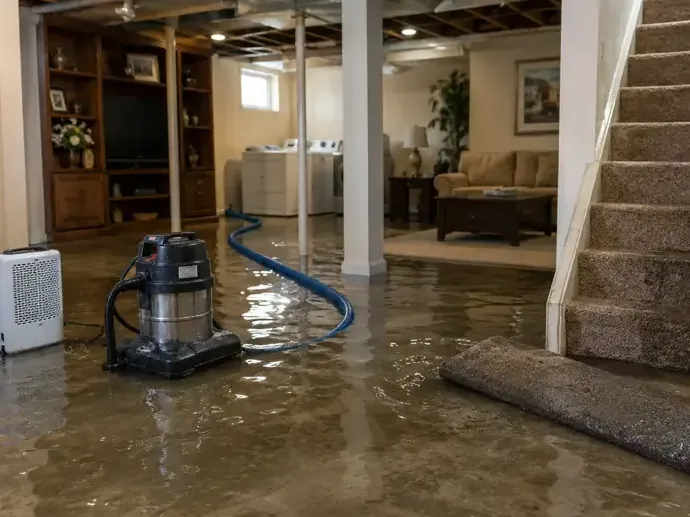
Storm Flood Cleanup in Oakhurst
Outside water brings sediment and contamination indoors, changing both extraction and material decisions.
Read about storm flood cleanup ›Roof Leak Water Damage questions in Oakhurst, OK
Why is the ceiling stain away from the roof opening?
Rainwater can travel along framing or other building surfaces before dripping onto the ceiling. The visible mark may therefore identify the end of a pathway rather than the entry point. An interior assessment follows accessible wet materials and coordinates its findings with the trade responsible for the roof.
Should an occupant enter a wet attic?
Attic access can involve limited footing, concealed electrical hazards and weakened ceiling materials. Occupants should avoid entering when conditions are uncertain. A professional assessment determines how the affected area can be reached and whether another opening is needed to inspect insulation, framing or the ceiling below safely.
Can the stain simply be sealed and painted?
Painting addresses appearance, while wet insulation and framing need separate evaluation. The cause of entry should be controlled and the affected layers assessed before decorative work begins. Otherwise, moisture may remain concealed above the fresh finish or the stain may return when rain enters through the unresolved roof opening.
Does every roof leak require insulation removal?
The decision depends on the insulation's condition, exposure and whether it obstructs effective assessment or drying. Some material may be unsuitable to retain after saturation. The cleanup scope should explain what needs removal and how that access supports recovery of the structural components behind the damaged ceiling.
Who handles water near a ceiling light?
Electrical conditions need attention from the appropriate professional before the fixture or nearby wet materials are disturbed. The room below may also need restricted access if the ceiling is unstable. Once safe conditions are established, the water damage assessment can follow the surrounding cavity and plan material recovery.
What if roof repair happens before the interior inspection?
Interior materials can remain damp after the exterior opening is repaired. Roof repair information helps establish source control, but cleanup still needs to assess insulation, ceiling layers and connected walls. Photographs taken before repairs can also help explain where water entered and how its indoor effects developed.
How is attic drying progress assessed?
Relevant material readings and inspection of the exposed assembly show whether moisture is declining. The setup must reach the affected materials, including areas previously covered by insulation. If access is limited or readings remain elevated, the plan may need adjustments before the ceiling cavity can be closed.
What should the reconstruction trade receive?
The handoff should identify the roof repair status, affected ceiling areas, removed insulation or board and the drying results for retained materials. It should also note any inaccessible sections or outstanding repairs. That information connects the restored finish with the condition of the structure it will cover.
Restore the interior after roof water entry
The recovery plan should follow the rainwater pathway through each affected layer before insulation and ceiling finishes are put back.
(888) 619-9509Discuss roof leak interior recovery