Storm Flood Cleanup in Oakhurst
Outside water can leave grit in a doorway and moisture beneath the floor beyond it. Recovery considers contamination, damaged finishes and safe access before equipment enters the building.
(888) 619-9509Describe where outside water entered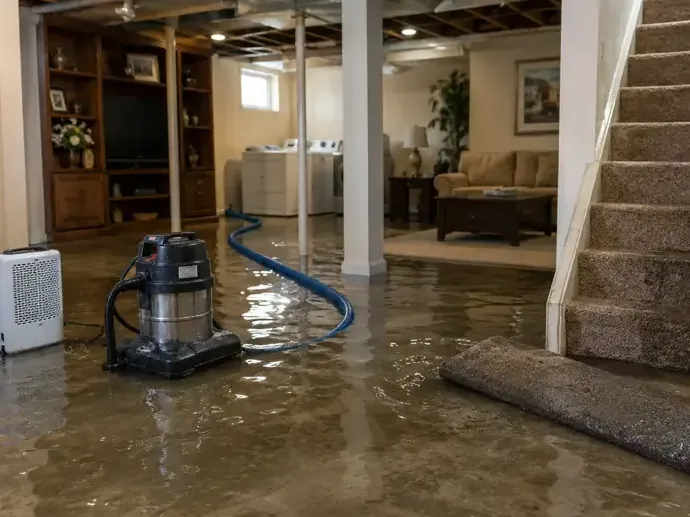
Outside water entering an Oakhurst building can carry soil into spaces that previously stayed dry. A wet threshold may lead to an affected hallway, storage closet or floor cavity. Cleanup must account for the material the water carried as well as the moisture left behind after the level drops.
How storm flood cleanup progresses
Assess entry and contact
The inspection records the likely outdoor entry route, visible debris and indoor materials touched by the water before defining the controlled work area.
Remove water and debris
Equipment and handling methods address accumulated liquid, deposited soil and contents that obstruct access to contaminated floor and wall surfaces.
Expose and clean structure
Unsuitable porous finishes are removed where needed, allowing accessible retained materials to receive cleaning before airflow becomes part of the recovery.
Track the remaining moisture
Measurements identify damp assemblies and document their response to drying while the owner receives a separate account of required entry and finish repairs.
First steps for storm flood cleanup
- 1Wait for safe entry. Uncertain electrical conditions, hidden floor hazards or continuing outside water entry should keep occupants outside the affected rooms.
- 2Describe the opening. The property contact can identify the apparent entry point and any changes in water level noticed from safety.
- 3Protect dry access. Unaffected rooms need separation from muddy shoes, contaminated contents and debris moving out of the damaged area during cleanup.
- 4Preserve damage records. Room photographs and descriptions of water contacted belongings help explain the loss before removal and cleaning alter the visible scene.
Establish the entry path and safe boundary
The assessment begins with building access, electrical conditions and the current source of entry. A room should remain restricted when water hides footing hazards or reaches electrical equipment. The contact can describe the doorway, wall opening or other visible route of entry from a safe position outside the affected space.
Oakhurst lies across Tulsa County and Creek County, with Interstate 44 passing through the community. Location details help arrange property access. Once inside, the inspection follows the individual building's entry points and floor connections to determine which rooms and materials need attention after the outside water recedes.
- Record water marks and deposited debris before cleanup changes the scene.
- Identify absorbent contents that were touched by incoming outside water.
- Keep clean household traffic separate from wet and dirty access routes.
- Check concealed floor edges after visible sediment has been removed.
The apparent entry point, visible debris and rooms touched by outside water are useful details for an assessment. Safe access and current water conditions determine the first recovery decisions.
(888) 619-9509Explain the outdoor entry pathRemove soil before treating retained surfaces
Deposited grit and sludge can remain on a hard floor after pumping. Cleaning must reach those deposits and evaluate porous materials that absorbed contaminated water. Some finishes cannot be effectively cleaned within their thickness. Their removal exposes the underlying structure for cleaning and subsequent moisture assessment.
- Document the apparent entry route and the indoor contact boundary.
- Remove accumulated water and debris using controlled handling arrangements.
- Assess porous finishes and expose retained structural materials as needed.
- Clean accessible surfaces before selecting the remaining drying setup.
A storage room illustrates the layered nature of the work. Water may soak cardboard on the floor, leave sediment beneath a cabinet and wick into wallboard. Each condition requires a decision about handling, cleaning or removal. Clearing the open walking area alone would leave important parts of that room untreated.
Safe access comes first
The restoration crew checks electrical exposure, overhead stability and the water source before entering the wet area. Occupants keep clear of sagging ceilings and contaminated floors. A qualified professional isolates affected circuits from a dry location. These checks precede extraction because standing water can conceal damage that a surface inspection misses.
Keep cleanup and future repairs connected
The cleanup record should identify materials removed, surfaces cleaned and structural components that remain damp. An owner may also need another trade to address the opening or condition that allowed entry. These tasks can have different scopes, so the written plan should distinguish immediate recovery from changes intended to prevent another loss.
After cleaning, structural drying uses readings to track retained materials. Temperature or room comfort alone cannot settle the moisture condition beneath a floor covering. Equipment choices should respond to the actual exposed assembly, while damaged finishes remain part of the later reconstruction discussion.
- Separate affected contents from items stored outside the contact area.
- Label photographs by room to connect them with removal decisions.
- Describe spaces still inaccessible after the first cleanup assessment.
- List entry repairs independently from water removal and drying tasks.
The Oakhurst cleanup overview identifies related services when outside entry also damages ceilings, floorboards or an accessible underfloor space. Recovery remains tied to the conditions found at the property.
What does storm flood cleanup cost in Oakhurst, OK?
Storm flood cleanup in Oakhurst ranges from $3,000 to $5,000 for limited outside entry, $5,000 to $8,000 for several contaminated rooms and $8,000 to $12,000 for extensive wet assemblies. Debris, material removal and access affect the estimate.
Limited outside entry
$3,000 to $5,000
- Entry cleanup
- Surface soil
- Edge checks
Several contaminated rooms
$5,000 to $8,000
- Porous removal
- Contents separation
- Broader cleaning
Extensive wet assemblies
$8,000 to $12,000
- Concealed layers
- Difficult access
- Structural monitoring
These planning ranges are estimate only. Water category, affected area, material class and the delay before extraction change the scope. The water damage cost calculator explores those variables.
Careful decisions for storm flood cleanup
Rapid local response
The response team assesses active water, access and source control during 24/7 dispatch. Arrival depends on current conditions and the work required at the property.
IICRC S500 drying standard
The drying technician compares wet assemblies with suitable dry references and adjusts dehumidification to the material load. A dry surface alone does not close the job.
Claim-ready documentation
The mitigation team records initial damage, material decisions, equipment and daily readings. The property owner retains a clearer account of the loss for the insurance review.
Local water experts
The contractor checks the actual building and the reported source before choosing a method. Indoor supply releases, contaminated outside water and backed-up drains require different handling.
Storm flood cleanup in Oakhurst
Oakhurst storm cleanup assessments focus on the building's actual outside water entry, indoor contamination and safe access, serving properties in both county portions of the community.
The same service nearby: storm flood cleanup in Sand Springs, Bixby, Sperry.
Related water damage services in Oakhurst
Water Extraction in Oakhurst
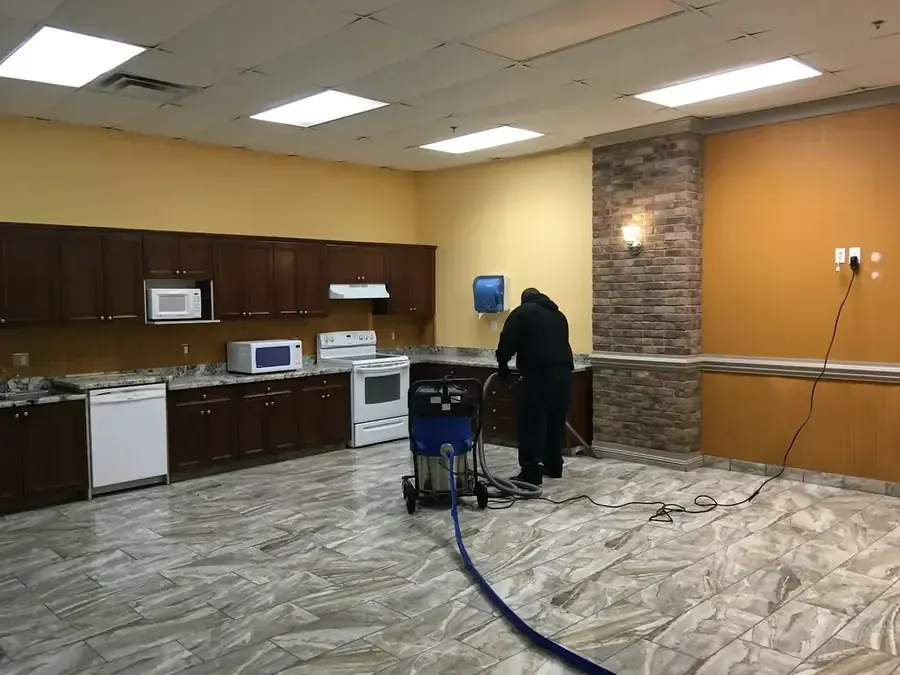
Extractors remove pooled water before the drying equipment tackles moisture inside floors and walls.
Read about water extraction ›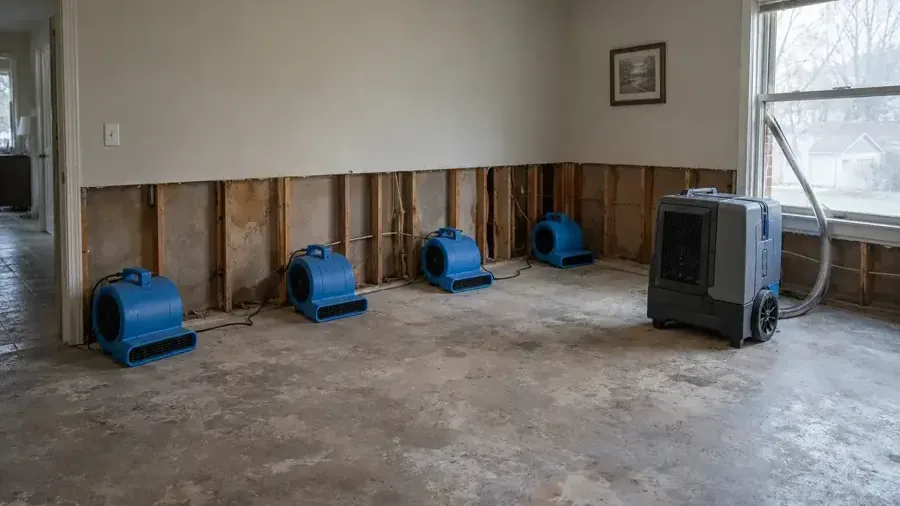
Structural Drying in Oakhurst
Material readings direct dehumidification until the assembly reaches a defensible drying goal.
Read about structural drying ›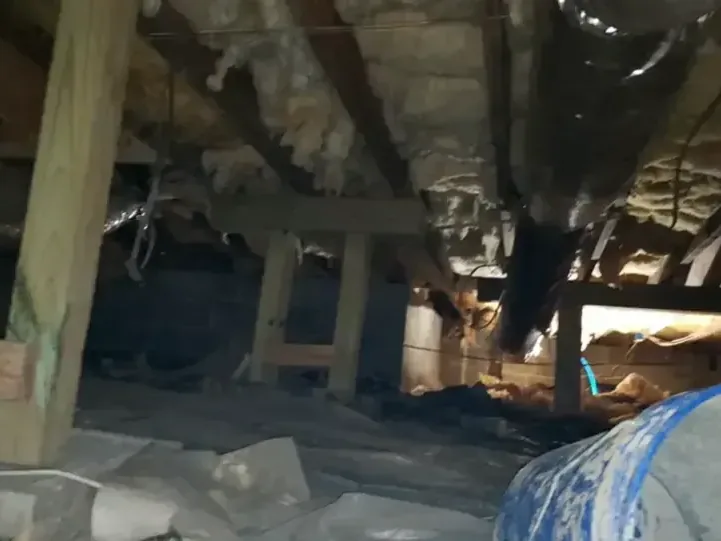
Crawl Space Water Removal in Oakhurst
Underfloor pumping comes with checks of joists, insulation and the moisture beneath the building.
Read about crawl space water removal ›Storm Flood Cleanup questions in Oakhurst, OK
Should outside water be treated like a supply spill?
Water entering from outdoors can carry soil and other contamination into the building. Its contact with porous finishes and contents changes the cleanup approach. Assessment considers the route and materials involved before equipment selection, rather than assuming that clear looking water can be handled like a fresh indoor supply release.
What if the water has already drained away?
Deposited dirt and absorbed moisture can remain after the visible level falls. Wall bases, floor layers and stored belongings may still be affected. An assessment should follow water marks and contact patterns through the rooms, then determine the cleaning, removal and drying work required for the remaining materials.
Can muddy belongings be moved to a clean room?
Moving affected items through clean spaces can spread soil and contamination. Contents handling should use a planned route and a designated assessment area. Photographs and an item list can help document what was exposed before decisions are made about cleaning, storage or disposal of the affected belongings.
Why might wall material need removal above the floor?
Absorbent wall components can draw water upward or hold contamination inside their thickness. The required opening depends on the material and exposure, not simply the final puddle depth. Removal decisions should be explained in the scope and should provide access to the structural surfaces that need cleaning and drying.
Does flood cleanup repair the entry opening?
Immediate cleanup addresses the water, debris and damage inside the building. Repairing a doorway, roof opening or other entry condition may require a separate trade. The project plan should identify that responsibility because continued entry can interfere with drying and create another loss before the room is reconstructed.
What makes a drying plan effective after cleaning?
The plan needs access to the retained wet materials, suitable equipment and repeated measurements at relevant locations. A dry exposed surface does not settle the condition beneath adjacent layers. Tracking those assemblies helps identify progress and determines whether additional access or equipment changes should be discussed during the project.
How can an owner document an outside water loss?
Useful records include safe photographs of entry points, indoor water marks, deposited debris and affected contents. Notes can describe when the water was noticed and whether entry continued. Cleanup records then add material removal decisions, cleaning work and moisture readings to explain how the damaged space was addressed.
When is a room ready for finish replacement?
Readiness depends on the cleaned structure, remaining moisture and the requirements of the proposed finishes. The reconstruction trade should receive the cleanup and drying information before closing cavities or installing flooring. A room may look orderly while still needing further material assessment or preparation for the selected repair system.
Connect debris cleanup with building recovery
A documented scope follows outside water from its entry through affected contents, finishes and the retained structure that needs drying.
(888) 619-9509Discuss the storm cleanup priorities