Storm Flood Cleanup in Bixby
Southtown experienced major floods in 2008 and 2015. When outside water enters a building, recovery starts with safe access, contamination assessment and the materials reached by the incoming flow.
(888) 619-9509Discuss the floodwater inside the building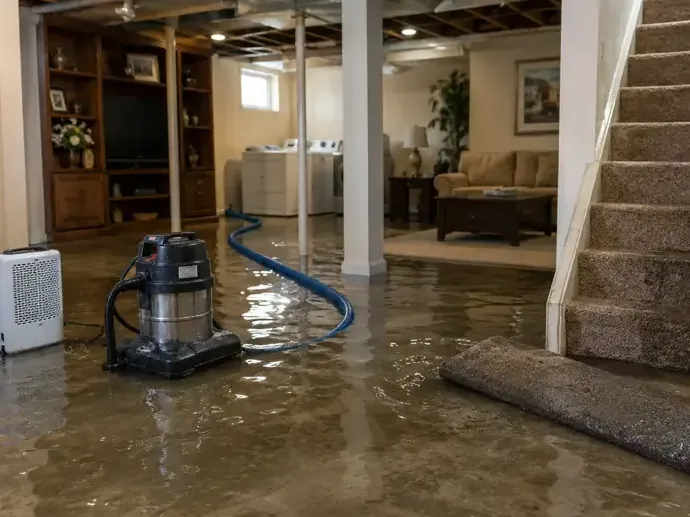
Southtown's past flooding brought water into at least one reported resident's home. That indoor consequence is the starting point for storm flood cleanup in Bixby: what entered, where it settled and which building materials contacted it. An outdoor water event can leave sediment behind after the puddle disappears, so recovery must address more than extracting visible liquid.
How storm flood cleanup progresses
Map the outside-water footprint
The assessment identifies indoor entry points, contaminated surfaces and connected material layers while accounting for access restrictions and electrical or structural hazards that affect the initial work sequence.
Clear bulk liquid and residue
Removal addresses standing water and sediment, followed by documented handling of absorbent components that cannot remain in the affected assembly.
Clean what can be retained
Suitable surfaces are cleaned with attention to concealed contact points, joints and the edges exposed by necessary material removal.
Dry and document the structure
Moisture tracking addresses retained components and records their condition for the owner and the trades responsible for closing and refinishing the rooms.
First steps for storm flood cleanup
- 1Confirm a safe approach. Current official instructions and building conditions determine safe entry before occupants retrieve belongings or cleanup work begins.
- 2Record the indoor entry. Describe the entry points and wet rooms, saving photographs only when they can be taken safely.
- 3Separate contaminated belongings. Keep affected items within the work area until a handling plan prevents residue from being carried through otherwise dry spaces.
- 4Identify the property contact. Identify the contact authorized to approve removal and coordinate insurance records, repairs and access throughout the affected building.
Establish access before sorting belongings
Historical city advisories named Pecan Park, Woodland Acres and other areas. During an active event, current official instructions and property conditions determine whether entry is appropriate. Occupants should stay away from moving water, unsafe structures and wet electrical systems. A cleanup appointment needs a safe approach and a responsible contact who can authorize work.
- Photographs from a safe position can record the original indoor water level.
- Wet belongings should be documented before their movement changes the room's condition.
- Outdoor sediment and drain contact affect how surfaces and porous items are handled.
- Access restrictions should be communicated before workers or equipment reach the property.
Little Snake Creek appeared in city council discussion of Southtown flooding. Inside an affected building, the inspection follows the observed entry points and wet assemblies. Door thresholds, lower walls and floor transitions can reveal how the water moved and which areas need further access after the open floor is cleared.
Describe how outside water entered and which rooms it reached. Access conditions, wet materials and visible residue help establish the starting point for a flood recovery assessment.
(888) 619-9509Discuss outside-water recoveryRemove contamination before concentrating on drying
Floodwater can carry material from outside into absorbent finishes and concealed spaces. The cleanup plan identifies components that cannot be recovered practically and surfaces that can be cleaned. Leaving contaminated padding beneath a dry-looking covering prevents the room from reaching a sound repair condition even when the air feels less humid.
- Define the affected rooms and establish a controlled handling route.
- Remove accessible water, sediment and unsalvageable absorbent components.
- Clean suitable remaining surfaces and expose inaccessible wet contact areas.
- Apply a drying plan to the recoverable structural materials left behind.
Water extraction is part of this sequence. Removal equipment must suit the actual conditions, and affected contents may need to be moved or discarded before full access is possible. Each material decision should be recorded so the owner can connect the work to the original flood damage.
Safe access comes first
The restoration crew checks electrical exposure, overhead stability and the water source before entering the wet area. Occupants keep clear of sagging ceilings and contaminated floors. A qualified professional isolates affected circuits from a dry location. These checks precede extraction because standing water can conceal damage that a surface inspection misses.
Prepare for reconstruction with a clear record
Flood recovery often involves several parties: the owner, an insurer, cleanup workers and repair trades. A practical record keeps their responsibilities understandable. It should show what was removed, what was cleaned and which retained materials still need drying. Coverage questions belong with the insurer and the actual policy, including the cause of water entry.
New wallboard or flooring should follow suitable material conditions rather than a cleaner appearance alone. Moisture can remain at joints or behind built-in features after the open room improves. The structural drying process helps document those remaining conditions before finish work covers them.
- Save photographs of removed materials and concealed water paths.
- Keep estimates for cleanup separate from chosen replacement finishes.
- Record access limitations that prevented inspection of any affected area.
- Identify the next responsible trade for each remaining repair task.
A complete handoff explains the room's present state and the work still needed. This lets recovery proceed as a coordinated set of property decisions after the outside water has receded.
What does storm flood cleanup cost in Bixby, OK?
Storm flood cleanup costs in Bixby depend on contaminated materials, wet assembly depth and access after the event. A limited entry can require less work than connected rooms with sediment beneath finishes, so the property assessment establishes the actual scope.
Limited outside entry
$3,000 to $5,000
- Focused removal
- Surface residue
- Accessible materials
Several contaminated rooms
$5,000 to $8,000
- Connected spread
- Porous losses
- Expanded cleaning
Extensive wet assemblies
$8,000 to $12,000
- Concealed layers
- Broader demolition
- Structural monitoring
These planning ranges are estimate only. Water category, affected area, material class and the delay before extraction change the scope. The water damage cost calculator explores those variables.
Careful decisions for storm flood cleanup
Rapid local response
The response team assesses active water, access and source control during 24/7 dispatch. Arrival depends on current conditions and the work required at the property.
IICRC S500 drying standard
The drying technician compares wet assemblies with suitable dry references and adjusts dehumidification to the material load. A dry surface alone does not close the job.
Claim-ready documentation
The mitigation team records initial damage, material decisions, equipment and daily readings. The property owner retains a clearer account of the loss for the insurance review.
Local water experts
The contractor checks the actual building and the reported source before choosing a method. Indoor supply releases, contaminated outside water and backed-up drains require different handling.
Storm flood cleanup in Bixby
Flood damage assessments include properties around Johns Park and Southwood South when access is safe, with current restrictions and the actual indoor water path shaping the recovery plan.
The same service nearby: storm flood cleanup in Sand Springs, Oakhurst, Owasso.
Related water damage services in Bixby
Water Extraction in Bixby
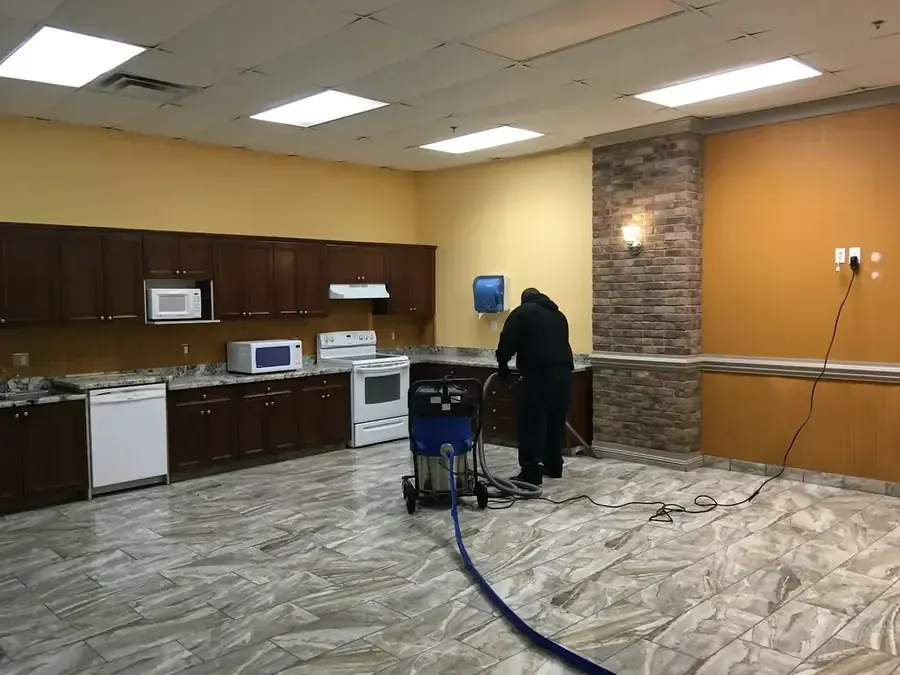
Extractors remove pooled water before the drying equipment tackles moisture inside floors and walls.
Read about water extraction ›
Structural Drying in Bixby
Material readings direct dehumidification until the assembly reaches a defensible drying goal.
Read about structural drying ›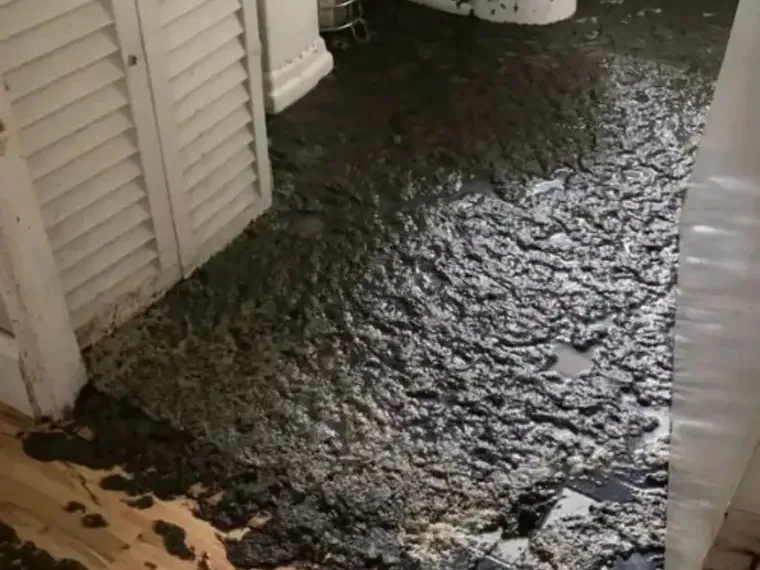
Sewage Backup Cleanup in Bixby
Contaminated drain water calls for controlled removal, cleaning and disposal of affected porous materials.
Read about sewage backup cleanup ›Storm Flood Cleanup questions in Bixby, OK
Can an old flood advisory determine whether a house is damaged?
The building's actual condition determines its damage scope. Historical advisories identify areas named during past events, while current access and indoor moisture need present assessment. The owner should provide discovery photographs and observations about entry points so the cleanup plan addresses what happened at that property rather than relying on a neighborhood label.
Should a homeowner begin pumping immediately?
Safe access, electrical conditions, structural concerns and the surrounding water conditions need assessment first. Unplanned removal can create additional hazards in some buildings. Occupants should keep away from unsafe water and explain the conditions when requesting help. The removal method and sequence should fit the property and the water still around it.
Why can outside water require more removal than a pipe spill?
Outdoor water may bring sediment and contamination into absorbent materials or inaccessible layers. Some components cannot be cleaned throughout their thickness after that exposure. The assessment identifies actual contact and recovery options, then explains which materials require removal and which can be cleaned and dried before the room is put back together.
What photographs are most helpful after flooding?
Useful images show each affected room, visible entry points, wet belongings and the original condition of walls and floors. Photos should be taken only from safe positions. Images of material removal and exposed cavities later add context, helping the owner connect the initial water path with the cleanup and reconstruction work that followed.
Does a city debris collection arrangement cover indoor cleanup?
Debris collection and property restoration are separate activities. Southtown flood response included city funding for roll-off dumpsters, which helped residents dispose of flood debris. An individual building still needs its own assessment of contamination, damaged materials and moisture, with access and disposal arrangements coordinated around the current conditions and available services.
Can furniture stay while the structure dries?
That depends on the furniture's exposure, condition and whether it blocks cleaning or airflow at wet assemblies. Contaminated items may need separate handling or disposal. The plan should identify what can remain safely and what must move, while avoiding the transfer of wet residue into unaffected rooms during the recovery work.
Will the insurer treat floodwater like an indoor supply leak?
Coverage depends on the policy and the cause of loss, so the owner should describe the outside entry accurately. Cleanup records can document the source observations, affected materials and necessary work. The insurer makes the policy decision, and estimates should separate immediate mitigation from reconstruction to keep that discussion clear.
When is the property ready for new flooring?
The affected assembly needs the required contamination work and suitable moisture conditions before a new finish is installed. The flooring trade also checks the chosen product's substrate requirements. A useful recovery record identifies retained layers, moisture conditions and any repairs beneath the floor so installation does not conceal unfinished work or unsuitable material.
Plan the work after safe reentry
Arrange an assessment covering contaminated materials, removal needs and the drying sequence before the building receives replacement finishes.
(888) 619-9509Request a flood damage assessment