Storm Flood Cleanup in Owasso
Flooded approaches can complicate a building assessment before cleanup begins. Safe entry, the water's route indoors and the materials it touched establish the priorities for removing storm related water.
(888) 619-9509Discuss flood entry and safe access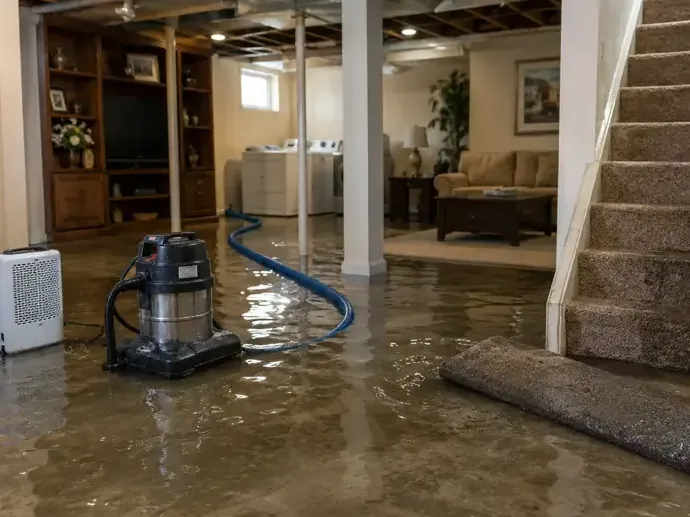
An Owasso storm report describes temporary street closures caused by flooding and standing water. The same report describes hydroplaning accidents on southbound US 169 south of 76th Street North. A cleanup visit begins with a usable approach to the property; occupants should avoid water covered roadways while arranging an assessment of water that reached the building.
How storm flood cleanup progresses
Survey the entry path
The assessment follows water from the exterior opening into connected rooms, recording debris, surface conditions and hazards. This establishes the cleanup boundary before equipment or contents are moved.
Extract and remove sediment
Accessible water and settled debris are addressed with methods suited to the contact conditions and the surfaces remaining in place.
Evaluate porous construction
Wet floor coverings, wall bases and other absorbent materials are inspected to determine removal needs and workable access for retained assemblies.
Track the drying handoff
Measurements, room photographs and an account of remaining repairs establish what has been completed and what must happen before finish replacement.
First steps for storm flood cleanup
- 1Confirm an open approach. The contact describes road closures and standing water before an accessible property approach is arranged.
- 2Document indoor entry. Safe photographs capture thresholds, water marks and debris before extraction or movement of wet belongings changes the visible pattern.
- 3Separate affected contents. Items contacted by outdoor water remain apart from dry belongings while their materials and condition are assessed for handling.
- 4Plan room recovery. The scope connects removal and cleaning with moisture checks, access openings and the repairs needed after retained materials are dried.
Establish where outdoor water crossed indoors
The first visible wet room may not identify the entire entry route. Water can pass through an opening, spread across a hard floor and enter absorbent materials at its edges. Photographs of thresholds, debris deposits and water marks help preserve that path before pumping and material movement change the scene.
- Record the affected entrance and rooms visible from a safe dry position.
- Keep sediment covered belongings separate from contents that remained above the water.
- Identify electrical equipment and unstable finishes before anyone approaches the wet area.
- Describe any access restrictions that remain after exterior water levels have receded.
Elm Creek flows into Bird Creek, providing local waterway context. The cleanup scope for an individual property should follow the observed entry and indoor contact area. That focus helps determine the materials requiring attention and keeps the work connected to the actual room conditions documented during the assessment.
Describe the outside entry point, affected rooms and any approach still blocked by standing water. These details help organize a safe assessment and the indoor cleanup sequence.
(888) 619-9509Explain the flood entry routeRemove water and sediment in a controlled sequence
Outside water brings different material handling decisions from a small contained plumbing release. Sediment may settle beneath furniture or remain in joints after the open floor clears. The source history, visible debris and absorbency of contacted materials influence which items can remain and which require removal.
- Identify the wet footprint and protect a route through the building.
- Remove pooled water and accessible debris within the established work boundary.
- Assess contacted porous finishes before selecting cleaning and removal methods.
- Check retained construction for moisture after the surface cleanup is complete.
A business in the Redbud District may need to protect records and maintain a separate entrance for unaffected work areas. Those operational needs belong in the initial scope. They should not require employees or customers to cross the wet cleanup route while equipment or affected contents are being moved.
Safe access comes first
The restoration crew checks electrical exposure, overhead stability and the water source before entering the wet area. Occupants keep clear of sagging ceilings and contaminated floors. A qualified professional isolates affected circuits from a dry location. These checks precede extraction because standing water can conceal damage that a surface inspection misses.
Prepare for drying and repair decisions
Cleaning the visible surface is followed by assessment of wall bases, floor layers and enclosed spaces reached by water. Material readings show where further drying or access is needed. The structural drying page explains the measurement stage that supports decisions about retaining materials and closing opened assemblies.
The owner should keep a record of the entry route, removed items and cleaning work alongside photographs. Source correction or building repairs may need their own trade and estimate. A closing report should distinguish those future tasks from completed water removal so no unresolved area is lost in the handoff.
- Retain photographs of sediment deposits before the floor is cleaned.
- List inaccessible spaces that need a later assessment or opening.
- Keep contents disposal decisions tied to material condition and exposure.
- Confirm drying readiness before covering retained construction with new finishes.
Reoccupation depends on the condition of the affected space and the remaining work. The plan should explain which rooms can be used and which still need controlled access.
What does storm flood cleanup cost in Owasso, OK?
Storm flood cleanup costs in Owasso depend on outside water spread, sediment and affected materials. The planning ranges describe interior cleanup scale; exterior corrections, reconstruction and specialized contents work should be identified separately in the proposed estimate.
Limited outside entry
$3,000 to $5,000
- Small footprint
- Accessible sediment
- Contained removal
Several contaminated rooms
$5,000 to $8,000
- Room transitions
- Porous materials
- Controlled handling
Extensive wet assemblies
$8,000 to $12,000
- Broad exposure
- Concealed moisture
- Complex drying
These planning ranges are estimate only. Water category, affected area, material class and the delay before extraction change the scope. The water damage cost calculator explores those variables.
Careful decisions for storm flood cleanup
Rapid local response
The response team assesses active water, access and source control during 24/7 dispatch. Arrival depends on current conditions and the work required at the property.
IICRC S500 drying standard
The drying technician compares wet assemblies with suitable dry references and adjusts dehumidification to the material load. A dry surface alone does not close the job.
Claim-ready documentation
The mitigation team records initial damage, material decisions, equipment and daily readings. The property owner retains a clearer account of the loss for the insurance review.
Local water experts
The contractor checks the actual building and the reported source before choosing a method. Indoor supply releases, contaminated outside water and backed-up drains require different handling.
Storm flood cleanup in Owasso
Storm water assessments in Owasso account for building access near U.S. Highway 169, the Redbud District and Elm Creek, with entry conditions described before arrival.
The same service nearby: storm flood cleanup in Sand Springs, Sperry, Oakhurst.
Related water damage services in Owasso
Water Extraction in Owasso
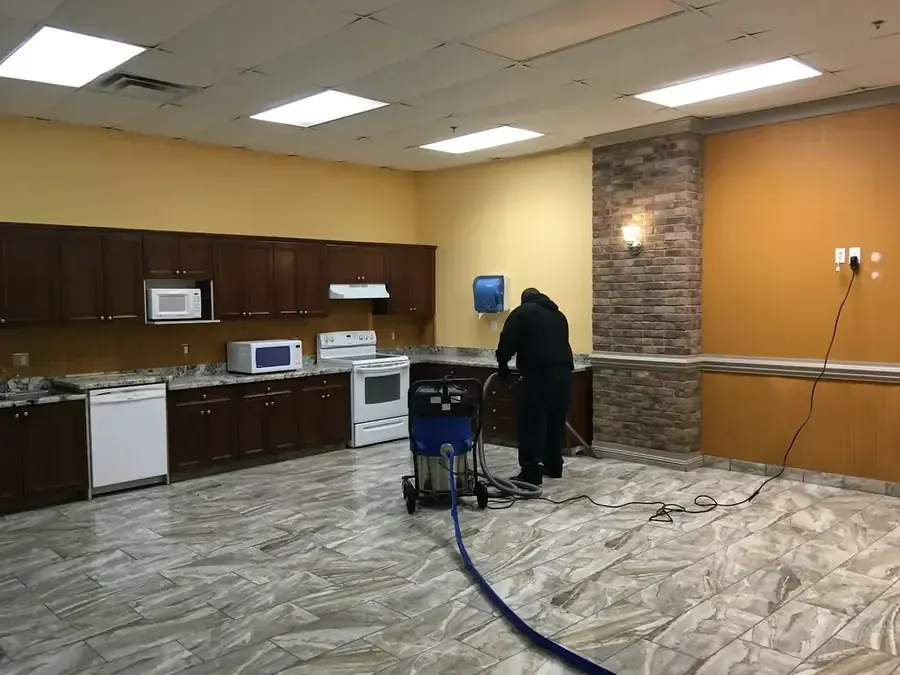
Extractors remove pooled water before the drying equipment tackles moisture inside floors and walls.
Read about water extraction ›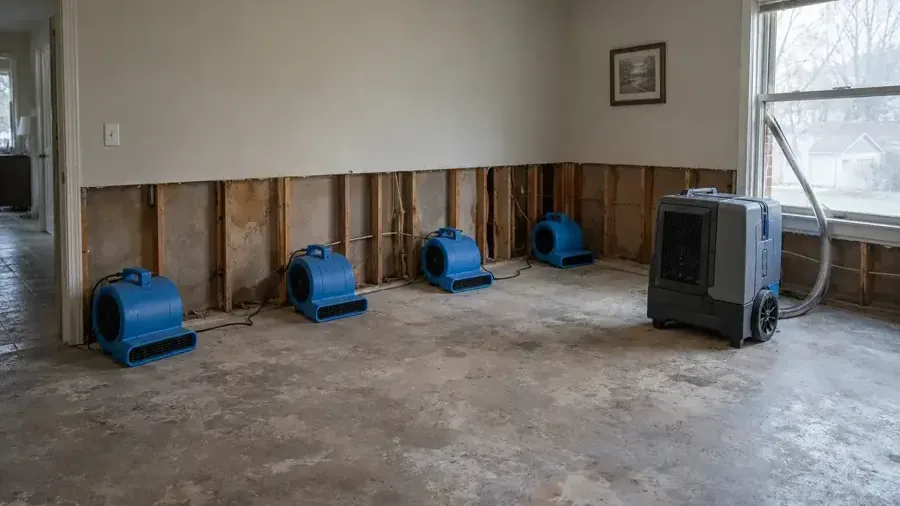
Structural Drying in Owasso
Material readings direct dehumidification until the assembly reaches a defensible drying goal.
Read about structural drying ›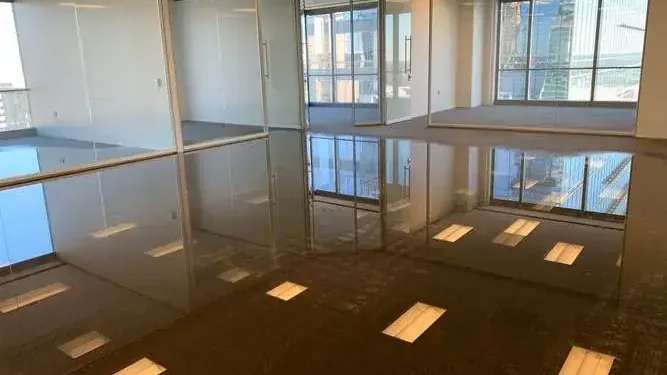
Commercial Water Damage in Owasso
Occupied buildings need controlled work zones and clear moisture records alongside extraction.
Read about commercial water damage ›Storm Flood Cleanup questions in Owasso, OK
Can cleanup begin while nearby roads remain flooded?
The assessment requires a safe approach to the property and safe entry to the building. The property contact should describe closures and standing water rather than attempting a flooded route. Indoor conditions can be discussed while access is arranged, but occupants should avoid crossing water covered roads to obtain photographs.
Why does sediment matter after the water recedes?
Sediment shows where outdoor water contacted surfaces and may remain in joints or under contents after visible pooling disappears. It affects cleaning and material handling decisions. The cleanup record should capture deposits before removal so the owner can connect the treated area with the original spread through the rooms.
Can a wet rug simply dry outside and return?
The rug's material, contamination exposure and condition need assessment before reuse. Outdoor floodwater can carry more than moisture, and appearance after drying does not settle whether an item is suitable to retain. Contents decisions should identify what can be treated appropriately and what needs removal from the affected building.
Does a creek location determine the cleanup scope?
The actual water entry and indoor contact pattern determine the work at a property. An assessment documents openings, room transitions and wet materials, then establishes removal and drying needs. Local waterway context can help describe location, while the room record keeps the proposed work specific to the loss being assessed.
Should a business reopen after the floor is pumped?
Pumping is only part of recovery. Contamination, wet construction, electrical conditions and remaining cleanup activity all affect use of the space. The manager should receive a description of completed work and access restrictions. Unaffected operations may need a separate route that avoids equipment movement and the remaining wet area.
What information helps explain a storm water claim?
Photographs of the entry route, water marks and affected contents provide a useful starting record. The owner should retain cleanup scopes, source correction notes and disposal details. The policy provider determines coverage using the policy and circumstances, so the record should describe observed conditions and work rather than promise a payment outcome.
Will every wall need an opening after flood entry?
The extent of contact, material condition and moisture readings determine access needs. Some wet assemblies require removal to reach concealed areas, while unaffected construction may remain intact. The proposed scope should identify each opening and its purpose so the owner understands how it supports cleaning, drying or the later repair.
What is the last step before replacing finishes?
Retained construction should be assessed against the drying objective, and unresolved entry or repair issues should be documented. The repair trade needs the moisture record and the list of removed materials. This handoff helps replacement finishes follow the condition of the building rather than merely the disappearance of visible water.
Plan recovery after outdoor water intrusion
Removal, material handling and measured drying should follow the water path recorded inside the building.
(888) 619-9509Arrange a storm water assessment