Commercial Water Damage in Owasso
Business water damage creates decisions about people, contents and usable space at the same time. A coordinated cleanup plan identifies affected areas and establishes who can authorize entry, removal and repair work.
(888) 619-9509Discuss the affected business space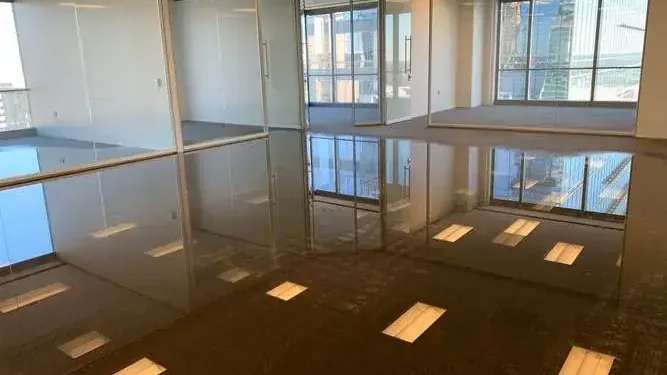
The Redbud District includes office developments, U.S. 169 has commercial sites and Stone Canyon is identified as a campus space location. These settings make building use an essential part of an Owasso water damage assessment. A cleanup scope needs the wet footprint, but it also needs to account for tenants, staff, contents and authorized access.
How commercial water damage progresses
Survey the business footprint
The assessment connects visible water and material readings with tenant areas, shared routes and contents. Approval roles and access limits are recorded so the proposed work can be coordinated efficiently.
Control the work area
Extraction and material handling use an agreed route, with unaffected inventory and circulation protected from water movement and the active cleanup operation.
Monitor retained construction
Drying follows the affected assembly, with scheduled access for measurements and adjustments that the manager can incorporate into the building's operating plan.
Deliver a room based handoff
The closing record identifies completed work, remaining restrictions and repair needs for each affected area, supporting practical decisions about the next trade and room use.
First steps for commercial water damage
- 1Establish authority. The manager names the contacts approving building access, contents movement and removal.
- 2Map affected operations. The assessment records wet rooms and the business functions that must be protected while extraction and inspection proceed.
- 3Protect contents records. Inventory and equipment are documented by location before movement into a designated area outside the wet cleanup route.
- 4Coordinate return decisions. Source status, drying results and outstanding repairs are shared with the authorized contact before affected spaces return to use.
Identify the decisions that cannot wait
The property contact should establish who can approve material removal and coordinate source work. A tenant may control business contents while an owner controls building repairs. Listing those roles early helps extraction and drying proceed with clear instructions, especially when the water crosses a suite boundary or affects shared circulation space.
- Identify the source status and any conditions preventing safe entry to the building.
- List occupied rooms, sensitive inventory and equipment near the wet area.
- Establish a protected route for workers, hoses and removed materials.
- Name the contact authorized to approve access and changes in the cleanup scope.
Offices, storage areas and public facing rooms may need different contents handling. Documents require a different assessment from a hard surface fixture, and stock should be recorded before movement changes its location. A room based inventory keeps the original water contact connected with later retention or disposal decisions.
Describe the affected business functions, the source status and who can approve building access. A coordinated assessment can then connect water removal with inventory protection and the remaining operational decisions.
(888) 619-9509Explain the business access requirementsPlan work around the affected assembly
Water can move beneath partitions or across floor transitions into spaces that initially appear usable. Moisture checks help define the cleanup boundary before operations are reorganized around it. The boundary should be updated if inspection reveals further spread, with the manager informed before additional materials or rooms are included.
- Map water movement and establish safe access for assessment.
- Extract pooling while protecting unaffected business contents and circulation.
- Inspect affected flooring, wall bases and concealed building sections.
- Coordinate drying checks and repairs with the authorized property contact.
Equipment noise, hoses and access visits can influence business use while drying continues. The plan should explain these needs clearly. A temporary work arrangement is useful only when it keeps employees and customers outside unsafe or contaminated areas and preserves the access needed to monitor retained wet materials.
Safe access comes first
The restoration crew checks electrical exposure, overhead stability and the water source before entering the wet area. Occupants keep clear of sagging ceilings and contaminated floors. A qualified professional isolates affected circuits from a dry location. These checks precede extraction because standing water can conceal damage that a surface inspection misses.
Separate cleanup completion from occupancy changes
Existing local commercial buildings undergoing changes in occupancy, use or function need a Certificate of Occupancy. That requirement belongs in planning for a changed building use. Water cleanup documentation should describe the actual recovery work, while the owner handles any proposed occupancy change and related construction requirements separately.
For the return to affected rooms, the manager needs source status, cleaning or drying results and the list of outstanding repairs. The sewage cleanup page addresses wastewater specific handling, while structural drying explains the measurement record for retained construction after extraction.
- Keep tenant contents records separate from building material repair records.
- Identify spaces awaiting access before releasing the overall work boundary.
- Record changes in the scope as new wet materials are discovered.
- Provide a clear handoff for remaining trades and property management.
A useful recovery plan ends with defined decisions for each space, allowing the responsible contact to coordinate the next work from documented conditions.
What does commercial water damage cost in Owasso, OK?
Commercial water damage costs in Owasso reflect the affected footprint, contents handling and access around business activity. These ranges describe cleanup scale; source repairs, specialized inventory work and reconstruction should be itemized separately for the full recovery plan.
Limited business area
$2,500 to $5,000
- Contained footprint
- Accessible surfaces
- Simple coordination
Several occupied spaces
$5,000 to $9,000
- Tenant access
- Contents handling
- Multiple assemblies
Complex commercial loss
$9,000 to $15,000
- Broad disruption
- Restricted work
- Extensive monitoring
These planning ranges are estimate only. Water category, affected area, material class and the delay before extraction change the scope. The water damage cost calculator explores those variables.
Careful decisions for commercial water damage
Rapid local response
The response team assesses active water, access and source control during 24/7 dispatch. Arrival depends on current conditions and the work required at the property.
IICRC S500 drying standard
The drying technician compares wet assemblies with suitable dry references and adjusts dehumidification to the material load. A dry surface alone does not close the job.
Claim-ready documentation
The mitigation team records initial damage, material decisions, equipment and daily readings. The property owner retains a clearer account of the loss for the insurance review.
Local water experts
The contractor checks the actual building and the reported source before choosing a method. Indoor supply releases, contaminated outside water and backed-up drains require different handling.
Commercial water damage in Owasso
Commercial assessments in Owasso include Redbud District offices, U.S. 169 business sites and Stone Canyon campus space, with access coordinated through the property's authorized representative.
The same service nearby: commercial water damage in Sand Springs, Sperry, Oakhurst.
Related water damage services in Owasso
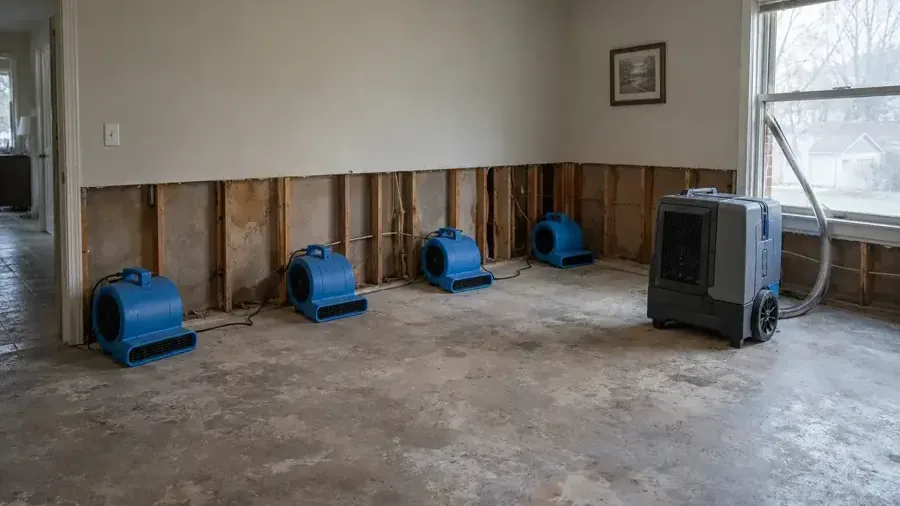
Structural Drying in Owasso
Material readings direct dehumidification until the assembly reaches a defensible drying goal.
Read about structural drying ›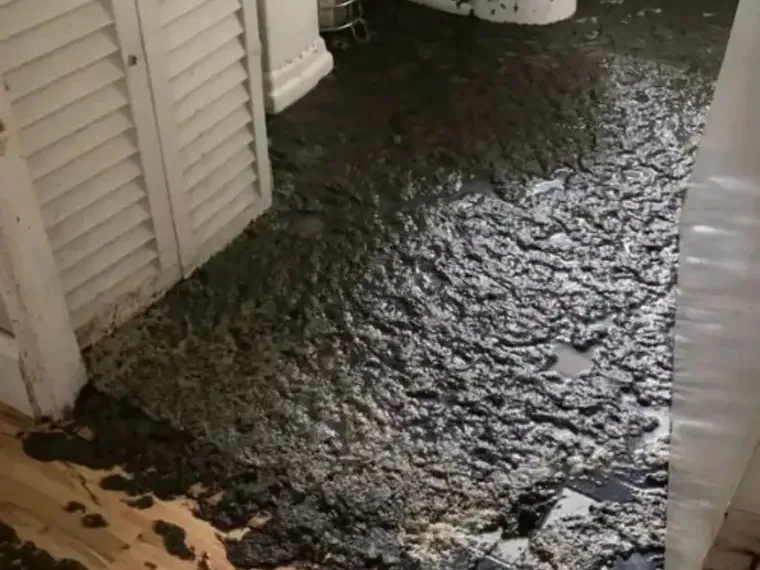
Sewage Backup Cleanup in Owasso
Contaminated drain water calls for controlled removal, cleaning and disposal of affected porous materials.
Read about sewage backup cleanup ›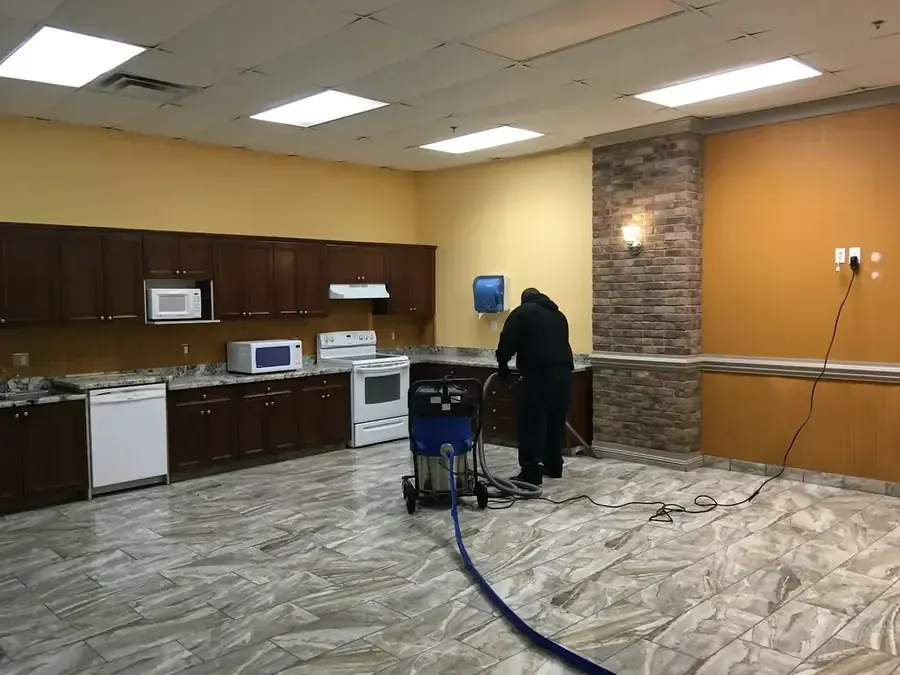
Water Extraction in Owasso
Extractors remove pooled water before the drying equipment tackles moisture inside floors and walls.
Read about water extraction ›Commercial Water Damage questions in Owasso, OK
Who should authorize cleanup in a leased business space?
The tenant and property owner should identify their respective approval roles before work involving building materials begins. A manager can coordinate access and source service while the tenant documents business contents. The written scope should name the responsible contact for changes so additional findings can be addressed without conflicting instructions.
Can unaffected parts of the business remain open?
That depends on safe circulation, contamination, equipment routes and the condition of the affected building. The assessment should define protected areas and any restrictions needed during work. The manager can then plan operations around those conditions, with a separate route that avoids the wet area and material removal activity.
How is inventory separated from building damage?
Inventory should be recorded by location and actual water contact before movement. Building materials need their own assessment and repair scope. Keeping the records distinct helps explain contents handling decisions and prevents dry stock from being mixed with affected items while extraction, removal or drying equipment occupies the work area.
What if water crosses into another tenant's suite?
The property contact should arrange authorized access to the connected space and document its condition separately. Water can move through floor transitions or concealed assemblies, so the visible boundary in one suite may be incomplete. The cleanup plan should track each affected area and identify spaces still awaiting assessment.
Will cleanup require the same schedule as business operations?
The work sequence should account for access, occupied areas and the drying arrangement, with the manager informed about visits and equipment needs. Some tasks may restrict room use while others allow protected activity elsewhere. The agreed schedule should preserve safe conditions and the access needed to measure retained wet materials.
Does water cleanup automatically involve a new occupancy certificate?
The local requirement applies to existing commercial buildings undergoing changes in occupancy, use or function. The owner should address that requirement when planning such changes. Cleanup records describe the water recovery itself, while proposed changes to how the building is used belong in the separate property and construction planning process.
What belongs in an estimate for a business loss?
The estimate should identify affected rooms, contents handling, extraction, material removal, drying and remaining repairs. Source work or specialized item treatment may be separate. Clear boundaries allow the manager to understand the immediate cleanup commitment and coordinate tenants or other trades around work that will follow the initial water recovery.
What documentation supports reopening an affected room?
The responsible contact needs source status, material conditions, completed cleaning or drying work and a list of remaining restrictions or repairs. Photos and room labels make that information usable. The return decision should follow the actual conditions and outstanding work in each space instead of relying only on the absence of pooling.
Build a clear recovery sequence for each space
Room based records help the manager coordinate tenants, equipment access and the trades needed after the water cleanup stage.
(888) 619-9509Request a commercial water assessment