Burst Pipe Water Damage in Sand Springs, OK
A broken supply pipe can soak a room while water keeps feeding the loss. The Sand Springs mitigation team checks source control, extracts the release and traces moisture through concealed cavities.
(888) 619-9509Discuss the pipe release and wet cavities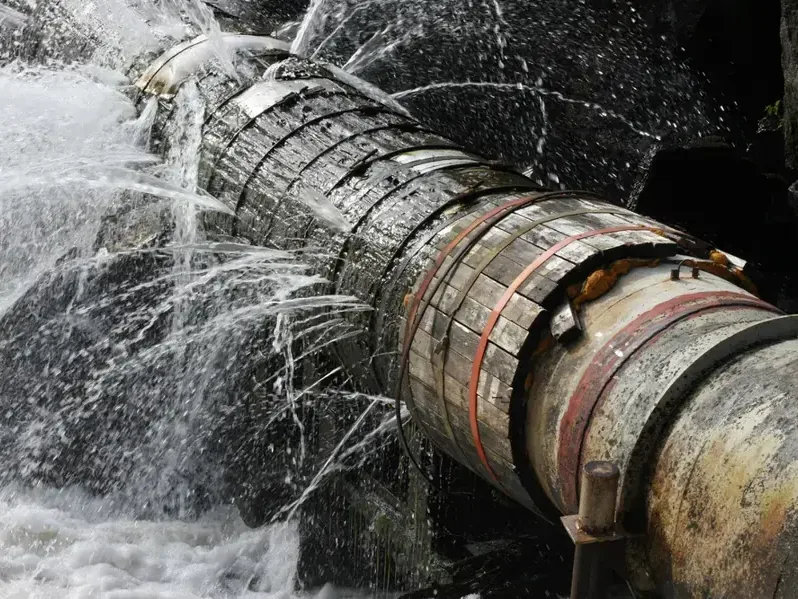
A burst supply pipe can release water under pressure into a wall or ceiling before the household sees it. The wettest visible spot may sit below or beside the actual failure. Restoration personnel follow the water through framing, insulation and floor layers after a plumber controls the source. In the Box District, Prattville and RiverWest, the crew plans access around the affected building's wall cavities, floor layers and safe entry route.
How burst pipe water damage progresses
Map the release
The assessor traces the supply water into adjoining cavities and flooring while confirming that source repair has stopped further flow. The inspection includes the level below where a pressurized release may have followed concealed framing paths.
Create needed access
The crew removes unsalvageable wet layers and exposes trapped moisture with a documented reason for each opening.
Balance the drying
Air movement and dehumidification work together while the technician compares readings across framing, walls and floor edges.
Confirm before closing
The team records drying results and identifies finish repairs, leaving the reconstruction trade a clear account of the remaining work.
First steps for burst pipe water damage
- 1Use a safe shutoff. The occupant closes an accessible water shutoff only where access remains dry and safe, then requests plumbing source repair.
- 2Avoid the wet circuit. A qualified electrical professional assesses affected circuits; standing water and wet fixtures remain off limits to occupants.
- 3Keep the ceiling clear. The household stays out from under sagging drywall while the contractor evaluates controlled access.
- 4Preserve the source evidence. Photos and the plumber's findings help distinguish the failed component from the resulting water damage.
Following a pressurized release through hidden spaces
The technician checks both the room containing the failed pipe and the spaces connected to it. Water can run along a joist, fall inside a partition or collect under a continuous floor covering. The initial moisture map captures those paths. Thermal imaging helps locate suspect patterns, and direct material readings confirm whether a surface or cavity is wet.
- The plumber identifies the failed component and determines whether the supply can return safely.
- The restoration assessor checks outlets, ceiling fixtures and concealed electrical exposure.
- The crew examines insulation and wall bottoms before deciding whether drying in place remains possible.
- The written scope separates pipe repair from water removal, drying and finish replacement.
Quick source control can reduce the volume entering the building. It cannot reverse absorption that has already occurred. A small pipe opening can create a wide loss, particularly when the release remained hidden. The contractor records the actual wet boundary instead of calculating restoration from the plumbing repair size.
The stopped drip is only the source milestone. Wet insulation, wall plates and flooring still need inspection, with access based on where the water traveled rather than the size of the broken fitting.
(888) 619-9509Discuss the pipe release and wet cavitiesChoosing access that supports cavity drying
A wall cavity contains more than the visible drywall face. Insulation can retain water against framing, and layered finishes can restrict evaporation. The crew opens affected assemblies where inspection, contamination or drying access requires it. The team explains what can remain, what must come out and how the decision relates to the material readings.
- Photograph the damaged pipe area and surrounding surfaces before access changes them.
- Extract liquid from the floor and remove materials that cannot support a sound dry-out.
- Position drying equipment to address the exposed cavity and room humidity together.
- Recheck hidden edges and nearby rooms when readings do not improve as expected.
A leak during freezing conditions may require a separate investigation of other vulnerable supply sections. The frozen-pipe water damage page addresses thaw-related releases. Not every burst pipe involves freezing, and neither a neighborhood name nor a building's outward appearance proves the mechanism of failure.
Safe access comes first
The restoration crew checks electrical exposure, overhead stability and the water source before entering the wet area. Occupants keep clear of sagging ceilings and contaminated floors. A qualified professional isolates affected circuits from a dry location. These checks precede extraction because standing water can conceal damage that a surface inspection misses.
Recording the loss before walls close again
The drying team compares affected wood and wall materials with suitable dry references, then records progress at consistent locations. Equipment changes should correspond to the readings rather than a preset removal date. A clear handoff lists the final condition, removed materials and reconstruction still needed.
Practical water-use checks appear in the EPA WaterSense information. Sand Springs experienced Arkansas River flooding in May 2019. A damage record should distinguish outside water entry from a failed supply pipe, using photographs of the water path and the plumber's findings. FEMA flood maps help owners review mapped outside-water hazards. For an indoor pressure-pipe loss, the plumber identifies the failed section while the restoration team records the rooms and materials reached by the release.
- Source notes distinguish an ongoing leak from a repaired supply failure.
- Timestamped photos show the condition before demolition and extraction.
- Daily logs connect drying equipment to measured changes in the wet assembly.
- Repair notes prevent concealed moisture from disappearing behind new finishes.
What does burst pipe water damage cost in Sand Springs, OK?
Burst-pipe restoration typically ranges from $1,000 to $5,500, with the plumbing repair priced separately. A concealed ceiling or wall release can require more access and monitoring than a similar volume on an open hard floor.
Single exposed room
$1,000 to $2,000
- Extraction
- Floor-edge readings
- Initial drying
Wall or ceiling loss
$2,000 to $3,500
- Cavity access
- Insulation review
- Equipment monitoring
Multiple assemblies
$3,500 to $5,500
- Broader wet footprint
- Selective removal
- Repair handoff
These planning ranges are estimate only. Water category, affected area, material class and the delay before extraction change the scope. The Sand Springs water damage cost calculator explores those variables.
Careful decisions for burst pipe water damage
Rapid local response
The response team assesses active water, access and source control during 24/7 dispatch. Arrival depends on current conditions and the work required at the property.
IICRC S500 drying standard
The drying technician compares wet assemblies with suitable dry references and adjusts dehumidification to the material load. A dry surface alone does not close the job.
Claim-ready documentation
The mitigation team records initial damage, material decisions, equipment and daily readings. The property owner retains a clearer account of the loss for the insurance review.
Local water experts
The contractor checks the actual building and the reported source before choosing a method. Indoor supply releases, contaminated outside water and backed-up drains require different handling.
Burst pipe water damage in Sand Springs
Coverage includes Prattville, the Box District and RiverWest, with ZIP 74063. The response team confirms access, the water source and the affected rooms before planning equipment.
Nearby service areas include Mannford, Oakhurst, Sperry, Owasso and Bixby.
Related water damage services in Sand Springs
Frozen Pipe Water Damage
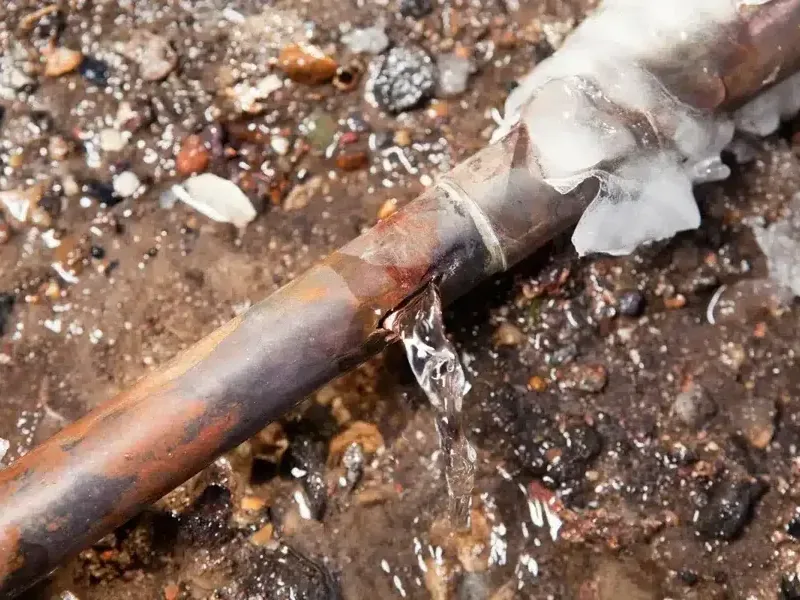
A thaw can expose a split supply pipe and spread water through concealed building cavities.
Read about frozen pipe water damage ›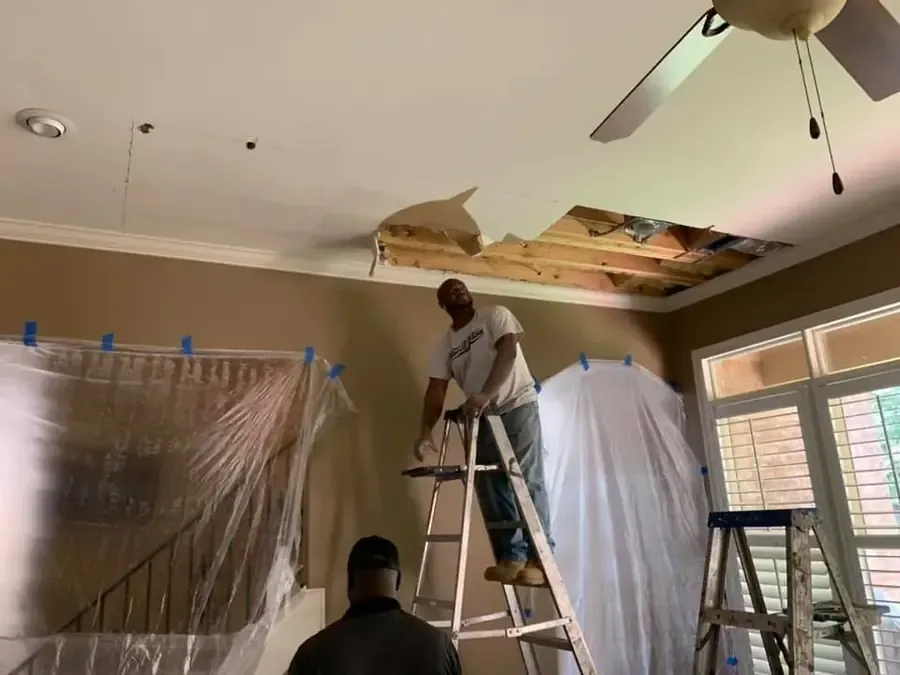
Ceiling Leak Water Damage
Overhead water requires safe access to the source before damaged ceiling materials come down.
Read about ceiling leak water damage ›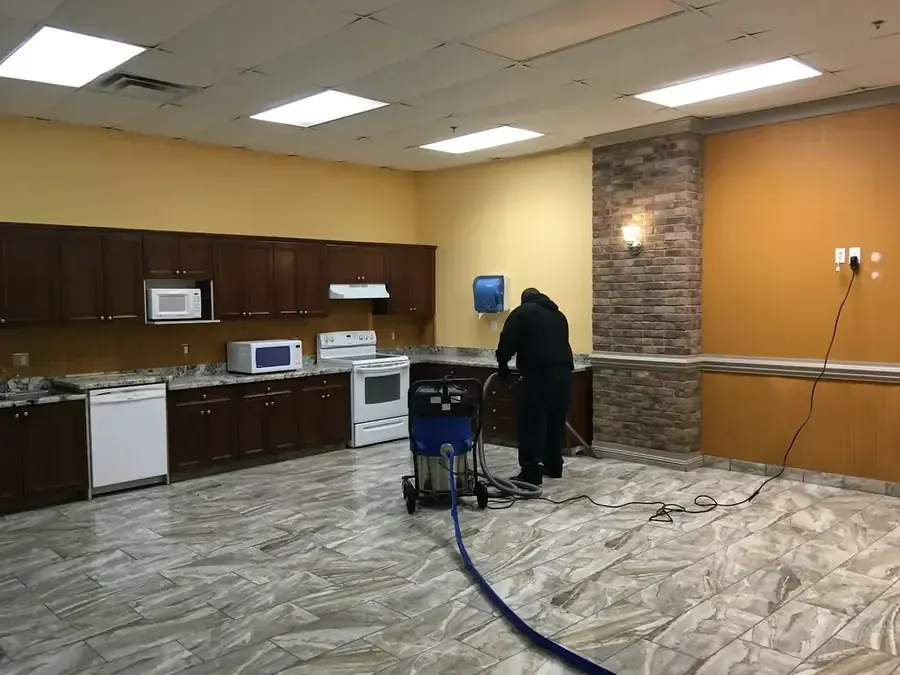
Water Extraction
Extractors remove pooled water before the drying equipment tackles moisture inside floors and walls.
Read about water extraction ›Burst Pipe Water Damage questions in Sand Springs, OK
Why does a small pipe break affect several rooms?
Pressurized water can move quickly through concealed cavities and under flooring. Gravity and the building layout determine where it collects, so the visible leak location may not describe the full footprint. The assessor checks neighboring rooms and the level below, documenting wet materials before choosing equipment or demolition.
Can the plumber finish everything?
The plumber corrects the supply failure, while restoration addresses the water already absorbed by the building. These tasks may overlap in timing but need distinct scopes. The owner should confirm who extracts the water, inspects insulation, records moisture and repairs finishes after the pipe has been restored to service.
Does clean supply water always stay Category 1?
Water condition can change with time and contact with contaminants inside the building. The technician evaluates the actual exposure rather than relying only on the original pipe source. Material salvage decisions follow that assessment, including whether insulation, pad or wall layers can remain during the drying process.
Why open a wall that looks intact?
An intact paint surface can conceal wet insulation and framing. The contractor uses inspection and readings to establish whether access is needed. Selective opening can reveal the assembly and create a drying path. The crew should explain the evidence and intended extent before removing material that appears sound from the room.
How are drying costs separated from repairs?
A detailed estimate identifies extraction, material removal, drying equipment and monitoring. Plumbing repair and reconstruction can appear as separate scopes. This separation helps the owner understand why a repaired pipe does not end restoration charges. Water volume, access, category and affected assemblies determine the actual work required.
Will insurance cover the pipe and resulting damage?
The insurer reviews the cause and policy wording. Sudden water damage, worn components and long-term leakage may receive different treatment. The owner should retain the plumbing findings, initial photographs and drying logs. Those records explain the pipe failure, the affected materials and the work completed for the insurer reviewing the loss.
Can fans dry an unopened ceiling cavity?
Room air movement alone may not reach wet insulation or the upper side of ceiling materials. The drying technician assesses access, electrical exposure and the assembly layers. Equipment placement must address the actual wet surface while dehumidification handles released moisture. Readings establish whether the chosen approach is working.
When can the water supply return?
The plumbing professional determines when the repaired system can operate safely. Restoration then watches for recurring moisture while the remaining materials dry. The property owner should report new sounds, meter movement or staining. A verified source repair and a completed material dry-out are separate milestones in the loss.
Stop the spread after the supply failure
The 24/7 response assessment identifies the source status, electrical exposure and material path so extraction and cavity drying can proceed with a clear scope.
(888) 619-9509Arrange a pipe-loss moisture assessment