Water Damage Restoration in Sperry
A puddle beside a doorway can connect to wet flooring in another room. Sperry water damage restoration starts by tracing that spread, controlling the source and protecting usable spaces.
(888) 619-9509Discuss the wet rooms nowCleanup decisions follow the water path, material condition and access needed to reach concealed moisture safely.
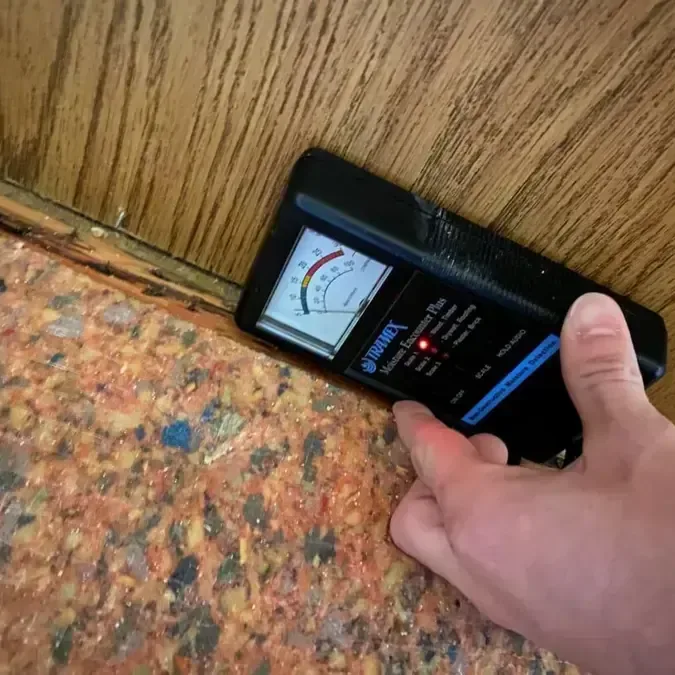
Follow moisture through the whole assembly
Drying has a measurable purpose: reaching suitable conditions in the materials that will remain. Equipment placement should respond to the building layout and change when moisture readings show limited progress.
A clear scope for each affected assembly
Useful restoration planning explains what is wet, what can remain and why access is needed. Material readings connect those decisions to conditions inside the building rather than surface appearance.
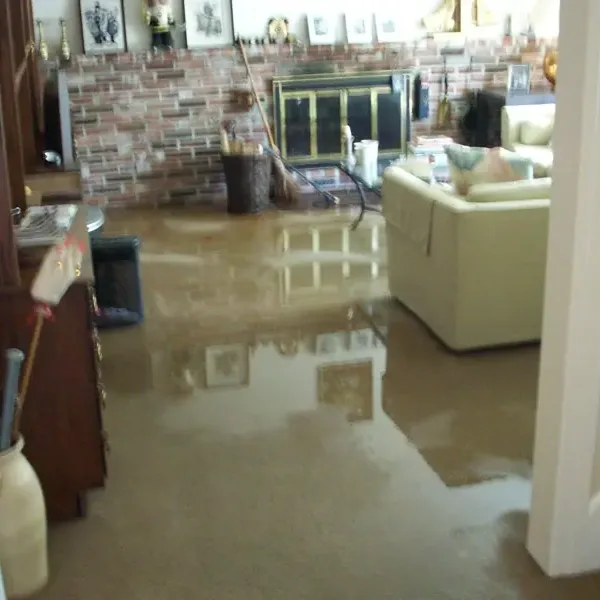
Different water paths need different cleanup plans
The visible damage helps identify the next assessment. These services address specific release points, contaminated surfaces and building materials that hold moisture.
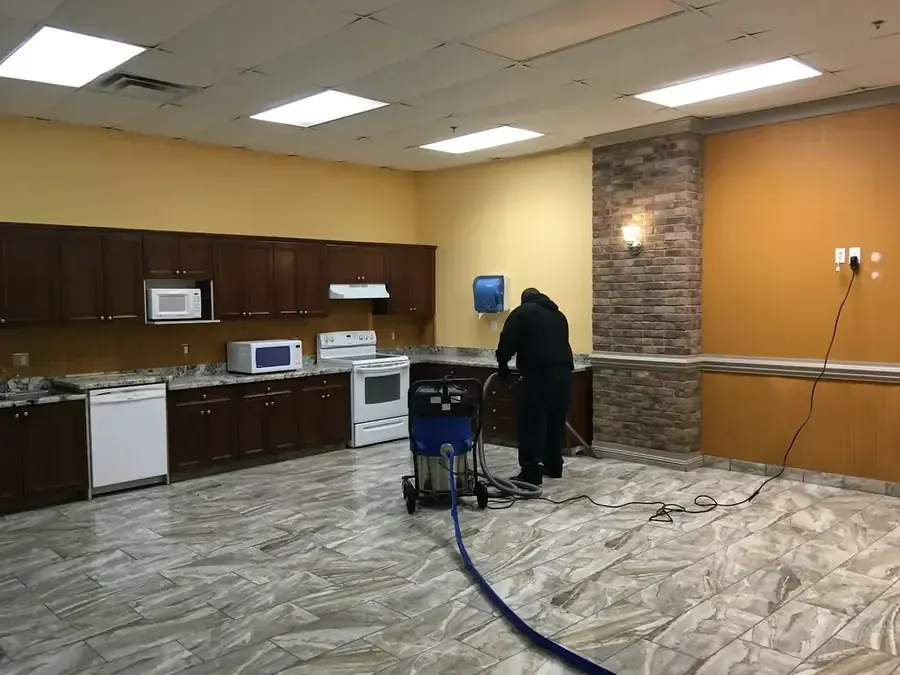
Water Extraction
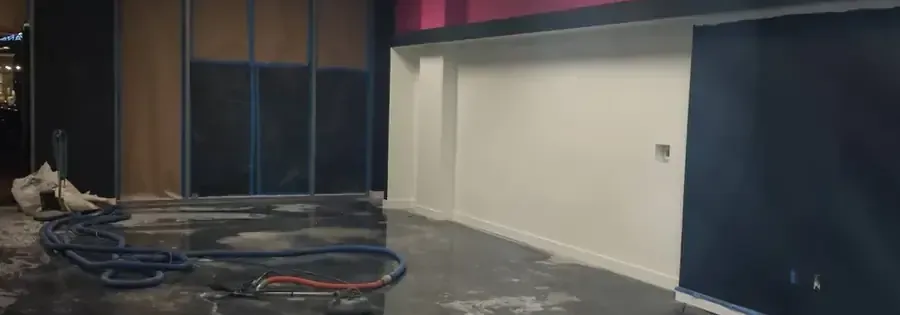
Standing puddles need removal before floor seams and wall edges can receive a closer inspection.
Read about water extraction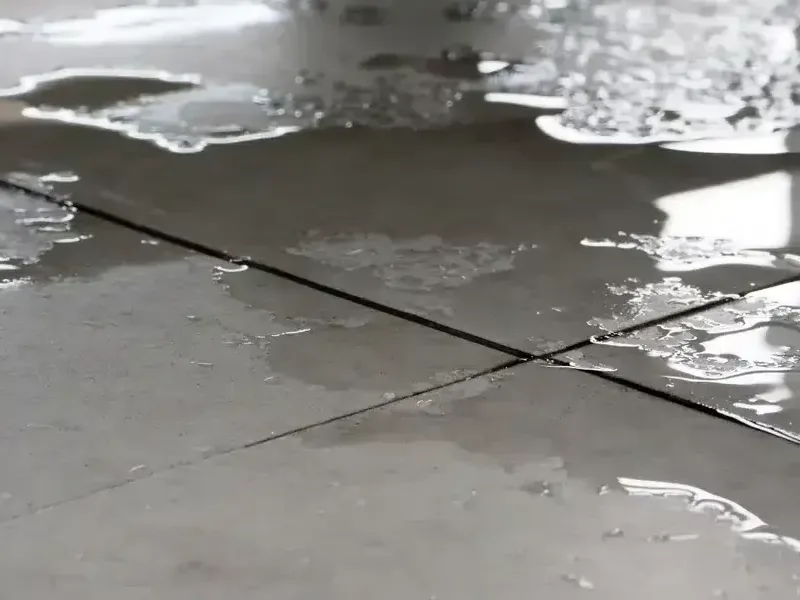
Slab Leak Water Damage
Persistent moisture beneath flooring calls for pipe diagnosis and a separate plan for wet layers.
Read about slab leak water damage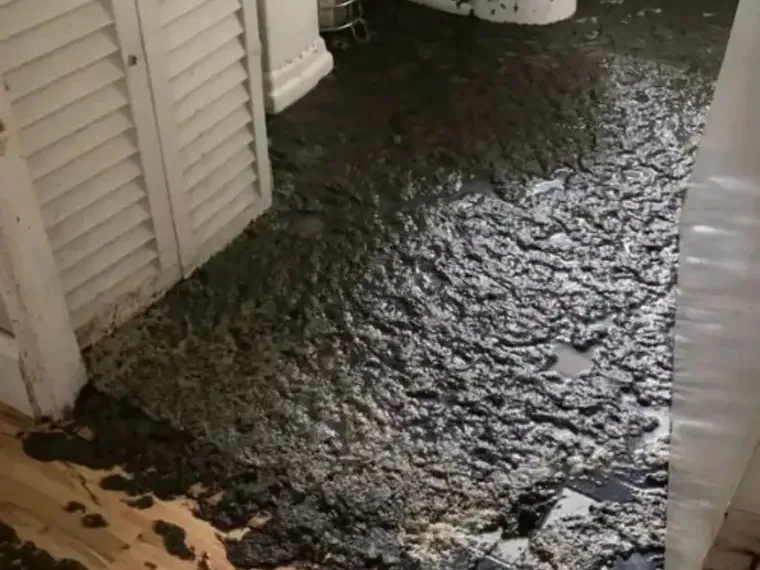
Sewage Backup Cleanup
Wastewater requires controlled access, removal of affected porous materials and careful cleaning of salvageable surfaces.
Read about sewage backup cleanup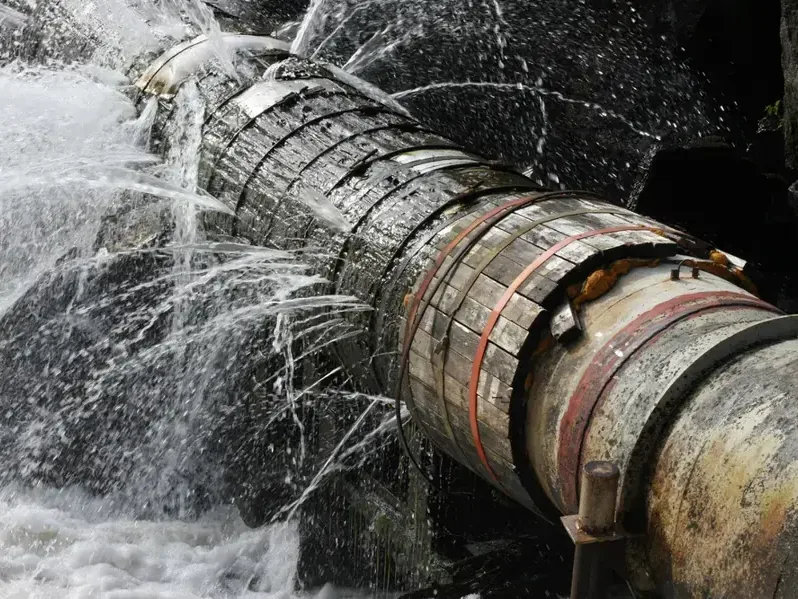
Burst Pipe Water Damage
A sudden pipe rupture can spread through adjoining cavities well beyond the first soaked room.
Read about burst pipe water damage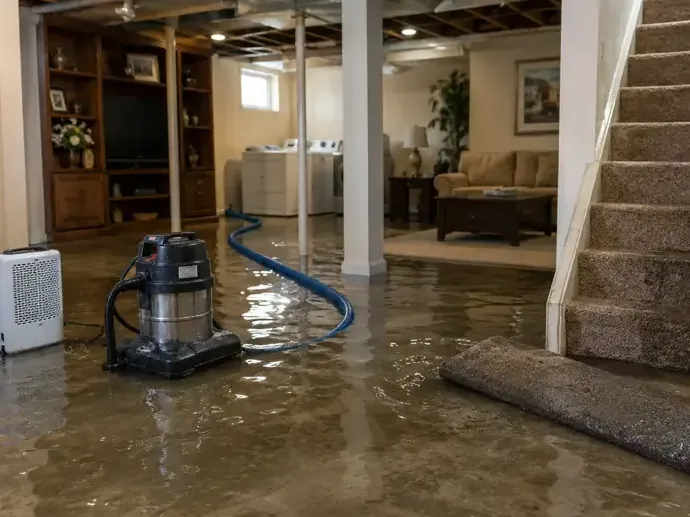
Storm Flood Cleanup
Outside water brings debris indoors, changing the cleaning requirements before structural drying can proceed.
Read about storm flood cleanup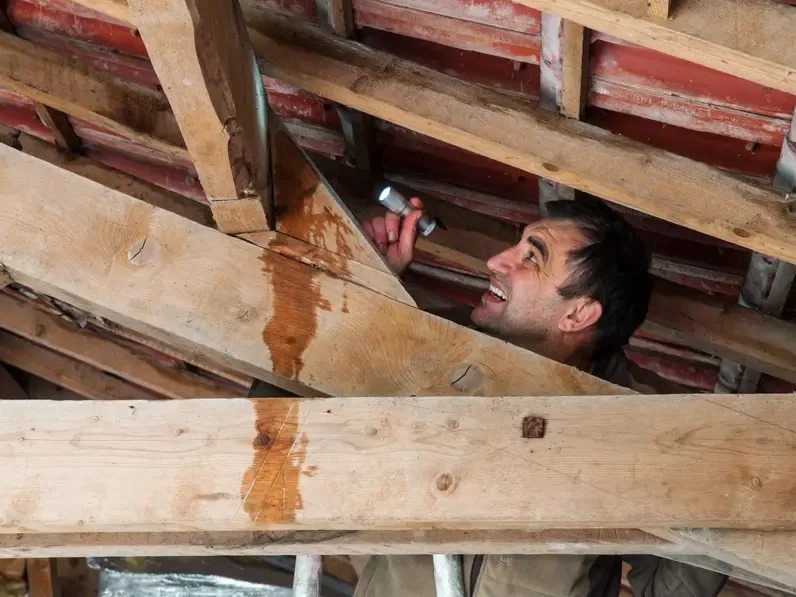
Roof Leak Water Damage
An attic inspection connects roof entry with wet insulation, ceiling panels and concealed framing.
Read about roof leak water damage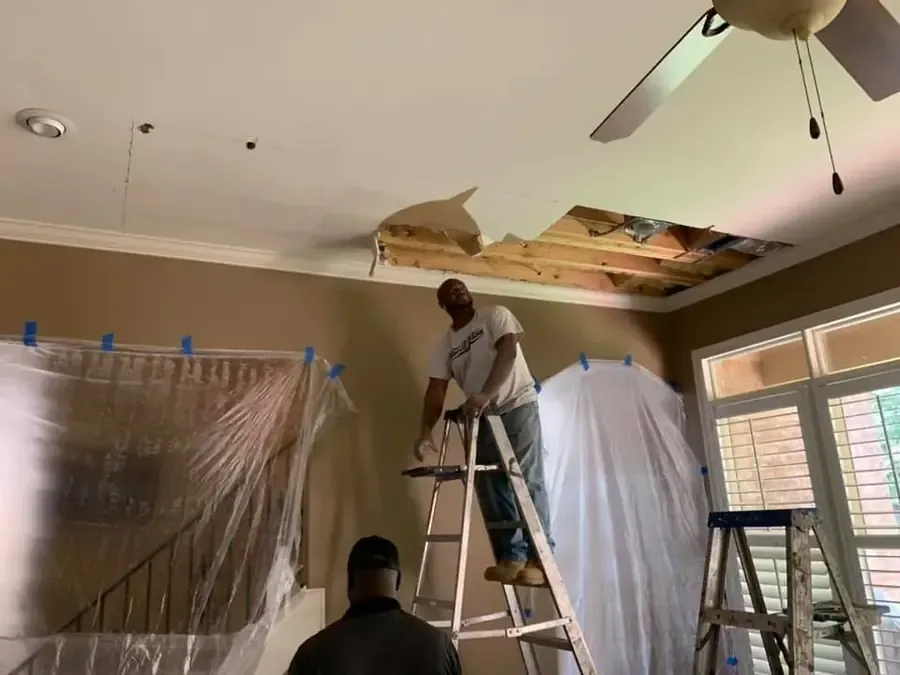
Ceiling Leak Water Damage
Sagging overhead material needs a safety assessment before anyone opens the cavity above the stain.
Read about ceiling leak water damage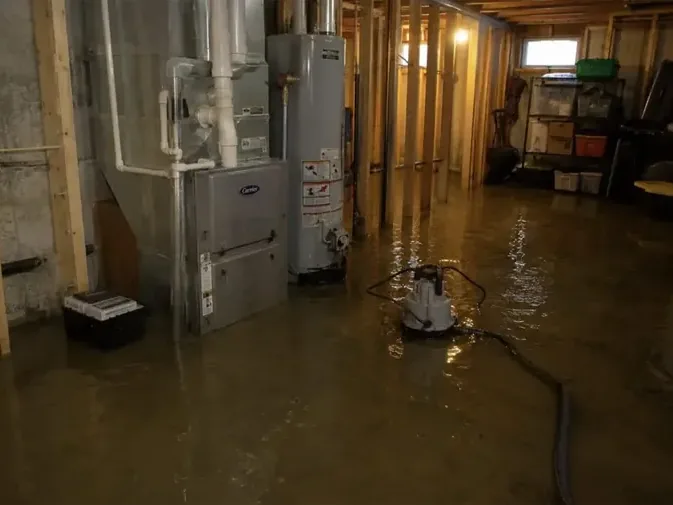
Water Heater Leak Cleanup
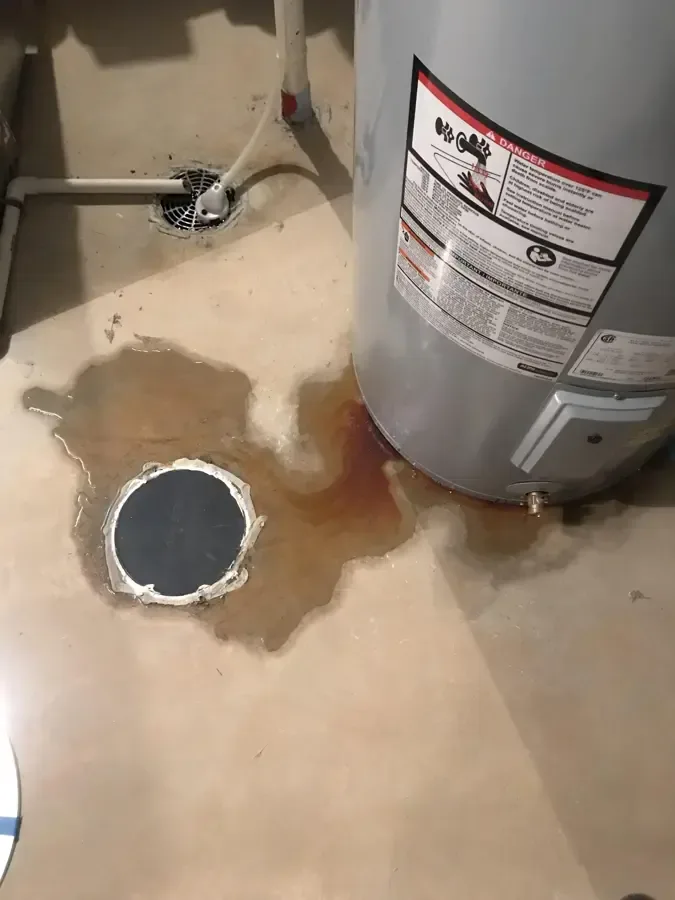
Water around a heater can escape beneath utility closet walls and soak neighboring floor assemblies.
Read about water heater leak cleanup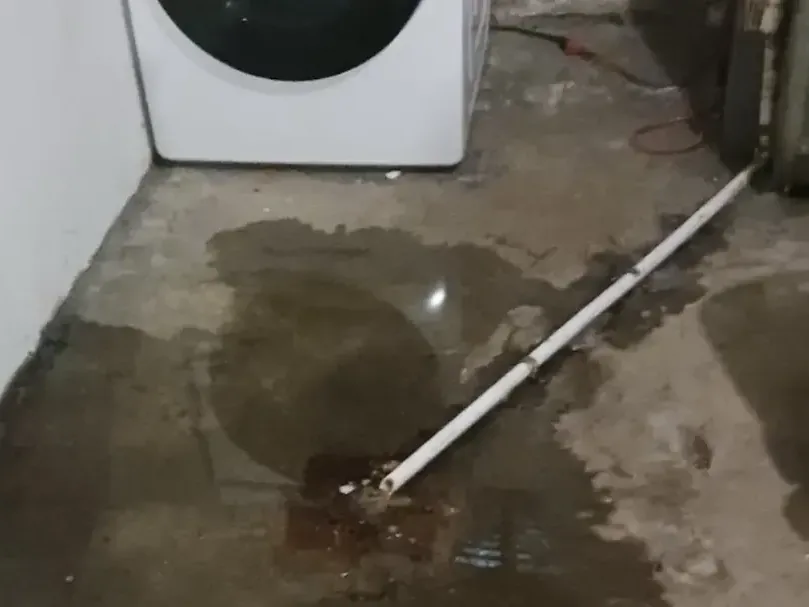
Appliance Leak Water Damage
Cabinet bases and flooring beneath machines deserve attention after the visible appliance spill is removed.
Read about appliance leak water damage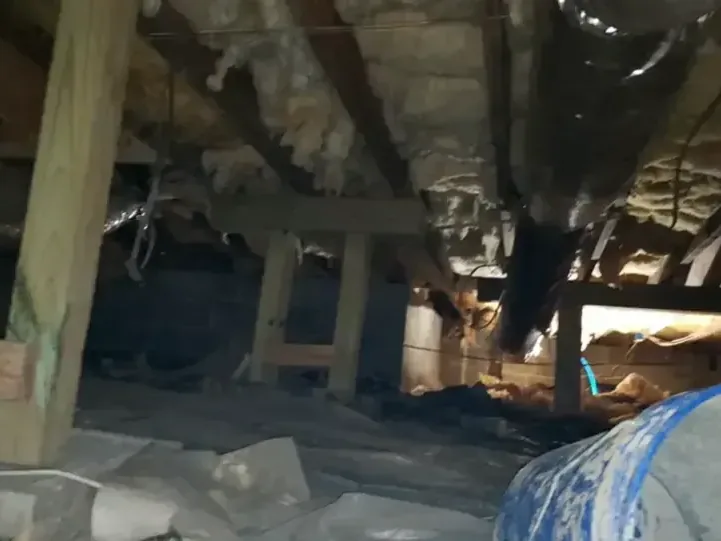
Crawl Space Water Removal
Underfloor pooling needs an access plan that accounts for utilities, insulation and damp structural wood.
Read about crawl space water removal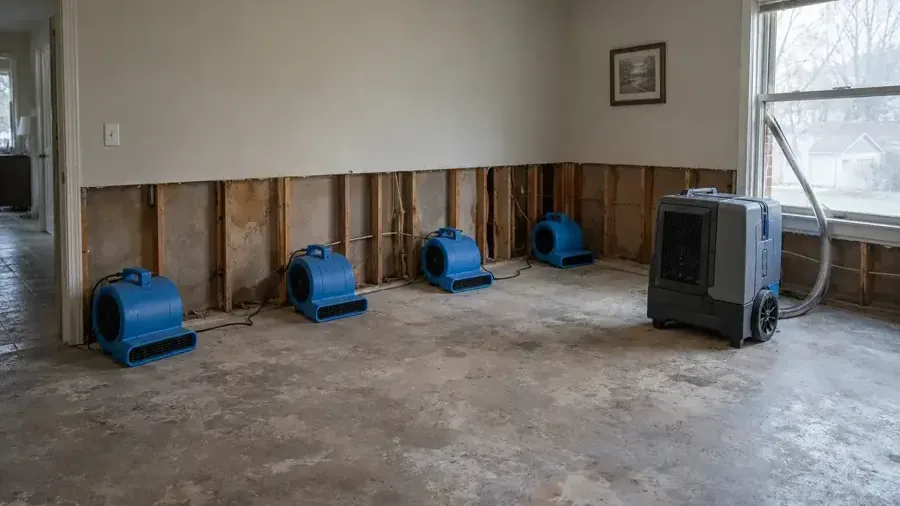
Structural Drying
Repeated material readings show whether controlled airflow and dehumidification are reaching the remaining wet areas.
Read about structural drying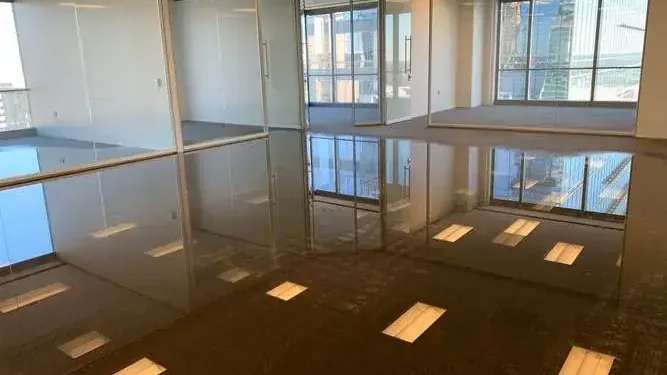
Commercial Water Damage
Business cleanup separates work zones from usable space while documenting equipment access and damaged finishes.
Read about commercial water damage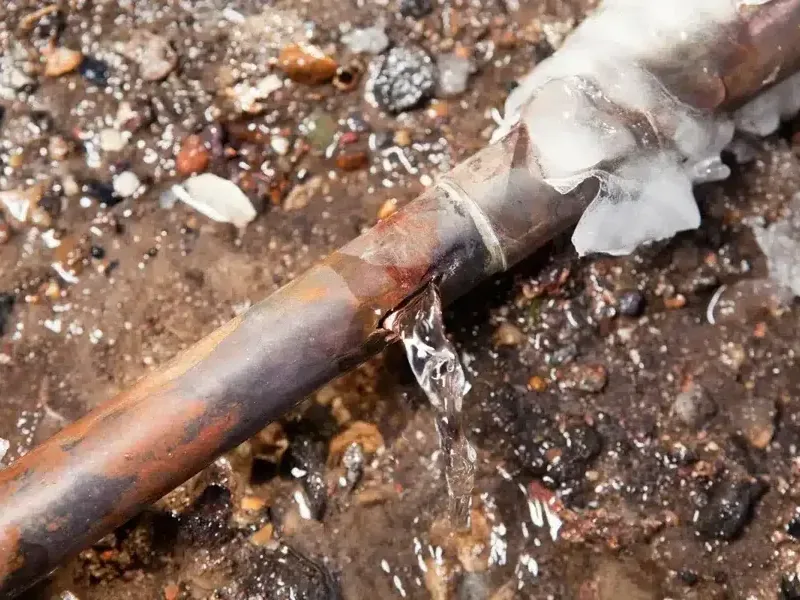
Frozen Pipe Water Damage
After thawing exposes a split, the release must be traced behind walls and beneath floors.
Read about frozen pipe water damage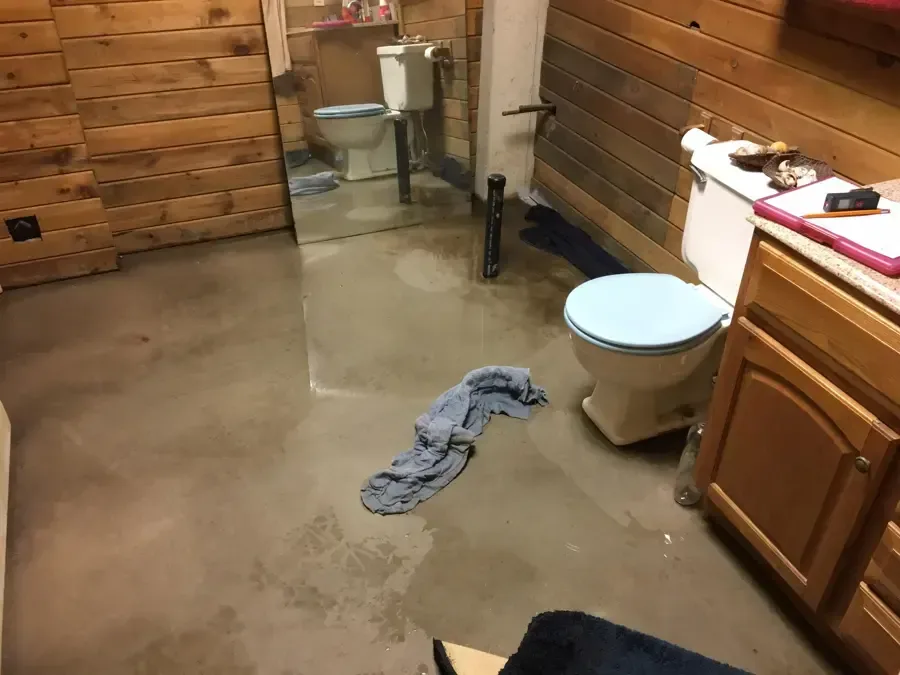
Toilet Overflow Cleanup
A bathroom overflow requires source identification before deciding how to handle nearby porous surfaces.
Read about toilet overflow cleanup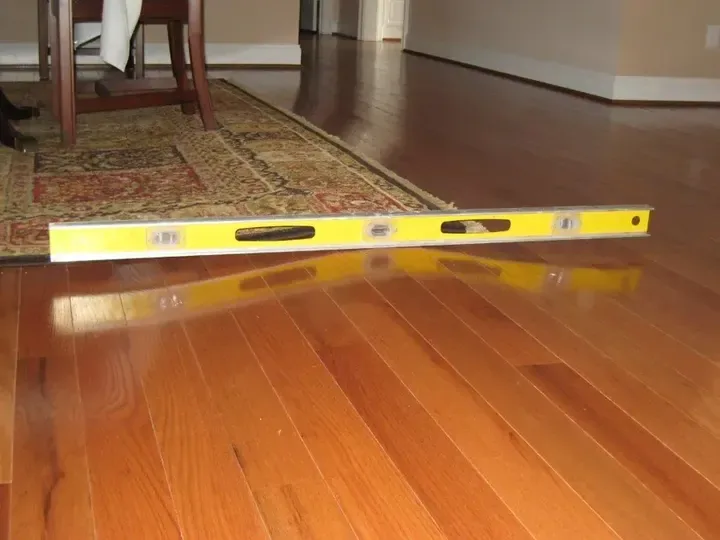
Hardwood Floor Water Damage
Board movement and moisture below the finish determine whether controlled floor recovery is appropriate.
Read about hardwood floor water damageHow the response protects wet materials
Visible boundaries
Room photographs and moisture maps show the difference between an obvious puddle and the larger area requiring extraction, opening or monitoring during cleanup.
Material separation
Solid framing, soft insulation and layered flooring respond differently to water. The scope should identify each affected material and explain the proposed treatment for it.
Source coordination
A plumbing or roofing repair stops further entry. Cleanup planning accounts for that repair while addressing water already trapped within the walls or floor.
Documented completion
Closing measurements and a description of remaining repairs help the owner understand the handoff from drying work to replacement finishes and normal room use.
The gear a measured dry-out runs on
Water extraction
Extraction equipment removes bulk water before evaporation begins.
Controlled drying
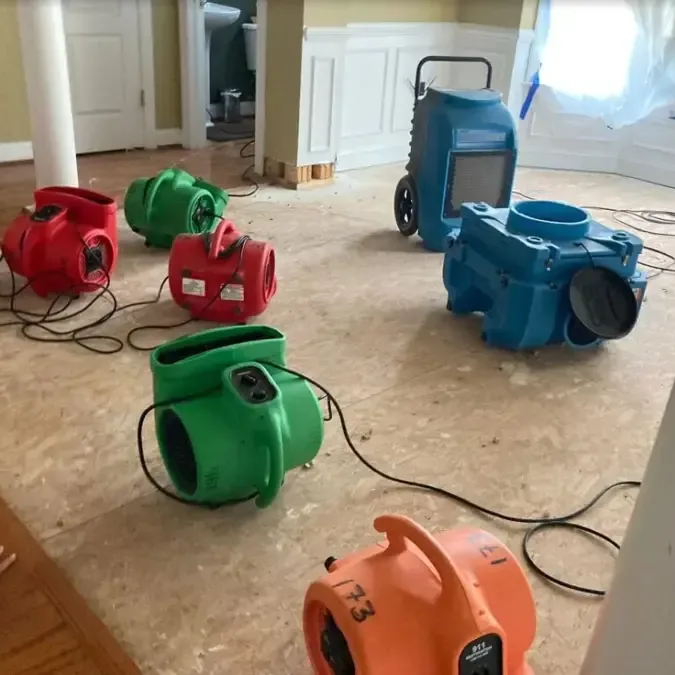
Dehumidifiers manage the moisture air movers release from materials.
Moisture readings
Moisture meters document concealed areas as well as visible surfaces.
How the dry-out works
Map the release
The inspection records wet surfaces and checks adjoining rooms, including lower wall edges that may connect spaces beneath otherwise dry finishes.
Remove accessible water
Extraction reduces the liquid load so technicians can evaluate damaged layers and decide which surfaces need cleaning, exposure or controlled removal.
Manage the drying space
Air movement and humidity control are arranged around the retained assemblies, with access maintained for repeat measurements and safe equipment operation.
Check the final condition
Ending the equipment stage requires material readings and an explanation of unresolved repairs, including any source work needed before rebuilding begins.
Creeks, corridors and indoor releases
Hominy Creek and Delaware Creek frame the early settlement history. Modern cleanup still begins with the particular building, separating an indoor leak from water that entered across exterior thresholds.
Separate damage facts from coverage decisions
An insurer needs a clear account of the event. Photographs, source findings and an itemized scope support that account while policy terms determine payment.
- Photograph visible damage from a safe position
- Record when the release was first noticed
- Save the plumbing or roof assessment
- Keep equipment and material records together
- Ask for separate cleanup and repair descriptions
When the owner pays directly
An owner paying directly still benefits from a written scope. The proposal should identify urgent extraction, proposed openings and equipment needs so the first authorization has a clear purpose.
Changes discovered behind finishes should be explained before additional work proceeds. Separate material replacement choices from the steps required to remove water and dry retained structure.
Make the affected rooms safer to assess
- Stay beyond the hazard. Occupants should avoid standing water near electrical equipment and keep clear of ceilings that bulge, sag or shed material.
- Control reachable supplies. An accessible shutoff may stop an indoor release when it can be reached from a dry, safe position.
- Separate wet traffic. Keeping children, pets and shoes outside affected rooms helps limit contact with wastewater and prevents tracking through clean spaces.
- Capture the damage. Photographs from a safe doorway can record puddles, damaged furnishings and the apparent source before cleanup changes the scene.
- Describe the water path. The initial conversation should identify the wet rooms, active dripping and any blocked access so the assessment starts with useful information.
Wet materials, extraction and access for drying
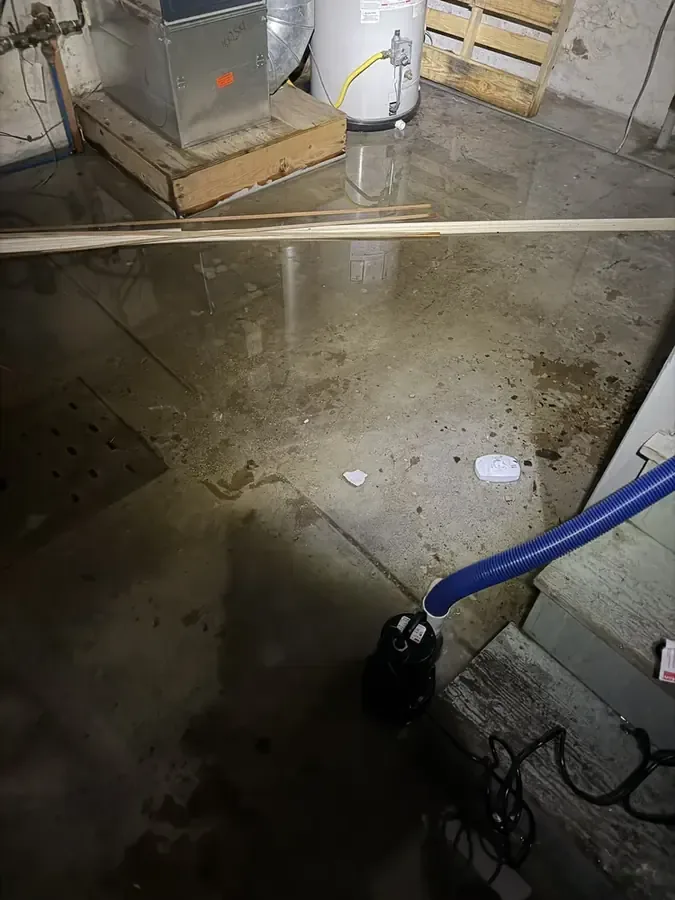
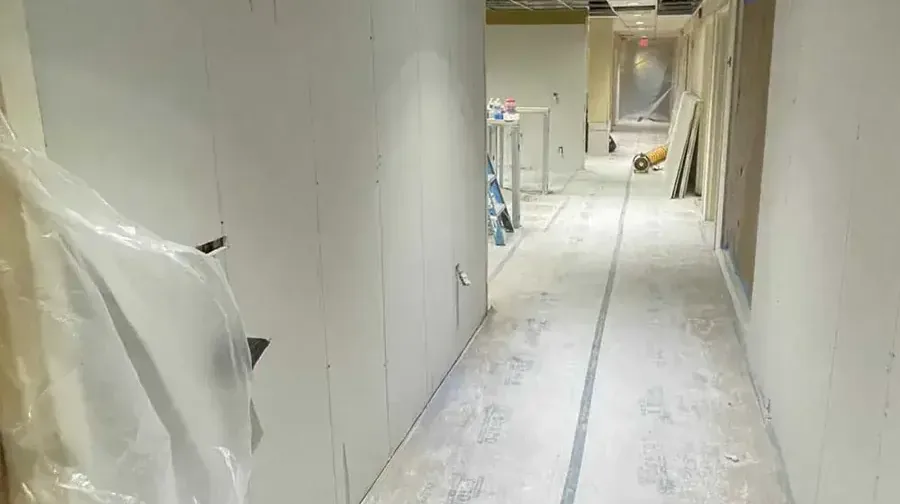
What affects water cleanup costs in Sperry?
A preliminary cleanup allowance can range from $500 to $10,000 across the scopes below. Room access, contamination, retained materials and concealed wet layers affect the actual proposal. A written assessment should separate immediate water removal from subsequent drying and repair work.
Small accessible loss
$500 to $1,500
- Localized extraction
- Visible floor edges
- Limited equipment
Several wet assemblies
$1,500 to $4,000
- Cavity access
- Material assessment
- Monitored drying
Extensive affected space
$4,000 to $10,000
- Contamination controls
- Broader removal
- Complex access
These planning ranges describe cleanup scope, not a fixed property quote. Pipe repair, replacement finishes and disposal requirements should be identified separately in the proposal.
Water damage help for Sperry properties
Local reference points
Postal area
74073
Other town pages
Water origin shapes the first decisions
A pressurized release
A broken supply pipe may wet several rooms quickly. Source control and extraction come before assessing concealed wall sections and floor layers.
Assess the pipe releaseA hidden appliance spill
Machine connections and drains can leak below cabinets or flooring. The inspection follows the spill into spaces that ordinary wiping cannot reach.
Trace appliance waterWastewater at floor level
A drain backup changes how the area is isolated and cleaned. Porous finishes require careful assessment before equipment circulates air through rooms.
Discuss wastewater cleanupLocal context for a property assessment
Sperry has both a creek flood history and established residential areas. A property inspection connects the reported event to actual wet materials, entry points and safe access inside the building.
Reported Bird Creek flooding: News On 6 reported Bird Creek flooding that closed State Highway 11 and State Highway 20, alongside a school closure during the same episode.
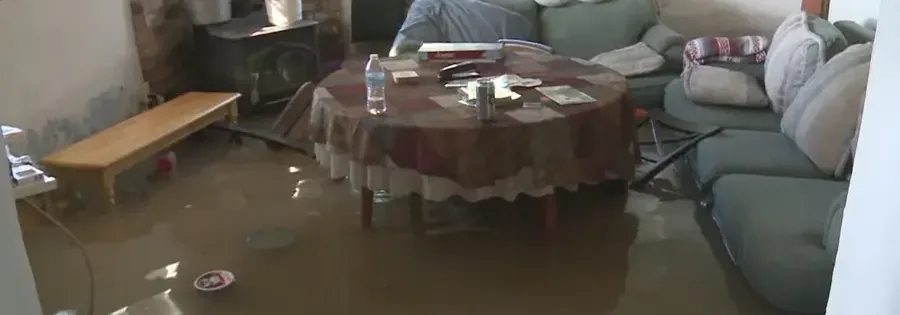
Outside entry
Water arriving from outdoors requires attention to debris, contaminated finishes and the route through the building before drying equipment is arranged around retained materials.
Concealed supply water
Residential growth followed the 1964 water system connection. At an affected home, the inspection follows the actual leak through flooring and partitions to establish scope.
Sewer history
A new sewer system was established in 1955. Present cleanup decisions focus on the wastewater inside the property, the affected materials and drain diagnosis.
Occupied buildings
Retail activity, light manufacturing and schools are part of the town's history. Their affected rooms need access controls suited to the building's current use.
Changing floor layers
A wet surface can cover additional damp layers. Flooring edges, cabinets and adjoining walls deserve examination before the restoration plan treats the visible room as complete.
Questions before cleanup begins
What should happen before anyone enters standing water?
The area should be assessed for electrical contact, unstable overhead materials and contamination. Occupants can describe the damage from a dry doorway instead of walking through it. If electrical equipment is wet, a qualified professional should address that hazard before extraction equipment or household devices are used.
Does a dry looking wall need inspection?
Water can travel beneath trim or inside a wall while paint still appears intact. Moisture checks at edges and adjoining surfaces help identify that spread. An opening may be useful when measurements and the construction show that trapped moisture cannot be reached through exposed surfaces alone.
How does outside flooding change cleanup?
Outside water may carry soil and other contaminants into the building. The scope therefore includes cleaning and decisions about affected porous materials before routine drying. Access restrictions also matter. A road closure or water around an entrance can prevent a safe assessment even after rainfall has ended.
Can extraction finish the entire job?
Extraction removes accessible liquid, but absorbent materials can remain wet afterward. Technicians assess flooring, wall cavities and contents separately to determine what needs further treatment. Structural drying may follow when retained wood or other assemblies hold moisture that cannot be removed with extraction tools alone.
Who fixes the broken plumbing connection?
A plumbing professional diagnoses and repairs the source. Restoration addresses the resulting water spread, damaged finishes and retained wet materials. Coordinating those tasks helps prevent another release during cleanup. The written scope should make clear which work concerns the source and which work concerns the building damage.
Can belongings stay in the wet room?
That depends on water contact, contamination and the space needed for equipment. Dry belongings may be moved through a clean route, while affected items need separate assessment. Photographs and an item list help preserve a record before furniture is repositioned or damaged possessions are removed from the room.
What determines whether flooring can stay?
Material type, installation method, contamination and the condition of underlying layers all matter. A finish that looks intact can cover a wet pad or underlayment. The decision should explain whether those layers can be reached and dried, along with any swelling or separation that already affects the floor.
Will insurance pay for every cleanup step?
Payment depends on the policy and the circumstances of the release. The restoration record can describe observed damage, work performed and source findings, but the insurer makes the coverage decision. Owners should retain photographs, estimates and repair documents so the event can be assessed with a clear chronology.
How is the drying stage considered complete?
Completion relies on readings from retained materials and comparison with appropriate dry references. Room air alone cannot show the condition inside a floor or wall. Final documentation should identify the areas checked and any repairs still needed before replacement finishes conceal the assemblies that were affected by water.
Describe access as well as damage
Properties around the business district and residential areas can have very different access needs. The intake description should include locked rooms, occupied areas and any water crossing a doorway.
During outside flooding, road conditions matter alongside building conditions. An accessible entrance and an accurate description of standing water help shape a practical assessment of the affected property.
Sperry, OK · [email protected]
(888) 619-9509Describe access to the wet areaStart with the rooms that changed
Describe the visible water and affected materials so the next assessment can follow the actual damage.