Burst Pipe Water Damage in Sperry
A pipe rupture can wet a wall cavity before water reaches the room. Sperry cleanup follows that hidden route as well as the visible spill, connecting source control with material assessment.
(888) 619-9509Describe the rupture and wet rooms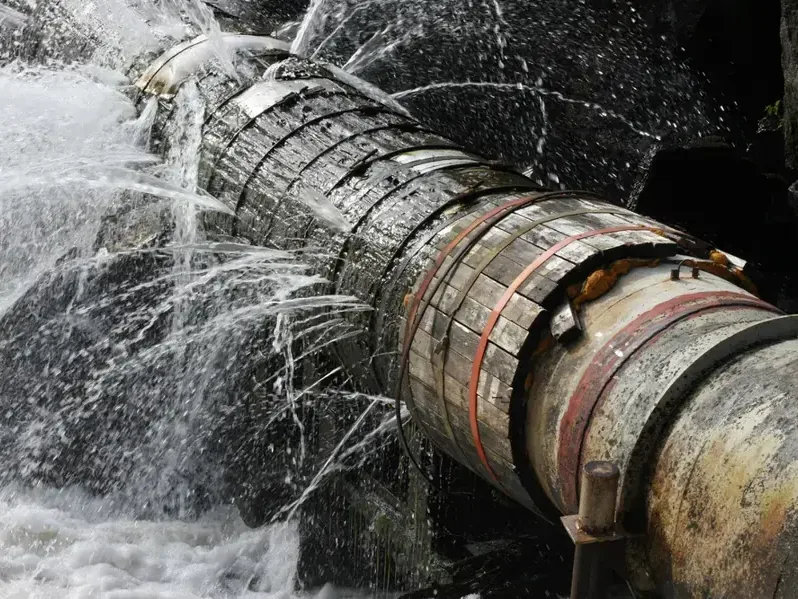
The sound of spraying water can lead to a small visible opening while a much larger area is already wet behind the wall. A burst pipe assessment follows pressure driven spread, gravity and the building's connected spaces. The repair location is therefore only the starting point for deciding which rooms and materials need cleanup.
How burst pipe water damage progresses
Follow the pressure path
The assessment starts at the break and checks where sprayed or running water entered connected wall, ceiling and floor areas beyond the visible repair opening.
Coordinate safe repair access
Source work and restoration openings are planned around electrical conditions, overhead stability and the need to reach trapped water in the assembly.
Reduce the moisture load
Extraction and selective removal expose suitable retained materials for drying, with equipment placement based on the actual cavity and floor arrangement.
Document readiness for repairs
Repeat readings and material observations explain when drying ends and which finish replacements or additional trade checks are still needed before closure.
First steps for burst pipe water damage
- 1Locate safe source control. A shutoff should only be approached from a dry path outside electrical or ceiling hazards.
- 2Report the highest wet area. The initial description should include overhead dripping or a wet wall above the puddle, which may reveal the hidden route.
- 3Preserve source information. Photographs of the failed connection and the plumbing assessment help connect the sudden release to the building damage that follows.
- 4Keep wet cavities accessible. Avoid closing repair openings until retained materials have been assessed and the required drying access has been explained.
Stop the release without entering an unsafe space
A reachable shutoff can limit further damage when it is accessible from a dry position. Occupants should stay clear of water near electrical equipment and unstable overhead finishes. The first description should distinguish a continuing spray from residual dripping so the plumbing and restoration assessments can plan around the current condition.
Sperry gained access to a larger water system in 1964, followed by residential growth during the 1960s. At a particular home, the exposed pipe and the wet construction set the scope. The assessment checks actual connections, cavities and finishes instead of assigning a repair method from the age of surrounding development.
- Water inside a partition may emerge at a doorway well away from the break.
- A ceiling cavity can retain liquid after the supply has been shut off.
- Insulation may hide saturated material behind an apparently limited wall opening.
- Floor edges need inspection where the release crossed into neighboring rooms.
Report whether the supply is off, where the pipe failed and which rooms show water. Those details help connect source repair with the hidden cavities that may also need attention.
(888) 619-9509Describe the broken pipe and spreadTrace connected spaces before choosing openings
State Highway 11, Osage Prairie Trail and Delaware Creek provide recognizable reference points for describing access in town. Inside the property, useful landmarks are the broken connection, adjoining partitions and the lowest visible collection point. Mapping those relationships helps avoid treating each wet patch as an unrelated problem.
- Identify the repaired or active release and establish a safe inspection route.
- Check the cavity surrounding the pipe and connected surfaces below it.
- Remove liquid and expose material that blocks necessary inspection or drying.
- Document retained assemblies and compare readings during the drying stage.
An opening should reach the moisture that needs treatment. Removing a damaged wall section may expose wet framing, but insulation, backing or a floor transition can still obstruct the path. The proposed scope should explain whether those additional layers require removal and how the remaining assembly will be monitored after access is created.
Safe access comes first
The restoration crew checks electrical exposure, overhead stability and the water source before entering the wet area. Occupants keep clear of sagging ceilings and contaminated floors. A qualified professional isolates affected circuits from a dry location. These checks precede extraction because standing water can conceal damage that a surface inspection misses.
Coordinate repair with drying and finish replacement
Plumbing work and restoration have different completion points. A repaired pipe can be functioning while nearby wood or wallboard remains wet. Conversely, an accessible room can be ready for extraction before the final repair is complete, provided continuing water entry is controlled and the work area is safe for the planned activity.
Photographs of the break, visible spray path and exposed cavity help describe the event. Moisture records then track the recovery of retained materials. These records are especially useful when the release reaches both a wall and a floor, because each assembly may need a different access or equipment arrangement.
- Separate the pipe repair invoice from the description of building cleanup.
- Record which finishes were removed because of damage or drying access.
- Identify areas still inaccessible when the initial assessment was completed.
- Explain the remaining replacement work before the cavity is closed again.
The ceiling leak service addresses overhead damage, while structural drying focuses on moisture retained after extraction and source repair.
What does burst pipe water damage cost in Sperry, OK?
Burst pipe cleanup in Sperry uses planning ranges from $1,000 to $5,500. The number of wet assemblies, concealed spread and needed openings affect the work. Source repair and replacement finishes should be distinguished from extraction and material drying.
Single exposed room
$1,000 to $2,000
- Local extraction
- Open access
- Edge checks
Wall or ceiling loss
$2,000 to $3,500
- Cavity exposure
- Insulation assessment
- Framing readings
Multiple assemblies
$3,500 to $5,500
- Connected spaces
- Layer removal
- Expanded drying
These planning ranges are estimate only. Water category, affected area, material class and the delay before extraction change the scope. The water damage cost calculator explores those variables.
Careful decisions for burst pipe water damage
Rapid local response
The response team assesses active water, access and source control during 24/7 dispatch. Arrival depends on current conditions and the work required at the property.
IICRC S500 drying standard
The drying technician compares wet assemblies with suitable dry references and adjusts dehumidification to the material load. A dry surface alone does not close the job.
Claim-ready documentation
The mitigation team records initial damage, material decisions, equipment and daily readings. The property owner retains a clearer account of the loss for the insurance review.
Local water experts
The contractor checks the actual building and the reported source before choosing a method. Indoor supply releases, contaminated outside water and backed-up drains require different handling.
Burst pipe water damage in Sperry
Burst pipe assessments in Sperry include 74073 properties, with business district access and State Highway 11 references helping locate the affected entrance before interior conditions are assessed.
The same service nearby: burst pipe water damage in Sand Springs, Owasso, Oakhurst.
Related water damage services in Sperry
Ceiling Leak Water Damage in Sperry
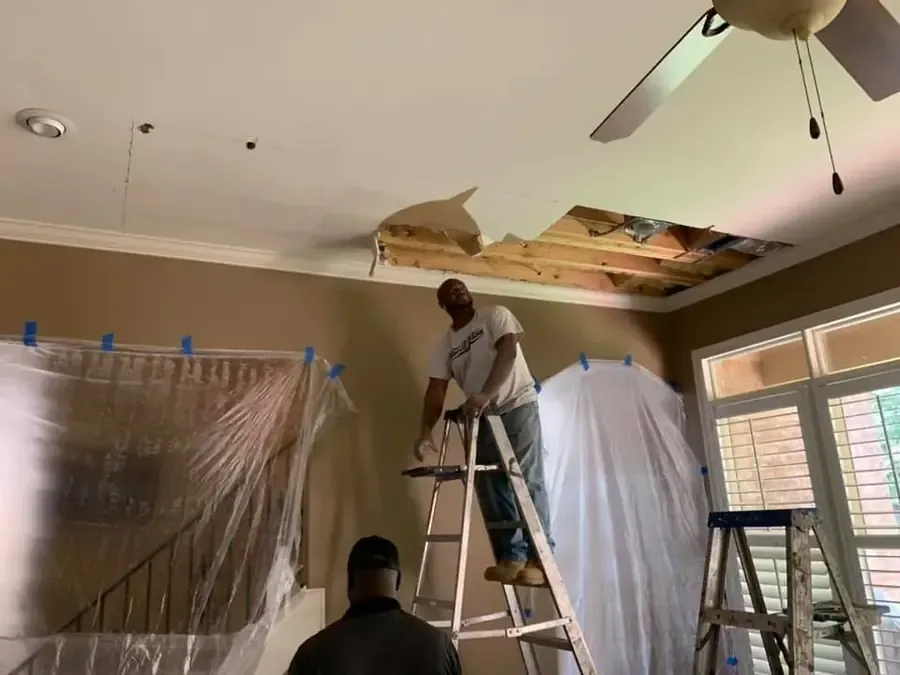
Overhead water requires safe access to the source before damaged ceiling materials come down.
Read about ceiling leak water damage ›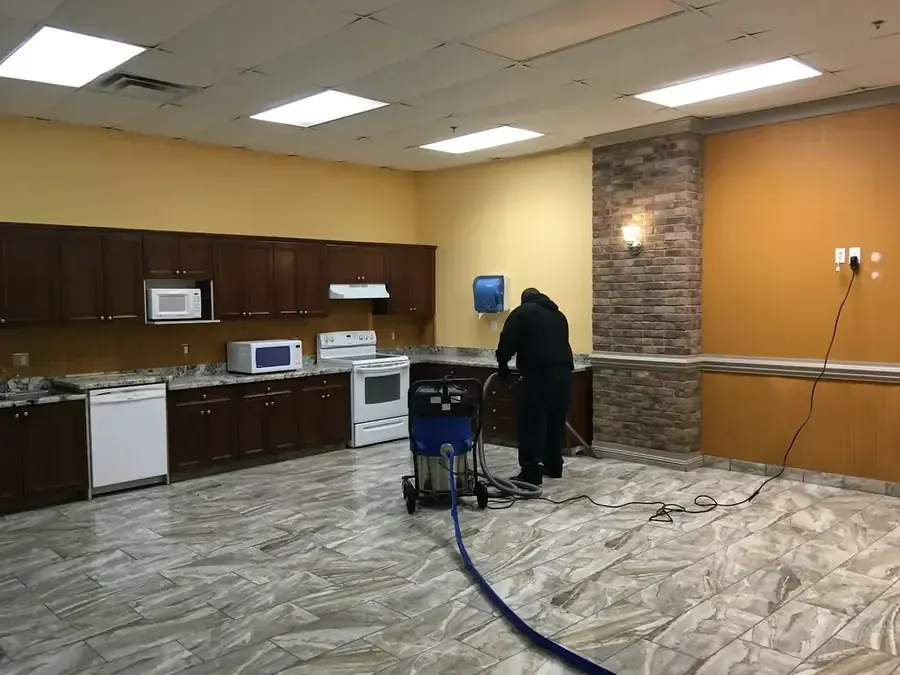
Water Extraction in Sperry
Extractors remove pooled water before the drying equipment tackles moisture inside floors and walls.
Read about water extraction ›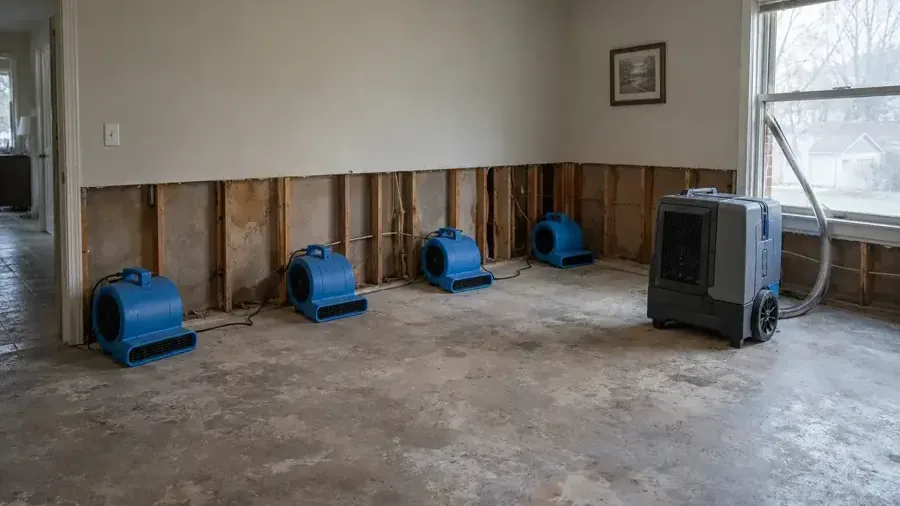
Structural Drying in Sperry
Material readings direct dehumidification until the assembly reaches a defensible drying goal.
Read about structural drying ›Burst Pipe Water Damage questions in Sperry, OK
What if the supply has already been shut off?
That information helps the assessment focus on residual water and damaged assemblies. Water can remain inside cavities or beneath flooring after the flow stops, so inspection and extraction may still be needed. The plumbing repair status should be recorded separately from the condition of walls, ceilings and floor materials affected by the release.
Why does water appear away from the broken pipe?
Water follows connected cavities and gravity rather than staying directly beside the failure. It can pass behind trim, through ceiling openings or beneath a floor covering before emerging elsewhere. The inspection traces those routes so cleanup includes the spaces that received water even when they are separated from the repair location.
Can a small pipe opening hide extensive damage?
A narrow opening may expose the source while leaving wet insulation or framing out of view. The amount of visible wall damage does not define the moisture boundary. Measurements and inspection around connected surfaces help determine whether additional access is needed to remove trapped water and dry the retained parts of the assembly.
Should the wall be patched after plumbing work?
Patching should wait until the affected cavity has been assessed and the necessary moisture work is complete. Closing a wet assembly can hide material that still needs treatment. The restoration handoff should identify drying results, damaged finishes and any access that must remain available before replacement wallboard or trim is installed.
Does every wet room need identical equipment?
Equipment needs vary with material type, exposed surface area and the way air can reach moisture. An open hard floor and an insulated wall cavity may require different arrangements. The plan should explain what each setup is intended to dry, then use repeat measurements to determine whether it is reaching that material effectively.
Can occupants save belongings before the assessment?
Dry items may be moved when the route and room are safe, but occupants should avoid water near electrical equipment or unstable ceilings. Wet contents need their own handling decisions. Photographs taken before movement help show where items were located and how the release affected furniture bases, stored goods or other possessions.
What should the written scope separate?
The scope should distinguish source repair, extraction, material removal, structural drying and replacement finishes. Those tasks solve different parts of the problem and may involve different trades. Clear descriptions make it easier to understand why work continues after the pipe is repaired and what conditions must be met before the room is rebuilt.
How can hidden drying progress be checked?
Measurements at identified locations allow comparison over time in the same retained materials. An access opening may be needed when the finish blocks useful inspection. The drying record should explain those locations and any areas that remain inaccessible, rather than relying only on room humidity or the appearance of the repaired pipe opening.
Recover the building beyond the repair opening
A pipe repair stops the release; a mapped cleanup scope addresses the wet finishes and retained structure surrounding it.
(888) 619-9509Discuss the affected walls and floors