Ceiling Leak Water Damage in Sperry
A growing ceiling stain puts the room below in question. Sperry ceiling leak cleanup first assesses overhead stability, then traces water through the cavity to distinguish plumbing discharge from roof entry.
(888) 619-9509Report the overhead changes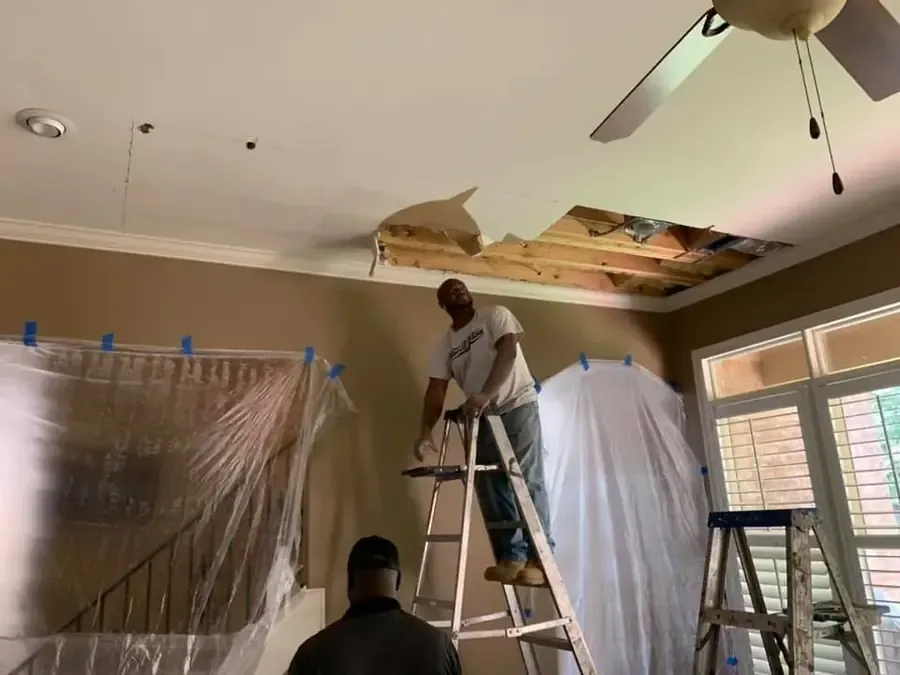
A ceiling can show a faint ring, a soft bulge or an active drip, and each condition changes the first inspection. The room below may need to be kept clear before anyone examines the cavity. Cleanup planning starts with overhead stability and safe access, then follows the water beyond the visible edge of the stain.
How ceiling leak water damage progresses
Assess the occupied space
The inspection considers overhead stability, electrical contact and the route needed for controlled work before opening the ceiling or placing equipment in the room below.
Identify the wet cavity
Source findings and the visible stain pattern are connected to actual ceiling construction, including insulation and adjoining wall areas that may hold water.
Expose and dry retained material
Necessary removal creates access to the wet assembly, allowing equipment and repeat measurements to address framing and other suitable materials that remain in place.
Prepare the repair account
The closing record separates drying results from ceiling replacement, source repairs and any related floor or contents work still needed after the overhead cleanup.
First steps for ceiling leak water damage
- 1Clear the space below. People and pets should remain away from sagging ceiling sections or wet fixtures until the overhead condition is assessed.
- 2Describe the changing shape. A growing bulge, spreading ring or renewed drip provides useful information about the ceiling cavity and possible continuing release.
- 3Avoid cosmetic covering. Paint or a temporary surface covering can obscure damage patterns needed to connect the visible stain with the concealed water path.
- 4Record the source sequence. The account should include fixture use, roof work or rainfall observations that may help diagnose entry.
Determine what is feeding the overhead cavity
Water above a room may come from plumbing or roof entry. The pattern of use and dripping can help direct the source assessment: a release associated with an upstairs fixture needs different diagnosis from a mark that grows during rainfall. The restoration scope follows affected materials while the appropriate trade identifies and repairs that source.
Sperry Public Schools has elementary, middle and high school buildings sharing a campus on the western edge of town. Whether an affected ceiling belongs to a home or an occupied institutional room, protecting the people below comes first. Traffic, furniture and equipment routes need consideration before an unstable section is opened or removed.
- Keep occupants outside the area beneath a sagging or visibly swollen ceiling section.
- Report water near light fittings or other electrical components before inspection begins.
- Describe any fixture use or rainfall that coincides with renewed dripping.
- Leave the stained surface visible so the original pattern can be documented.
State Highway 11 and Osage Prairie Trail help identify local access, but the interior description should name the particular room and overhead changes. A stain extending into a corner may indicate water entering an adjoining wall. Several separated marks may share a cavity route that deserves inspection between the visible patches.
Describe the ceiling's shape, the room below and any relationship between dripping and fixture use or rainfall. Those details help focus a safe overhead assessment.
(888) 619-9509Explain the stain or sagging areaCreate access without losing the damage record
Photographs before opening help show how the ceiling changed. Once a section is exposed, the assessment can record the wet layers above it and identify trapped liquid or unsuitable insulation. Controlled removal should protect the room below and provide enough access to inspect the materials that are intended to remain.
- Assess ceiling stability and the hazards within the affected room.
- Relate the stain pattern to source findings and overhead construction.
- Open damaged or obstructing material through a protected work area.
- Measure retained framing and adjoining surfaces during the drying stage.
The goal is not simply to make an opening beneath the darkest mark. Access must reach the actual wet cavity, including material that may continue behind a partition or beyond an exposed joist bay. The scope should explain additional openings when measurements or construction show that the first opening cannot reach the remaining moisture.
Safe access comes first
The restoration crew checks electrical exposure, overhead stability and the water source before entering the wet area. Occupants keep clear of sagging ceilings and contaminated floors. A qualified professional isolates affected circuits from a dry location. These checks precede extraction because standing water can conceal damage that a surface inspection misses.
Replace finishes after the hidden assembly is addressed
Material measurements reveal moisture conditions inside the ceiling cavity. Dense wood, backing and insulated sections can respond differently to equipment. Repeat measurements at identified locations help show whether the retained assembly is progressing and whether airflow or access needs adjustment before replacement ceiling material covers the area again.
A plumbing release may also have wet the floor below. That lower damage deserves its own assessment rather than being absorbed into the ceiling repair description. Likewise, furniture or fabrics beneath the drip may require separate handling even when the overhead cleanup involves only a limited section of the room.
- Keep source repair information alongside the ceiling inspection photographs.
- Distinguish damaged finish removal from openings needed to reach concealed moisture.
- Record wet wall corners and floor areas below the overhead release.
- Identify remaining insulation, ceiling and painting tasks in the final handoff.
The roof leak page covers attic entry, while burst pipe cleanup explains pressurized water spreading through connected cavities.
What does ceiling leak water damage cost in Sperry, OK?
Ceiling leak cleanup in Sperry ranges from $700 to $4,000. Overhead access, insulation, trapped water and connected wet areas determine the scope, with source repair and replacement finishes identified separately.
Small stained section
$700 to $1,400
- Local opening
- Room protection
- Moisture checks
Wet ceiling cavity
$1,400 to $2,600
- Insulation assessment
- Framing exposure
- Targeted drying
Broad overhead loss
$2,600 to $4,000
- Multiple bays
- Connected walls
- Expanded access
These planning ranges are estimate only. Water category, affected area, material class and the delay before extraction change the scope. The water damage cost calculator explores those variables.
Careful decisions for ceiling leak water damage
Rapid local response
The response team assesses active water, access and source control during 24/7 dispatch. Arrival depends on current conditions and the work required at the property.
IICRC S500 drying standard
The drying technician compares wet assemblies with suitable dry references and adjusts dehumidification to the material load. A dry surface alone does not close the job.
Claim-ready documentation
The mitigation team records initial damage, material decisions, equipment and daily readings. The property owner retains a clearer account of the loss for the insurance review.
Local water experts
The contractor checks the actual building and the reported source before choosing a method. Indoor supply releases, contaminated outside water and backed-up drains require different handling.
Ceiling leak water damage in Sperry
Ceiling assessments serve Sperry properties in 74073, including occupied buildings where access around the affected room and conditions below the wet overhead assembly shape the work plan.
The same service nearby: ceiling leak water damage in Sand Springs, Owasso, Oakhurst.
Related water damage services in Sperry
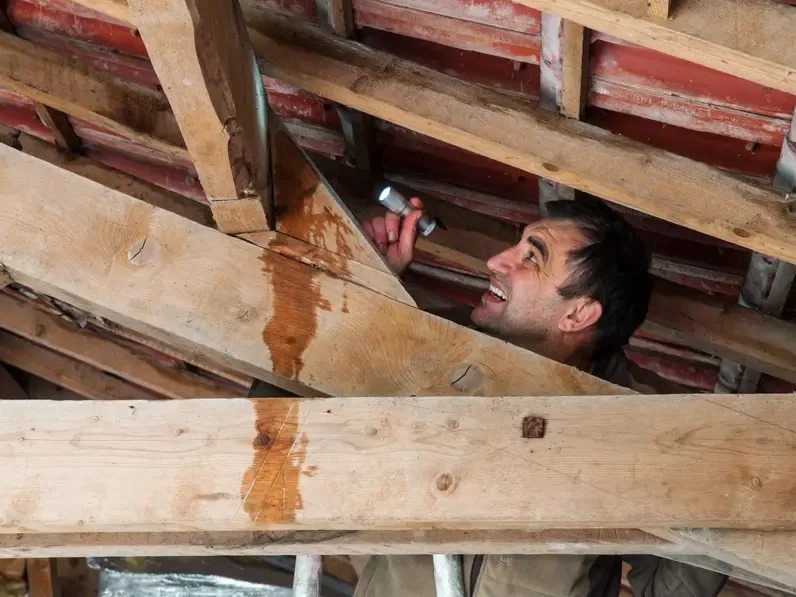
Roof Leak Water Damage in Sperry
Attic insulation and ceiling layers need inspection after rain enters the roof assembly.
Read about roof leak water damage ›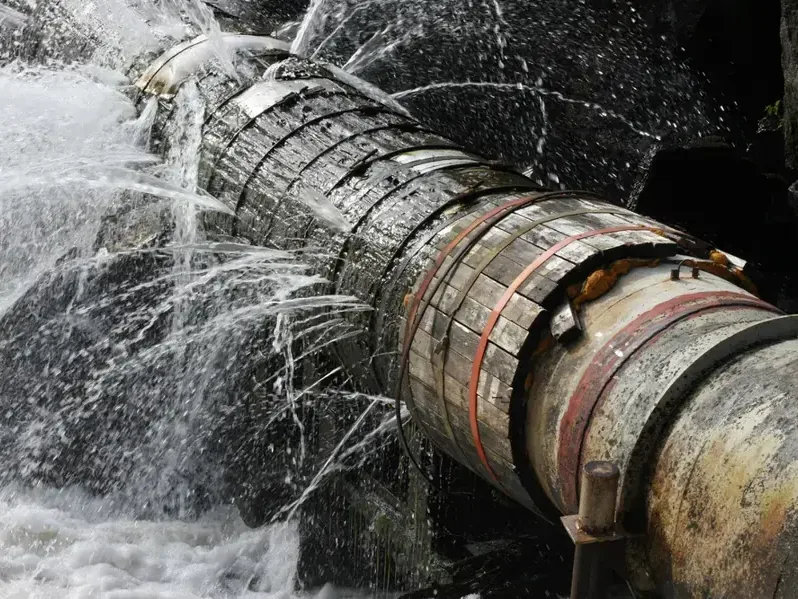
Burst Pipe Water Damage in Sperry
A stopped pipe release still leaves wet cavities that need measured drying and documented access.
Read about burst pipe water damage ›
Structural Drying in Sperry
Material readings direct dehumidification until the assembly reaches a defensible drying goal.
Read about structural drying ›Ceiling Leak Water Damage questions in Sperry, OK
Is a small ceiling stain urgent enough for inspection?
A small mark can be the first visible sign of water held above the finish. Its size alone does not show the amount of wet insulation or framing. Inspection is particularly important when the mark changes, dripping continues or nearby electrical fixtures are affected, because those conditions alter safety and the likely scope.
Can the source be plumbing even during rainy weather?
Yes. Timing can help direct the investigation, but the source needs assessment rather than an assumption based on weather alone. Plumbing use, pipe locations and roof findings should be considered together. Restoration work documents the wet cavity and connected surfaces while the appropriate repair trade determines how water is entering that space.
Should a bulging ceiling be drained by the occupant?
A bulge can involve unstable material and hidden electrical components. Occupants should avoid the area beneath it and describe the condition from a safe position. Controlled opening requires an assessment of the assembly, protection of the room and a plan for handling trapped liquid and material that may fall during access.
Why inspect the wall beside the ceiling stain?
Water can travel from a ceiling cavity into a partition, especially near corners and framing connections. A wall surface may remain visually unchanged while its upper or lower layers are wet. Checking that connection helps define whether the cleanup is confined overhead or needs access and drying within an adjoining vertical assembly.
Can the room remain occupied during the work?
Occupancy depends on ceiling stability, contamination, electrical conditions and the space needed for equipment or removal. The work plan should identify any restricted area and a safe route around it. A visibly small stain does not automatically make the room suitable for normal use while concealed damage and overhead hazards are being assessed.
Does the entire ceiling need replacement?
Replacement depends on material damage and access requirements. Some sections may remain suitable after assessment and drying, while weakened or obstructing areas require removal. The scope should explain each opening and identify the retained portions that will be measured, rather than assuming every visible panel needs the same treatment or replacement decision.
What happens to wet insulation above the opening?
Insulation is evaluated for condition and whether it prevents access to the retained structure. Unsuitable material may need removal before framing or the remaining ceiling can be treated. The proposal should distinguish that cleanup decision from later insulation replacement and explain any areas that remain inaccessible beyond the initial ceiling opening.
What should be checked before new wallboard is installed?
The source should be addressed and retained materials assessed at the identified moisture locations. The handoff should explain drying results and any remaining cavity concerns before closure. Replacement wallboard, finishing and painting are later repair tasks, so their schedule should follow the condition of the assembly rather than the end of visible dripping.
Address the cavity before closing the ceiling
The cleanup plan should connect source repair, controlled access and retained material readings before replacement finishes hide the affected overhead space.
(888) 619-9509Discuss the overhead inspection needs