Ceiling Leak Water Damage in Owasso
A widening ceiling mark raises questions about both the source and the material overhead. Assessment begins with safe room access, then traces the wet cavity and protects belongings below the damaged section.
(888) 619-9509Describe the ceiling and room below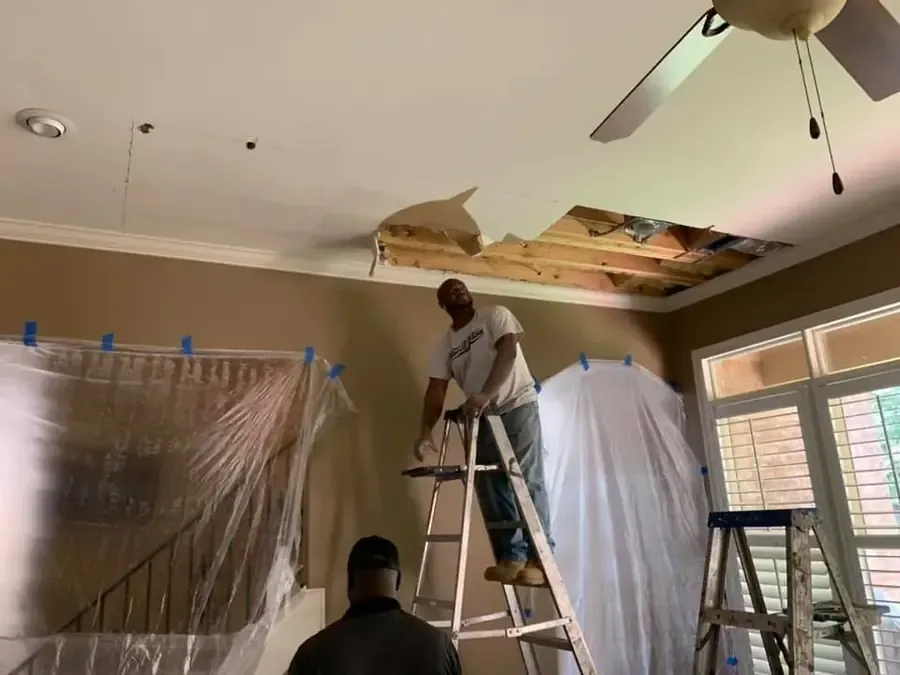
The Greens at Owasso and The Village are apartment settings where a ceiling leak report should identify the affected unit and room. The occupant sees the damage below, while access to the source may involve management or another space. A useful assessment connects those access needs without requiring the resident to investigate above an unstable ceiling.
How ceiling leak water damage progresses
Assess overhead conditions
The room is evaluated for unstable finishes and electrical concerns before contents handling or removal begins. A protected floor boundary keeps the work area separate from usable parts of the building.
Inspect the cavity
Selective access identifies wet insulation, framing and ceiling layers, allowing removal decisions to follow the actual material condition and moisture path.
Dry retained sections
Equipment placement and measurement points are selected for the exposed assembly, with additional checks where water moved down walls or onto flooring.
Prepare ceiling repairs
The handoff records source status, drying results and removed materials so reconstruction can address the remaining openings without concealing unfinished water recovery.
First steps for ceiling leak water damage
- 1Keep the area below clear. Occupants stay outside the damaged area and report loose or bulging ceiling material.
- 2Identify the upper contact. Management or the owner coordinates access to the space above when the source cannot be reached from the affected room.
- 3Record related room damage. Photographs show wall streaks, wet flooring and belongings beneath the leak alongside the overhead mark and its changing shape.
- 4Plan cavity access. The assessment explains any proposed opening, the materials needing attention and the protection required for the occupied space below.
Protect the room beneath the wet material
A ceiling can hold water before it drips. Bulging, sagging or loose finishes deserve a clear space below them. Occupants should avoid puncturing the material or placing containers where doing so requires standing under damaged sections. The first report can describe the shape and location from a safe doorway.
- Record which room is affected and whether the ceiling mark is expanding.
- Describe nearby light fixtures or electrical equipment without touching wet components.
- Keep furniture movement outside the area beneath loose or sagging material.
- Arrange contact with management when access to an upper space is needed.
A Redbud District office can have similar access concerns when overhead water reaches a workstation or shared room. The manager should establish an alternate route and identify documents or equipment needing protection. Temporary changes to room use should remain in place until the overhead assessment establishes a safe work plan.
Explain where the ceiling changed, whether dripping continues and how the room is being used. Include any access needs above the damage so the assessment can connect source work with cleanup.
(888) 619-9509Discuss the overhead damage areaConnect the mark with the concealed cavity
The visible stain outlines only one face of the assembly. Above it, insulation, framing and the underside of surrounding finishes may hold moisture. Inspection may require selective opening, but the purpose and extent should be explained first. The opening should provide useful access while keeping unaffected parts of the room protected.
- Evaluate overhead stability and establish a protected floor area below.
- Coordinate source investigation through the building's available access points.
- Inspect wet cavity materials and identify necessary removal or drying.
- Document the condition required before replacement ceiling material is installed.
The cleanup plan should distinguish materials that are physically damaged from those that are wet but potentially retainable. A broken or deteriorated finish can need replacement even after drying. Retained construction, meanwhile, needs moisture checks that support a clear drying objective rather than a decision based only on appearance.
Water may also run down the wall or reach the floor beneath a ceiling leak. Those lower surfaces belong in the assessment even when the overhead mark attracts most of the attention. Photographs should show the complete room relationship, including any wet belongings below the original drip point.
Safe access comes first
The restoration crew checks electrical exposure, overhead stability and the water source before entering the wet area. Occupants keep clear of sagging ceilings and contaminated floors. A qualified professional isolates affected circuits from a dry location. These checks precede extraction because standing water can conceal damage that a surface inspection misses.
Give the repair trade a complete handoff
A closed ceiling hides the cavity again. Before patching begins, source status, removed layers and retained moisture conditions should be documented. The owner or manager can then coordinate repair work with a clear account of what remains open and which assembly sections were checked during the cleanup.
Local structural alterations and reconstruction require permit planning through the Building Division. When ceiling repair extends into that scope, the construction work should address those requirements. The roof leak page discusses roof entry separately, while plumbing related ceiling water may require coordination with a different source repair trade.
- Label photographs by room so overhead and floor damage remain connected.
- Record any source area that could not be accessed during assessment.
- Separate finish replacement from the cost of drying retained construction.
- Keep occupied areas outside the removal route until work conditions allow use.
The completed drying record should make the next decision straightforward: which materials can be covered, which need replacement and which access questions still require an answer before the ceiling is restored.
What does ceiling leak water damage cost in Owasso, OK?
Ceiling leak cleanup in Owasso is priced around overhead access, damaged layers and concealed moisture. The ranges below describe cleanup scale, with source repairs and replacement finishes identified as separate work where applicable.
Small stained section
$700 to $1,400
- Focused inspection
- Limited exposure
- Material drying
Wet ceiling cavity
$1,400 to $2,600
- Insulation handling
- Selective access
- Framing checks
Broad overhead loss
$2,600 to $4,000
- Multiple sections
- Room protection
- Coordinated removal
These planning ranges are estimate only. Water category, affected area, material class and the delay before extraction change the scope. The water damage cost calculator explores those variables.
Careful decisions for ceiling leak water damage
Rapid local response
The response team assesses active water, access and source control during 24/7 dispatch. Arrival depends on current conditions and the work required at the property.
IICRC S500 drying standard
The drying technician compares wet assemblies with suitable dry references and adjusts dehumidification to the material load. A dry surface alone does not close the job.
Claim-ready documentation
The mitigation team records initial damage, material decisions, equipment and daily readings. The property owner retains a clearer account of the loss for the insurance review.
Local water experts
The contractor checks the actual building and the reported source before choosing a method. Indoor supply releases, contaminated outside water and backed-up drains require different handling.
Ceiling leak water damage in Owasso
Owasso ceiling assessments include apartment settings at The Village, Redbud District offices and properties near U.S. Highway 169, with access arranged for the affected assembly.
The same service nearby: ceiling leak water damage in Sand Springs, Sperry, Oakhurst.
Related water damage services in Owasso
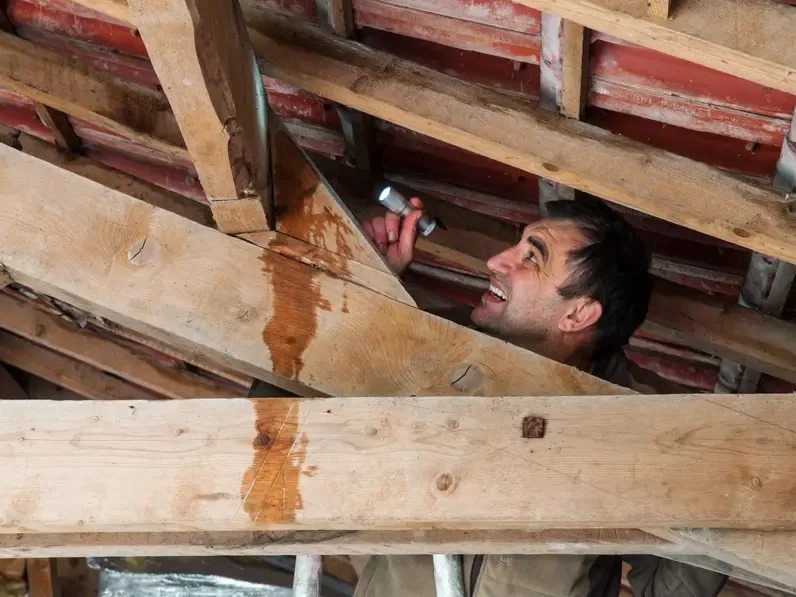
Roof Leak Water Damage in Owasso
Attic insulation and ceiling layers need inspection after rain enters the roof assembly.
Read about roof leak water damage ›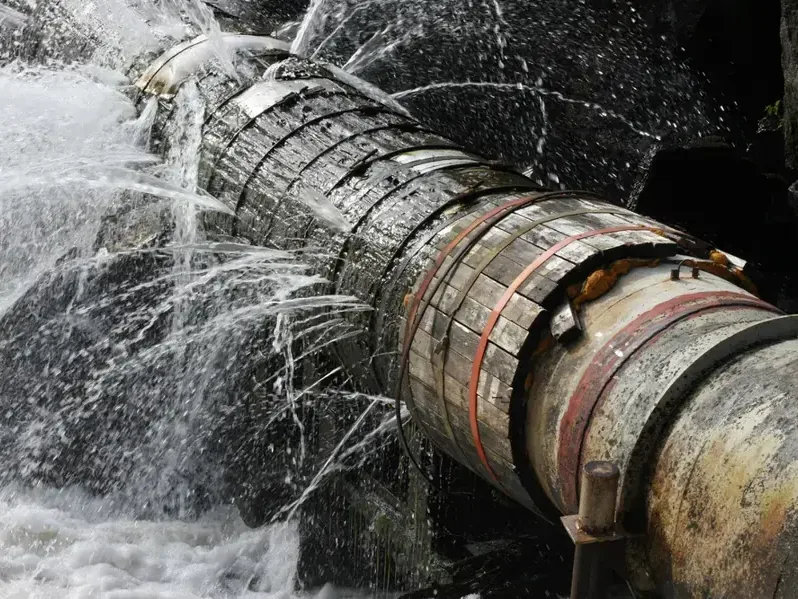
Burst Pipe Water Damage in Owasso
A stopped pipe release still leaves wet cavities that need measured drying and documented access.
Read about burst pipe water damage ›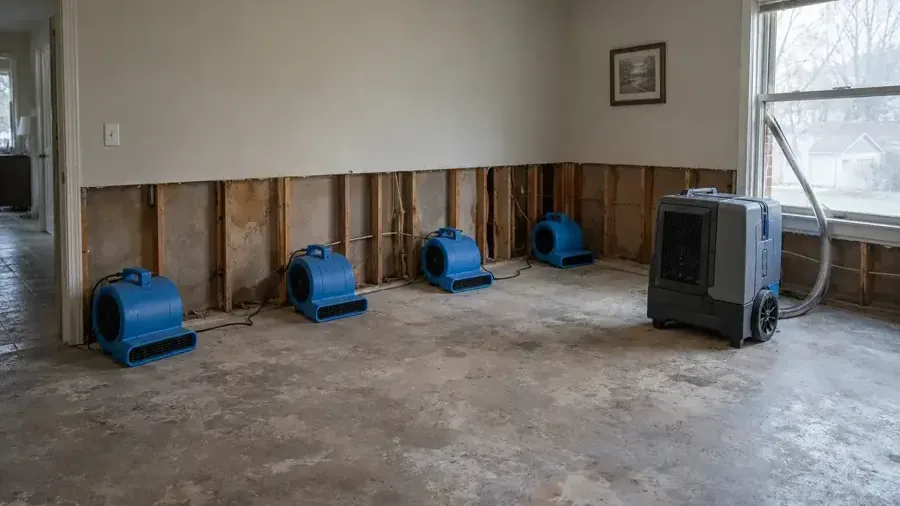
Structural Drying in Owasso
Material readings direct dehumidification until the assembly reaches a defensible drying goal.
Read about structural drying ›Ceiling Leak Water Damage questions in Owasso, OK
Should a resident make a hole in a ceiling bulge?
A bulge can involve unstable material, concealed water and nearby electrical components. Occupants should keep clear of the area below it and arrange an assessment rather than puncturing the surface. The description can identify the room and visible shape from a safe location while management or the owner coordinates access.
Does the upstairs unit always contain the source?
The water path needs investigation. A source may be above the visible mark, but water can move through the assembly before it appears. Management should coordinate access to relevant spaces, and the cleanup record should identify which areas were inspected and which still require entry to complete the assessment.
Why inspect the floor when the ceiling is wet?
Dripping or water running down a wall can affect flooring and contents beneath the mark. Those surfaces may absorb water while attention stays overhead. A complete room assessment follows the route from the ceiling to any lower wet materials so the drying plan includes the entire observed path through the space.
Can painting cover the stain after dripping stops?
Painting addresses appearance rather than the condition of the cavity. Moisture may remain above a surface after active dripping ends. The source should be addressed and retained materials assessed before finish work proceeds. A drying record helps the repair trade decide when patching or painting can follow the cleanup.
How are belongings protected during ceiling removal?
A protected staging area and floor boundary should be established before removal. Contents that can be moved safely are documented and placed beyond the overhead work zone. Items already contacted by water need separate assessment. This allows ceiling access without mixing dry belongings into debris or the wet material handling route.
Will all insulation above the stain be removed?
Removal depends on the material condition, exposure and the access needed for effective drying. The stain itself may not show the full wet area. The assessment should explain which sections require attention and how retained materials will be measured, rather than assuming every visible ceiling mark calls for the same opening.
Who coordinates access in an occupied apartment building?
The property manager or authorized building contact can arrange entry to relevant units and shared spaces. Residents can supply room descriptions and safe photographs. Clear scheduling helps the source investigation and cleanup proceed together while keeping other occupants informed about access restrictions around the damaged ceiling and the removal route.
What documentation helps before ceiling reconstruction starts?
Useful records identify the source status, cavity sections opened, wet layers removed and moisture checks on retained construction. Any inaccessible area should remain listed. The repair trade can then plan the remaining work and required permits from a specific assembly record instead of relying on photographs of the finished room alone.
Make the ceiling repair sequence clear
Protected access and material measurements help move the room from an uncertain overhead condition toward an informed repair plan.
(888) 619-9509Request a ceiling water assessment