Ceiling Leak Water Damage in Oakhurst
A dark patch overhead can be the first sign of water held above the room. Ceiling cleanup begins with safety, source identification and a careful assessment of the hidden layers.
(888) 619-9509Describe the overhead water symptoms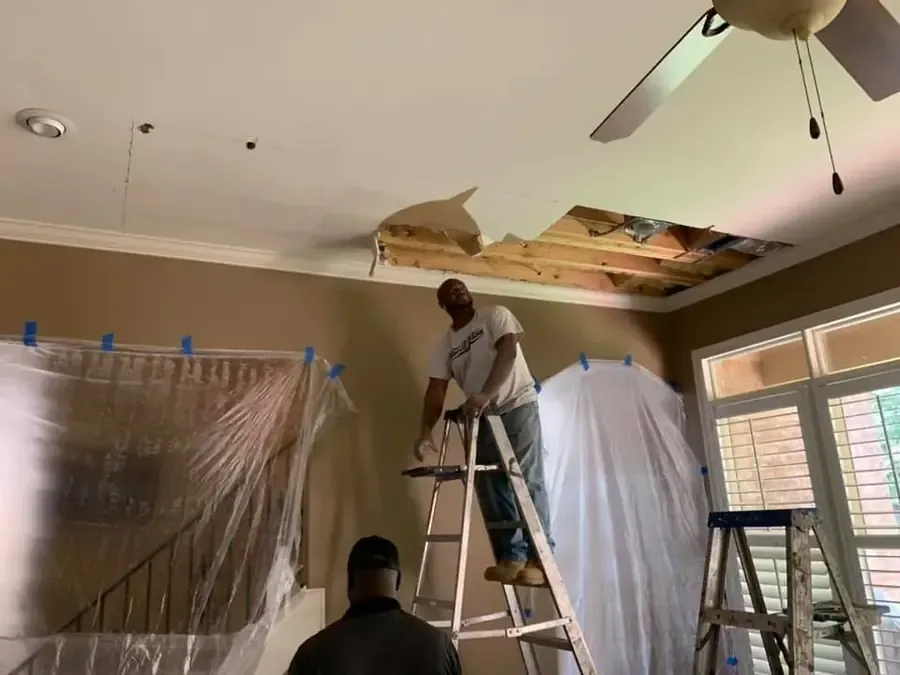
A ceiling leak in Oakhurst often becomes visible from below before the source is understood. The stain can follow a board joint, surround a fixture or appear beside a wall. Those clues help direct an inspection, but the first decision concerns whether the room beneath the wet surface is safe to enter.
How ceiling leak water damage progresses
Assess overhead conditions
The initial inspection considers ceiling stability, electrical exposure and available access before selecting a method for examining the source and concealed materials.
Protect and open selectively
The room is prepared for controlled removal of damaged layers, with openings chosen to expose wet assemblies and support the necessary repair access.
Monitor accessible retained structure
Moisture measurements follow framing and related wall materials as equipment addresses the exposed cavity and any connected areas identified during the inspection.
Prepare closure documentation
The handoff describes source control, removed ceiling components and drying results, allowing reconstruction decisions to follow the actual condition of the overhead assembly.
First steps for ceiling leak water damage
- 1Clear the space below. People should remain away from a sagging ceiling while the area is assessed for falling material and other overhead hazards.
- 2Describe when dripping occurs. Details about rain, plumbing use or continued dripping can help direct source assessment without requiring an occupant to open the ceiling.
- 3Leave fixtures untouched. Water near a ceiling fixture requires electrical attention before switches, fittings or nearby wet board are handled during cleanup.
- 4Identify access above. The contact should identify the attic, room or restricted space above the visible ceiling damage.
A stained ceiling and a sagging ceiling need different attention
Staining may indicate moisture exposure without showing the condition of the cavity above. Sagging or softened board adds concern about falling material. Occupants should stay away from unstable sections and avoid puncturing the ceiling to release water. A controlled assessment considers electrical hazards, the load of wet insulation and safe access to the source.
- Describe changes in the ceiling shape as well as its color.
- Keep furnishings beneath a hazardous section untouched until access is safe.
- Report plumbing use or rainfall associated with the appearance of dripping.
- Identify any wet fixture without handling its switch or exposed components.
Oakhurst is an unincorporated community spanning Tulsa County and Creek County. For properties near Interstate 44, the access discussion still needs the specific building and affected room. Ceiling work may require protection below the opening and access to another floor or attic above, depending on the actual construction.
A description of sagging, staining, dripping and nearby fixtures helps explain the immediate concerns. Information about the space above the ceiling also supports a safer plan for investigating concealed water.
(888) 619-9509Explain the overhead changesFind the source before rebuilding the finish
Water above a ceiling may originate from plumbing, an appliance or roof entry. Source repair belongs to the appropriate trade, while cleanup determines which materials absorbed the release. The opening needed to reach a failed component may differ from the opening needed to expose all wet insulation and damaged ceiling board.
- Establish room restrictions and safe access around overhead hazards.
- Trace accessible moisture toward the source and coordinate its repair.
- Remove damaged or unsuitable layers under controlled room protection.
- Evaluate retained framing and connected walls for continued drying.
A leak above a ceiling corner can wet the top of an adjoining partition before producing a stain on the wall face. Assessment should follow that connection. Repairing only the ceiling patch could leave a wet wall cavity concealed beside it, particularly where insulation or tightly fitted finishes restrict access to the water.
Room protection also matters during selective removal. Furnishings outside the wet footprint may need covering or relocation along a safe route. The scope should identify these handling needs so an opening in the ceiling does not create unnecessary dust and debris exposure across the rest of the occupied space.
Safe access comes first
The restoration crew checks electrical exposure, overhead stability and the water source before entering the wet area. Occupants keep clear of sagging ceilings and contaminated floors. A qualified professional isolates affected circuits from a dry location. These checks precede extraction because standing water can conceal damage that a surface inspection misses.
Use the open cavity to answer the remaining questions
Once damaged board is removed, the exposed area can reveal wet insulation, framing conditions and additional pathways. The assessment should record these findings and explain any scope change. Structural drying then addresses retained materials with equipment placement and measurements matched to the assembly, rather than relying on the absence of dripping.
The final ceiling repair may include new board, insulation and finish work. These items should follow a clear moisture handoff and source repair status. A documented record helps the reconstruction trade understand what was removed, what stayed and which conditions were checked before the cavity was prepared for closure.
- Identify ceiling sections opened for access rather than direct damage.
- Record wall areas connected to the overhead water pathway.
- Keep source repair information with the interior cleanup documentation.
- List finish matching and painting separately from the drying scope.
If the source is rain, roof leak damage cleanup explains the attic connection. If plumbing failed, burst pipe recovery addresses the pressurized release and its spread through nearby materials.
What does ceiling leak water damage cost in Oakhurst, OK?
Oakhurst ceiling leak cleanup ranges from $700 to $1,400 for a small stained section, $1,400 to $2,600 for a wet ceiling cavity and $2,600 to $4,000 for broad overhead loss.
Small stained section
$700 to $1,400
- Source tracing
- Protected room
- Local access
Wet ceiling cavity
$1,400 to $2,600
- Board removal
- Insulation assessment
- Framing drying
Broad overhead loss
$2,600 to $4,000
- Connected cavities
- Wall checks
- Larger setup
These planning ranges are estimate only. Water category, affected area, material class and the delay before extraction change the scope. The water damage cost calculator explores those variables.
Careful decisions for ceiling leak water damage
Rapid local response
The response team assesses active water, access and source control during 24/7 dispatch. Arrival depends on current conditions and the work required at the property.
IICRC S500 drying standard
The drying technician compares wet assemblies with suitable dry references and adjusts dehumidification to the material load. A dry surface alone does not close the job.
Claim-ready documentation
The mitigation team records initial damage, material decisions, equipment and daily readings. The property owner retains a clearer account of the loss for the insurance review.
Local water experts
The contractor checks the actual building and the reported source before choosing a method. Indoor supply releases, contaminated outside water and backed-up drains require different handling.
Ceiling leak water damage in Oakhurst
Ceiling leak assessments in Oakhurst address safe access above and below the damaged finish, with room protection and source coordination suited to the individual building.
The same service nearby: ceiling leak water damage in Sand Springs, Bixby, Sperry.
Related water damage services in Oakhurst
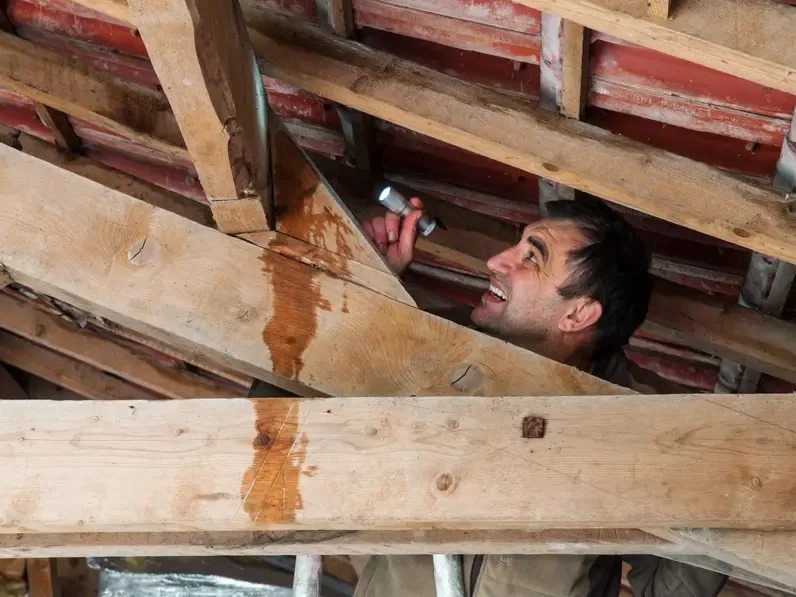
Roof Leak Water Damage in Oakhurst
Attic insulation and ceiling layers need inspection after rain enters the roof assembly.
Read about roof leak water damage ›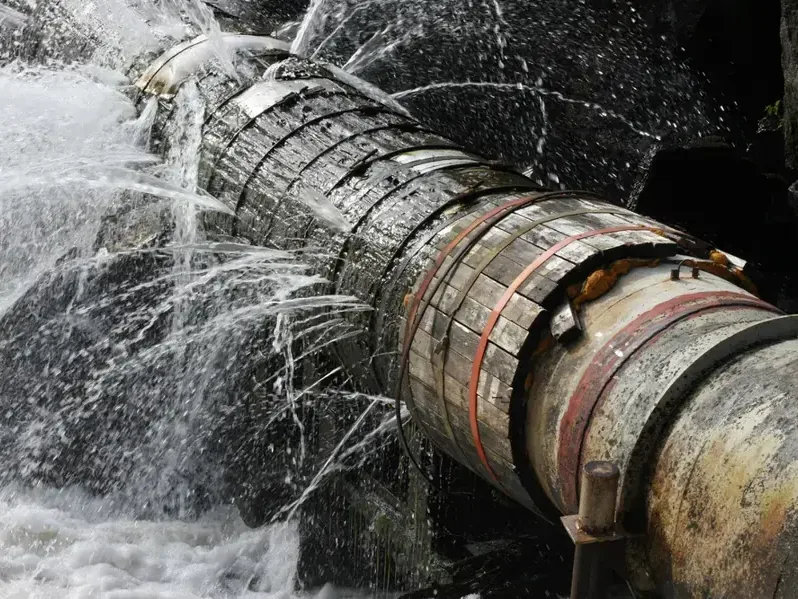
Burst Pipe Water Damage in Oakhurst
A stopped pipe release still leaves wet cavities that need measured drying and documented access.
Read about burst pipe water damage ›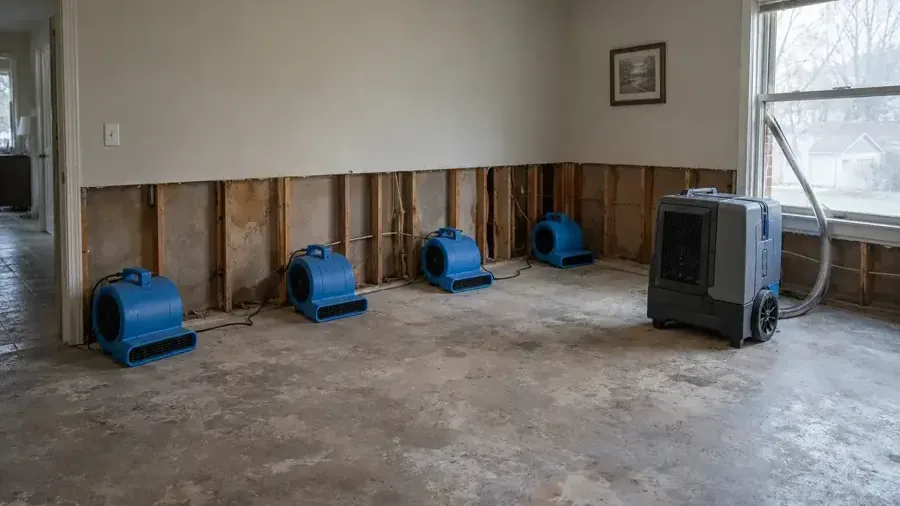
Structural Drying in Oakhurst
Material readings direct dehumidification until the assembly reaches a defensible drying goal.
Read about structural drying ›Ceiling Leak Water Damage questions in Oakhurst, OK
Should a sagging ceiling be punctured to drain it?
A sagging ceiling can conceal unstable materials, water and electrical hazards. Occupants should keep the space below clear instead of opening it themselves. A professional assessment determines safe access and controlled removal, considering the condition of the board, insulation and other components above the visible surface.
Does a small stain mean the damage is minor?
Stain size shows only the visible finish response. Water may have spread across insulation or along framing before appearing below. Inspection of accessible concealed materials helps determine the actual wet footprint. A limited mark can therefore require a broader assessment before decisions about drying and finish replacement are made.
How is the source of a ceiling leak identified?
The assessment considers the location, timing and pattern of the moisture, then examines accessible areas above the ceiling. Plumbing use, rain entry or an appliance release can provide different clues. The appropriate repair trade addresses the source while cleanup follows the affected ceiling and connected materials.
Can the room remain occupied during overhead cleanup?
Occupancy depends on ceiling stability, electrical conditions and the removal work required. The area below an opening may need to remain separated from normal use. Room protection and a clear access plan help keep unaffected belongings and household activity away from debris, wet materials and drying equipment.
Why inspect a wall when the leak is overhead?
Water can move from the ceiling cavity into an adjoining partition. The top of the wall may become wet before any stain appears lower down. Checking accessible wall materials follows that connection and helps prevent a ceiling repair from concealing moisture that remains within the neighboring assembly.
Is wet insulation always visible from below?
Insulation can retain water above an apparently intact finish. Its condition becomes clearer through safe attic access or a controlled ceiling opening. The assessment determines whether it can remain or needs removal, and whether its presence prevents effective inspection and drying of the surrounding framing and cavity.
What happens after the source has been repaired?
The remaining ceiling and wall materials still require assessment. Removal may expose wet layers that need controlled drying before reconstruction. Material readings, access conditions and physical damage shape that work. Source repair is therefore an essential stage, followed by recovery of the assemblies already affected by the leak.
When can the repaired ceiling be painted?
Painting follows suitable repair of the ceiling and preparation of the finish surface. Before that stage, the source should be controlled and concealed wet materials addressed. The reconstruction trade should receive the drying information so new board, joint treatment and paint are applied over a properly prepared assembly.
Resolve the wet cavity before cosmetic repair
A ceiling assessment should connect the visible patch with the source and hidden materials that need attention before the room is refinished.
(888) 619-9509Discuss safe ceiling cleanup access