Ceiling Leak Water Damage in Bixby
A spreading ceiling mark deserves attention before it becomes falling material. The assessment starts with safe use of the room, then follows the moisture above the visible finish to its source and wet layers.
(888) 619-9509Describe the ceiling's visible changes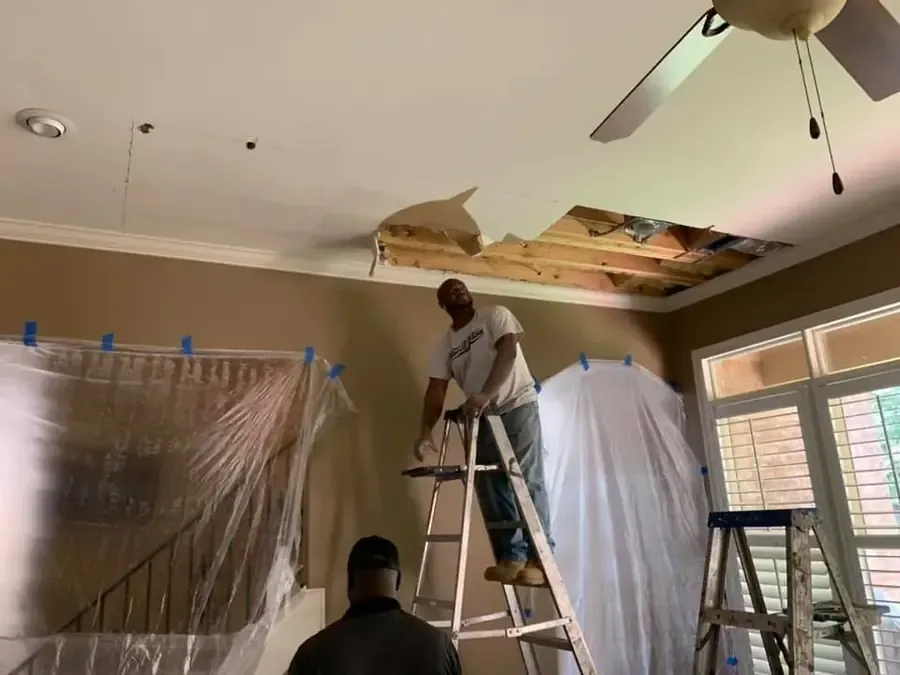
The outline of a ceiling stain describes where water reached the finish, while the source may sit elsewhere above it. In Bixby, overhead leak recovery needs both observations: the changing room surface and the actual assembly behind it. A plumbing release, roof entry or wet floor above can each produce a stain, but their repair and access requirements differ.
How ceiling leak water damage progresses
Assess overhead conditions
The inspection considers ceiling stability, electrical exposure and the space above, then establishes a protected area for access and a source investigation suited to the building's actual layout.
Expose affected cavity components
Damaged ceiling material is opened as needed to inspect wet insulation and framing, recording the spread beyond the visible room stain.
Manage retained material moisture
Drying reaches suitable components within the cavity, with readings used to adjust equipment and identify any hidden area still needing access.
Hand off a clear ceiling scope
The record identifies source correction, removed layers and replacement needs so the ceiling trade can close the assembly after its moisture conditions support repair.
First steps for ceiling leak water damage
- 1Keep clear beneath damage. Avoid loose or bulging ceiling material and keep clear of wet electrical fittings beneath the damaged area.
- 2Identify the space above. Describe the upstairs room or attic and any recent plumbing or roof issue that may explain the overhead water path.
- 3Coordinate property access. Arrange the appropriate owner or management contact for upper rooms, shared cavities and the area where the source needs repair.
- 4Preserve the changing pattern. Save safe photographs of the changing stain so the assessor can compare its original shape with exposed cavity conditions.
Make the room below the first boundary
A bulge or softened section can fail without leaving a convenient working space underneath. Occupants should avoid the affected area and keep away from wet light fixtures. Furniture that can be moved safely from dry ground may help clear access, but nobody should stand under unstable material to collect belongings or puncture the ceiling.
- Describe whether the stain is growing, dripping or changing the ceiling's shape.
- Identify bathrooms, appliances or attic areas located above the damaged room.
- Report any wet light fitting, ceiling fan or nearby electrical component.
- Keep people outside the area beneath loose, cracked or sagging material.
Parkwood Apartments appears in the city's flood-impact advisory, providing a local example of a multifamily property setting. In any apartment ceiling loss, management needs to coordinate access to the area above the visible damage. A tenant's room assessment and the source investigation may require different keys, occupants and authorizations.
A ceiling assessment needs the room below and the source above considered together. Describe the visible changes, any electrical exposure and who can authorize access to connected spaces.
(888) 619-9509Discuss the overhead water damageOpen for a reason and inspect every exposed layer
Selective ceiling access can reveal wet insulation, framing and the underside of the floor or roof above. The opening should allow the damaged materials to be assessed and treated. A small patch around the stain may be insufficient if moisture has traveled beyond it, while unaffected sections should have a clear reason before they are disturbed.
- Assess overhead stability and establish a protected work area below.
- Coordinate source investigation with access to the room or cavity above.
- Remove damaged ceiling components and evaluate insulation and retained framing.
- Measure drying progress before closing the opening with replacement finishes.
For a property in Johns Park, the caller can identify the damaged room and what occupies the space above it. Near Riverview, the same building description helps establish the likely access needs. The assessment still follows the actual moisture route through that property, including any connected wall section or floor layer.
When plumbing caused the damage, burst pipe recovery explains how the source repair connects to wet building materials. A rain-related entry instead needs coordination with roof work. The interior plan should state which trade is responsible for stopping the water before the ceiling assembly is reconstructed.
Safe access comes first
The restoration crew checks electrical exposure, overhead stability and the water source before entering the wet area. Occupants keep clear of sagging ceilings and contaminated floors. A qualified professional isolates affected circuits from a dry location. These checks precede extraction because standing water can conceal damage that a surface inspection misses.
Separate a cosmetic mark from a wet assembly
A dried stain and an actively wet cavity can look similar from below. Material readings, accessible inspection and the source history help distinguish their needs. The estimate should identify damaged finishes separately from recoverable structural components, with an explanation of any insulation removal or adjoining wall access included in the scope.
- Keep photographs of the room before overhead material is removed.
- Record the condition of insulation and framing when they become visible.
- Identify any access still needed in an occupied room above.
- List ceiling replacement and painting separately from the drying work.
Structural drying addresses the moisture left in suitable retained components. Completion depends on those materials and the assembly's condition, not on whether the stain stops spreading. A documented handoff gives the finish trade a clear starting point for ceiling closure, texture work and painting.
The owner should know which source was corrected, what overhead material was removed and what condition remains behind the new finish. That information turns an uncertain ceiling mark into a practical, ordered repair plan.
What does ceiling leak water damage cost in Bixby, OK?
Ceiling leak water damage costs in Bixby depend on cavity access, damaged overhead material and spread beyond the stain. The assessment distinguishes a small finish repair from wet insulation and framing needing broader recovery.
Small stained section
$700 to $1,400
- Localized access
- Finish assessment
- Limited drying
Wet ceiling cavity
$1,400 to $2,600
- Insulation handling
- Framing checks
- Protected opening
Broad overhead loss
$2,600 to $4,000
- Connected bays
- Wider removal
- Expanded monitoring
These planning ranges are estimate only. Water category, affected area, material class and the delay before extraction change the scope. The water damage cost calculator explores those variables.
Careful decisions for ceiling leak water damage
Rapid local response
The response team assesses active water, access and source control during 24/7 dispatch. Arrival depends on current conditions and the work required at the property.
IICRC S500 drying standard
The drying technician compares wet assemblies with suitable dry references and adjusts dehumidification to the material load. A dry surface alone does not close the job.
Claim-ready documentation
The mitigation team records initial damage, material decisions, equipment and daily readings. The property owner retains a clearer account of the loss for the insurance review.
Local water experts
The contractor checks the actual building and the reported source before choosing a method. Indoor supply releases, contaminated outside water and backed-up drains require different handling.
Ceiling leak water damage in Bixby
Overhead water damage assessments are available for properties around Southtown Estates and Divine-Ellard, with room access and any upper-floor authorization established before the ceiling work is planned.
The same service nearby: ceiling leak water damage in Sand Springs, Oakhurst, Owasso.
Related water damage services in Bixby
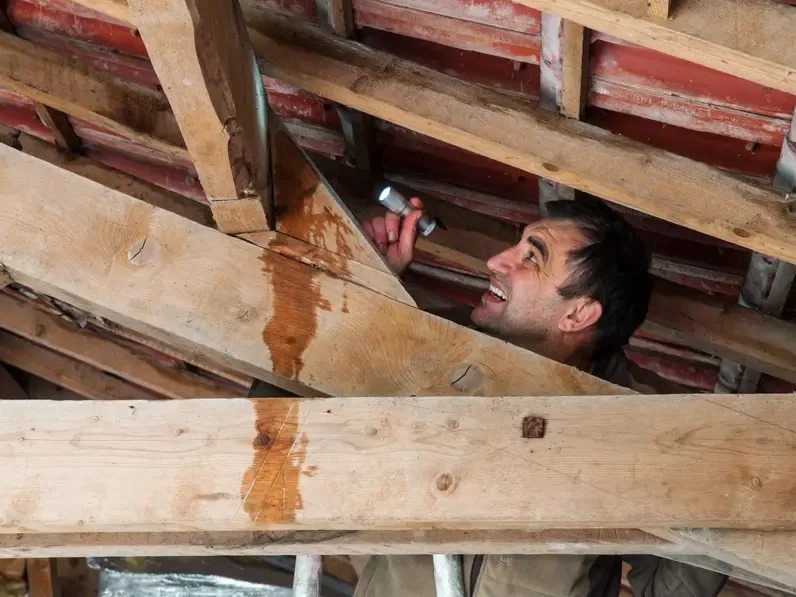
Roof Leak Water Damage in Bixby
Attic insulation and ceiling layers need inspection after rain enters the roof assembly.
Read about roof leak water damage ›
Burst Pipe Water Damage in Bixby
A stopped pipe release still leaves wet cavities that need measured drying and documented access.
Read about burst pipe water damage ›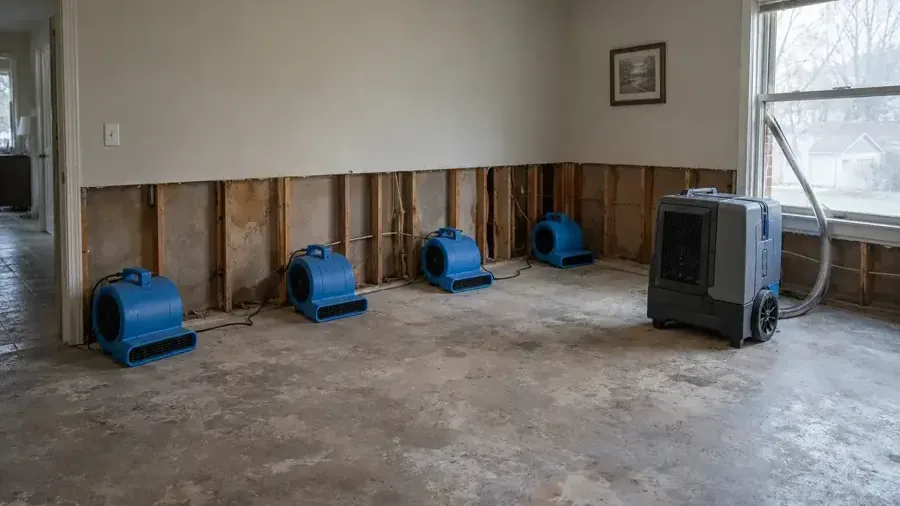
Structural Drying in Bixby
Material readings direct dehumidification until the assembly reaches a defensible drying goal.
Read about structural drying ›Ceiling Leak Water Damage questions in Bixby, OK
Should a homeowner poke a hole in a bulging ceiling?
Standing beneath weakened material or opening it without a controlled work area can be dangerous. Occupants should keep clear and describe the bulge when arranging assessment. The opening method needs to account for electrical components, accumulated water and the condition of the surrounding ceiling rather than treating the bulge as a simple container.
What can the color of a stain reveal?
A stain helps locate visible damage, but color alone cannot identify the source, current moisture level or condition of concealed material. The assessment combines source history with inspection and readings. That approach helps determine whether the room needs active drying, selective removal or finish repair after suitable conditions are established.
Does a ceiling leak always come from the roof?
A roof is one possible source, but plumbing, appliances or a wet room above can also affect a ceiling. The space above the damaged area and the timing of the leak help direct investigation. The appropriate repair trade should correct the actual source while the interior assessment addresses the resulting wet assembly.
Can an upstairs apartment need inspection even if it looks dry?
Water may pass through floor joints or concealed plumbing without leaving obvious pooling upstairs. Management can coordinate access so the source and connected materials are assessed. The lower room's visible stain alone cannot define the full scope, and both occupants need clear information about access restrictions and any work planned in shared assemblies.
Why is insulation included in the cleanup scope?
Insulation above a wet ceiling can retain water or obstruct drying of surrounding components. Its type, condition and exposure determine whether it can remain. Opening the ceiling provides a chance to assess those layers directly, and the estimate should explain any removal rather than treating insulation replacement as an unexplained extra item.
How are wall sections related to a ceiling leak?
Water can follow framing into a wall or run down behind its surface. Damp trim or wall readings may show a connected route from the overhead loss. Checking those junctions helps define the recovery area and avoids closing the ceiling while adjoining materials still require access, cleaning or continued moisture removal.
When does texture or paint work belong in the schedule?
Finish work follows source correction and recovery of the affected assembly. New texture or paint cannot resolve wet insulation, softened board or moisture in retained framing. The ceiling trade should receive the drying and removal record so the selected finish returns only after the opening and surrounding materials are ready for repair.
What should a tenant report to management?
The tenant should describe the room, when the stain appeared, active dripping and any bulging or wet electrical fixture. Photographs from a safe location help document changes. Management then coordinates source investigation and access above the room, while occupants remain clear of unstable material and follow the property's instructions for affected spaces.
Resolve the cavity before replacing its finish
Arrange a ceiling material assessment that identifies safe access, damaged layers and the drying needed before overhead repairs begin.
(888) 619-9509Request a ceiling recovery assessment