Slab Leak Water Damage in Sand Springs, OK
A concealed supply leak can wet flooring before the source becomes visible. Sand Springs restoration pros map the affected slab, wall bases and adjoining finishes after plumbing source control.
(888) 619-9509Discuss moisture beneath the finished floor
A slab leak describes the source location, but restoration follows the water into the building. Moisture may appear along a wall, under resilient flooring or in carpet beside an otherwise dry room. A property near Main Street can have a very different floor assembly from one in Prattville or RiverWest. The assessor checks the actual construction instead of inferring pipe material or foundation condition from the neighborhood.
How slab leak water damage progresses
Locate and compare
Plumbing diagnosis identifies the source while the restoration assessment maps moisture in floor layers, concrete and partitions. The records distinguish the plumbing opening from the wider footprint beneath continuous floor finishes and adjoining cabinets.
Extract and expose
The crew removes free water and creates justified access to trapped moisture, documenting layers and material condition.
Dry the assembly
Dehumidification and air movement address the exposed slab and affected finishes while readings track the rate of change.
Prepare the handoff
The contractor records drying results and remaining repair needs; the flooring trade checks the installation requirements for replacement materials.
First steps for slab leak water damage
- 1Limit the release. An accessible supply shutoff can reduce continuing water when operation is safe; a plumber determines the repair.
- 2Avoid guessing at cuts. The household leaves floor openings to qualified trades after the source and concealed hazards have been assessed.
- 3Preserve symptoms. Photographs and notes about warm spots, meter movement and new flooring changes help the investigation.
- 4Check adjacent rooms. The restoration technician compares wall bases and floor transitions around the visible wet area before placing equipment.
Finding the wet footprint around a concealed leak
A plumber locates and repairs the supply failure. The restoration technician separately identifies affected flooring, wall bottoms, cabinet bases and concrete. Thermal imaging can highlight a temperature pattern, but the technician confirms moisture with suitable instruments. Other heat sources can create a warm patch, so plumbing tests and material readings must confirm the suspected leak.
- A moving water meter with fixtures off warrants plumbing investigation, not an automatic slab diagnosis.
- Carpet edges and transitions can reveal where water leaves the concealed source area.
- Adhesive failure or lifting flooring may indicate moisture beneath an intact-looking finish.
- Wall-base readings help determine whether the loss extends into adjacent partitions.
The moisture map and plumbing findings should agree before restoration access expands. The crew photographs floor layers as they become visible and documents why a finish cannot remain. This avoids treating a pipe opening as the whole loss when moisture has spread under continuous flooring beyond it.
Warm flooring, damp transitions and unexplained water use deserve a coordinated inspection. The restoration team records the wet area while a plumber establishes where the supply pipe has failed.
(888) 619-9509Discuss moisture beneath the finished floorOpening floor layers with a clear purpose
Concrete releases retained moisture differently from carpet or gypsum board. An impermeable finish can slow that release, so the drying plan may require selective removal. The contractor explains the access area, salvage limits and any cabinet or trim work before demolition. Suspect materials require appropriate evaluation before disturbance; visible wetness does not justify indiscriminate cutting.
After extraction, dehumidifiers and directed air movement support drying of the exposed assembly. A dense slab may require a longer monitored period than the surrounding wall surface. The team should not cover it with new flooring merely because the room humidity has improved. Product-specific installation requirements remain part of the flooring contractor's decision.
- Identify the failed supply route through qualified plumbing diagnosis.
- Compare wet readings with unaffected material in the same building.
- Expose only the layers necessary for safe removal and effective drying.
- Record daily changes before deciding when the assembly can close.
Safe access comes first
The restoration crew checks electrical exposure, overhead stability and the water source before entering the wet area. Occupants keep clear of sagging ceilings and contaminated floors. A qualified professional isolates affected circuits from a dry location. These checks precede extraction because standing water can conceal damage that a surface inspection misses.
Keeping repair, drying and insurance records separate
The written scope should identify leak detection, pipe repair, water removal, material access and finish replacement as distinct tasks. A household can then understand which contractor handles each stage. The slab leak warning check organizes symptoms, while an onsite investigation establishes the actual cause.
Water from the Arkansas River is a different source from a concealed supply failure. The insurer evaluates a concealed pipe release and outside floodwater under the relevant policy provisions for each source. The owner checks the policy and insurer's requirements. The EPA WaterSense program provides household water-use information, and FEMA flood mapping addresses a separate outside-water concern.
- Plumbing findings explain the source and the corrective work.
- Initial images preserve floor movement, staining and wet wall edges.
- Moisture logs show how the concrete and adjacent materials respond.
- Final checks support the repair handoff without replacing flooring-specific acceptance tests.
What does slab leak water damage cost in Sand Springs, OK?
Slab-leak water restoration often ranges from $1,500 to $6,000, excluding the plumbing repair and major reconstruction. Access beneath finishes, concrete moisture, wet wall bases and the length of the release determine the drying scope.
Limited edge damage
$1,500 to $2,500
- Floor-edge access
- Water removal
- Material readings
Several floor layers
$2,500 to $4,000
- Selective finish removal
- Slab drying
- Wall-base checks
Broader concealed spread
$4,000 to $6,000
- Multiple room access
- Extended monitoring
- Repair documentation
These planning ranges are estimate only. Water category, affected area, material class and the delay before extraction change the scope. The Sand Springs water damage cost calculator explores those variables.
Careful decisions for slab leak water damage
Rapid local response
The response team assesses active water, access and source control during 24/7 dispatch. Arrival depends on current conditions and the work required at the property.
IICRC S500 drying standard
The drying technician compares wet assemblies with suitable dry references and adjusts dehumidification to the material load. A dry surface alone does not close the job.
Claim-ready documentation
The mitigation team records initial damage, material decisions, equipment and daily readings. The property owner retains a clearer account of the loss for the insurance review.
Local water experts
The contractor checks the actual building and the reported source before choosing a method. Indoor supply releases, contaminated outside water and backed-up drains require different handling.
Slab leak water damage in Sand Springs
Coverage includes Prattville, the Box District and RiverWest, with ZIP 74063. The response team confirms access, the water source and the affected rooms before planning equipment.
Nearby service areas include Mannford, Oakhurst, Sperry, Owasso and Bixby.
Related water damage services in Sand Springs
Water Extraction
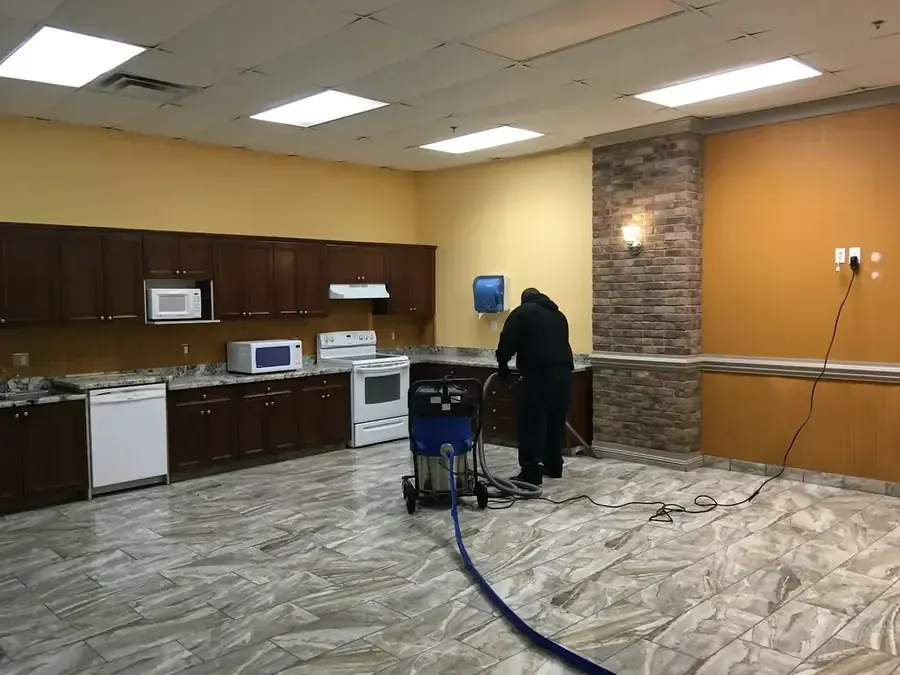
Extractors remove pooled water before the drying equipment tackles moisture inside floors and walls.
Read about water extraction ›
Structural Drying
Material readings direct dehumidification until the assembly reaches a defensible drying goal.
Read about structural drying ›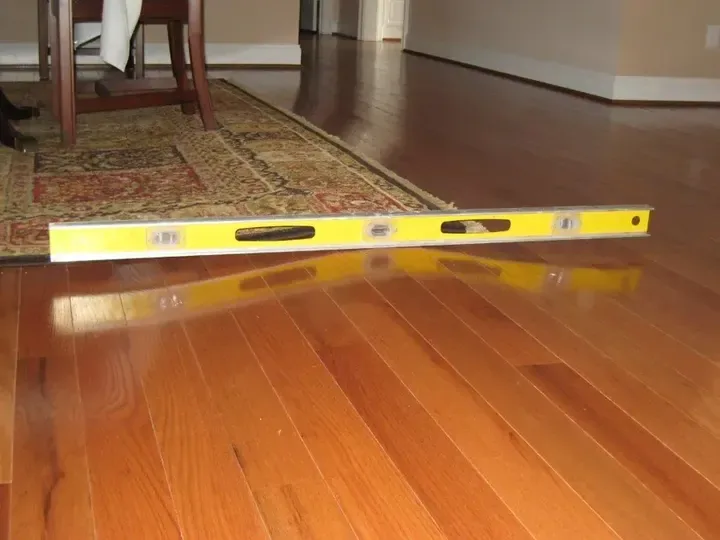
Hardwood Floor Water Damage
Board movement and subfloor readings determine whether targeted floor drying remains appropriate.
Read about hardwood floor water damage ›Slab Leak Water Damage questions in Sand Springs, OK
Does a high water bill prove a slab leak?
No. A running toilet, irrigation issue or another supply leak can also increase use. The plumber checks the system and meter before locating a concealed failure. The inspection connects visible symptoms with the plumbing source and a moisture map. That record shows which materials need extraction, access or drying.
Can the slab dry under existing flooring?
The answer depends on the floor covering, adhesive, contamination and moisture distribution. Some assemblies allow useful drying without total removal; others trap moisture or have already lost adhesion. The contractor should explain how readings support the proposed access and whether the finish remains suitable for restoration.
Who repairs the supply pipe?
A plumber handles leak location and pipe repair or rerouting. Restoration personnel remove water, assess affected materials and manage drying. The owner should confirm these responsibilities in the written scope. Closing a plumbing opening does not necessarily mean the surrounding slab and flooring have reached suitable moisture conditions.
Is warmth on the floor always leaking hot water?
A hot-water supply leak is one possible explanation, but heating systems, sunlight and nearby equipment can create temperature differences. Thermal images identify patterns for further checking. The investigator combines them with moisture readings and plumbing tests rather than treating a warm patch as a complete diagnosis.
Why can concrete take longer than drywall?
Concrete is dense, and moisture within it must move toward exposed surfaces before drying equipment can remove it. A coating or floor finish can restrict that path. The team checks the slab separately from the room air and wall surfaces, adjusting access or equipment when readings stop improving.
What records help with an insurance review?
The owner retains plumbing findings, initial photographs, moisture maps, access decisions and drying logs. The estimate should distinguish pipe work from resulting material damage and restoration. Policy language determines coverage, including any limitations for long-term leakage. The contractor's documentation explains the loss without deciding the insurer's response.
Can new flooring go down as soon as equipment leaves?
The flooring installer must confirm the substrate meets the chosen product's requirements. Restoration drying records help that decision but do not replace installation testing. Adhesive and finish systems can have different tolerances. The owner should obtain a clear handoff between the drying contractor and the flooring trade.
Does the neighborhood identify the pipe type?
No. Renovations, additions and individual construction choices can change plumbing and floor assemblies. The assessor checks the property directly rather than assigning a pipe material to Prattville or another area. A local place name helps establish coverage, while inspection establishes the actual conditions driving the restoration plan.
A dry-looking slab still needs a moisture check
The 24/7 assessment connects the reported symptoms with material readings and access decisions, keeping source repair distinct from the dry-out.
(888) 619-9509Plan the slab and flooring assessment