Commercial Water Damage in Sand Springs, OK
A commercial water loss needs a drying plan that accounts for occupants, access and building systems. Sand Springs restoration personnel map affected spaces and establish controlled work zones around the wet materials.
(888) 619-9509Discuss the wet premises and access needs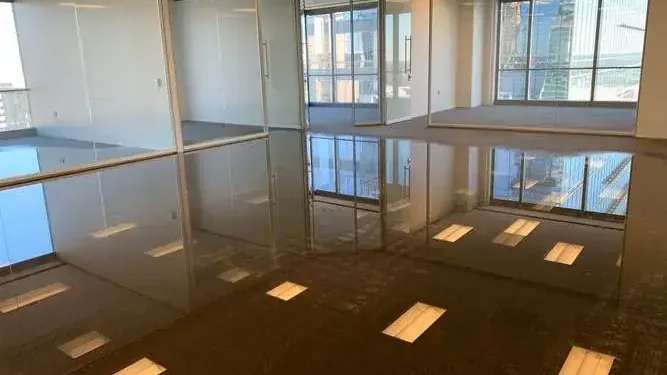
RiverWest includes lodging and dining, while the Box District identifies the downtown area. Those uses create different access and contents concerns from a residence in Prattville. The restoration contractor does not assume any local business is a customer. The assessment simply accounts for the actual occupancy, wet materials and work authorization at the affected premises.
How commercial water damage progresses
Assess building and use
The team maps water damage, source status and occupancy constraints while confirming the person responsible for authorization. Management identifies room-use constraints and necessary exits before equipment placement or contents movement changes the working area.
Set controlled work zones
Extraction, contents movement and removal use protected routes that account for unaffected rooms and necessary building access.
Dry each assembly
The technician matches equipment to floor and wall materials, checking electrical capacity, humidity and measurable progress.
Coordinate repair readiness
Management receives the drying record and remaining scope so flooring, electrical and reconstruction work can proceed in an informed sequence.
First steps for commercial water damage
- 1Identify the authorized contact. Management establishes who can approve access, contents movement and the proposed restoration scope.
- 2Separate wet areas. Staff avoid affected electrical equipment and keep occupants away from contaminated or unstable spaces.
- 3Preserve operations safely. The contractor reviews exits and dry routes before staging hoses, machines or material removal.
- 4Record business contents. Photos and an inventory of affected items help distinguish restoration work from replacement or disposal decisions.
Defining the wet area and the operating constraints
A manager may need to coordinate tenants, employees, building maintenance and the source-repair trade. The contractor establishes who authorizes work and which rooms require restricted access. The moisture map distinguishes the affected assembly from the wider operating area so decisions do not rely on the first visible puddle.
- Source status and contamination determine the immediate work-zone controls.
- Electrical equipment, floor outlets and wet building systems require appropriate assessment.
- Public routes and exits remain part of the access plan during extraction and removal.
- Inventory and furnishings receive documented movement decisions rather than informal disposal.
A loss on Main Street may involve shared walls or limited equipment access. The contractor considers those access conditions alongside direct observations of the pipes and building assemblies. The team records what the inspection reveals and coordinates source repair separately from restoration.
A business needs to know which rooms are affected, which routes remain usable and what work requires approval. The assessment creates that record before equipment and material removal reshape the space.
(888) 619-9509Discuss the wet premises and access needsControlling extraction, removal and drying zones
The extraction crew selects equipment for water volume, material and the available route. Containment separates dirty work from unaffected spaces when contamination or demolition requires it. The contractor considers noise, electrical capacity and equipment placement alongside drying performance. Continued occupancy depends on the actual conditions, not a promise that every business can stay open.
- Document room use, wet boundaries and source findings before moving contents.
- Establish protected routes for equipment, waste and any material removal.
- Extract water and address contamination before setting the drying system.
- Review the moisture map and operational constraints as work progresses.
Carpet tile, wall partitions, concrete and cabinet bases can respond differently to moisture. The crew evaluates each assembly and explains salvage decisions. A clean-looking lobby does not show whether water reached a neighboring office or concealed wall base. Readings extend the scope only where the evidence supports it.
Safe access comes first
The restoration crew checks electrical exposure, overhead stability and the water source before entering the wet area. Occupants keep clear of sagging ceilings and contaminated floors. A qualified professional isolates affected circuits from a dry location. These checks precede extraction because standing water can conceal damage that a surface inspection misses.
Giving management a usable record
The drying technician records equipment, air conditions and material progress. The manager receives a clearer basis for coordinating repairs and communicating restrictions. A final walkthrough identifies what drying achieved and what remains for flooring, electrical or reconstruction trades. The contractor should distinguish active restoration from unrelated maintenance or upgrades.
The EPA flooded-home information contains relevant building-cleanup principles, and FEMA flood maps address separate outside-water mapping questions. The Arkansas River flood history is useful context, but the reported source at the business determines the actual handling and insurance discussion.
- Room-by-room photos preserve the initial condition and contents affected.
- Written authorization identifies scope, access and responsible contacts.
- Daily readings explain continued equipment use or changes to the drying setup.
- A final handoff lists unresolved repairs and areas requiring additional trade inspection.
Commercial insurance can include conditions different from a household policy. The owner or manager checks those requirements with the insurer. Restoration documentation supports the review of physical damage without promising coverage for interruption, inventory or any particular charge.
What does commercial water damage cost in Sand Springs, OK?
Commercial water restoration often ranges from $2,500 to $15,000 or more, depending on affected area and operating constraints. Contamination, contents handling, restricted access and multiple wet assemblies can expand the work beyond a simple room extraction.
Limited business area
$2,500 to $5,000
- Room assessment
- Extraction
- Initial monitoring
Several occupied spaces
$5,000 to $9,000
- Controlled work zones
- Contents coordination
- Multiple assemblies
Complex commercial loss
$9,000 to $15,000
- Broader equipment needs
- Access planning
- Detailed reporting
These planning ranges are estimate only. Water category, affected area, material class and the delay before extraction change the scope. The Sand Springs water damage cost calculator explores those variables.
Careful decisions for commercial water damage
Rapid local response
The response team assesses active water, access and source control during 24/7 dispatch. Arrival depends on current conditions and the work required at the property.
IICRC S500 drying standard
The drying technician compares wet assemblies with suitable dry references and adjusts dehumidification to the material load. A dry surface alone does not close the job.
Claim-ready documentation
The mitigation team records initial damage, material decisions, equipment and daily readings. The property owner retains a clearer account of the loss for the insurance review.
Local water experts
The contractor checks the actual building and the reported source before choosing a method. Indoor supply releases, contaminated outside water and backed-up drains require different handling.
Commercial water damage in Sand Springs
Coverage includes Prattville, the Box District and RiverWest, with ZIP 74063. The response team confirms access, the water source and the affected rooms before planning equipment.
Nearby service areas include Mannford, Oakhurst, Sperry, Owasso and Bixby.
Related water damage services in Sand Springs
Water Extraction
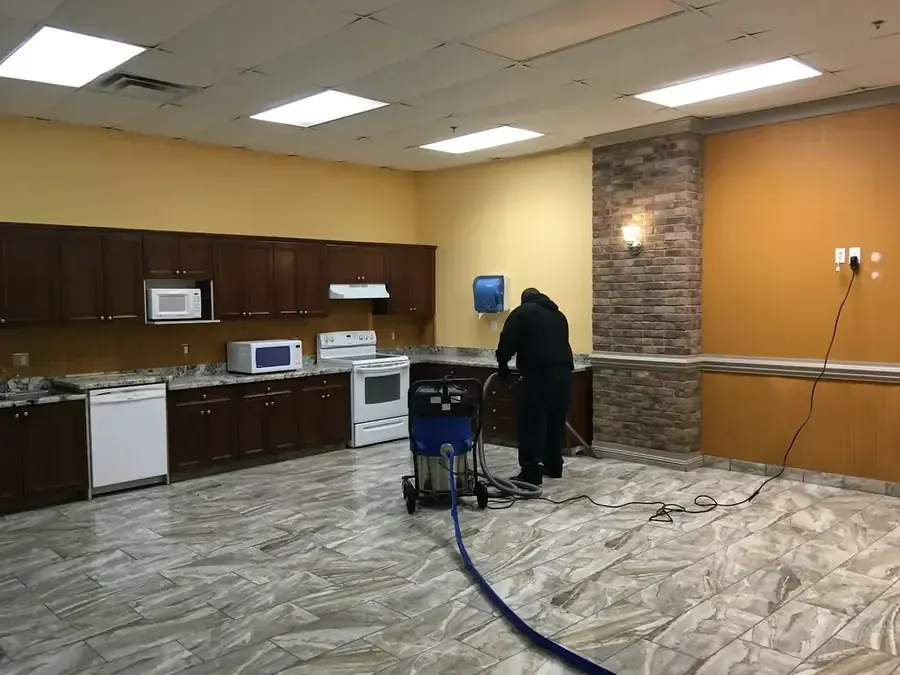
Extractors remove pooled water before the drying equipment tackles moisture inside floors and walls.
Read about water extraction ›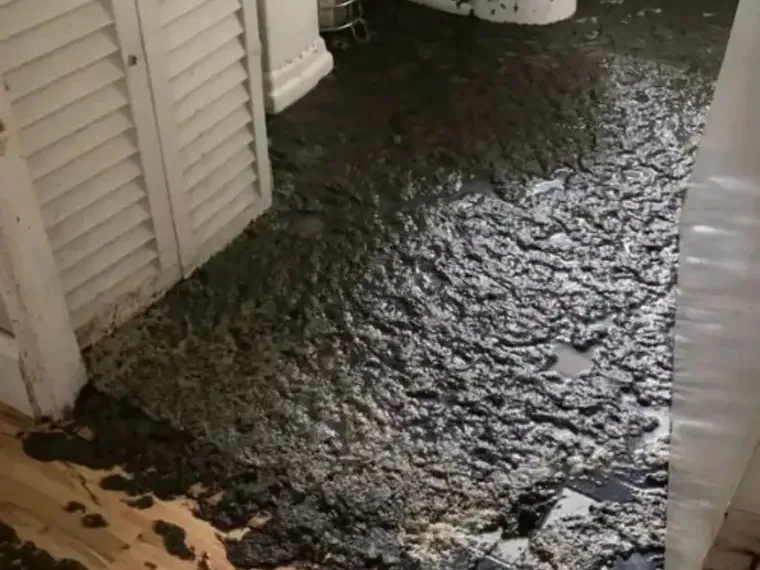
Sewage Backup Cleanup
Contaminated drain water calls for controlled removal, cleaning and disposal of affected porous materials.
Read about sewage backup cleanup ›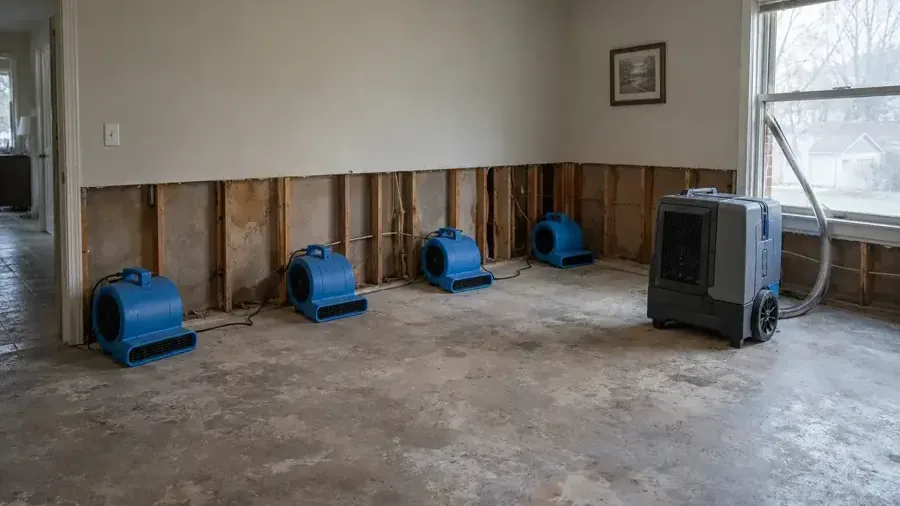
Structural Drying
Material readings direct dehumidification until the assembly reaches a defensible drying goal.
Read about structural drying ›Commercial Water Damage questions in Sand Springs, OK
Can the business stay open during drying?
That depends on contamination, access, utilities and the affected space. The contractor evaluates separation between work zones and occupied areas with management. Some layouts permit limited use of dry rooms, while others require closure or relocation. No general service description can establish safe occupancy for a particular commercial loss.
Who approves work in a leased space?
The tenant, property manager and owner may have different responsibilities under their agreement. The restoration contractor confirms the authorized contact before material removal or major contents movement. A clear written scope prevents confusion between source repair, building restoration and tenant-owned inventory or equipment.
Why inspect offices beyond the visible puddle?
Continuous flooring and shared partitions can carry water beyond the first wet room. The technician checks adjacent floor transitions and wall bases with comparative readings. The resulting moisture map identifies the rooms that need work and the dry areas that can remain in use. Management can then coordinate access, equipment placement and staff movement around the affected spaces.
Can carpet tile dry without full replacement?
Material condition, backing, water category and the substrate determine that decision. Some limited clean-water assemblies may remain recoverable, while contamination or adhesive failure changes the plan. The crew should document what it finds beneath representative areas and explain salvage limits before committing to broad removal or replacement.
How are equipment and access coordinated?
The contractor reviews power capacity, exits, room use and work routes before placement. Hoses and machines should not create unmanaged hazards in occupied areas. Daily checks consider both drying progress and operating constraints, with management involved when access restrictions or the arrangement of equipment needs to change.
Does the insurer decide the drying method?
The contractor proposes the restoration method from source, contamination and material conditions. The insurer reviews policy coverage and documentation. Management should retain the scope, photos and readings while communicating any claim requirements. A coverage discussion does not replace the technical assessment or authorize unagreed work by itself.
What costs are separate from restoration?
Source repairs, electrical work, major reconstruction and inventory replacement may sit outside the extraction and drying scope. A detailed estimate should identify those boundaries. Commercial losses can also create operating expenses that need a separate insurance review. Management should retain invoices, access restrictions and closure dates so the insurer can evaluate those costs under the policy.
What does a manager need at completion?
The handoff should include final material readings, removed-material notes and the remaining repair list. Management can then coordinate flooring and other trades with a clear record. Product-specific installation checks or building-system approvals may still be required even after the structural drying equipment leaves the premises.
Plan the commercial dry-out around the building
24/7 assessment identifies the water source, affected assemblies and operational constraints while the contractor establishes a documented scope.
(888) 619-9509Arrange assessment of the occupied premises