Water Damage Restoration in Mannford
A wet floor is only the visible part of a leak. Mannford property owners can arrange water removal, inspect adjoining materials and plan drying around the actual path of moisture.
(888) 619-9509Discuss the wet rooms nowKeep people outside unsafe wet areas while the water source, electrical hazards and damaged surfaces receive attention.
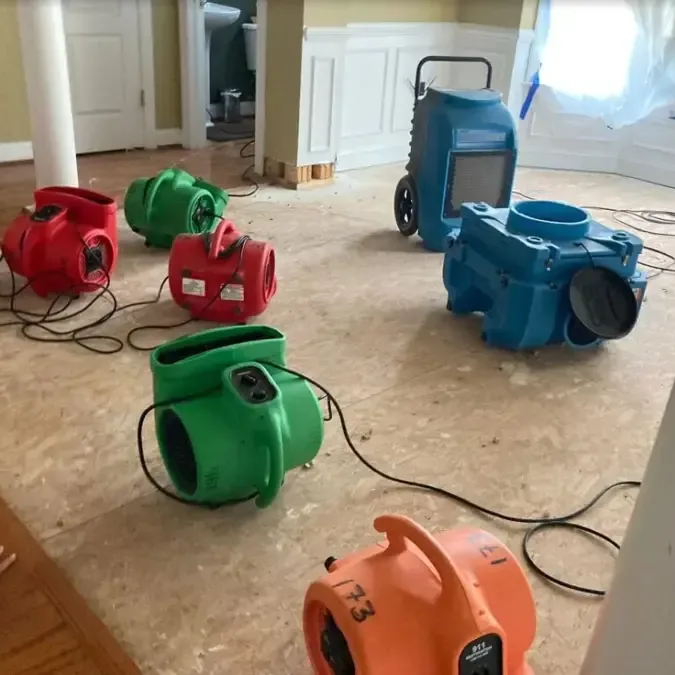
Follow the moisture through each stage
A useful drying plan begins with an inspection map and ends with recorded material conditions. Equipment placement changes as moisture readings reveal which parts of the assembly still need attention.
A dry surface can hide a wet assembly
Cleanup decisions depend on where water traveled and what it touched. A measured assessment connects the visible spill with wall bottoms, floor layers and concealed spaces that need attention.
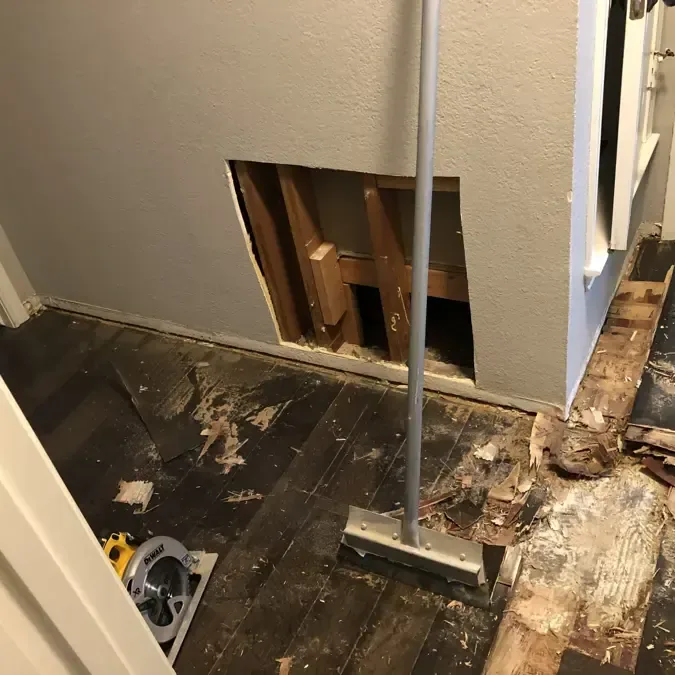
Cleanup matched to the source and material
Select the problem that best describes the property. Each service explains immediate precautions, concealed damage checks and the work that follows water removal.
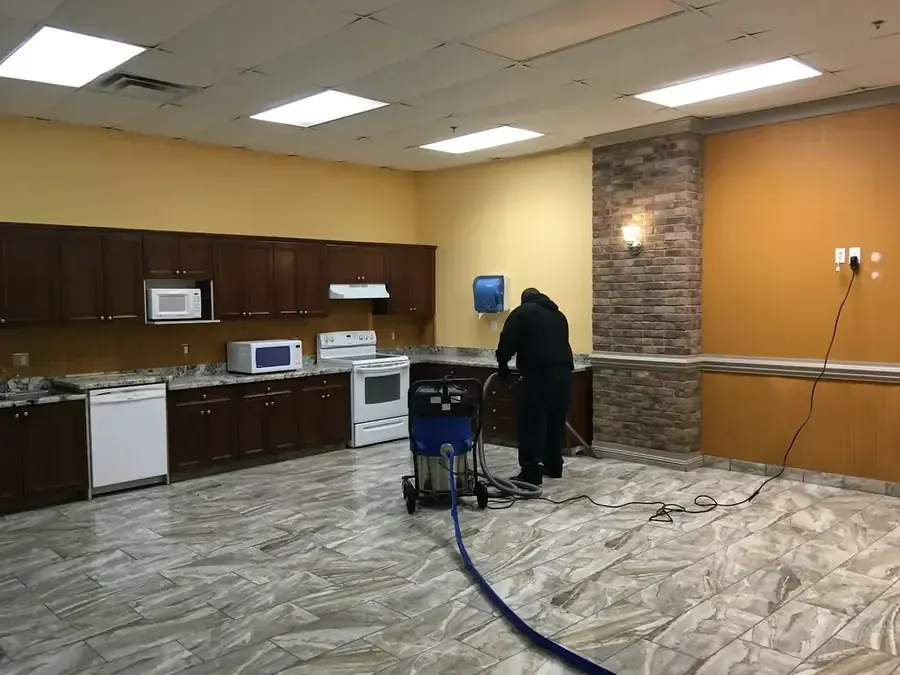
Water Extraction
Standing water needs removal before wet padding and room edges can be assessed for drying.
Read about water extraction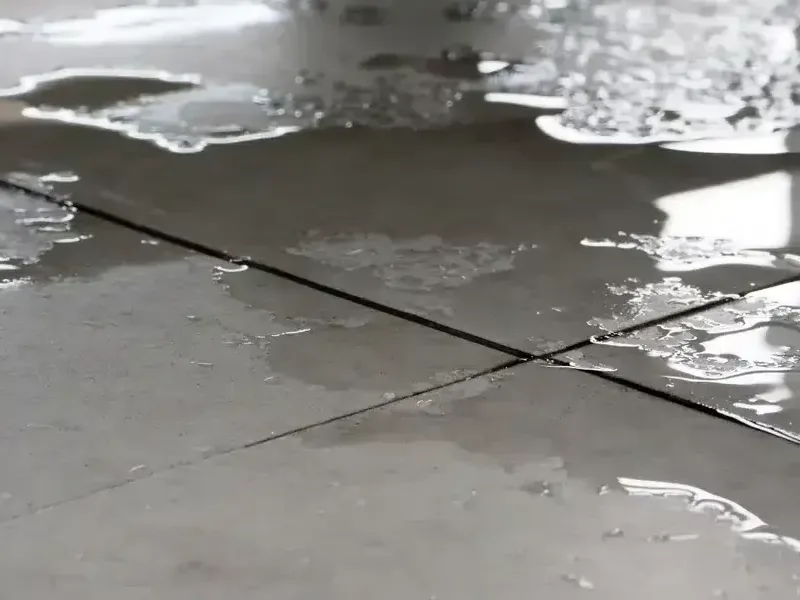
Slab Leak Water Damage
Moisture at a slab edge calls for plumbing diagnosis and inspection beneath affected floor coverings.
Read about slab leak water damage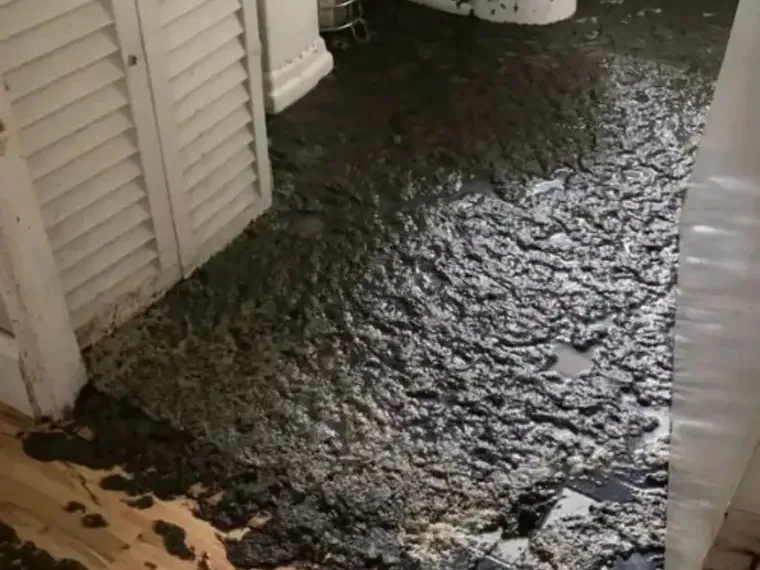
Sewage Backup Cleanup
Wastewater cleanup separates contaminated rooms from clean spaces and identifies porous materials that require removal.
Read about sewage backup cleanup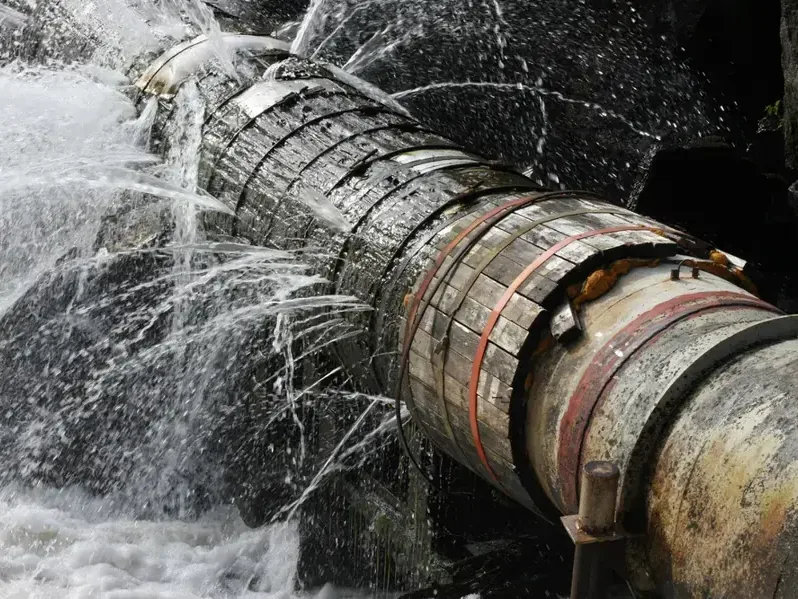
Burst Pipe Water Damage
A broken supply pipe can wet wall cavities before the first puddle reaches an open doorway.
Read about burst pipe water damage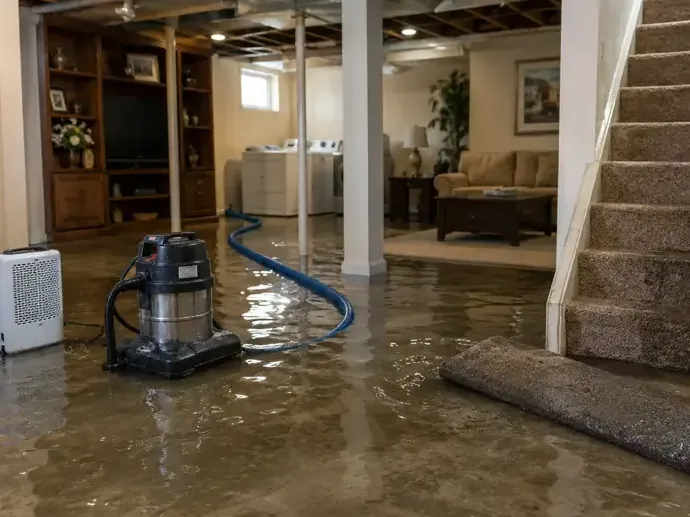
Storm Flood Cleanup
Outside water leaves sediment and residue that must be addressed before enclosed building materials are dried.
Read about storm flood cleanup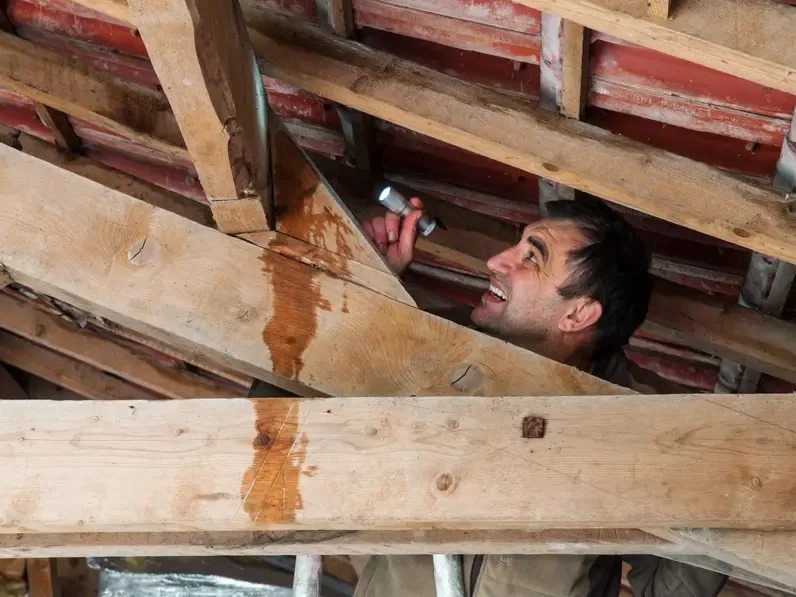
Roof Leak Water Damage
Roof entry can travel along attic framing, leaving insulation wet beyond the visible ceiling stain.
Read about roof leak water damage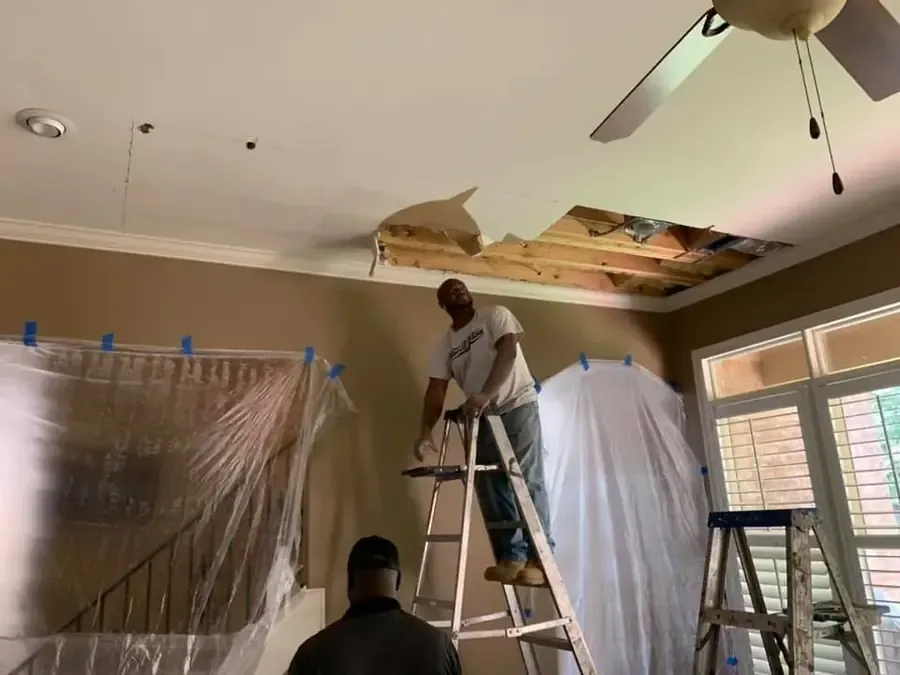
Ceiling Leak Water Damage
An overhead drip requires safe access and a search for water trapped above the room.
Read about ceiling leak water damage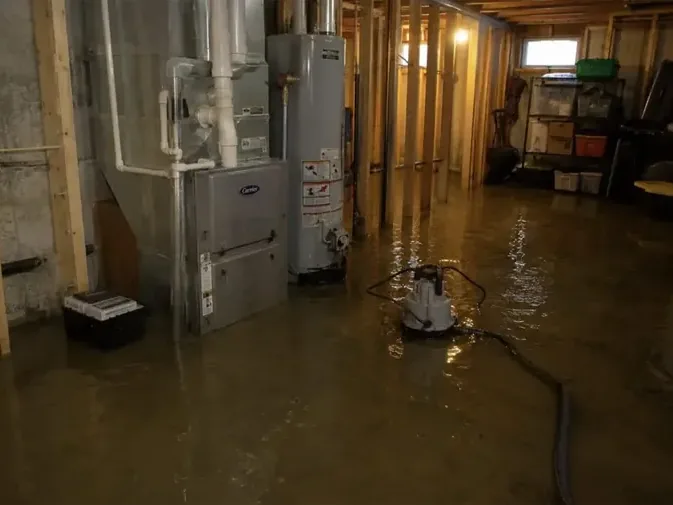
Water Heater Leak Cleanup
Tank leaks collect around equipment bases and can reach adjoining walls through hidden closet edges.
Read about water heater leak cleanup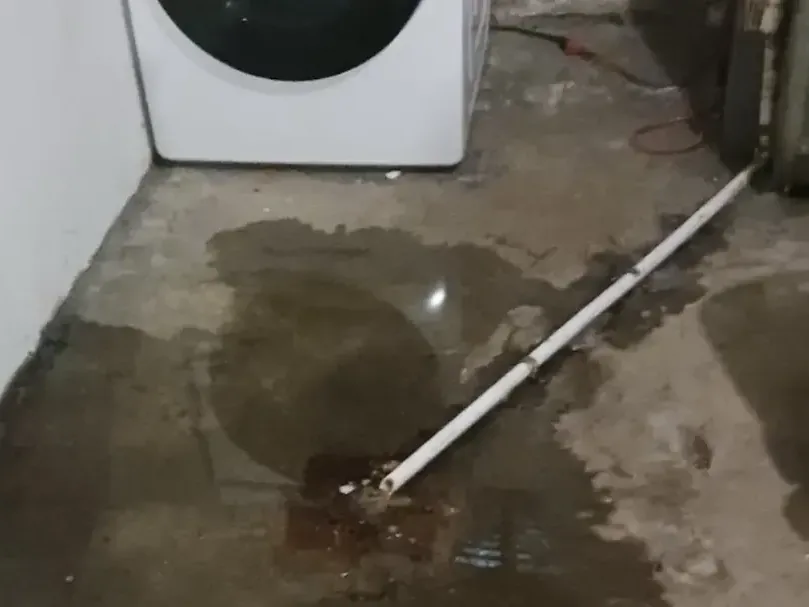
Appliance Leak Water Damage
Water behind a washer or dishwasher can travel under cabinets without leaving an obvious puddle.
Read about appliance leak water damage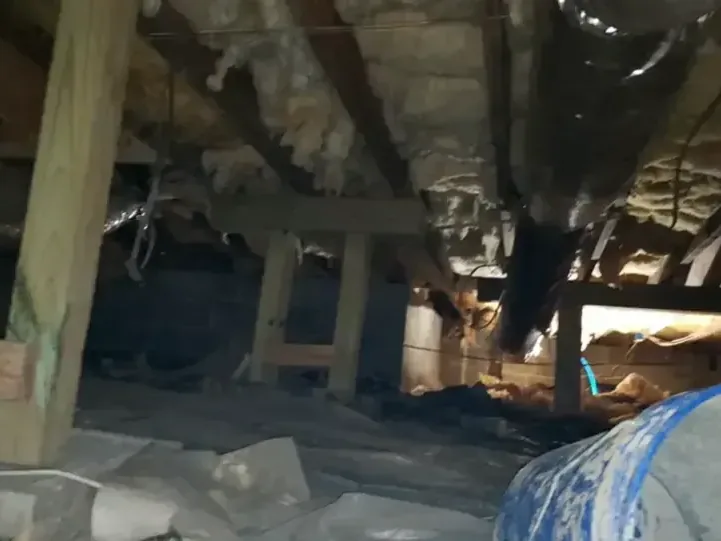
Crawl Space Water Removal
Properties with crawl spaces need safe access, controlled pumping and inspection of wet joists below.
Read about crawl space water removal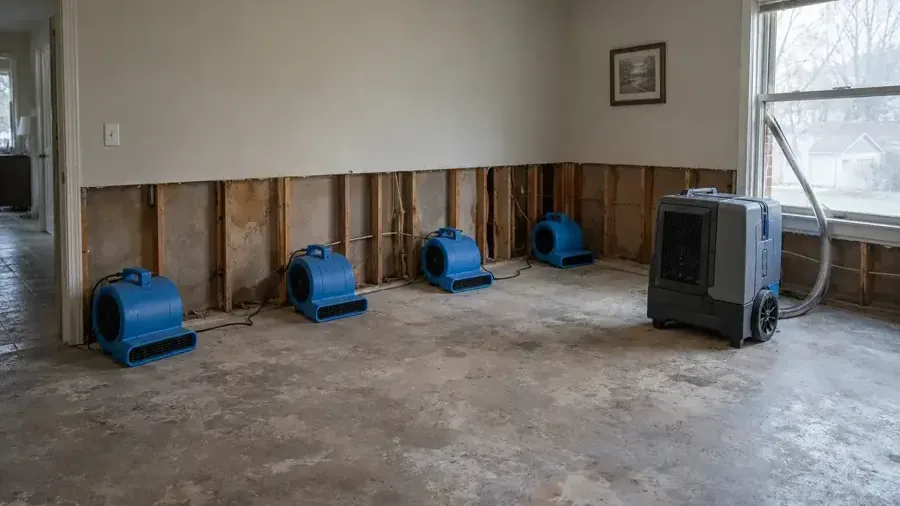
Structural Drying
Repeated moisture measurements show whether exposed framing and concealed layers are progressing toward suitable drying targets.
Read about structural drying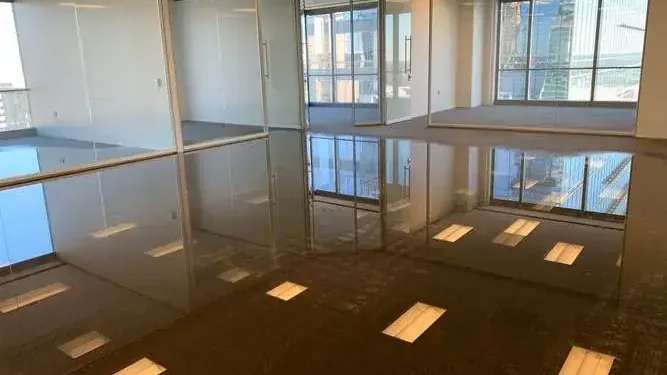
Commercial Water Damage
Business cleanup planning includes affected stock, protected access routes and separation between work and occupied spaces.
Read about commercial water damage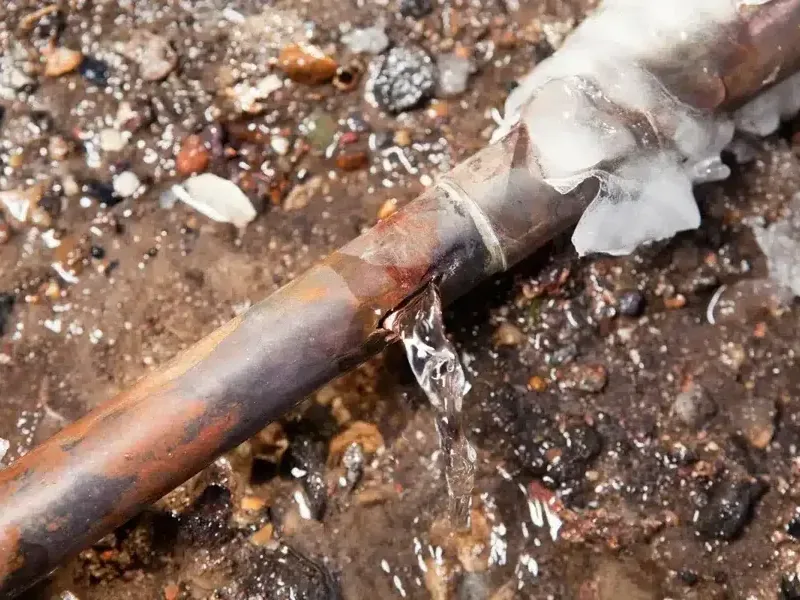
Frozen Pipe Water Damage
A thawing pipe can release water through a split that stayed hidden while ice remained.
Read about frozen pipe water damage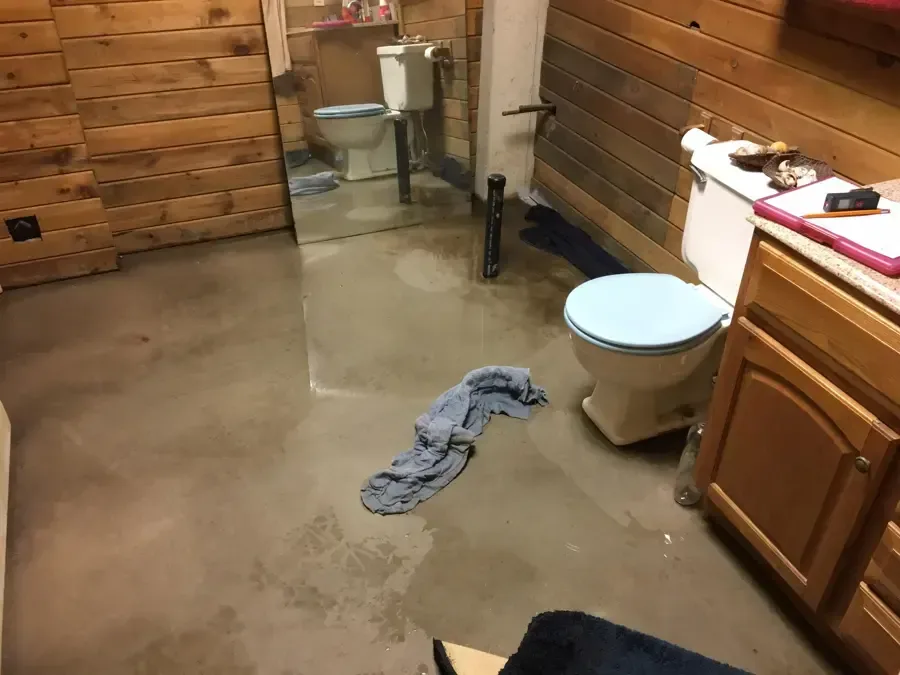
Toilet Overflow Cleanup
Overflow cleanup addresses the bathroom surface, contaminated contents and water that escaped beneath the threshold.
Read about toilet overflow cleanup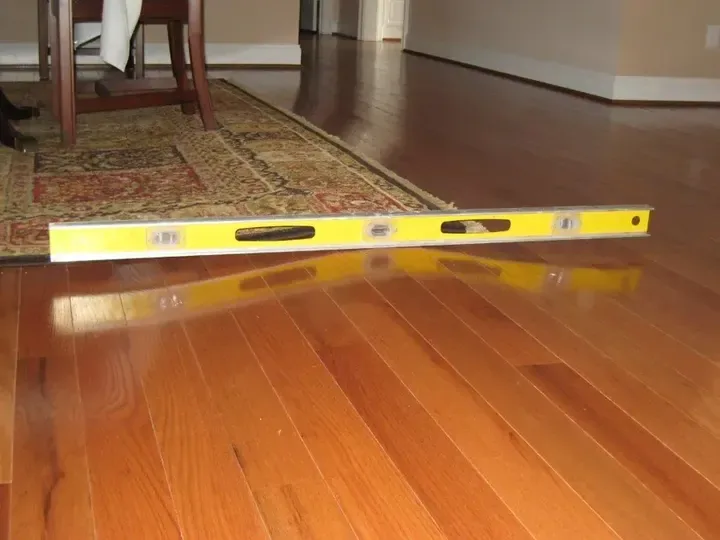
Hardwood Floor Water Damage
Wet wood flooring requires checks across boards and the supporting layers before any refinishing decision.
Read about hardwood floor water damageHow the response protects wet materials
Cause before cosmetics
A ceiling stain should not be painted while a fixture still leaks. Repair coordination helps keep fresh water from undoing removal and drying work.
Material by material
Wood, insulation, carpet padding and concrete hold moisture differently. The scope explains which materials remain for drying and which need access or removal.
Usable records
Room photographs, moisture readings and descriptions of removed materials give the owner a practical record for repair planning and any insurance claim discussion.
Defined next steps
The handoff identifies remaining repairs and the condition of retained materials. Closing a wall or replacing flooring follows checks of the underlying assembly.
The gear a measured dry-out runs on
Water extraction
Extraction equipment removes bulk water before evaporation begins.
Controlled drying
Dehumidifiers manage the moisture air movers release from materials.
Moisture readings
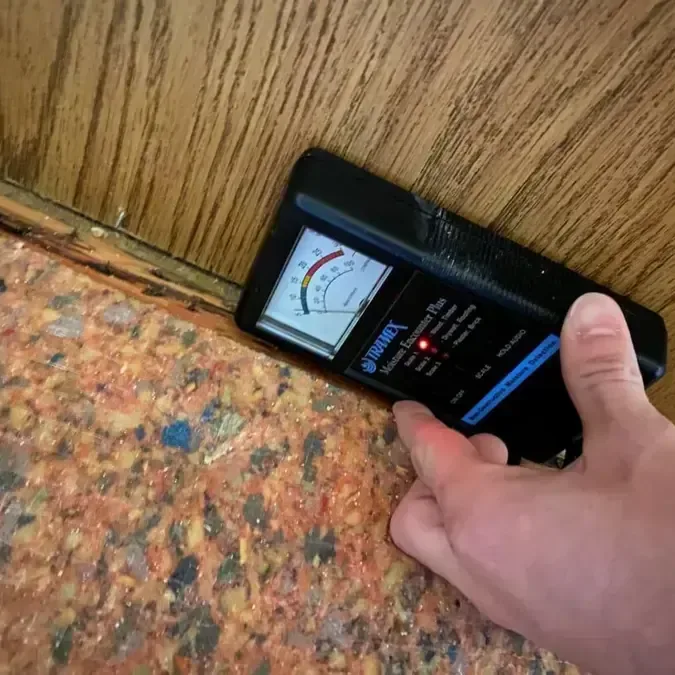
Moisture meters document concealed areas as well as visible surfaces.
How the dry-out works
Map the entry
Identify the source and affected surfaces, then compare nearby materials to find moisture beyond the area that looks visibly wet.
Remove accessible water
Extract pooled water and address unsalvageable absorbent layers so equipment can work on the building materials that are staying in place.
Control the room
Arrange airflow and moisture removal for the affected assembly while protecting dry spaces and keeping equipment access clear for monitoring visits.
Check before closure
Compare final readings with the selected drying targets and explain outstanding repairs before the property receives new finishes or enclosed wall surfaces.
Lake setting, property specific inspection
Mannford sits beside Keystone Lake, whose local arm fills the Salt Creek valley. Indoors, cleanup starts by identifying the water's entry point and the materials it actually reached.
Document damage and cleanup decisions
Coverage depends on the policy and cause of loss. Clear photographs and itemized work descriptions help the owner explain what happened without guessing at a claim outcome.
- Photograph the source when safe access permits
- Keep notes about the discovery and shutoff
- List damaged contents with identifying details
- Save repair invoices and cleanup estimates
- Retain material readings and disposal descriptions
When payment comes directly
An owner paying directly can ask for a scope organized by immediate cleanup, monitored drying and later repairs. That separation makes it easier to understand which decisions affect damage spreading now.
Discuss access needs, equipment charges and the treatment of belongings before work begins. Changes uncovered during inspection should be explained before they alter the planned expense.
Make the room safer before moving belongings
- Stay outside hazards. Keep children and animals away from water near electrical equipment, unstable ceilings or suspected sewage until the room is assessed.
- Stop accessible flow. A property owner can close a reachable water valve from a dry position when the source is a supply leak.
- Protect a dry route. Set aside an unaffected approach for workers and avoid carrying wet belongings across clean carpet or other absorbent flooring.
- Record visible changes. Photograph the source and affected rooms from safe ground, including water marks, damaged possessions and the boundary of each puddle.
- Describe the sequence. Explain when the water appeared, whether flow continues and which rooms changed after the first signs of the leak.
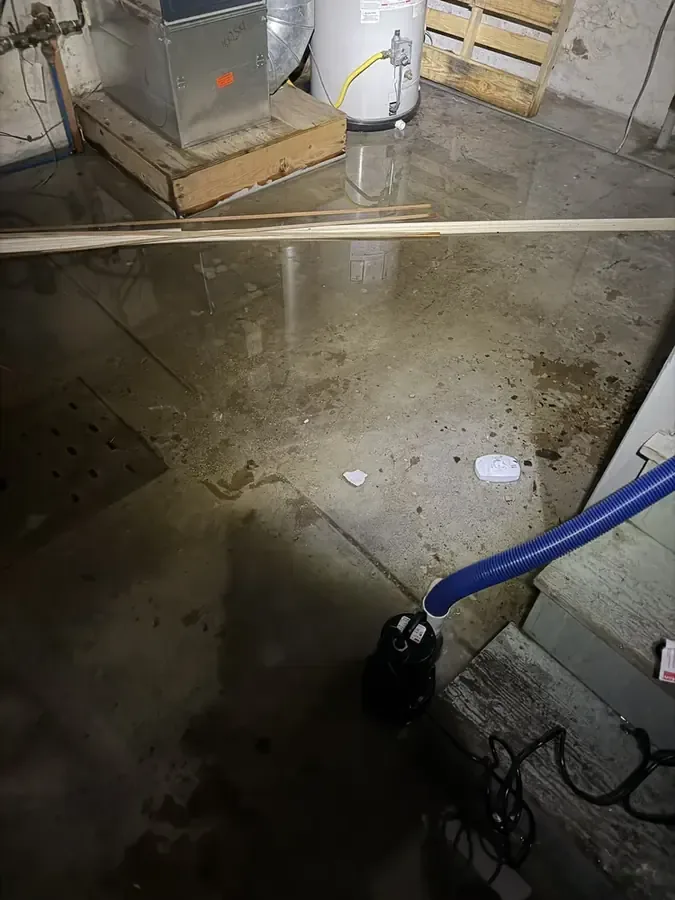
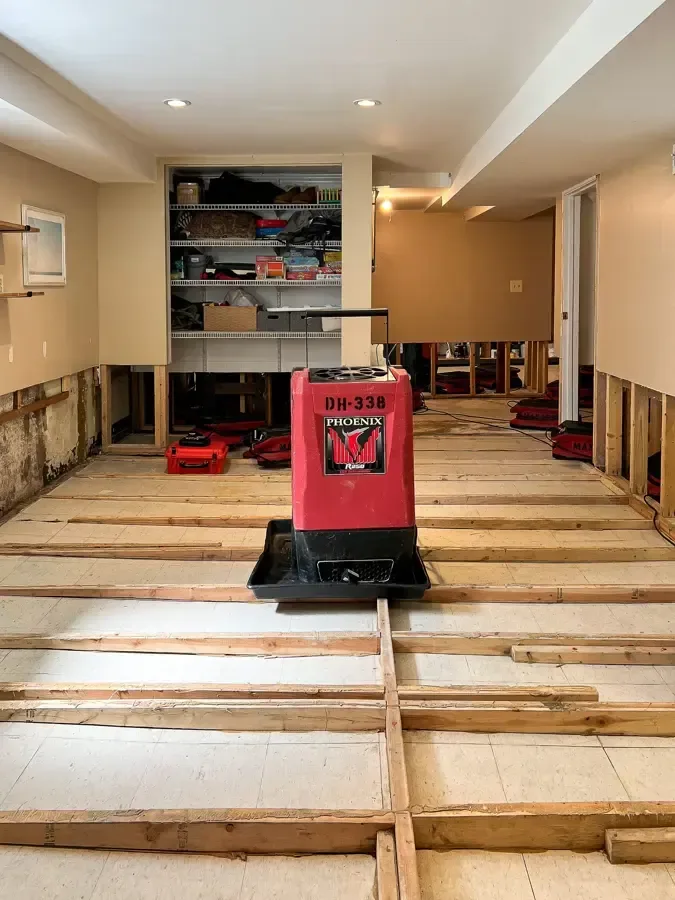
Examples of wet materials and cleanup equipment
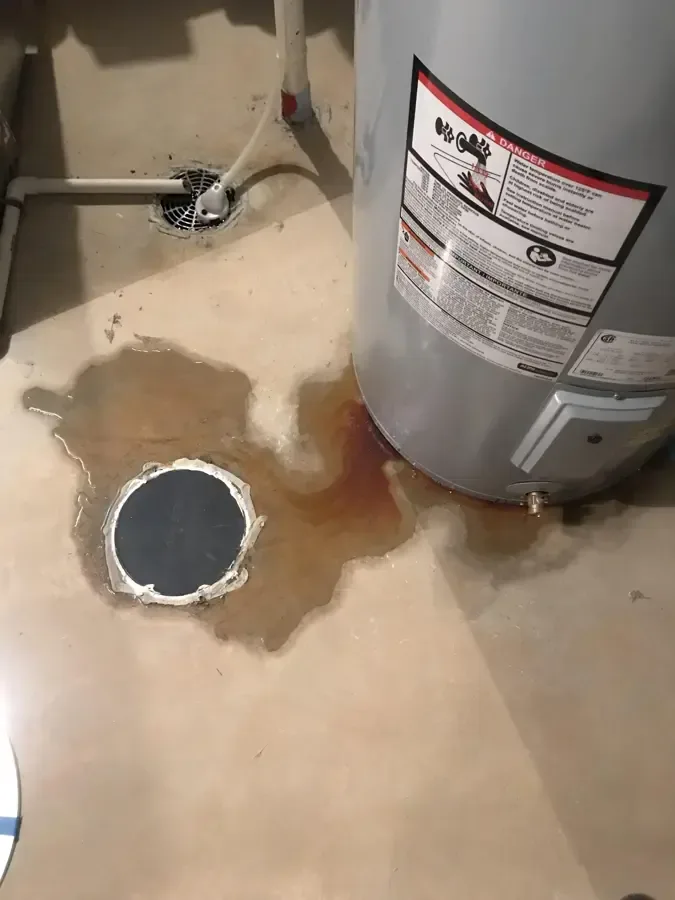
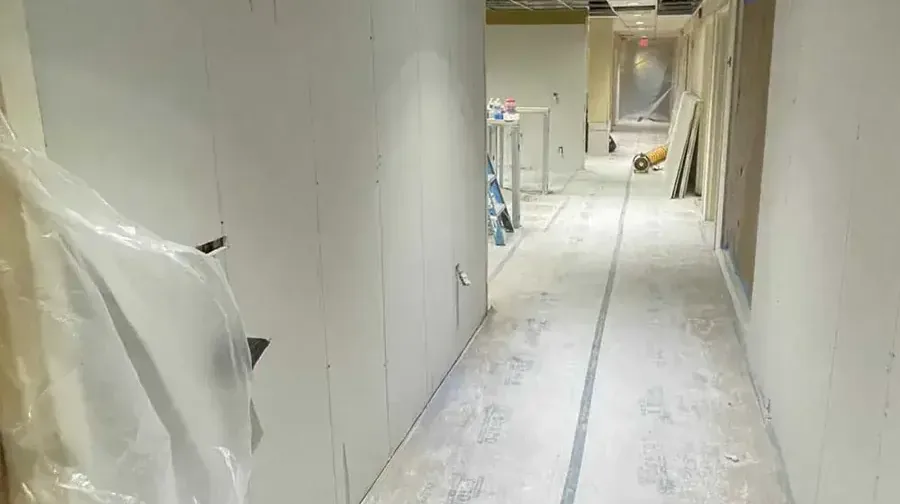
What affects water damage costs in Mannford?
Mannford cleanup budgets depend on the source, affected materials and access to trapped water. A small exposed spill differs from contamination or wet concealed assemblies. These planning ranges help frame a discussion; an inspection establishes the property's actual work and charges.
Small accessible loss
$500 to $1,500
- Localized extraction
- Open surfaces
- Limited equipment
Several affected materials
$1,500 to $4,000
- Cavity access
- Layered floors
- Moisture monitoring
Extensive cleanup scope
$4,000 to $10,000
- Contaminated materials
- Multiple rooms
- Complex access
The written estimate should identify removal, drying and disposal separately from plumbing repairs and reconstruction, so the owner can understand what each proposed charge covers.
Mannford water damage service areas
Areas and familiar locations
Local ZIP area
74044
Other town pages
The source changes the cleanup approach
Pressurized supply release
A ruptured pipe can keep feeding water into a wall until the supply stops. The damaged cavity then needs inspection beyond the broken fitting.
Explore pipe damageEquipment leak indoors
A failed hose or appliance connection may soak a cabinet base before water becomes visible. Removing the puddle leaves those sheltered spaces to assess.
Check appliance cleanupContaminated drain water
A drain backup brings a different handling problem from a fresh supply leak. Room isolation and contaminated material decisions come before ordinary drying equipment.
Understand sewage handlingSeparate outdoor conditions from indoor failures
Keystone Lake supports boating, fishing and camping. A home's cleanup needs still begin at its own water entry point, whether that is an exterior opening, a fixture or a concealed pipe.
Reservoir relocation in 1963: Mannford completed its relocation for the reservoir project in 1963. The Historical Museum preserves relics from communities submerged by Keystone Lake during the area's reservoir history.
Outdoor entry
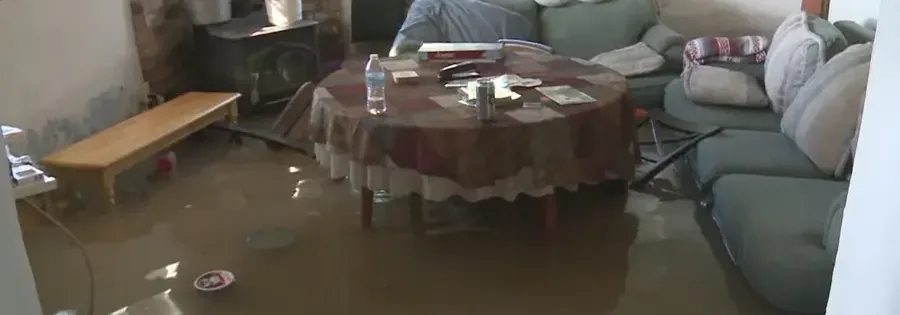
After water enters through a door or wall opening, note sediment and the wet boundary. Cleaning decisions depend on what the incoming water contacted.
Supply connection failure
The City of Mannford provides municipal water service. Inside a property, locating an accessible shutoff helps stop a supply release before adjoining rooms become involved.
Concealed overhead travel
Water can run across framing above the room before a ceiling stain appears. Inspecting the space above the stain helps locate that hidden path.
Wet layers beneath finishes
A smooth floor covering may conceal damp underlayment. Lifting or accessing selected sections allows an assessment of materials that cannot be judged from the room surface.
Safe utility access
Municipal electric and gas services are available in town. Water around energized equipment or damaged utility components requires a safe approach coordinated with the appropriate specialist.
Questions before cleanup begins
What information matters most at the first contact?
Start with whether water is still entering and whether anyone can safely approach the affected room. Describe the source if known, the flooring and any visible ceiling damage. Mention sewage, electrical equipment or restricted access so those concerns can be addressed before routine water removal begins.
Does a small puddle mean a small cleanup?
The visible puddle may represent only the water that reached an open surface. A cabinet base, carpet pad or wall cavity can hold more moisture nearby. Inspection checks the surrounding assembly before deciding whether simple extraction is enough or concealed materials need access and controlled drying.
Can an owner move wet belongings before inspection?
Items in a safe room can sometimes be moved to a protected location, but contaminated contents should stay separated from clean belongings. Avoid handling anything near electricity or an unstable ceiling. Photographs and a brief inventory help preserve the condition record before safe movement or disposal occurs.
Are outdoor water and pipe leaks handled alike?
The source and contact history change the work. Outside water can carry sediment and contamination into absorbent materials, while an indoor supply release presents a different starting condition. An assessment considers both the source and what happened after entry, including how far water traveled through the property.
How is the end of drying decided?
Technicians compare readings from the affected materials with suitable dry reference conditions and the goals established for that assembly. A floor feeling dry underfoot is insufficient by itself. Progress records help explain whether framing, subflooring or other retained materials are ready for the next repair stage.
Is plumbing repair part of every cleanup estimate?
Cleanup and source repair should be described separately. A plumber may need to repair a failed pipe, while the restoration scope covers affected materials and drying. The owner should check which contractor handles each part, including access openings and the eventual replacement of removed finishes.
Does the lake determine a property's cleanup method?
Keystone Lake forms part of the town's setting. The condition inside the building determines removal and cleaning methods: where water entered, what it carried and which materials became wet. Photographs of the entry point and the affected rooms are more useful for the cleanup scope than a general location description.
What documents help with a possible insurance claim?
Keep photographs, the discovery timeline, itemized estimates and invoices for source repairs. Moisture records and descriptions of removed materials also help explain the loss. The insurer makes the policy decision, so the owner should discuss documentation requirements directly and keep copies of each submitted record.
Can a partly wet building remain occupied?
That depends on access, contamination, utilities and the separation available between the cleanup zone and occupied rooms. A clear dry route and controlled equipment placement may help preserve usable space. The assessment should identify any conditions that require a room to remain closed during the work.
Describe access along with the affected room
Property owners in Rolling Oaks, Park View and Pelican Point can describe the entrance, wet rooms and active hazards when arranging a cleanup assessment for the building.
For a location along State Highway 51, mention parking access and whether the affected space is occupied. These details help plan equipment movement without blocking the property's dry approach.
Mannford, OK · [email protected]
(888) 619-9509Explain the property accessGive the wet rooms a clear next step
Describe the leak and affected materials to begin planning safe removal, inspection and the work ahead.