Appliance Leak Water Damage in Mannford
A dishwasher drip can travel beneath cabinets before anyone sees the wet floor. Mannford appliance cleanup looks behind the equipment and follows the spill into sheltered materials nearby.
(888) 619-9509Discuss the appliance water trail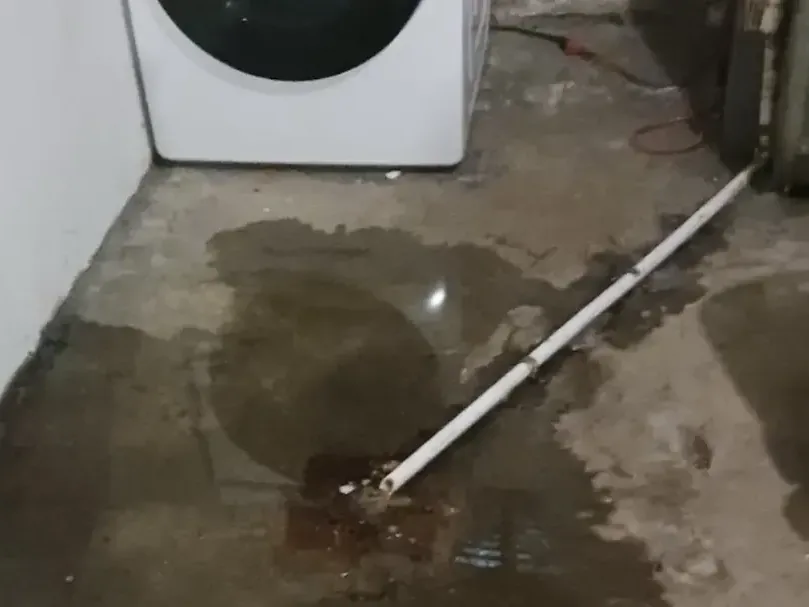
A kitchen floor can look nearly dry while water remains under a dishwasher or behind a cabinet base. Laundry leaks can spread in a similar hidden pattern beneath equipment. Appliance water damage work in Mannford begins with the source and safe access, then follows the spill through the finishes that prevent an ordinary view of the wet area.
How appliance leak water damage progresses
Identify the operating failure
The assessment records when the leak appears and coordinates appliance or plumbing diagnosis while inspecting the room materials already affected by the escaped water.
Open safe equipment access
Movement and disconnection are planned so the floor behind or beneath the appliance can be reached without creating additional utility or handling hazards.
Assess cabinet and floor layers
Inspection follows moisture through seams and sheltered bases, identifying damaged components for removal and retained layers for targeted drying.
Prepare the return to use
The handoff connects material condition, appliance reconnection and remaining finish repairs so normal operation resumes with a clear account of the recovery work.
First steps for appliance leak water damage
- 1Pause the leaking cycle. Stop ordinary appliance use and report whether the leak appears during filling, washing or draining to help focus source diagnosis.
- 2Protect electrical access. Avoid wet controls or outlets and arrange safe handling before equipment is disconnected or moved across the affected floor.
- 3Describe sheltered damage. Mention swollen cabinet edges, damp trim and changes outside the visible puddle when discussing the cleanup assessment.
- 4Keep the work area open. Leave exposed floor and cabinet spaces accessible until their material condition and remaining drying needs are documented.
Use the appliance cycle to describe the problem
At a Park View property, an owner may first notice moisture after a wash cycle or when a cabinet edge begins swelling. The timing helps an appliance or plumbing specialist investigate the failure. Cleanup should also consider the material condition already present, including water that escaped during earlier unnoticed operation of the equipment.
- Stop using the affected appliance until its leaking connection or component is assessed.
- Describe when water appears and which side of the equipment becomes wet.
- Keep clear of plugs, outlets and controls reached by the escaping water.
- Avoid pulling heavy equipment across wet flooring without a safe movement plan.
Source repair may involve a hose, drain connection or internal appliance component. The restoration scope should identify the water's contact history because a supply spill and used wash water can call for different material handling. A clear diagnosis helps connect the repaired appliance with the condition of the surrounding room.
Explain which appliance leaked and whether cabinets, trim or the neighboring room now show changes. Those details help focus inspection on the places the surface puddle may conceal.
(888) 619-9509Discuss the hidden appliance spreadInspect the spaces that normal cleaning cannot reach
In Rolling Oaks, selective access around a cabinet toe space can reveal water that passed beneath the visible finish. Composite cabinet materials may swell after absorbing moisture, while floor underlayment remains damp farther into the room. The inspection should explain which components can be retained and which obstruct adequate cleaning or drying.
- Record the visible spill and coordinate safe access behind the leaking appliance.
- Check cabinet bases, wall edges and floor seams connected to that location.
- Expose selected wet layers where surface extraction cannot reach trapped moisture.
- Assess retained material condition before appliance return and finish replacement proceed.
A laundry room can also connect to a hallway through flooring joints or a wall base. Once the machine has stopped, the original source may look small compared with the spread beneath the surface. Moisture checks help define that hidden boundary and determine whether the next room needs attention.
Safe access comes first
The restoration crew checks electrical exposure, overhead stability and the water source before entering the wet area. Occupants keep clear of sagging ceilings and contaminated floors. A qualified professional isolates affected circuits from a dry location. These checks precede extraction because standing water can conceal damage that a surface inspection misses.
Decide what can return to its original position
Pelican Point property owners can ask how cabinet recovery and appliance replacement will be coordinated with drying. Putting equipment back too soon can block a damp wall or floor edge that still needs access. The work sequence should make the condition of those concealed surfaces clear before normal room use resumes.
Not every swollen component returns to its previous shape as it dries. Material strength, appearance and contamination need separate consideration. A useful scope explains the reason for replacement when drying alone cannot restore a cabinet part, while preserving components that can remain as part of a workable recovery plan.
- Photograph cabinet swelling and floor changes before damaged parts are removed.
- Keep the appliance diagnosis with the record of affected room materials.
- Ask who reconnects the appliance after restoration access is no longer needed.
- Confirm that sheltered floor areas were checked before equipment returns to place.
For standing water across an open room, water extraction provides the removal stage. Affected wood flooring may also require hardwood damage assessment to evaluate board movement and moisture below the finish.
The final handoff should explain what was opened, what remains in place and which repairs are still required around the appliance. Those details keep normal operation from concealing unfinished material work.
What does appliance leak water damage cost in Mannford, OK?
Appliance leak cleanup in Mannford depends on concealed cabinet contact and water beneath flooring. These planning ranges describe restoration scale; appliance repairs, reconnection and finish replacement should be identified separately in the proposed work.
Open laundry spill
$500 to $1,200
- Visible pooling
- Open access
- Localized extraction
Cabinet-edge intrusion
$1,200 to $2,500
- Toe space
- Swollen components
- Selective removal
Hidden floor spread
$2,500 to $4,000
- Wet underlayment
- Connected seams
- Concealed material checks
These planning ranges are estimate only. Water category, affected area, material class and the delay before extraction change the scope. The water damage cost calculator explores those variables.
Careful decisions for appliance leak water damage
Rapid local response
The response team assesses active water, access and source control during 24/7 dispatch. Arrival depends on current conditions and the work required at the property.
IICRC S500 drying standard
The drying technician compares wet assemblies with suitable dry references and adjusts dehumidification to the material load. A dry surface alone does not close the job.
Claim-ready documentation
The mitigation team records initial damage, material decisions, equipment and daily readings. The property owner retains a clearer account of the loss for the insurance review.
Local water experts
The contractor checks the actual building and the reported source before choosing a method. Indoor supply releases, contaminated outside water and backed-up drains require different handling.
Appliance leak water damage in Mannford
Appliance cleanup assessments include KDA and properties near State Highway 51, with cabinet access, equipment placement and observed floor spread determining the room inspection plan.
The same service nearby: appliance leak water damage in Sand Springs, Oakhurst, Sperry.
Related water damage services in Mannford
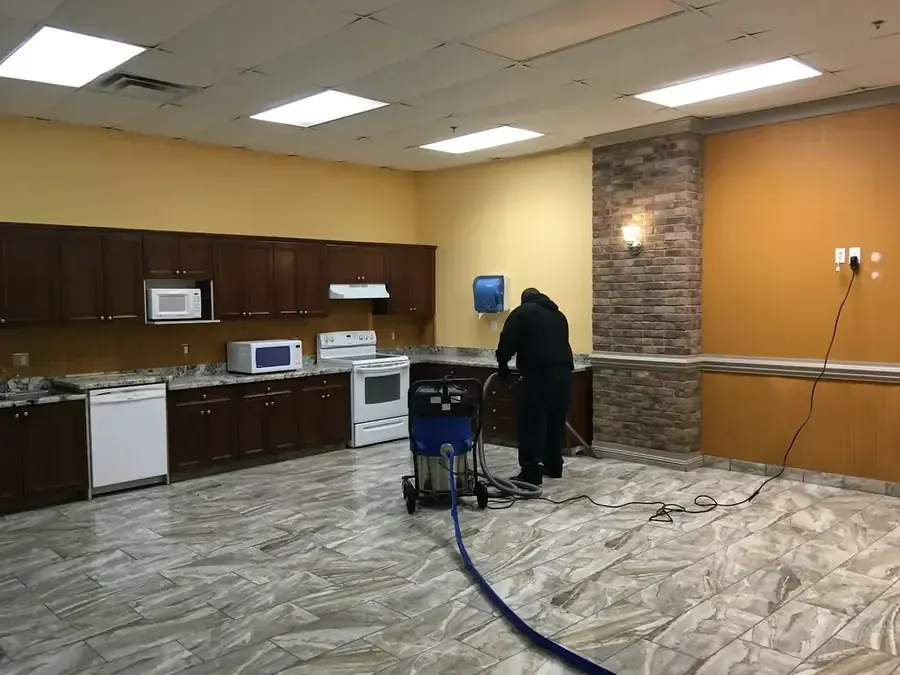
Water Extraction in Mannford
Extractors remove pooled water before the drying equipment tackles moisture inside floors and walls.
Read about water extraction ›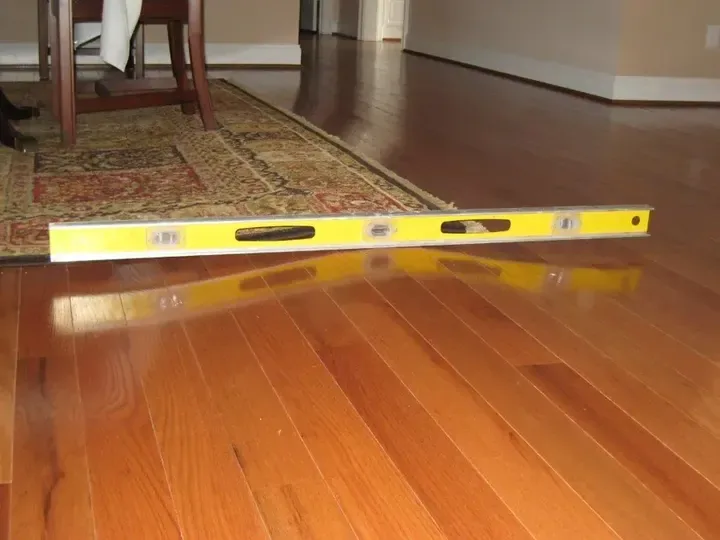
Hardwood Floor Water Damage in Mannford
Board movement and subfloor readings determine whether targeted floor drying remains appropriate.
Read about hardwood floor water damage ›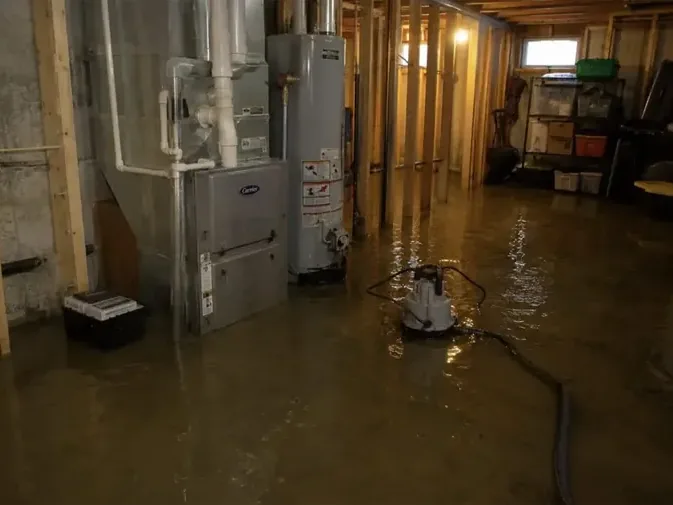
Water Heater Leak Cleanup in Mannford
Tank spills can travel beneath partitions beyond the visible puddle around the heater.
Read about water heater leak cleanup ›Appliance Leak Water Damage questions in Mannford, OK
Should the appliance be run again to find the leak?
Repeated operation can add water to materials that are already wet. Describe the timing and visible symptoms instead, then arrange appropriate diagnosis of the equipment or connection. The cleanup assessment can document existing damage while source testing is handled in a controlled way by the person investigating the failure.
Can a dishwasher leak affect the room beside the kitchen?
Water can move beneath cabinets, through floor joints or under a wall base into an adjoining space. The visible kitchen puddle may therefore understate the spread. Inspection should follow connected materials and any damp trim or flooring outside the original room before the cleanup boundary is set.
Why remove a cabinet toe panel during inspection?
The space behind it can conceal pooled water and damp cabinet parts that surface cleaning cannot reach. Selected access helps determine whether the cabinet base and floor beneath it can be cleaned and dried. The reason for removal should be explained, including any later repair needed to restore the panel.
Will swollen cabinet material flatten as it dries?
Some materials remain distorted or weakened after absorbing water. Drying progress and physical condition must therefore be assessed separately. The scope should explain whether a component can remain or needs replacement, taking account of contamination and function rather than promising that every cabinet part will recover its original shape.
Can a washing machine be pulled out immediately?
Heavy appliance movement can damage wet flooring or disturb electrical and plumbing connections. Safe disconnection and handling should be arranged before moving it. Once access is available, inspection can reach the floor and wall behind the equipment, including sheltered areas that ordinary extraction from the front could not address.
Does clear looking appliance water require only drying?
The appliance failure and the water's route through the room establish what the spill contacted. Used wash water and a fresh supply release can lead to different cleanup decisions, particularly for absorbent layers. The assessment should identify the operating failure and affected materials before deciding on cleaning, removal and the appropriate drying sequence.
When can the appliance return to its original space?
The floor and wall areas it will conceal should be inspected and their remaining drying needs addressed. Reconnection also needs an assigned responsible specialist. Coordinating those steps keeps the machine from blocking unfinished material work and allows the owner to understand the condition of the space before ordinary use resumes.
What details should the cleanup estimate include?
Look for removal, cabinet or floor access, retained material drying and disposal where needed. Appliance repair and reconnection should be distinguished from restoration work. The scope should also identify who replaces removed finishes and how any new damage found behind the equipment will be documented and explained to the owner.
Recover the materials around the equipment
A coordinated plan connects safe appliance access with cabinet inspection and floor drying before normal use closes off the affected spaces again.
(888) 619-9509Arrange the appliance damage assessment