Water Extraction in Mannford
Standing water prevents a clear view of the damage underneath. Mannford extraction work starts with safe access and source identification, then follows moisture into neighboring materials.
(888) 619-9509Discuss standing water removal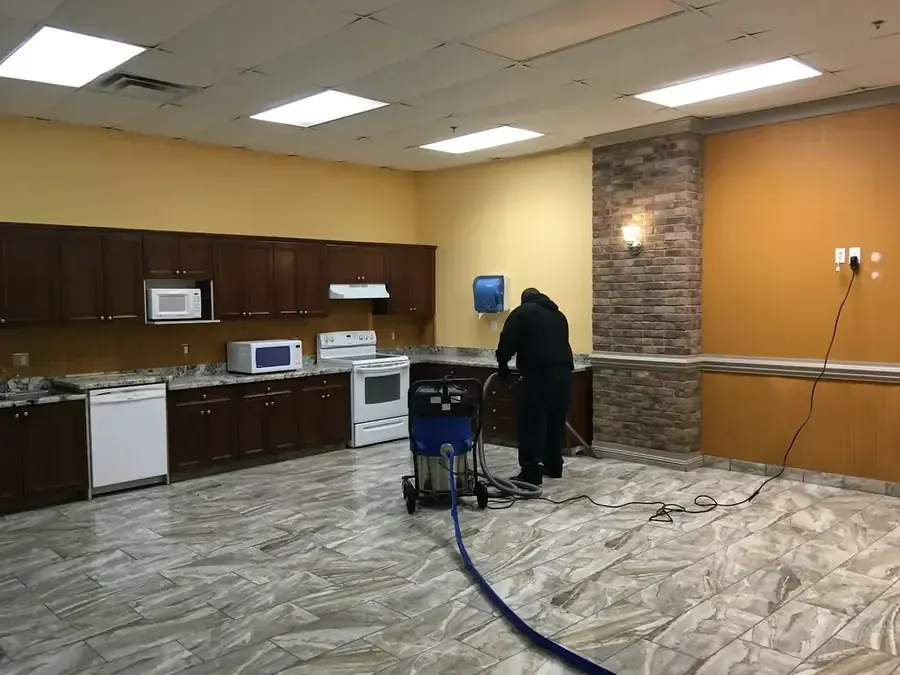
A room with water across the floor needs more than a path cleared for walking. The depth of the puddle, the source and the flooring beneath it determine how removal begins. In Mannford, a supply leak indoors and water entering from outdoors call for different handling decisions before equipment starts moving liquid through the building.
How water extraction progresses
Classify the source
Inspection distinguishes the incoming water and its contact with room contents before equipment and handling methods are selected for the affected area.
Collect accessible liquid
Extraction progresses across the wet surface while workers protect transitions into dry spaces and watch for continued water entering from concealed locations.
Assess what remains
Moisture checks examine the layers that held water below the visible pool, including padding, floor edges and lower wall materials.
Plan the following work
The owner receives an explanation of cleaning, material removal and drying needs, with the extraction stage separated from repairs to the original source.
First steps for water extraction
- 1Keep the approach dry. Block casual entry to the pooled area and identify a dry route for inspection without crossing electrical hazards.
- 2Locate ongoing flow. Describe the source and shutoff status so extraction does not begin while water continues entering unchecked.
- 3Protect accessible belongings. Move clean items only when handling is safe, keeping them separate from wet or contaminated contents.
- 4Record the water boundary. Photograph room edges and adjoining doorways before removal changes the visible pattern of the loss.
Trace the entry before choosing the equipment
Keystone Lake is part of the town's setting, and the local lake arm occupies the Salt Creek valley. For a wet room, the useful starting point is the actual opening or failed connection. A broken hose, an exterior threshold and a drain backup each leave a different inspection trail.
- Identify whether an active source continues adding water while the room is assessed.
- Keep contaminated water away from dry traffic routes and unaffected belongings during removal.
- Check low spots beneath furniture where a shallow surface pool can remain hidden.
- Inspect transitions between flooring materials before deciding which extraction attachment fits the area.
Where a supply valve is safely accessible, stopping flow limits the amount that must be removed. Electrical hazards, unstable finishes or contaminated water can prevent ordinary entry. Those conditions need attention before anyone crosses the room with a portable vacuum or begins shifting equipment into position.
Describe the pooled water, its likely source and the floor surface beneath it. Those details help frame an extraction assessment and the remaining work after the puddle disappears.
(888) 619-9509Discuss the floor waterExpose the wet boundary around the room
At a property in Rolling Oaks, the assessment can begin at the room where water was discovered and expand toward adjoining doorways. That sequence follows the observed spread. Water can pass beneath trim or flooring into a neighboring room even when the top surface there appears unaffected.
- Record the visible pool and protect a usable dry approach to it.
- Remove loose water with equipment selected for the source and surface.
- Examine padding, lower walls and floor edges revealed after extraction.
- Mark remaining damp materials for access, cleaning or a drying plan.
Absorbent materials change the job after the puddle is gone. Carpet padding may hold water against a subfloor, while a wall bottom can remain damp above a dry looking finish. The extraction scope should explain which layers can stay and which obstruct a practical drying approach.
Safe access comes first
The restoration crew checks electrical exposure, overhead stability and the water source before entering the wet area. Occupants keep clear of sagging ceilings and contaminated floors. A qualified professional isolates affected circuits from a dry location. These checks precede extraction because standing water can conceal damage that a surface inspection misses.
Turn water removal into a workable handoff
For an affected room in Park View, a useful handoff lists the source condition, materials inspected and moisture that remains. A bucket count alone says little about the building. Owners need to understand whether cabinets, underlayment or wall cavities require further attention before the room returns to use.
Access matters as well. Furniture placement, narrow doorways and fragile finishes can change equipment positioning. The cleanup area should remain organized so wet hoses, removed padding and damp contents do not create another problem across a clean room or a protected exit.
- Keep photographs of material conditions exposed when floor coverings are lifted.
- Ask whether disposal and later drying appear separately in the estimate.
- Leave equipment settings to the people monitoring the affected building materials.
- Track any renewed pooling and report it before finishes are replaced.
When standing water has been removed, structural drying addresses moisture still held inside retained materials. The town cleanup overview explains other service paths when a drain, appliance or concealed pipe is the source.
What does water extraction cost in Mannford, OK?
Water extraction in Mannford commonly falls within the planning ranges below. Room access, pooled volume, absorbent layers and contamination affect the scope; a property assessment separates water removal from subsequent drying and repairs.
Contained room
$500 to $1,000
- Open access
- Localized pooling
- Simple extraction
Several wet rooms
$1,000 to $2,000
- Connected areas
- Wet padding
- Edge assessment
Complex removal
$2,000 to $3,000
- Restricted access
- Layered materials
- Difficult collection
These planning ranges are estimate only. Water category, affected area, material class and the delay before extraction change the scope. The water damage cost calculator explores those variables.
Careful decisions for water extraction
Rapid local response
The response team assesses active water, access and source control during 24/7 dispatch. Arrival depends on current conditions and the work required at the property.
IICRC S500 drying standard
The drying technician compares wet assemblies with suitable dry references and adjusts dehumidification to the material load. A dry surface alone does not close the job.
Claim-ready documentation
The mitigation team records initial damage, material decisions, equipment and daily readings. The property owner retains a clearer account of the loss for the insurance review.
Local water experts
The contractor checks the actual building and the reported source before choosing a method. Indoor supply releases, contaminated outside water and backed-up drains require different handling.
Water extraction in Mannford
Extraction assessments cover Pelican Point and KDA properties, with access arrangements based on the affected entrance, room layout and safe equipment placement inside the building.
The same service nearby: water extraction in Sand Springs, Oakhurst, Sperry.
Related water damage services in Mannford
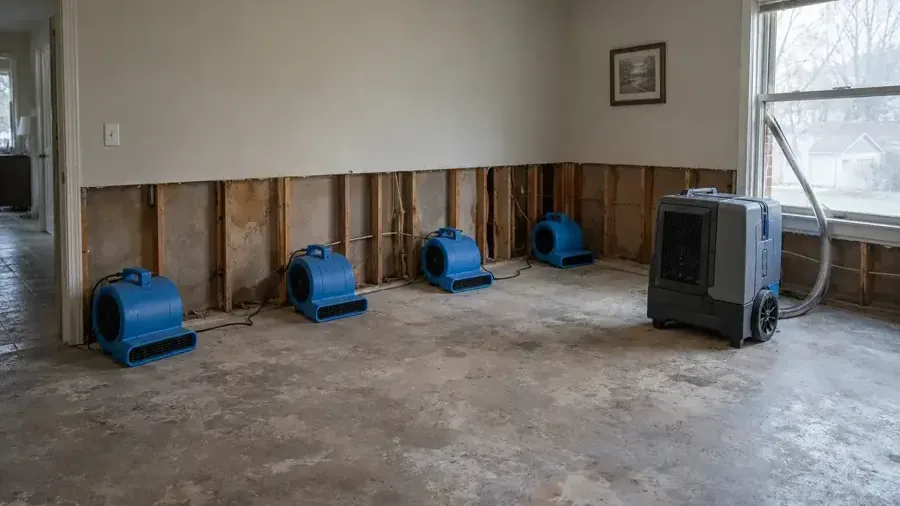
Structural Drying in Mannford
Material readings direct dehumidification until the assembly reaches a defensible drying goal.
Read about structural drying ›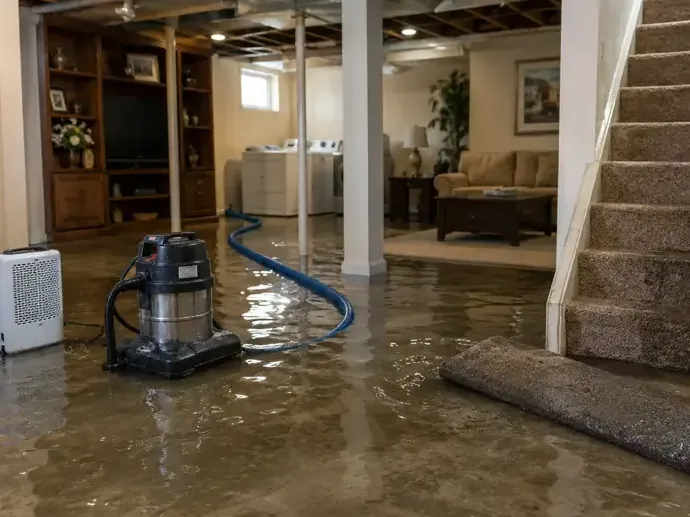
Storm Flood Cleanup in Mannford
Outside water brings sediment and contamination indoors, changing both extraction and material decisions.
Read about storm flood cleanup ›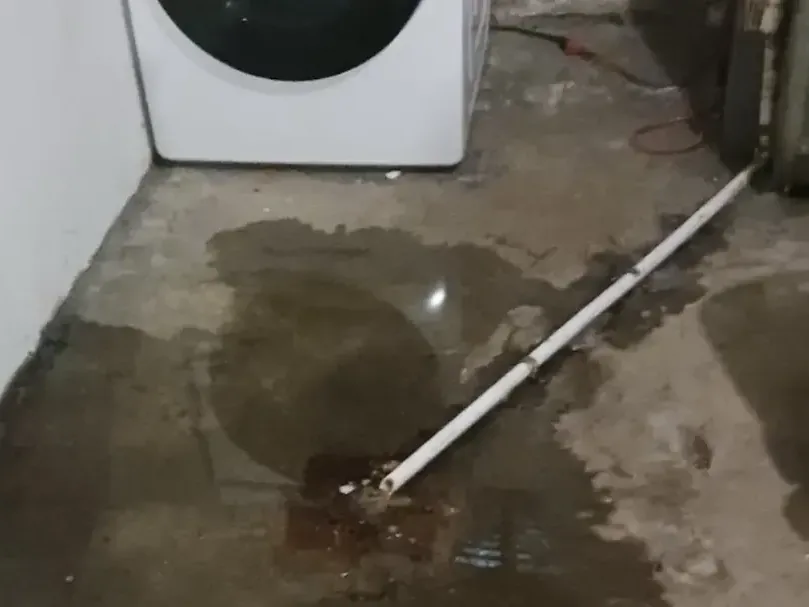
Appliance Leak Water Damage in Mannford
Hidden water beneath cabinets and appliances often demands access below the finished floor.
Read about appliance leak water damage ›Water Extraction questions in Mannford, OK
Can extraction begin while a pipe still leaks?
An active leak can replace removed water faster than cleanup progresses. Source control should be coordinated before ordinary extraction continues. If the valve cannot be reached safely, a qualified person must address access and shutoff. The assessment then checks whether the original wet boundary expanded during the release.
Will the machine remove water beneath every floor?
Surface extraction reaches liquid accessible to the tool. Water trapped beneath a floor covering, cabinet or dense underlayment may require a different access method. Inspection after removal identifies those pockets and determines whether selected materials must be lifted so cleaning or drying can reach them properly.
What should happen to saturated carpet padding?
The decision depends on the water's contamination, the material condition and whether retained layers can be dried effectively. Padding can hold moisture even after the carpet surface feels much better. Its condition should be explained before drying equipment is arranged around flooring that may still conceal a reservoir of water.
Is household vacuuming a suitable first response?
A household vacuum should not be used to collect water unless designed for that purpose and operated under safe conditions. Even suitable collection equipment does not resolve electrical or contamination hazards. Owners should keep clear of an unsafe pool and describe the situation before attempting removal on their own.
Why inspect the room beyond the puddle?
Water moves along seams and beneath finishes, so the wet boundary may extend beyond what is visible. Checking adjoining materials helps locate hidden moisture before a drying plan is chosen. That inspection also provides a record of areas checked and explains why equipment may be placed outside the original puddle.
Does outside water need additional cleaning?
Outside entry can carry soil and other contaminants onto floors and into absorbent materials. Removing the liquid addresses only part of that problem. The cleanup scope needs to consider residue, material suitability and safe handling before the remaining structure can move into a routine drying stage.
How can the owner prepare for equipment access?
From a dry and safe area, describe stairs, doorways and the nearest usable entrance. Keep unaffected walkways clear without carrying contaminated items through them. If belongings obstruct the wet room, discuss their handling first so movement can be coordinated with photographs and separation of clean possessions.
What indicates that extraction is complete?
The accessible pooled water should be removed, and the remaining damp materials should be identified for the next stage. Completion of extraction does not mean every building layer is dry. The handoff should explain what was removed, what remains wet and which follow up work is proposed.
Prepare the room for its next step
A focused removal scope makes concealed moisture easier to locate and gives the owner a clearer path into cleaning and drying.
(888) 619-9509Plan removal of the standing water