Water Extraction in Oakhurst
Standing water can spread beneath a doorway while the first room still looks contained. Extraction starts with safe access and follows that movement into adjoining materials.
(888) 619-9509Discuss standing water removal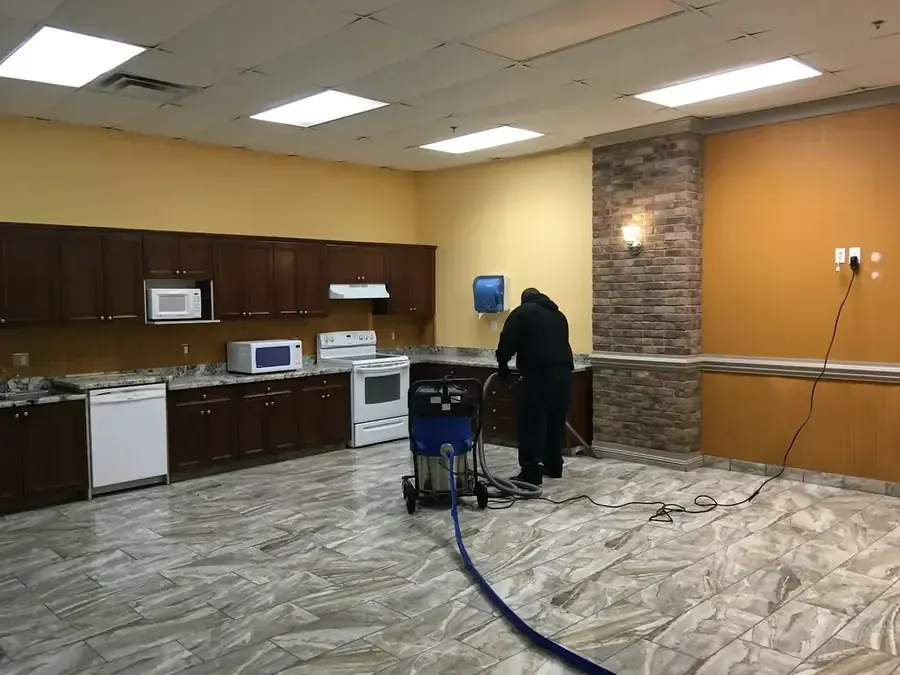
A visible pool gives only the starting boundary for extraction in Oakhurst. Water can pass under trim, wick into a door casing or soak the underside of a floor covering. The initial inspection follows these connections so the removal plan accounts for liquid that has moved beyond the obvious low spot.
How water extraction progresses
Define the wet footprint
The inspection traces visible water and damp room boundaries, records source conditions and identifies hazards before equipment selection or contents handling begins.
Choose removal methods
Pumping and surface extraction are matched to the depth, floor material, debris and practical access within the affected rooms.
Check retained layers
After accessible liquid is removed, moisture measurements identify the wall edges, floor assemblies and neighboring spaces that still need attention.
Explain ongoing recovery
A drying scope describes equipment needs, selective access and the material conditions that will be monitored before finish repairs are considered.
First steps for water extraction
- 1Keep clear of hazards. Standing water near outlets or equipment requires electrical assessment before occupants enter the affected room or move belongings.
- 2Identify continued leakage. An accessible supply shutoff may reduce ongoing water entry while the responsible trade addresses the failed component.
- 3Describe connected rooms. The contact should mention wet doorways, closets and neighboring floor surfaces so the assessment follows the full visible spread.
- 4Preserve initial photographs. Images taken safely before extraction help document water depth, affected finishes and the condition of nearby contents.
Read the room before choosing equipment
A broad hard floor and a saturated carpet require different extraction methods. Depth, debris, water category and the available discharge arrangement also affect equipment selection. Electrical hazards must be addressed before equipment enters the wet space. Furniture and contents need a workable route that does not carry dirty water through clean rooms.
- Check thresholds where water may have crossed into a neighboring room.
- Inspect wall bases for absorption above the remaining pool of water.
- Identify absorbent floor layers that hold liquid after surface removal.
- Keep electrical cords and connections outside uncontrolled wet areas during work.
Interstate 44 passes through the community and Interstate 244 branches from it. These location references help describe access during the initial conversation. Inside the property, room layout matters more to equipment placement: narrow doors, occupied rooms and changes in floor level all affect how the work is organized.
Standing water, a wet doorway or a soaked floor covering each offers useful starting information. A description of those conditions helps establish what needs inspection before extraction equipment is selected.
(888) 619-9509Explain where water collectedExtraction reaches a different endpoint from drying
Pumping clears accumulated water, while extraction tools remove liquid held near accessible surfaces. Neither action alone establishes that a concealed floor layer or wall cavity is dry. After removal, a technician checks materials and maps residual moisture. This creates a practical starting point for structural drying and any selective access work.
- Confirm that the water source has stopped or remains controlled.
- Record the visible footprint before contents and equipment change its appearance.
- Remove accessible liquid using equipment suited to the surface and water.
- Measure adjacent materials and explain the remaining drying needs.
If a closet floor appears dry but its doorway was submerged, the closet still deserves inspection. Water may have reached beneath the finish without leaving a broad puddle. Conversely, sound materials outside the wet boundary can remain protected. A careful assessment keeps removal focused on the actual spread through the room.
Safe access comes first
The restoration crew checks electrical exposure, overhead stability and the water source before entering the wet area. Occupants keep clear of sagging ceilings and contaminated floors. A qualified professional isolates affected circuits from a dry location. These checks precede extraction because standing water can conceal damage that a surface inspection misses.
Plan the handoff around materials and access
Oakhurst extends across Tulsa County and Creek County. The property contact should identify the correct location, who can admit workers and which spaces are restricted. For an occupied household, the plan should preserve a dry route where possible and identify rooms that need to remain outside normal daily use.
Extraction records should distinguish removed standing water from materials still holding moisture. A photograph of an empty floor is useful, but readings and a description of inaccessible layers explain the next work. If contamination affects porous finishes, removal may be necessary before the retained structure can receive drying equipment.
- Document floor coverings that were lifted or removed for access.
- Identify wet trim or wall edges requiring closer material assessment.
- Describe restricted cavities that could affect the remaining drying scope.
- Keep water removal charges separate from later finish replacement work.
The result is a clearer transition from liquid removal to material recovery. The community service overview connects related cleanup needs when the loss also involves plumbing damage, overhead water or affected wood flooring.
What does water extraction cost in Oakhurst, OK?
Oakhurst extraction planning ranges from $500 to $1,000 for a contained room, $1,000 to $2,000 for several wet rooms and $2,000 to $3,000 for complex removal. Access and affected surfaces shape the estimate.
Contained room
$500 to $1,000
- Open floor
- Limited contents
- Simple access
Several wet rooms
$1,000 to $2,000
- Connected thresholds
- Absorbent finishes
- More handling
Complex removal
$2,000 to $3,000
- Restricted spaces
- Difficult discharge
- Layered materials
These planning ranges are estimate only. Water category, affected area, material class and the delay before extraction change the scope. The water damage cost calculator explores those variables.
Careful decisions for water extraction
Rapid local response
The response team assesses active water, access and source control during 24/7 dispatch. Arrival depends on current conditions and the work required at the property.
IICRC S500 drying standard
The drying technician compares wet assemblies with suitable dry references and adjusts dehumidification to the material load. A dry surface alone does not close the job.
Claim-ready documentation
The mitigation team records initial damage, material decisions, equipment and daily readings. The property owner retains a clearer account of the loss for the insurance review.
Local water experts
The contractor checks the actual building and the reported source before choosing a method. Indoor supply releases, contaminated outside water and backed-up drains require different handling.
Water extraction in Oakhurst
Extraction assessments serve Oakhurst properties across Tulsa County and Creek County, with access arrangements based on the affected rooms and the person responsible for entry.
The same service nearby: water extraction in Sand Springs, Bixby, Sperry.
Related water damage services in Oakhurst
Structural Drying in Oakhurst
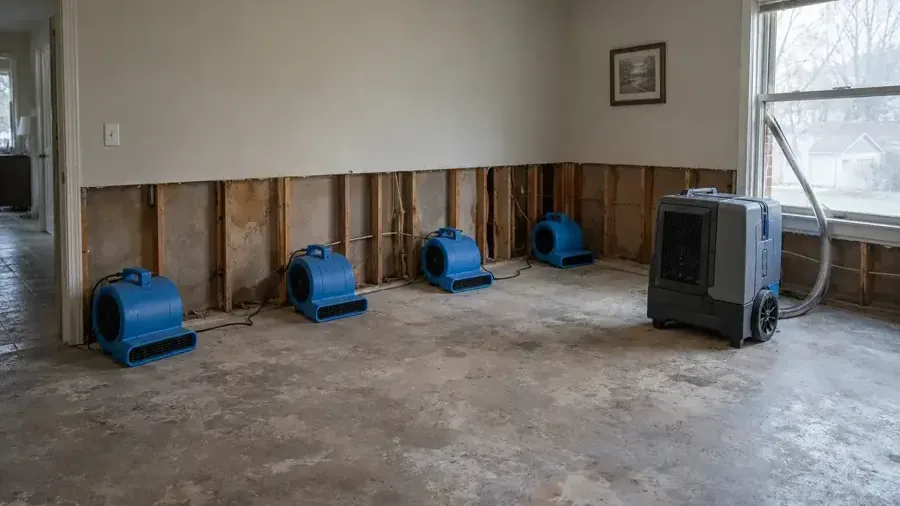
Material readings direct dehumidification until the assembly reaches a defensible drying goal.
Read about structural drying ›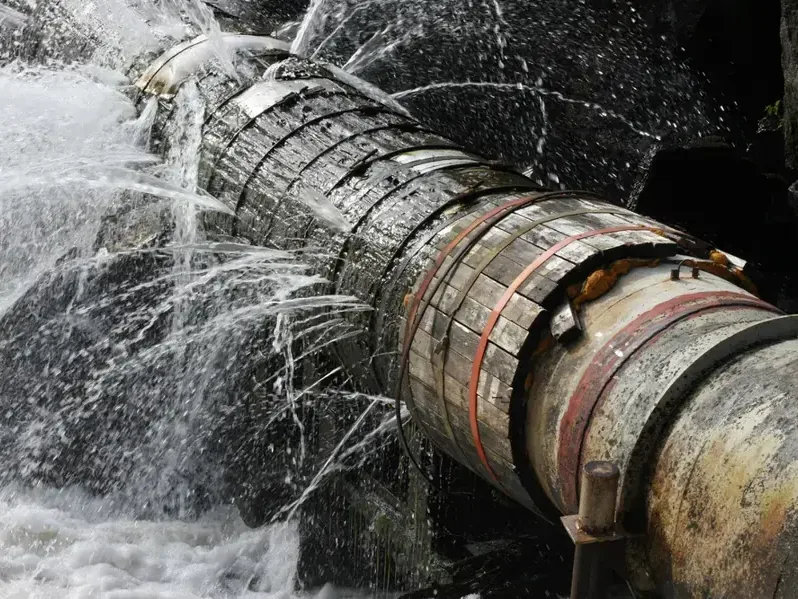
Burst Pipe Water Damage in Oakhurst
A stopped pipe release still leaves wet cavities that need measured drying and documented access.
Read about burst pipe water damage ›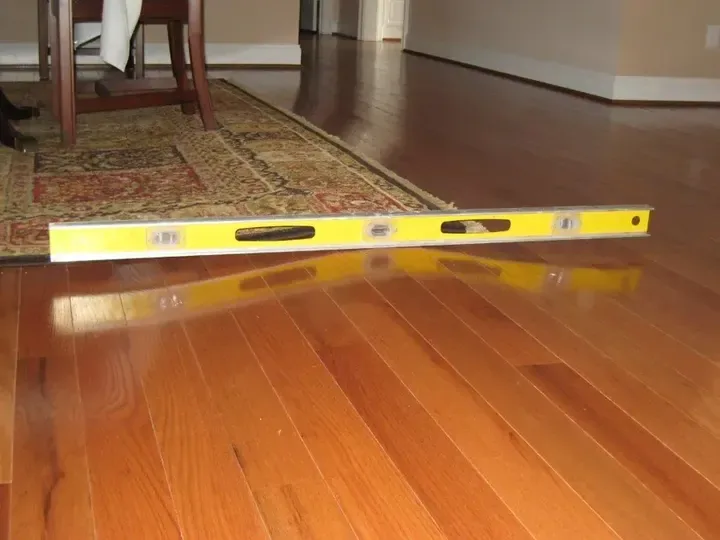
Hardwood Floor Water Damage in Oakhurst
Board movement and subfloor readings determine whether targeted floor drying remains appropriate.
Read about hardwood floor water damage ›Water Extraction questions in Oakhurst, OK
Why check a room without standing water?
Liquid may have passed beneath a floor covering or through a doorway before the visible puddle settled elsewhere. A neighboring room can therefore contain wet materials without obvious pooling. Moisture assessment follows these connections and helps distinguish surfaces ready for normal use from areas that still need controlled drying.
Can carpet remain after extraction?
The answer depends on the source of water, contamination, the condition of the backing and access to the padding below. Removing liquid from the face of carpet does not address every layer. An assessment determines whether cleaning and drying are practical or whether some materials require removal from the room.
What happens if the source is still active?
Continued leakage can refill an extracted area and wet materials that were beginning to recover. Source isolation belongs early in the sequence. A plumbing or other repair trade may need to stop the release while cleanup addresses accumulated water, provided safe conditions allow both tasks to be coordinated.
Does extraction include rebuilding the room?
Extraction concerns accessible liquid and the immediate assessment of wet materials. Drying, demolition and reconstruction can be distinct parts of the project. The written scope should identify what is included and which later tasks remain, such as replacement flooring, repaired trim or closing an opened wall section.
Is a household vacuum suitable for water removal?
Ordinary household vacuums are not designed for standing water. Electrical exposure and the nature of the water must also be considered before any equipment is used. Professional assessment selects removal methods suited to the affected surface and contamination level, with attention to safe power and discharge arrangements.
How is the extraction area documented?
A useful record combines initial photographs, descriptions of the water source and notes on affected surfaces. After removal, material readings help show where moisture remains. Records should identify any floor coverings moved or wall edges opened so the subsequent drying work has a clear starting condition.
Can an occupied room stay in use?
Use depends on hazards, contamination, equipment placement and the remaining wet materials. An assessment may identify a dry access path while keeping the work area separate. Occupants should not cross extraction hoses or enter contaminated spaces simply because the visible water level has dropped during removal.
When should drying equipment be removed?
Equipment decisions follow the condition of the materials and the drying measurements. A floor that looks clear of water may still conceal moisture beneath its finish. The drying stage should address those layers and establish a documented endpoint before equipment leaves or finish repairs cover the affected structure.
Plan removal across the affected rooms
A focused assessment connects accessible water removal with the concealed moisture that still requires attention inside the building.
(888) 619-9509Discuss extraction and next steps