Burst Pipe Water Damage in Oakhurst
A broken supply pipe can fill a wall cavity before water reaches the room. Cleanup follows the release through connected materials once the pipe is isolated and the area is safe.
(888) 619-9509Describe the pipe release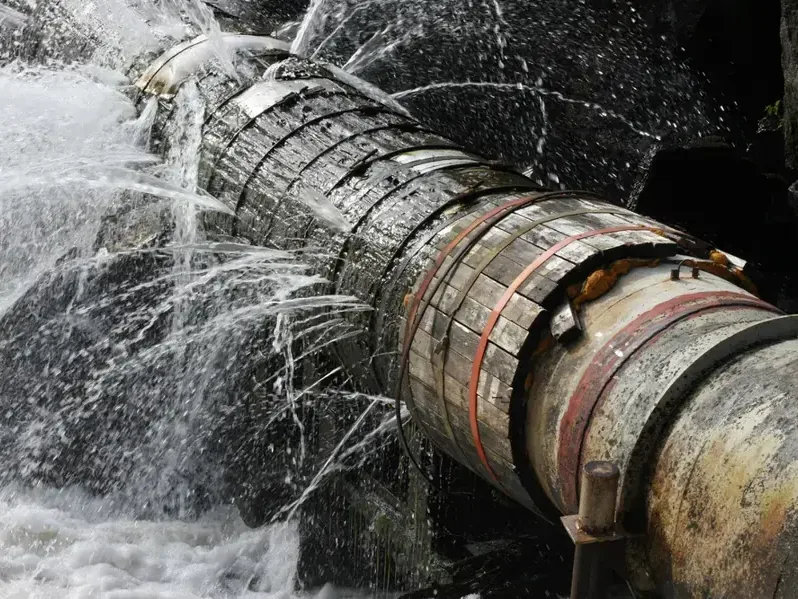
A burst pipe in Oakhurst may announce itself through a wet floor far from the actual break. Pressurized water can move inside a wall, descend behind trim or collect above a ceiling. The cleanup boundary should follow that travel path instead of stopping at the first visible stain or the plumber's repair opening.
How burst pipe water damage progresses
Connect symptoms to source
The inspection records the repaired or isolated pipe location and compares it with visible damage across walls, ceilings, floors and adjoining rooms.
Establish material access
Targeted openings expose wet layers and allow decisions about insulation, finish materials and structural components that may remain for drying.
Adjust the drying setup
Readings from the affected assemblies show how retained materials respond and whether the equipment arrangement reaches areas that were initially concealed.
Describe remaining reconstruction
The completion record distinguishes dried structural materials from cabinet, wall, ceiling and flooring repairs still needed to restore the finished space.
First steps for burst pipe water damage
- 1Identify a safe shutoff. If an accessible valve can be reached without entering a hazardous area, isolating the supply can reduce further damage.
- 2Leave unstable areas clear. Saturated ceiling sections and wet electrical fixtures require separation from occupants while the relevant hazards receive professional attention.
- 3Describe the water path. The property contact should note where water first appeared and which rooms developed stains, puddles or damp floor edges.
- 4Coordinate the repair opening. Pipe repair access should be discussed with the cleanup assessment so newly exposed wet materials become part of the recovery plan.
Start where the water can be controlled
An accessible shutoff can limit the release when it is safe to reach. Electrical exposure, unstable ceilings or deep water may prevent occupants from approaching the area. The repair trade handles the failed pipe, while the cleanup assessment considers what the escaping water has already reached throughout the building.
- Report whether the supply has been isolated and whether dripping continues.
- Describe wet surfaces above, below and beside the suspected break.
- Keep occupants away from softened ceilings and wet electrical equipment.
- Preserve photographs of the room before damaged finishes are opened.
Interstate 244 branches from Interstate 44 within the community. Those corridors can help identify the property during an access discussion. Oakhurst also extends into Creek County, so the contact should make the location and entry arrangements clear before the work moves to room specific decisions inside the building.
A description of the broken pipe, shutoff status and affected rooms helps establish the first assessment. Visible water below a wall or ceiling can also identify where concealed spread needs closer attention.
(888) 619-9509Explain the pipe and room damageFollow the release through assemblies
A wall opening made for pipe repair may reveal wet insulation and framing, but moisture can continue farther along the cavity. An inspection compares readings around the break with nearby materials, checks the base of the wall and follows any path into the next room or the ceiling below.
- Record the source location and the status of the supply repair.
- Inspect adjacent wall bays and the floor where water collected.
- Remove unsuitable wet layers to expose materials selected for drying.
- Track moisture before the opened assemblies are enclosed during reconstruction.
For example, a break behind a bathroom wall can wet a cabinet back and a bedroom baseboard through the same cavity. Each material responds differently. A swollen cabinet panel may need replacement even while nearby sound framing remains suitable for drying. The scope should explain those separate decisions in clear terms.
Safe access comes first
The restoration crew checks electrical exposure, overhead stability and the water source before entering the wet area. Occupants keep clear of sagging ceilings and contaminated floors. A qualified professional isolates affected circuits from a dry location. These checks precede extraction because standing water can conceal damage that a surface inspection misses.
Coordinate recovery with the pipe repair
Drying progresses best when the source remains controlled and the wet layers are accessible. The cleanup record should note any remaining plumbing work that could disturb equipment or reopen the assembly. Communication between the responsible trades reduces repeated handling and helps keep the wet footprint from expanding during repair.
Water extraction may be required where the release collected on the floor. Once accessible liquid is removed, the remaining work often centers on drying the structure. Measurements support decisions about equipment changes and show whether concealed materials still require attention before replacement finishes are installed.
- Keep removed finish materials identified by room and affected assembly.
- Protect dry possessions from debris during selective opening of walls.
- Explain access limits that prevent a complete initial moisture assessment.
- Separate pipe repair costs from cleanup and later finish replacement.
A final handoff should connect the original release with the work completed and the repairs still outstanding. That record helps the owner understand why a room can need further reconstruction after its retained framing and floor structure have finished drying.
What does burst pipe water damage cost in Oakhurst, OK?
Burst pipe cleanup in Oakhurst has planning ranges of $1,000 to $2,000 for a single exposed room, $2,000 to $3,500 for a wall or ceiling loss and $3,500 to $5,500 for multiple assemblies. Concealed spread affects scope.
Single exposed room
$1,000 to $2,000
- Accessible water
- Room protection
- Surface assessment
Wall or ceiling loss
$2,000 to $3,500
- Cavity access
- Wet insulation
- Framing checks
Multiple assemblies
$3,500 to $5,500
- Connected rooms
- Layer removal
- Broader drying
These planning ranges are estimate only. Water category, affected area, material class and the delay before extraction change the scope. The water damage cost calculator explores those variables.
Careful decisions for burst pipe water damage
Rapid local response
The response team assesses active water, access and source control during 24/7 dispatch. Arrival depends on current conditions and the work required at the property.
IICRC S500 drying standard
The drying technician compares wet assemblies with suitable dry references and adjusts dehumidification to the material load. A dry surface alone does not close the job.
Claim-ready documentation
The mitigation team records initial damage, material decisions, equipment and daily readings. The property owner retains a clearer account of the loss for the insurance review.
Local water experts
The contractor checks the actual building and the reported source before choosing a method. Indoor supply releases, contaminated outside water and backed-up drains require different handling.
Burst pipe water damage in Oakhurst
Burst pipe assessments for Oakhurst properties follow the actual release through connected rooms, with source repair coordination and access arrangements tailored to the affected building.
The same service nearby: burst pipe water damage in Sand Springs, Bixby, Sperry.
Related water damage services in Oakhurst
Water Extraction in Oakhurst
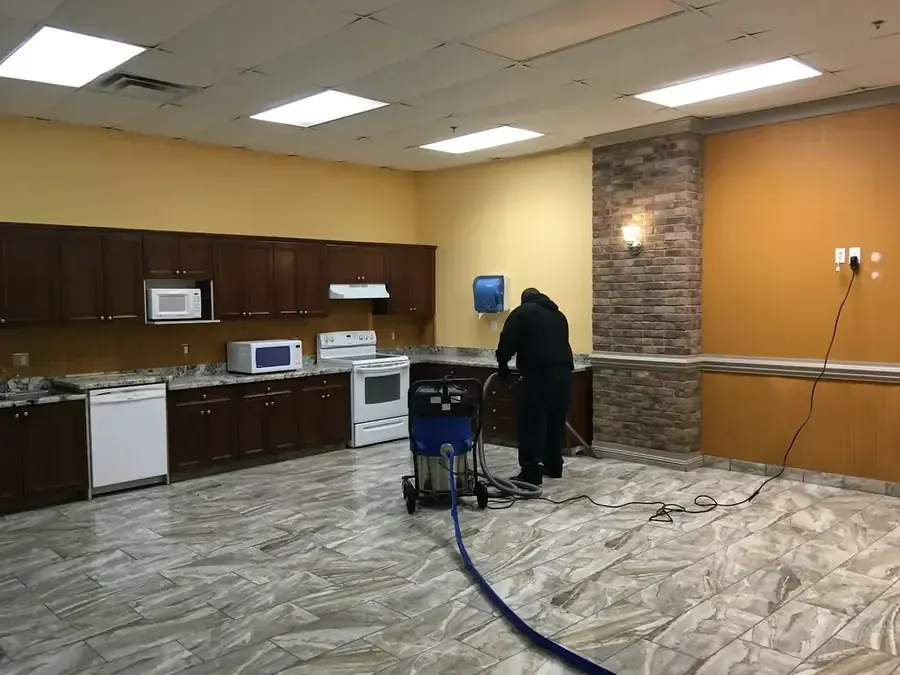
Extractors remove pooled water before the drying equipment tackles moisture inside floors and walls.
Read about water extraction ›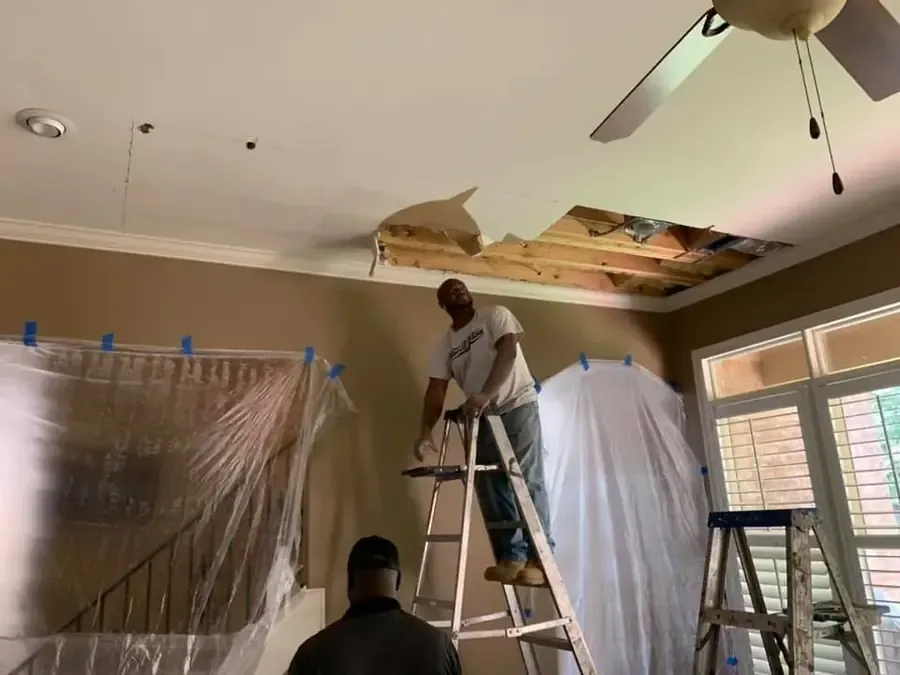
Ceiling Leak Water Damage in Oakhurst
Overhead water requires safe access to the source before damaged ceiling materials come down.
Read about ceiling leak water damage ›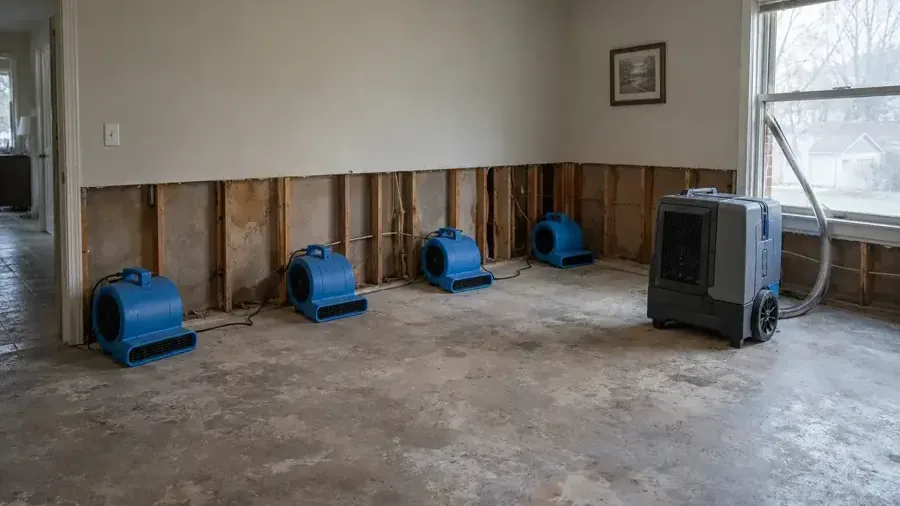
Structural Drying in Oakhurst
Material readings direct dehumidification until the assembly reaches a defensible drying goal.
Read about structural drying ›Burst Pipe Water Damage questions in Oakhurst, OK
What if the break is inside a wall?
The repair trade may need an opening to reach the pipe. Cleanup assessment then checks the exposed cavity and nearby materials for the wider water pattern. A small access hole can reveal only part of the loss, so adjoining wall bases, floor edges and any room below deserve attention.
Should a ceiling stain be opened by an occupant?
A wet ceiling may contain unstable board, saturated insulation or electrical hazards. Occupants should keep the area below clear and leave access decisions to the appropriate professionals. The assessment determines a safe way to inspect the source and wet layers without relying on the stain's size alone.
Is a repaired pipe enough to begin reconstruction?
Repair stops continued entry, but concealed moisture can remain within the building. Reconstruction should follow assessment and drying of the affected materials. Closing a cavity before its condition is understood can hide wet insulation or framing and make it harder to address the remaining water damage later.
Can water travel away from the broken pipe?
Water follows openings, gravity and absorbent materials, so the visible damage can appear away from the break. It may descend through a wall or reach a connected floor layer. The assessment follows those paths and uses material measurements to define the wet boundary more accurately than appearance alone.
How are damaged cabinets evaluated after a release?
Cabinet faces, backs and bases can have different exposure and construction. Swelling, separation and access to wet areas affect the retention decision. A sound visible face does not settle the condition behind it. The scope should describe which components can remain and why other sections require removal or replacement.
What information belongs in the source record?
The useful record identifies the failed pipe location, the time the problem was noticed if known and the status of the repair. Photographs and repair invoices can support that description. Cleanup notes should connect the source to the rooms and materials that became wet during the release.
Will equipment run while the household is present?
That depends on the extent of the work, electrical safety, contamination and the ability to separate occupied spaces. Equipment and hoses need protected placement. The owner should receive clear access instructions and a description of any rooms that remain restricted during removal, drying or open cavity work.
Why might the scope change after a wall opens?
An intact wall can conceal wet insulation or water movement into another bay. Opening the affected area can reveal damage beyond the initial visible pattern. A revised scope should identify the newly exposed condition and explain its effect on removal, drying and the eventual reconstruction of the room.
Plan recovery after the supply is controlled
A coordinated cleanup scope follows escaped water through the building and documents what remains before repairs close the affected assemblies.
(888) 619-9509Discuss the burst pipe cleanup sequence