Structural Drying in Oakhurst
A room can feel dry while moisture remains within its walls or floor. Structural drying uses material readings and suitable access to track the parts of the building that stay wet.
(888) 619-9509Discuss the retained wet materials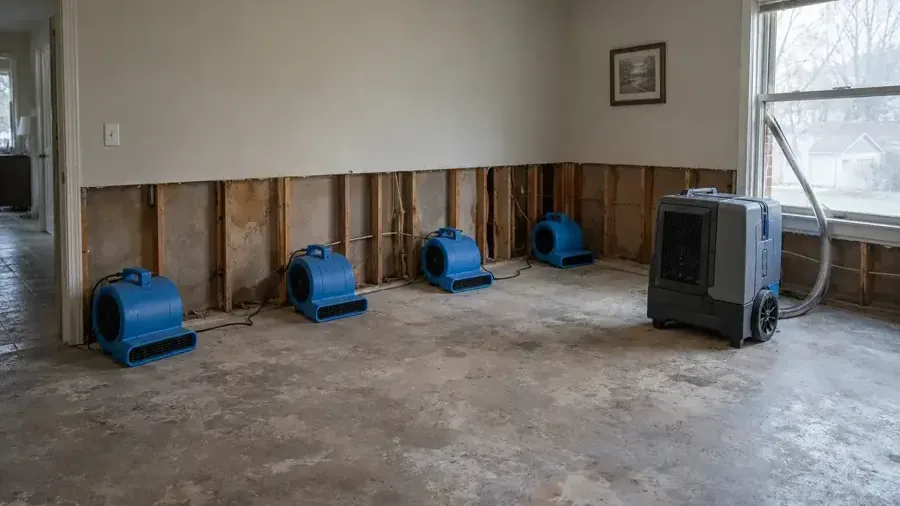
Structural drying in Oakhurst begins with a question about the assembly: where is moisture still held after the visible water has been removed? A wall base, wood subfloor and dense finish layer can respond differently. The plan needs to account for these differences instead of treating the room as a single damp volume of air.
How structural drying progresses
Establish a material baseline
The assessment records affected assemblies and comparison conditions, identifying useful reading locations and any finish layers that restrict direct access to the remaining moisture.
Configure the drying area
Equipment placement addresses the exposed materials, room conditions and safe circulation while the plan defines any additional openings required for concealed wet areas.
Interpret measured progress
Repeat readings show how each monitored material responds, supporting changes in airflow, dehumidification or access when a section remains slower to dry.
Document the repair handoff
Final material information is connected to the remaining reconstruction tasks so the next trade understands what was dried and what still needs preparation or replacement.
First steps for structural drying
- 1Confirm the source status. A stable drying plan needs the leak or outside entry controlled so retained materials are not repeatedly exposed to additional water.
- 2Explain concealed material access. The assessment identifies finishes blocking wet layers and explains why selective openings may be needed to reach them effectively.
- 3Protect the equipment arrangement. Occupants should keep designated access routes clear and follow the placement instructions so airflow and moisture removal can function as intended.
- 4Report changing room conditions. New dripping, interrupted equipment or another wet area should be reported because those changes can affect readings and the remaining drying scope.
Measure materials that represent the loss
Measurements are useful when their locations and material types are understood. An inspection identifies affected areas and suitable comparison conditions within the building. Repeated readings from relevant points then show whether the retained assembly is responding. The documentation should connect those results to the wall, floor or ceiling section being dried.
- Identify the layers involved before choosing equipment for the room.
- Record areas where intact finishes limit access to trapped moisture.
- Distinguish visible surface dryness from the condition of underlying material.
- Reassess locations that respond differently from the surrounding wet assembly.
Oakhurst spans Tulsa County and Creek County, and Interstate 244 branches from Interstate 44 within the community. Property access can be described using these references. Inside the building, drying decisions follow the actual materials, room connections and openings available to equipment rather than a communitywide construction assumption.
The affected material, source status and access to concealed layers help establish a drying assessment. Existing extraction or repair notes can also clarify which parts of the building still need attention.
(888) 619-9509Explain which materials remain wetMake the drying environment work for the assembly
Air movement helps moisture leave accessible surfaces, while dehumidification removes water vapor from the air. Their arrangement must suit the exposed materials and the room conditions. A finish that blocks access to a wet layer can limit the effect of equipment, making selective opening part of the discussion about a workable drying plan.
- Confirm that active entry and necessary contamination cleanup are addressed.
- Map retained wet materials and establish useful measurement locations.
- Position equipment around the accessible assembly and safe room use.
- Adjust the setup as material readings show progress or remaining limits.
For instance, the exposed side of a wall can dry faster than wood behind an intact cabinet. The difference calls for assessment of that concealed section, rather than simply accepting the room's average condition. Targeted access or a changed equipment arrangement may be needed to reach the slower responding area effectively.
Safe access comes first
The restoration crew checks electrical exposure, overhead stability and the water source before entering the wet area. Occupants keep clear of sagging ceilings and contaminated floors. A qualified professional isolates affected circuits from a dry location. These checks precede extraction because standing water can conceal damage that a surface inspection misses.
Define completion before reconstruction starts
Drying duration depends on material thickness, initial wetting, access and the ongoing conditions in the work zone. A fixed schedule cannot capture every assembly. The owner should receive information about the monitored locations and why equipment remains or changes, connecting the drying effort with the material condition it is intended to improve.
The final record should distinguish dried retained components from materials removed because of damage or contamination. It should also identify outstanding repairs. Hardwood floor recovery may involve installation questions after drying, while concealed slab leak damage can require additional substrate evaluation before replacement flooring is installed.
- Keep equipment access clear throughout the monitored work period.
- Report new leakage or changes in the affected room promptly.
- Connect final readings with the materials prepared for reconstruction.
- Explain any remaining preparation needed by the next repair trade.
Drying documentation makes the handoff useful: it describes the building's condition behind the new finishes, rather than leaving completion to an impression that the room feels comfortable again.
What does structural drying cost in Oakhurst, OK?
Structural drying in Oakhurst has planning ranges of $1,000 to $1,800 for a limited exposed assembly, $1,800 to $3,200 for several wet materials and $3,200 to $5,000 for dense or concealed loss. Access and material response affect scope.
Limited exposed assembly
$1,000 to $1,800
- Open materials
- Focused airflow
- Recorded readings
Several wet materials
$1,800 to $3,200
- Mixed assemblies
- Equipment adjustment
- Connected areas
Dense or concealed loss
$3,200 to $5,000
- Restricted layers
- Targeted access
- Additional monitoring
These planning ranges are estimate only. Water category, affected area, material class and the delay before extraction change the scope. The water damage cost calculator explores those variables.
Careful decisions for structural drying
Rapid local response
The response team assesses active water, access and source control during 24/7 dispatch. Arrival depends on current conditions and the work required at the property.
IICRC S500 drying standard
The drying technician compares wet assemblies with suitable dry references and adjusts dehumidification to the material load. A dry surface alone does not close the job.
Claim-ready documentation
The mitigation team records initial damage, material decisions, equipment and daily readings. The property owner retains a clearer account of the loss for the insurance review.
Local water experts
The contractor checks the actual building and the reported source before choosing a method. Indoor supply releases, contaminated outside water and backed-up drains require different handling.
Structural drying in Oakhurst
Structural drying assessments in Oakhurst follow the affected building's materials and available access, with monitoring locations chosen for the actual wall, ceiling or floor assembly.
The same service nearby: structural drying in Sand Springs, Bixby, Sperry.
Related water damage services in Oakhurst
Water Extraction in Oakhurst
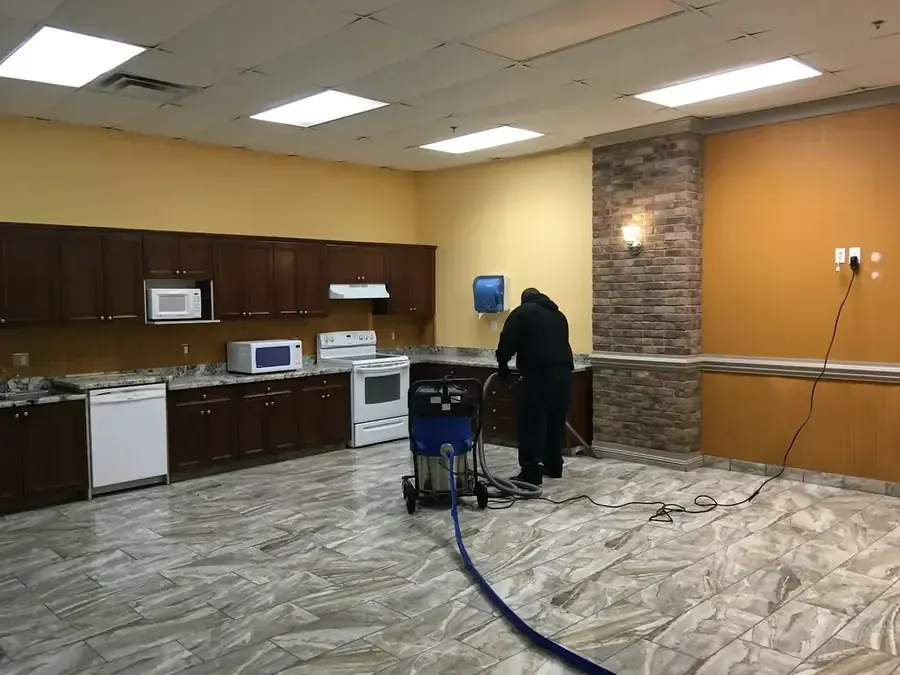
Extractors remove pooled water before the drying equipment tackles moisture inside floors and walls.
Read about water extraction ›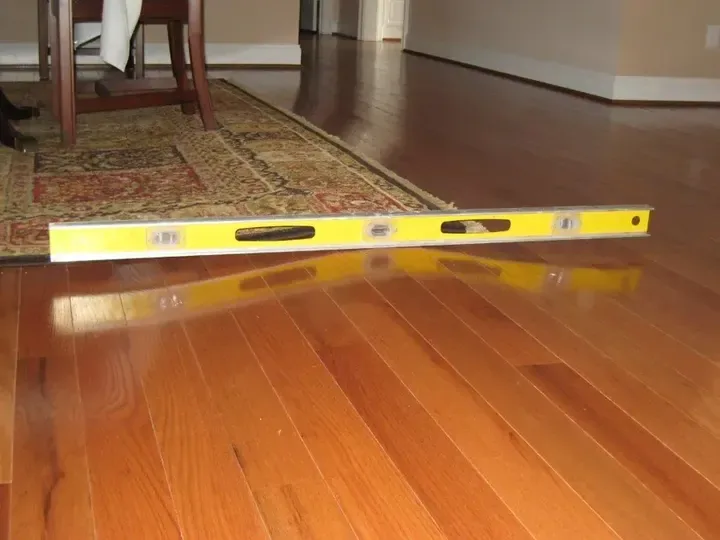
Hardwood Floor Water Damage in Oakhurst
Board movement and subfloor readings determine whether targeted floor drying remains appropriate.
Read about hardwood floor water damage ›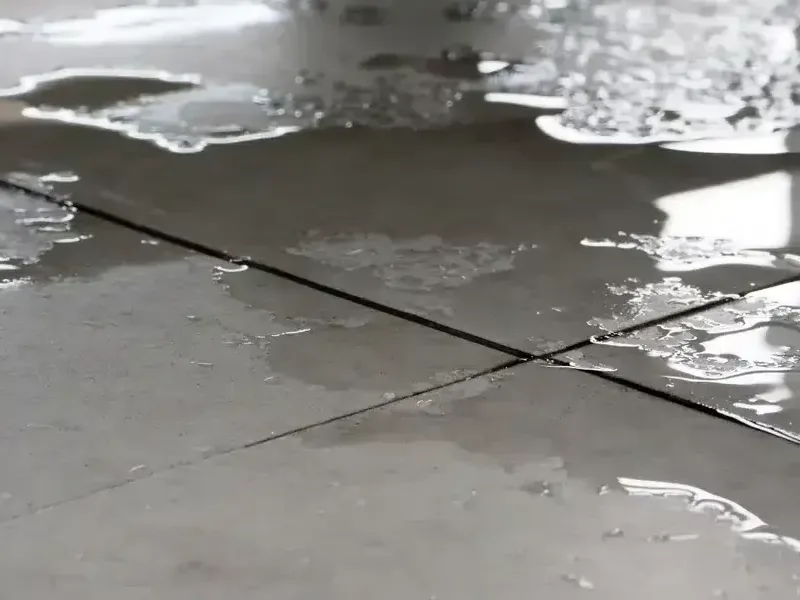
Slab Leak Water Damage in Oakhurst
Moisture beneath flooring needs a mapped drying plan after a plumber controls the concealed supply leak.
Read about slab leak water damage ›Structural Drying questions in Oakhurst, OK
Why does a dry feeling room still need equipment?
Room comfort reflects the air and exposed surfaces, while building materials can retain moisture internally. Drying decisions use relevant material readings and inspection of the affected assembly. Equipment may therefore remain necessary after the room feels more comfortable, particularly where dense or concealed layers have not yet reached the intended condition.
Can a household fan dry a concealed wall?
Air movement over an intact finish has limited access to water behind it. The assessment needs to determine which layers are wet and whether selective opening is required. A drying setup combines suitable material access with airflow and moisture removal, rather than relying on a fan pointed at the visible surface.
How is the drying duration determined?
Duration depends on the material, depth of wetting, access and conditions maintained during the work. Measurements show how the retained assembly responds. The plan should explain those observations and adjust when needed, instead of promising a fixed completion period before the affected layers and their moisture condition are understood.
Why are unaffected areas measured too?
Suitable comparison readings help interpret the condition of the affected material within that building. They provide context alongside the material type and inspection findings. The assessment should select meaningful locations and document them so subsequent measurements can be understood as part of the same drying plan rather than isolated numbers.
Does drying restore physically damaged material?
Removing moisture does not reverse every form of swelling, delamination or loss of strength. Material condition and moisture are separate considerations. A component may be dry enough for a repair decision but still unsuitable to retain because of physical damage, while sound nearby structure can remain after the drying stage.
What happens if readings stop improving?
The affected area should be reassessed for continued leakage, restricted access, equipment conditions or a concealed layer that is not being reached. A change in the setup or selective opening may be appropriate. The owner should receive an explanation connecting the adjustment to the material condition being monitored.
Can reconstruction begin while equipment remains nearby?
The reconstruction sequence needs coordination with the drying scope. Closing a wet cavity or covering a damp substrate can prevent further access and interfere with moisture removal. The next trade should receive the material information and understand which areas are ready for repairs and which remain under active drying assessment.
What makes a drying record useful to an owner?
Useful records identify the affected materials, measurement locations, work performed and final conditions. They also distinguish remaining repairs from completed drying. This helps the owner understand why equipment was used and gives the reconstruction trade a practical account of the structure that will be covered by new finishes.
Use material readings to plan the repair handoff
A measured drying scope connects equipment decisions with the condition of retained wall, floor and ceiling assemblies before new finishes are installed.
(888) 619-9509Discuss a structural drying assessment