Water Damage Restoration in Bixby
A wet room needs a clear starting point. Bixby property owners can arrange water removal, contaminated material cleanup and drying that follows moisture beyond the visible puddle into affected building layers.
(888) 619-9509Discuss the water inside the propertyThe water source, affected surfaces and safe access determine the work needed before a room can reopen.
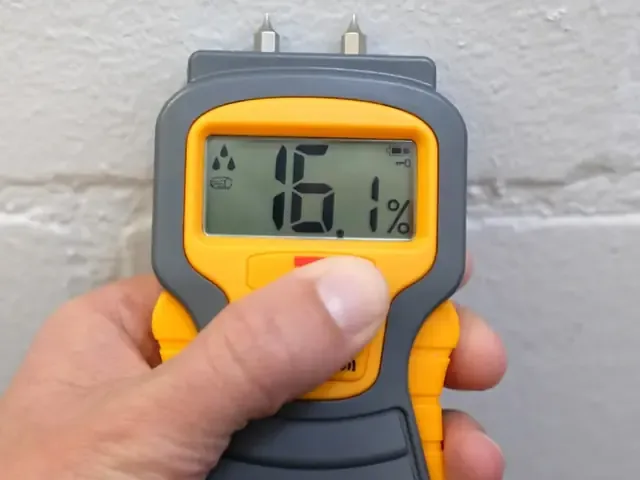
Move from source control to repair readiness
Each stage leaves the property better understood. The work starts with the route of entry and ends with material readings that support the next repair decision for the affected space.
A dry surface is only part of recovery
Cleanup works best when every action answers a specific question about water movement, material condition or safe use. A clear scope keeps cosmetic repair from hiding unfinished drying underneath.
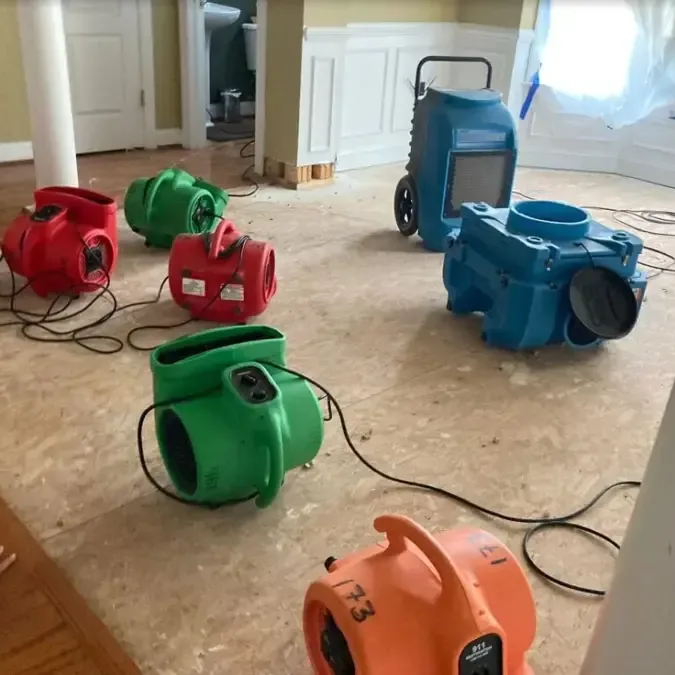
Cleanup matched to the way water entered
An overflowing fixture, a soaked ceiling and outside floodwater need different work plans. Each service follows the source and the materials actually affected.
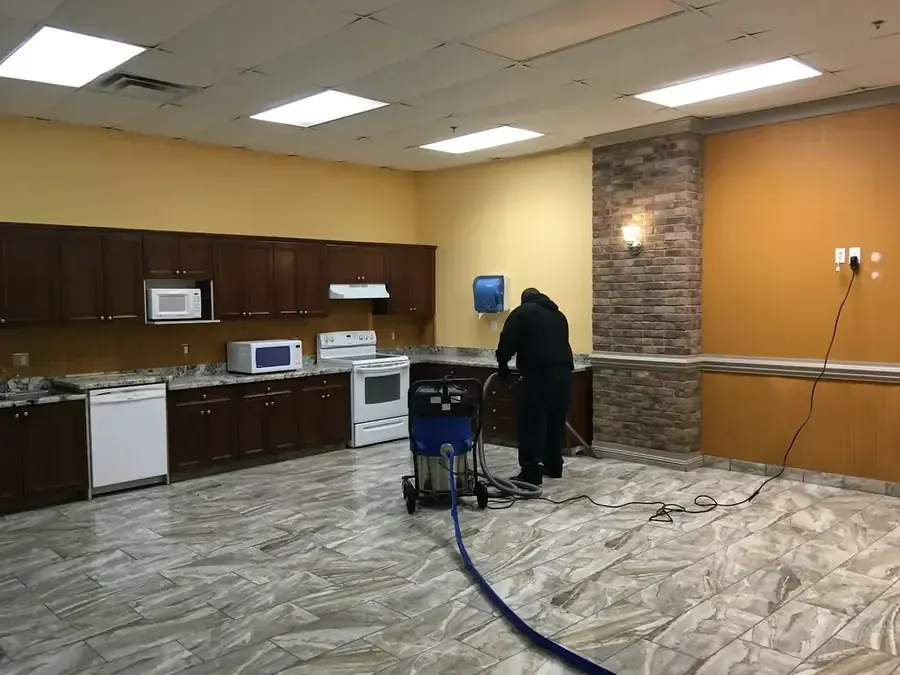
Water Extraction
Remove pooled water while checking adjoining flooring for moisture that has escaped beneath visible surfaces.
Read about water extraction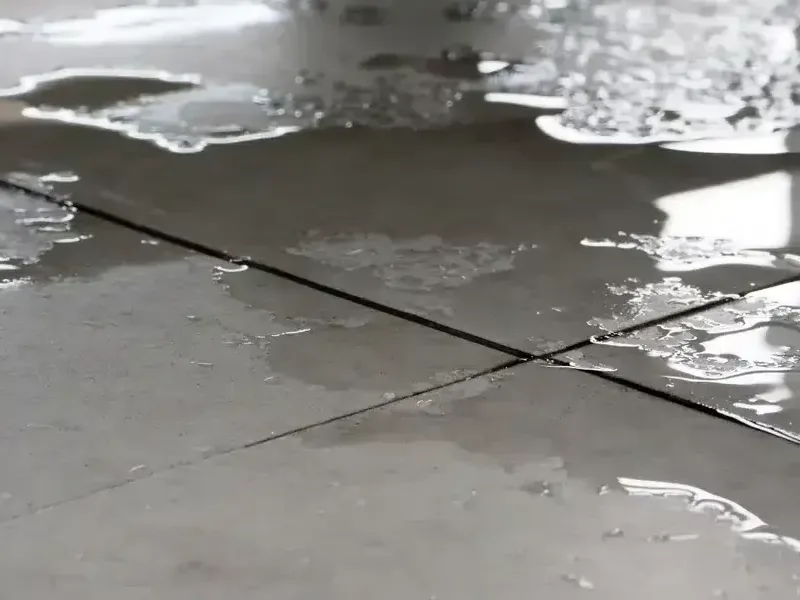
Slab Leak Water Damage
Trace damp floor edges after a concealed supply leak and separate plumbing repair from material recovery.
Read about slab leak water damage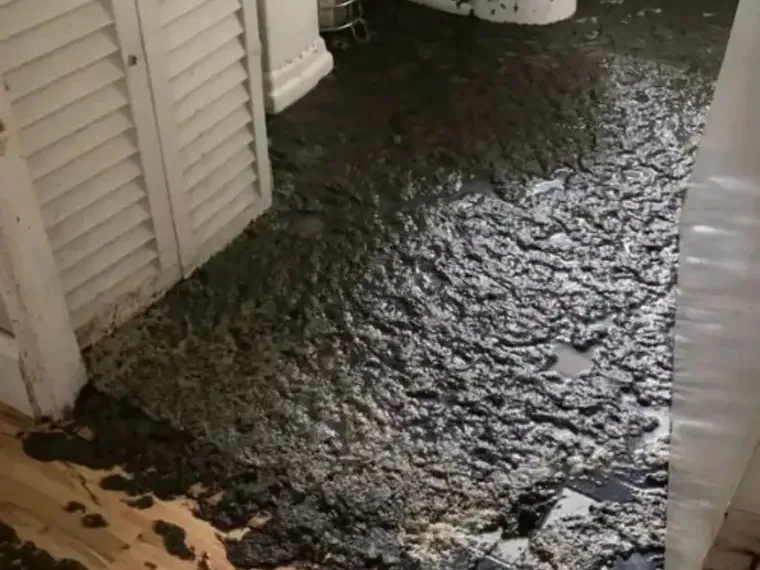
Sewage Backup Cleanup
Contain contaminated drain water before sorting washable surfaces from absorbent items that need removal.
Read about sewage backup cleanup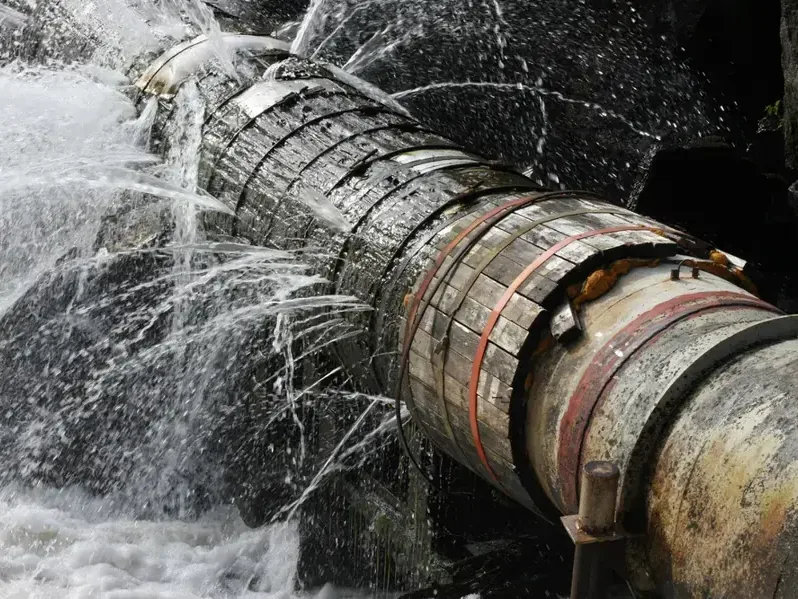
Burst Pipe Water Damage
A broken supply pipe can wet several assemblies before the first room shows a puddle.
Read about burst pipe water damage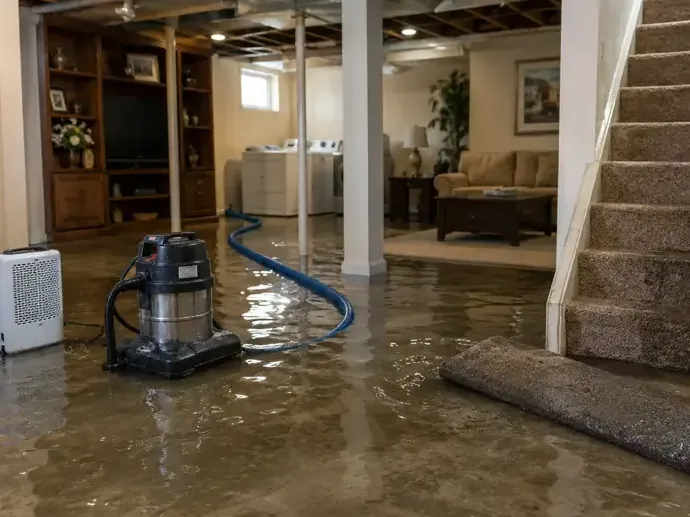
Storm Flood Cleanup
Outside water brings a different cleanup problem, with sediment and soaked porous materials requiring attention.
Read about storm flood cleanup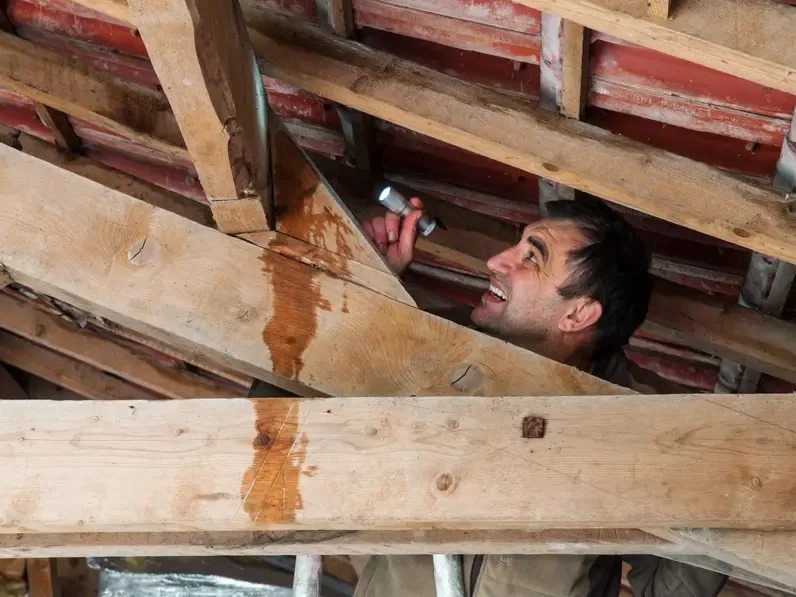
Roof Leak Water Damage
Follow rainwater through attic materials to the room below before closing a ceiling again.
Read about roof leak water damage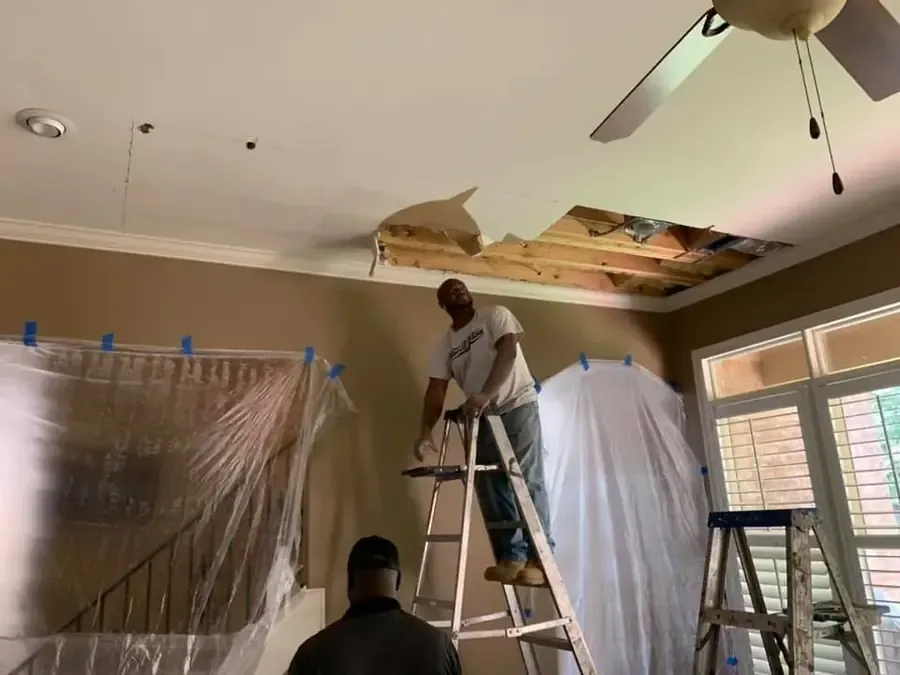
Ceiling Leak Water Damage
An overhead stain calls for a careful cavity assessment before surface patching or repainting begins.
Read about ceiling leak water damage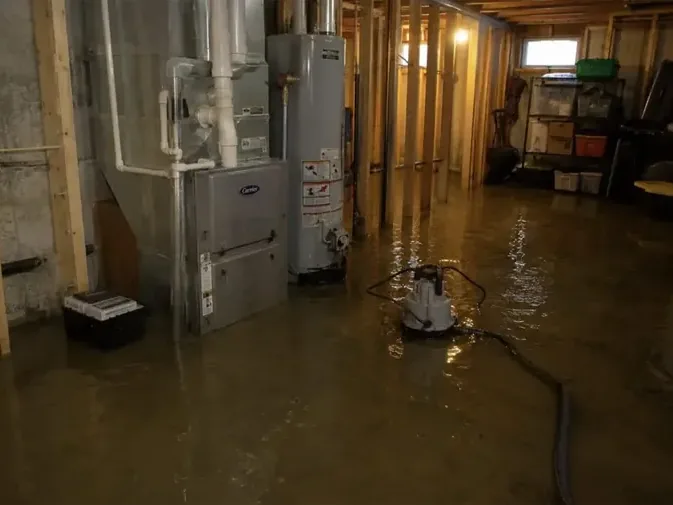
Water Heater Leak Cleanup
Tank spills can reach wall bottoms and neighboring floors beyond the appliance's immediate footprint.
Read about water heater leak cleanup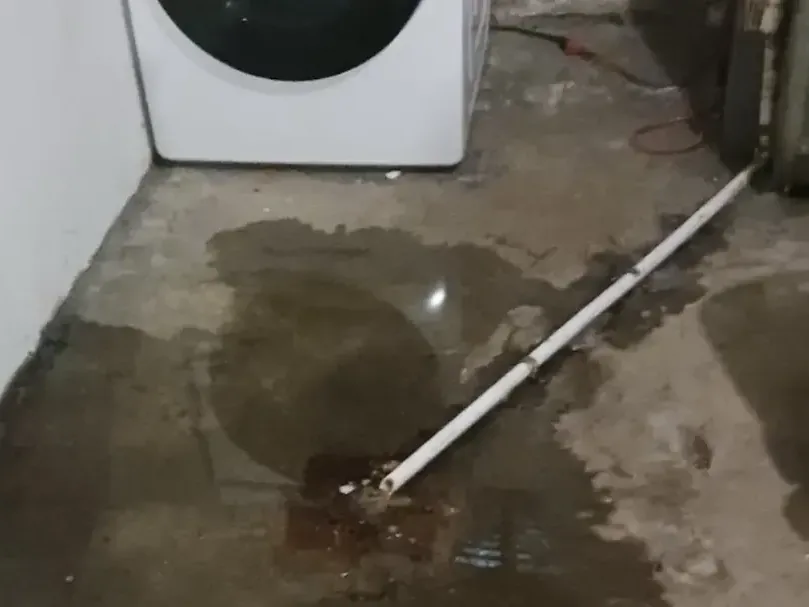
Appliance Leak Water Damage
Dishwasher and laundry leaks deserve a look beneath cabinets, appliances and joined floor coverings.
Read about appliance leak water damage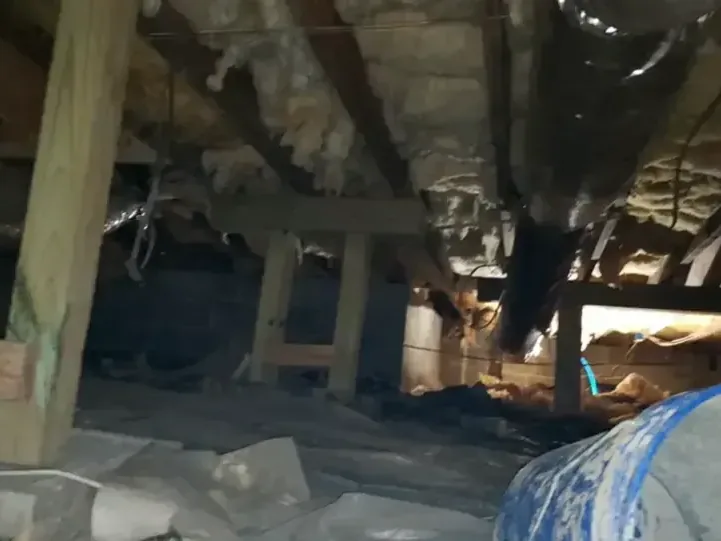
Crawl Space Water Removal
Underfloor pooling requires safe access and a plan for damp insulation, timber and ground coverings.
Read about crawl space water removal
Structural Drying
Track moisture within building materials so equipment decisions reflect the condition of the wet assembly.
Read about structural drying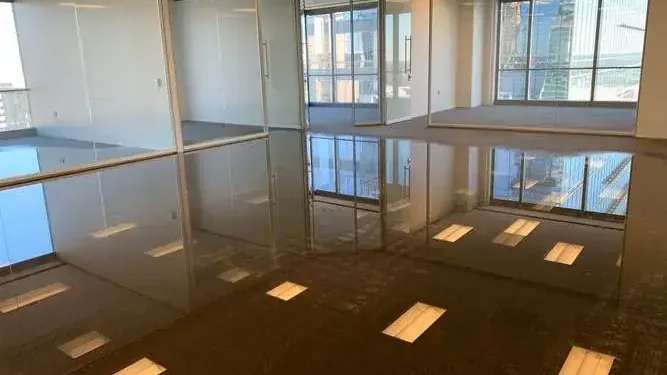
Commercial Water Damage
Organize wet work areas, stock access and drying around the practical needs of an occupied business.
Read about commercial water damage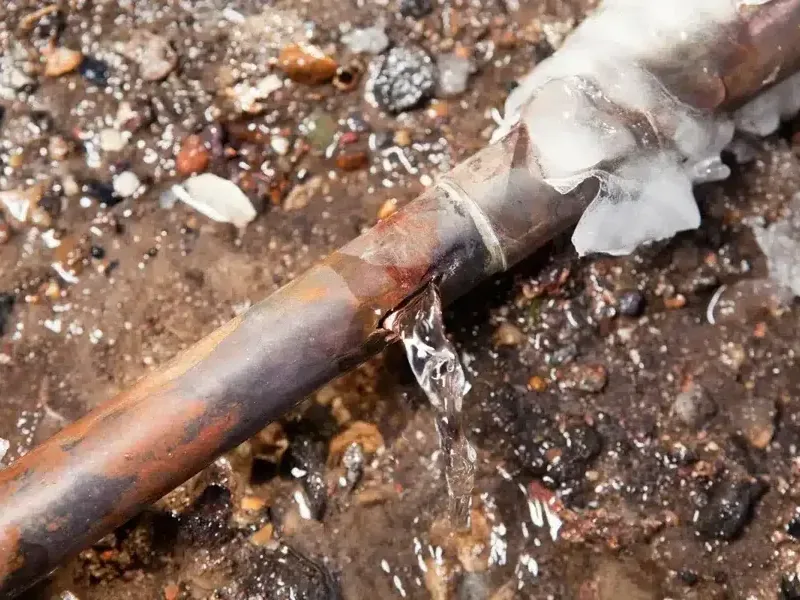
Frozen Pipe Water Damage
Water released during thawing can travel inside walls before a split pipe becomes visible.
Read about frozen pipe water damage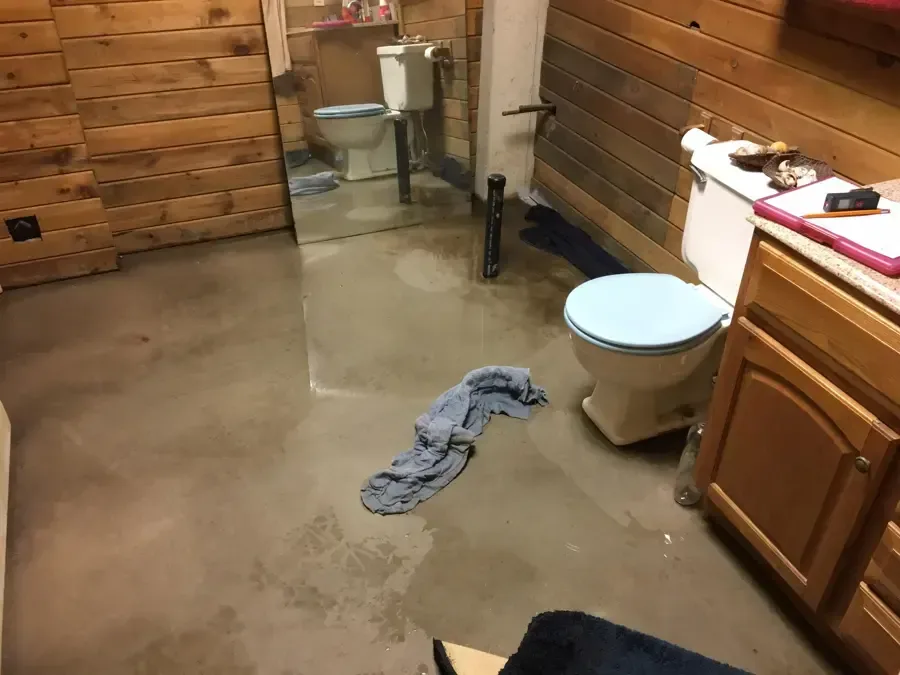
Toilet Overflow Cleanup
Keep bathroom traffic away from contaminated water and assess spill paths through thresholds and porous edges.
Read about toilet overflow cleanup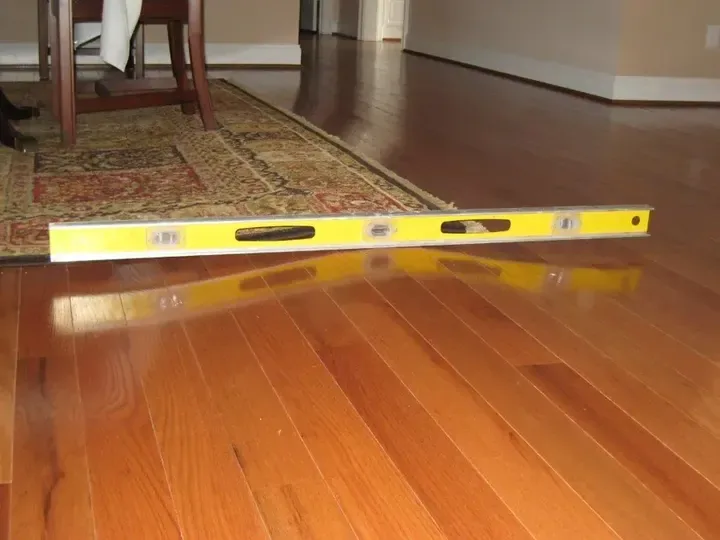
Hardwood Floor Water Damage
Inspect board movement and the layers below before choosing a drying approach or replacement scope.
Read about hardwood floor water damageHow the response protects wet materials
Visible and concealed
An assessment follows water at floor joints and wall edges, then checks accessible hidden layers where moisture can remain after the open surface looks dry.
Separate repair responsibilities
The person fixing a failed pipe or roof and the person managing wet materials need a shared understanding of what has stopped and what remains.
Material decisions explained
Sound washable surfaces, saturated padding and swollen composite boards need different treatment. Removal decisions should identify the affected material and the reason for that choice.
Progress recorded clearly
Moisture notes, room photographs and equipment changes create a useful record for the owner, property manager and any later trade returning to repair the space.
The gear a measured dry-out runs on
Water extraction
Extraction equipment removes bulk water before evaporation begins.
Controlled drying
Dehumidifiers manage the moisture air movers release from materials.
Moisture readings
Moisture meters document concealed areas as well as visible surfaces.
How the dry-out works
Define the wet footprint
Map visible water and accessible concealed moisture, including adjacent rooms that share a floor transition or a wet wall with the damaged area.
Remove what cannot stay
Extract standing water and remove unsalvageable wet material with appropriate containment, leaving recoverable building surfaces accessible for cleaning and drying.
Dry the remaining assembly
Place equipment to address the actual wet materials, with humidity management and airflow adjusted as moisture readings show how the structure responds.
Prepare a useful handoff
Record remaining repair needs and final material conditions so the next trade can plan flooring, trim or wall finishes without covering unresolved wetness.
River geography and indoor water paths
Bixby extends into Tulsa County and Wagoner County. Southtown's flood history adds an outside-water concern, while individual buildings also need practical plans for plumbing spills and hidden moisture.
Document damage as work progresses
Coverage depends on the policy and the cause of the loss. Clear photographs and written work descriptions help keep the claim discussion tied to the property.
- Photograph each wet room from safe ground
- Keep the source repair invoice available
- List damaged belongings before their disposal
- Retain cleanup estimates and payment records
- Save moisture documentation alongside progress photographs
When paying directly
An owner paying directly still benefits from a written division between urgent water removal, necessary material removal and later finish work. The estimate should show what is included before authorization.
A smaller budget should prompt a discussion of the work sequence and material options. Required contamination handling and drying checks remain part of a sound recovery plan.
Make the next action safer and more useful
- Keep the area clear. Occupants and pets should stay outside wet rooms, especially where contaminated water, sagging ceilings or electrical equipment are present.
- Stop safe supply access. An accessible shutoff may stop an indoor leak, but nobody should cross standing water to reach a valve or panel.
- Record the first signs. Photos from a dry position should show affected rooms, visible water paths and damaged belongings before anything is moved.
- Notify the responsible person. Renters should contact property management; owners should identify who can authorize access, plumbing repair and the proposed cleanup.
- Describe the entry route. The initial discussion should cover whether water came from outdoors, a drain, an appliance or an unknown concealed source.
The materials behind a finished room
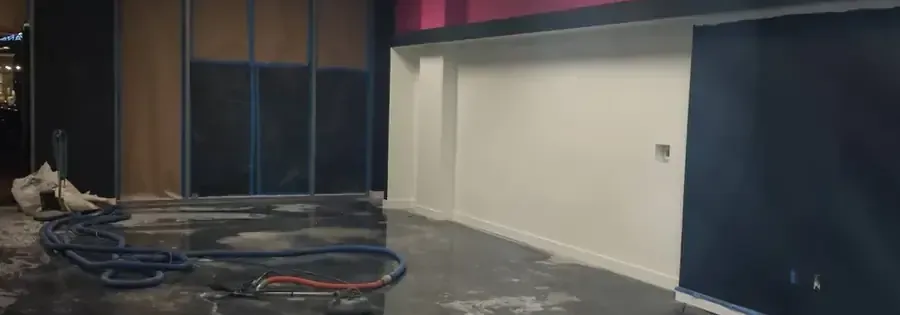
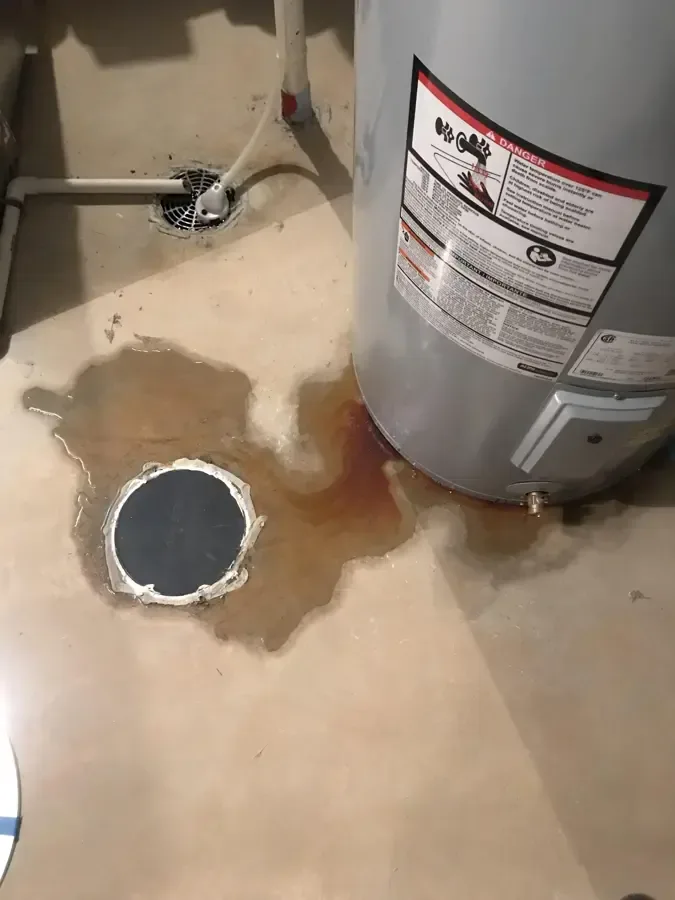
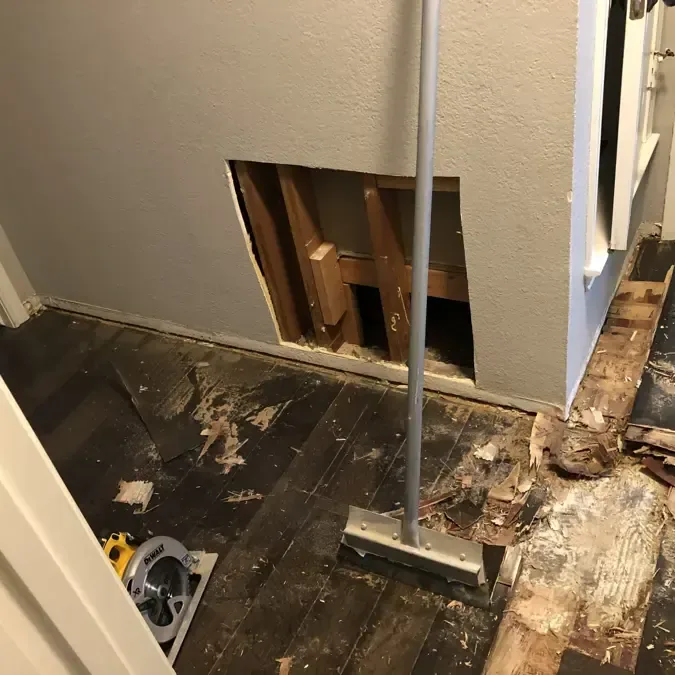
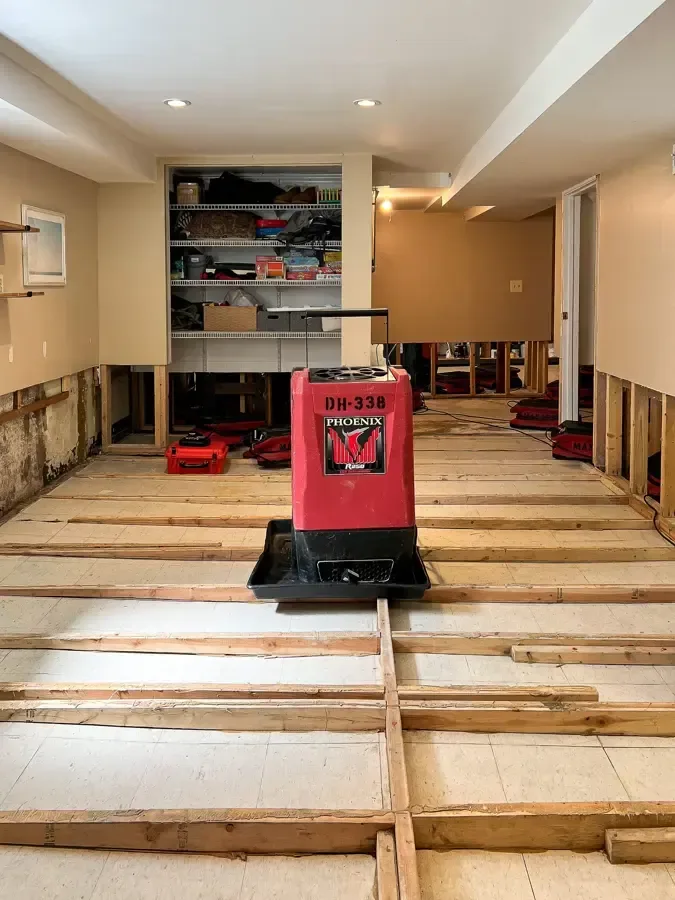
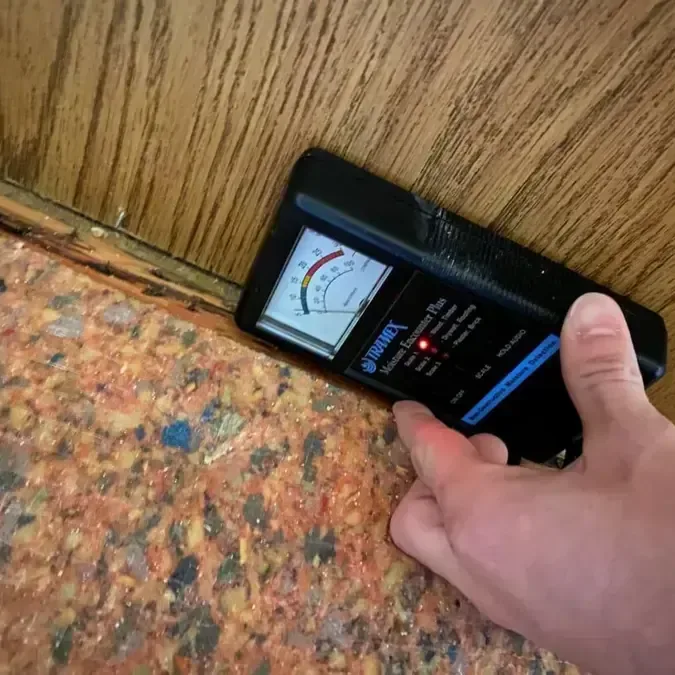
Water damage cleanup costs in Bixby
Budget ranges depend on the amount of wet material, contamination and access. A small accessible spill may fit the lower tier, while connected rooms and concealed damage require more work. An on-site assessment establishes the proposed scope and its price.
Contained wet area
$500 to $1,500
- Accessible water
- Limited materials
- Focused extraction
Connected room damage
$1,500 to $4,000
- Several surfaces
- Concealed edges
- Managed drying
Extensive material recovery
$4,000 to $10,000
- Broader removal
- Contamination handling
- Multiple assemblies
These planning ranges need a property assessment. Plumbing repairs, roof work and finish replacement should be identified separately when they fall outside the proposed cleanup.
Bixby properties on both river sides
Places to describe the location
Listed postal area
74008
Other town pages
Different water paths require different handling
Pressurized supply release
Water from a damaged indoor supply can spread behind trim while the room still appears usable. Source control comes before work on the wet assembly.
Pipe release cleanupEquipment discharge or leakage
An appliance failure may involve its supply, drainage or internal components. The actual water path determines which flooring and cabinet surfaces need access.
Appliance moisture assessmentContaminated drain water
A sewer backup needs restricted access and a deliberate cleaning plan. Absorbent materials that contacted the spill require separate assessment from intact washable surfaces.
Drain backup responseLocal history, practical property decisions
Southtown experienced major flooding in 2008 and 2015. A useful property plan combines attention to current official instructions with prompt assessment of the specific rooms and materials that became wet.
Southtown, 2008 and 2015: Past Southtown flooding included reported water entry into a resident's home. Indoor recovery after outside water requires attention to contamination as well as moisture.
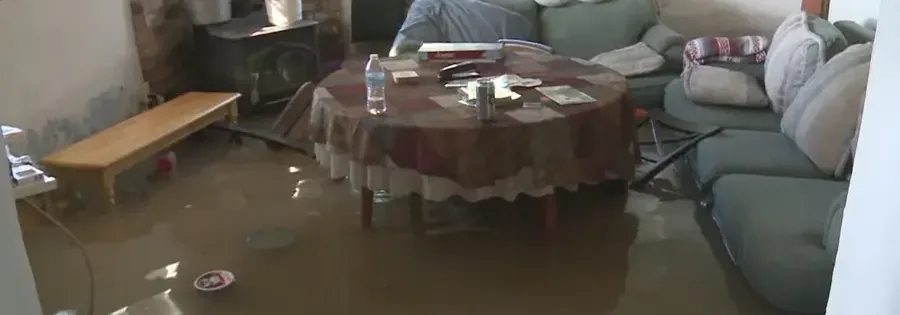
Floodwater indoors
Little Snake Creek featured in city council discussion about Southtown flooding. A home affected by outside water needs a room assessment before occupants begin moving wet belongings.
Named advisory areas
Brooks Terrace and Johns Park appeared in a city flood-impact advisory. Current access decisions should follow current official instructions and conditions at the property.
Apartments and shared spaces
Parkwood Apartments also appeared on the advisory list. In any multifamily spill, prompt management contact helps organize adjoining-unit access and decisions about shared building materials.
Commercial recovery needs
Market South Subdivision appeared in the commercial portion of the advisory. Businesses need a clear boundary between occupied areas and rooms undergoing water removal or drying.
Property map questions
The city's evacuation advisory directed residents to the FEMA Map Service Center. Property mapping and a building's actual water damage assessment answer different planning questions.
Questions after water enters a property
What information helps when arranging an assessment?
The suspected source, active water entry, affected rooms and immediate hazards are useful starting details. The owner or manager should identify who can authorize work. Photographs support the discussion, and a direct assessment establishes the material recovery needs.
Does removed standing water mean the building is dry?
Visible puddles represent only part of the moisture. Flooring layers, wall bottoms and cabinet bases can hold water after extraction. Drying decisions should follow measurements in affected materials and accessible adjoining areas. A finished surface can look normal while the material underneath still needs attention before replacement finishes are installed.
How should a renter handle a wet apartment?
The renter should notify management promptly and describe any active leak or unsafe room. Personal belongings can be documented from a safe position. Access to building cavities, shared systems and neighboring units needs coordination with the responsible manager so the cleanup scope covers the connected damage rather than a single visible patch.
Can a historical flood advisory identify today's safe route?
Current official instructions and present conditions determine access during an active event. The older city advisory names areas affected by flood concerns, including Riverview Terrace and Southtown Estates. It serves as background for planning. A cleanup appointment should account for any active restriction before anyone attempts to reach a wet building.
What determines whether flooring needs removal?
The water source, exposure, construction and condition of the installed floor all matter. Loose seams, swollen composite material and moisture trapped beneath a covering may require access or removal. Recoverable flooring needs a drying method suited to the layers underneath. A room inspection establishes the practical options before the work proceeds.
Who stops a plumbing or roof leak?
The appropriate repair trade addresses the failed source. Water damage work addresses the resulting wet building materials and contents. These activities need coordination, especially when a concealed opening gives access to both the failure and the wet assembly. The written scope should make each responsibility clear to the property owner.
Is sewage cleanup different from an ordinary spill?
Contaminated drain water needs controlled access and cleaning appropriate to the affected materials. Routine household airflow can spread contamination if used before the spill is contained. Porous items and inaccessible layers need careful assessment. People and pets should remain outside the affected room while the cleanup approach is established.
Will a claim pay for all the work?
The insurer makes the coverage decision under the actual policy and cause of loss. A property owner can preserve source information, photographs, estimates and repair invoices for that discussion. The cleanup estimate should distinguish urgent mitigation from later reconstruction so both the owner and insurer can understand the proposed work.
When can a damaged room be put back together?
Reassembly follows source correction, required cleaning and suitable moisture conditions in the materials that remain. Readings should address concealed layers as well as exposed surfaces. Once those conditions are documented, the finish trade can plan repairs around the actual assembly, including any flooring product requirements or wall components that need replacement.
Explain the building and the access point
The Arkansas River divides the city into northern and southern portions. The original town center lies south of the river, making a precise property location useful when arranging access.
A caller should describe the affected room, any access restrictions and whether utilities have been isolated. For apartments or businesses, the authorized site contact should also be identified.
Bixby, OK · [email protected]
(888) 619-9509Describe access to the wet areaStart with the water path through the property
Discuss the source, affected rooms and access so the next recovery step fits the actual damage.