Frozen Pipe Water Damage in Bixby
A pipe can release water as frozen contents thaw, with damage becoming visible away from the split. Recovery needs source isolation and a careful assessment of the cavities and floor layers reached afterward.
(888) 619-9509Describe the thaw release and affected rooms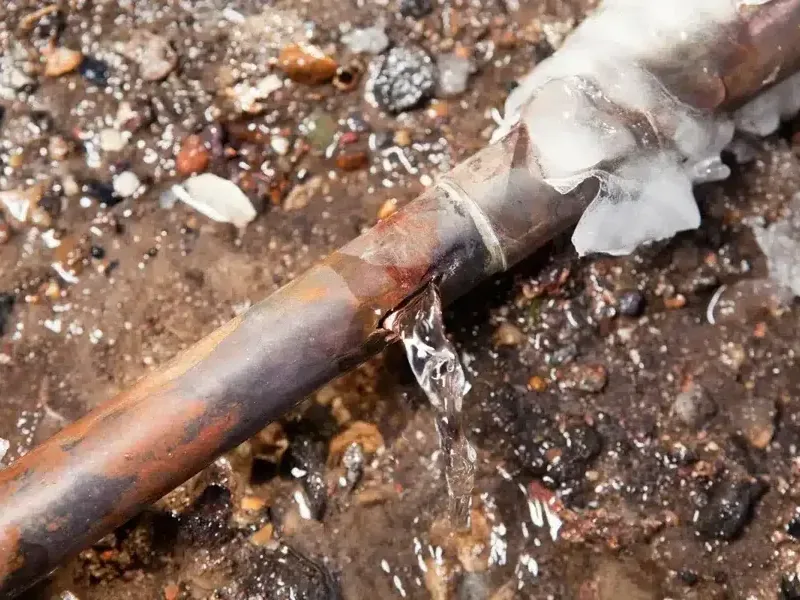
A thaw can reveal pipe damage that was hidden while water remained frozen. The first indoor sign may be a wet baseboard or a ceiling drip rather than a visible split. Frozen pipe damage assessment in Bixby follows the released water through the actual building, coordinating the plumbing findings with the walls, floors and insulation that became wet.
How frozen pipe water damage progresses
Connect the thaw and damage history
The assessment considers when water appeared, the plumbing findings and the source isolation status, then traces moisture from the repaired section into the building materials around and below it.
Expose the affected assembly
Targeted access and removal allow inspection of insulation, framing and floor layers that received the release but may remain hidden from the room.
Recover retained components
Extraction and material drying address suitable layers after source control, with measurements used to identify persistent pockets and the need for equipment changes.
Coordinate insulation and finish work
The handoff identifies removed material and remaining conditions so the plumbing repair, insulation replacement and wall or floor restoration proceed in a coherent order.
First steps for frozen pipe water damage
- 1Avoid improvised pipe heating. Occupants should avoid uncontrolled heating of damaged or concealed plumbing while the appropriate trade assesses the frozen section.
- 2Describe the thaw sequence. Report when water appeared, its exit point and whether the plumbing trade has controlled the supply failure.
- 3Watch connected room surfaces. Identify wet ceiling marks, floor seams or wall bottoms away from the visible pipe opening so the assessment follows the full release.
- 4Coordinate before cavity closure. Keep the repaired opening available for inspection so insulation and framing conditions determine the remaining drying and replacement work.
Separate thawing work from moisture recovery
The city extends into Tulsa County and Wagoner County, and the Arkansas River divides its northern and southern portions. A property's location helps identify access, while its pipe arrangement and material condition determine the indoor recovery needs. The appropriate plumbing trade should handle safe thawing and repair instead of occupants applying uncontrolled heat to concealed or damaged components.
- A frozen section may conceal a split until the ice no longer blocks flow.
- Water can travel through insulation before appearing at the bottom of a wall.
- More than one affected section may require plumbing assessment during source repair.
- Wet electrical components or sagging finishes can restrict access to the release area.
A caller from Brooks Terrace can describe when water began appearing and whether the supply has been isolated. For a property in Divine-Ellard, the same event sequence helps connect the observed damage with the repair trade's findings. The recovery scope should identify the actual wet footprint before the opened pipe area is closed.
Water appearing during a thaw needs both a pipe assessment and a building damage plan. Describe the release timing, supply status and any wet room surfaces beyond the visible failure.
(888) 619-9509Discuss the thaw-related water pathCheck where the released water collected
A stopped pipe leak can leave wet insulation inside an exterior wall or moisture beneath a floor covering. The assessment needs to follow those paths, including adjoining rooms and cavities below the failed section. A repair opening provides useful access, but the affected material may extend beyond the area required to replace the pipe.
- Establish safe supply isolation and the plumbing repair status.
- Connect the thaw-related release with visible and concealed wet materials.
- Remove accessible liquid and open damaged layers where recovery requires access.
- Track retained material moisture before closing the wall or replacing flooring.
Burst pipe recovery describes related concerns once water is released under pressure. For a thaw-related loss, the record should also capture any continuing source checks requested by the plumbing trade so drying is not undermined by another concealed release after the first repair.
Safe access comes first
The restoration crew checks electrical exposure, overhead stability and the water source before entering the wet area. Occupants keep clear of sagging ceilings and contaminated floors. A qualified professional isolates affected circuits from a dry location. These checks precede extraction because standing water can conceal damage that a surface inspection misses.
Restore the assembly in a coordinated sequence
Drying equipment needs a safe, controlled environment and access to suitable retained components. Wet insulation or damaged coverings can prevent it from reaching the materials that matter. Removal decisions should explain the condition and purpose, while the owner receives a clear description of what will need replacement after the drying work.
Increasing room heat without assessing the source and assembly can leave the underlying problem unresolved. Recovery should instead connect source control, material access and humidity management. Structural drying uses readings to track the condition of retained wood, wall and floor components as that process continues.
- Keep plumbing repair findings with the discovery photographs.
- Record wet cavities exposed while the split component is accessed.
- Identify remaining insulation and finish replacement needs clearly.
- Check connected floor and ceiling areas before reducing the scope.
The repair handoff should describe both the corrected pipe and the building materials left around it. That allows the owner to coordinate insulation, wall closure and finish work without treating a restored water supply as the end of the damage recovery.
What does frozen pipe water damage cost in Bixby, OK?
Frozen pipe water damage costs in Bixby depend on the release path, concealed material access and connected wet areas. The recovery ranges distinguish limited thaw damage from several affected assemblies, with pipe repair and finish reconstruction described separately.
Contained thaw release
$1,200 to $2,200
- Localized extraction
- Accessible repair
- Limited materials
Wet wall and floor layers
$2,200 to $4,000
- Insulation access
- Floor moisture
- Cavity drying
Multiple concealed areas
$4,000 to $6,000
- Connected releases
- Broader openings
- Assembly monitoring
These planning ranges are estimate only. Water category, affected area, material class and the delay before extraction change the scope. The water damage cost calculator explores those variables.
Careful decisions for frozen pipe water damage
Rapid local response
The response team assesses active water, access and source control during 24/7 dispatch. Arrival depends on current conditions and the work required at the property.
IICRC S500 drying standard
The drying technician compares wet assemblies with suitable dry references and adjusts dehumidification to the material load. A dry surface alone does not close the job.
Claim-ready documentation
The mitigation team records initial damage, material decisions, equipment and daily readings. The property owner retains a clearer account of the loss for the insurance review.
Local water experts
The contractor checks the actual building and the reported source before choosing a method. Indoor supply releases, contaminated outside water and backed-up drains require different handling.
Frozen pipe water damage in Bixby
Thaw-related pipe damage can be assessed around Saker and Southwood South, with the supply isolation status and concealed room connections discussed before access and recovery work are planned.
The same service nearby: frozen pipe water damage in Sand Springs, Oakhurst, Owasso.
Related water damage services in Bixby
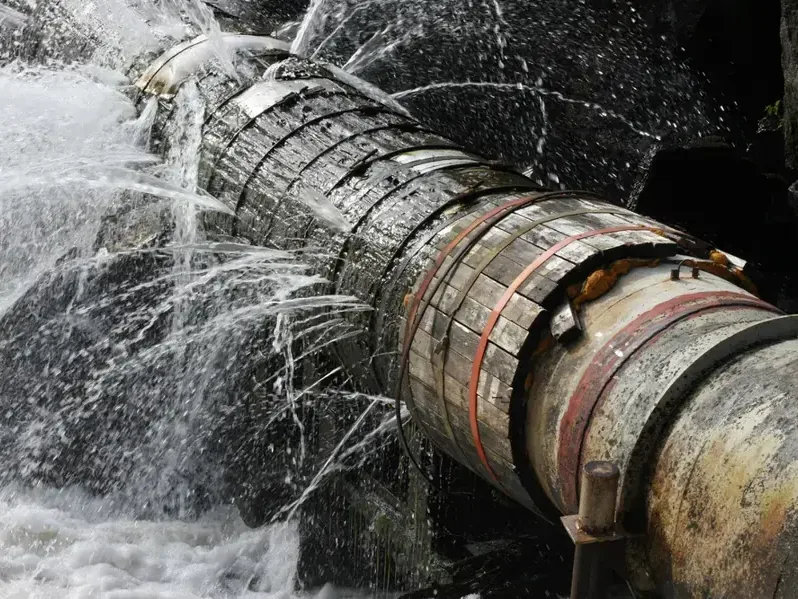
Burst Pipe Water Damage in Bixby
A stopped pipe release still leaves wet cavities that need measured drying and documented access.
Read about burst pipe water damage ›
Structural Drying in Bixby
Material readings direct dehumidification until the assembly reaches a defensible drying goal.
Read about structural drying ›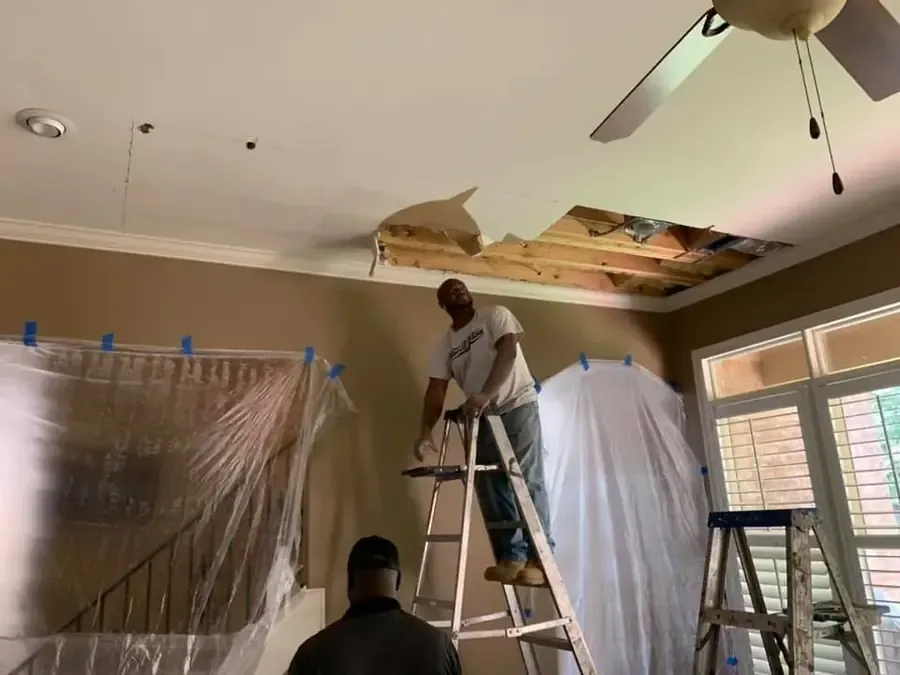
Ceiling Leak Water Damage in Bixby
Overhead water requires safe access to the source before damaged ceiling materials come down.
Read about ceiling leak water damage ›Frozen Pipe Water Damage questions in Bixby, OK
Can a pipe start leaking only after thawing begins?
A frozen section can temporarily block water at a damaged area, with leakage appearing as the ice changes. The plumbing trade should assess and repair the affected supply. Cleanup then follows where the released water traveled, including hidden cavities that may have become wet before any puddle appeared in the room.
Should a homeowner use strong heat to thaw the pipe?
Improvised heating around damaged or concealed plumbing can create hazards. The pipe needs assessment for safe pressure and operation after thawing. The appropriate trade should handle source correction, while occupants avoid unsafe water and describe visible damage so the resulting material recovery can be coordinated with the plumbing work.
Why inspect beyond the repaired split?
The opening needed for plumbing repair may be smaller than the area reached by the released water. Moisture can move through insulation, wall cavities and floor joints before becoming visible. Checking those connections helps define the recovery scope and prevents closure of the repaired area while adjoining components still need drying or removal.
Does restored water flow mean the damage is resolved?
Restored service addresses the plumbing function, while wet building materials need their own recovery assessment. Insulation, wallboard and floor layers can remain affected after the pipe is repaired. The owner should have a clear account of both the source correction and the material conditions before replacing finishes around the repaired section.
Can there be another concealed release after the first repair?
The plumbing assessment should determine whether additional affected sections require attention. If new wetness appears, the source needs renewed investigation before drying is judged complete. Cleanup notes should identify the changing material conditions and connect them with any further repair findings, keeping the scope tied to the actual building event.
Why might wet insulation be removed from the wall?
Its condition or exposure may prevent effective recovery, and it can block access to retained framing or wall surfaces. The material assessment should explain that decision and the replacement need. Removal allows the remaining assembly to be inspected and dried appropriately before insulation and finishes close the cavity again.
Is increasing the thermostat enough to dry the damage?
Heat alone does not address concealed access, continuing water entry or humidity released from wet material. A drying plan considers the full assembly and the indoor environment together. Measurements help determine whether retained components are improving and whether equipment or openings need adjustment before reconstruction can proceed over the affected area.
What should be saved from a thaw-related loss?
Discovery photographs, plumbing repair findings and notes about when water appeared help establish the event. Material records should show wet cavities, removed insulation and drying observations. Keeping those items together gives the owner and insurer a useful account of the source correction and the building recovery without relying solely on the final appearance.
Coordinate the repaired pipe and the wet cavity
Arrange an assessment of concealed material damage before insulation, wall finishes or flooring close the affected assembly again.
(888) 619-9509Request frozen pipe damage recovery