Frozen Pipe Water Damage in Sand Springs, OK
A thaw can reveal a split supply pipe and release water into walls or floors. Sand Springs restoration personnel trace the resulting moisture after a plumbing professional controls the damaged section.
(888) 619-9509Discuss the thaw-related water release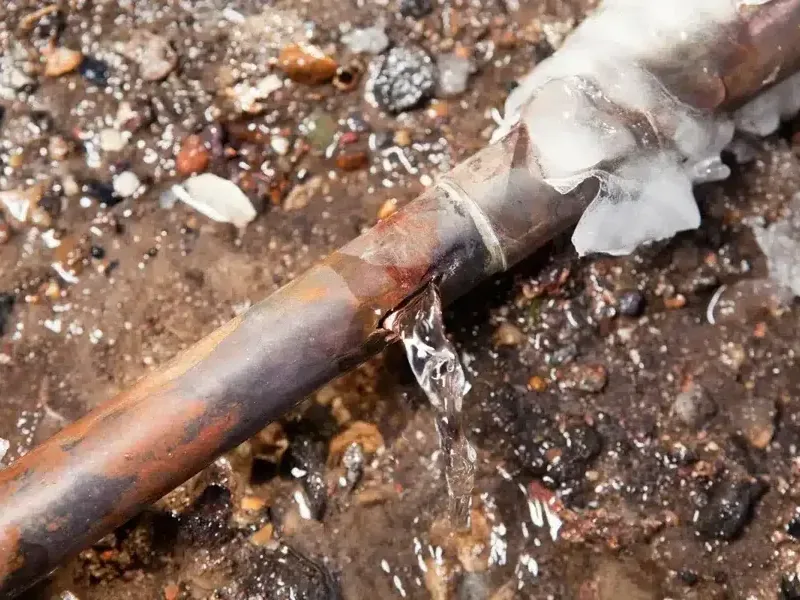
Frozen-pipe water damage becomes visible when a split or failed connection releases water, sometimes as ice begins to thaw. The restoration assessment follows that release into the building. Ice disrupted power at the Sand Springs water treatment plant. When a home loses heat, the plumbing inspection checks vulnerable supply sections, while moisture readings locate wet materials around any failed connection.
How frozen pipe water damage progresses
Assess the thaw loss
The plumber evaluates the supply failure while restoration personnel map water movement through adjacent cavities and flooring. The inspection records temperature-related conditions and any additional supply concerns identified before the plumber restores normal pressure.
Extract and expose
The crew removes bulk water and identifies wet insulation or damaged finishes that prevent effective drying of the structure.
Control drying conditions
The technician balances air movement, dehumidification and suitable room conditions while tracking how the actual materials respond.
Confirm both milestones
Source-repair findings and final material readings establish separate plumbing and restoration outcomes before the repair trade closes the assembly.
First steps for frozen pipe water damage
- 1Avoid improvised thawing. The household leaves damaged or inaccessible piping to a plumbing professional and avoids flame or unsafe heating methods.
- 2Control supply safely. An accessible shutoff may limit the release when the route is dry and operation is safe.
- 3Keep wet electrical areas clear. Occupants avoid water near outlets, fixtures and equipment until a qualified professional assesses the circuits.
- 4Record the sequence. Notes about loss of pressure, thawing and new water help distinguish the source timeline from later drying work.
Controlling the release after freezing
A plumbing professional evaluates the affected supply and checks for additional damage before returning it to normal service. Occupants avoid open flames or improvised heating on frozen pipes. Restoration personnel confirm the source status and establish the wet boundary. A house in Prattville or a property along Morrow Road may route water differently from a RiverWest utility room.
- The owner notes when pressure changed and when water first appeared.
- The plumber checks the failed section and other relevant exposed connections.
- The technician inspects cavities and floor layers below the release.
- The crew evaluates wet wiring, ceiling fixtures and overhead materials before entry.
A thawing pipe does not automatically release water at its most visible cold spot. Pressure and the supply layout can affect where failure occurs. Source testing belongs to the plumbing trade, while moisture mapping establishes the restoration scope. The plumber documents the repaired connection, and the drying crew uses that location to trace water through adjoining cavities.
A frozen section may hide more than one damaged connection. The plumbing assessment establishes source control while restoration checks the rooms and cavities that received water during thawing.
(888) 619-9509Discuss the thaw-related water releaseDrying winter-wet insulation and framing
Cold conditions can complicate evaporation and equipment operation. The drying team checks room temperature, humidity and material response before selecting the setup. Wet insulation can block inspection and retain water against framing, so the contractor evaluates whether it can remain. A wall that feels cold is not necessarily wet, and a warmer wall is not necessarily dry.
- Record the source repair and initial water footprint before opening finishes.
- Extract free water from floors and remove unsalvageable saturated layers.
- Establish access and controlled conditions for drying the affected cavity.
- Track wood and wall readings as temperatures and equipment conditions change.
The National Weather Service provides weather information useful for preparing for cold conditions. The plumbing inspection identifies damage at the actual property. The restoration record should describe observed wet materials and plumbing findings rather than attributing every winter stain to a frozen pipe.
Safe access comes first
The restoration crew checks electrical exposure, overhead stability and the water source before entering the wet area. Occupants keep clear of sagging ceilings and contaminated floors. A qualified professional isolates affected circuits from a dry location. These checks precede extraction because standing water can conceal damage that a surface inspection misses.
Verifying source repair and drying separately
Restoring water pressure tests the plumbing milestone. The surrounding building still needs readings that demonstrate drying progress. The contractor checks wall plates, joists, floor transitions and other affected points before repair work closes them. The EPA WaterSense program offers general leak and water-use information that complements, but does not replace, a property inspection.
The insurance file should distinguish the reported freezing circumstances, source repair and resulting material damage. Photos, a room map and daily equipment records help explain what occurred. Policy requirements determine coverage; neither cold weather alone nor a restoration invoice determines an insurer's response.
- Plumbing findings identify the actual split, connection failure or other source.
- Initial photographs preserve damage before heating and removal change its appearance.
- Drying logs record material response alongside relevant room conditions.
- Final notes list remaining insulation, wall or floor repairs before closure.
The Box District and nearby service areas include buildings with different access and occupancy needs. The response team confirms those details during assessment. The inspection records the pipe location, insulation condition and available access so the drying crew can reach wet cavities without disturbing unaffected rooms.
What does frozen pipe water damage cost in Sand Springs, OK?
Frozen-pipe water restoration often ranges from $1,200 to $6,000, excluding plumbing repair. Concealed releases, wet insulation, cold drying conditions and damage across several rooms can expand the scope beyond an exposed pipe-area spill.
Contained thaw release
$1,200 to $2,200
- Source coordination
- Extraction
- Initial moisture map
Wet wall and floor layers
$2,200 to $4,000
- Cavity access
- Insulation decisions
- Controlled drying
Multiple concealed areas
$4,000 to $6,000
- Broader material assessment
- Equipment adjustments
- Repair record
These planning ranges are estimate only. Water category, affected area, material class and the delay before extraction change the scope. The Sand Springs water damage cost calculator explores those variables.
Careful decisions for frozen pipe water damage
Rapid local response
The response team assesses active water, access and source control during 24/7 dispatch. Arrival depends on current conditions and the work required at the property.
IICRC S500 drying standard
The drying technician compares wet assemblies with suitable dry references and adjusts dehumidification to the material load. A dry surface alone does not close the job.
Claim-ready documentation
The mitigation team records initial damage, material decisions, equipment and daily readings. The property owner retains a clearer account of the loss for the insurance review.
Local water experts
The contractor checks the actual building and the reported source before choosing a method. Indoor supply releases, contaminated outside water and backed-up drains require different handling.
Frozen pipe water damage in Sand Springs
Coverage includes Prattville, the Box District and RiverWest, with ZIP 74063. The response team confirms access, the water source and the affected rooms before planning equipment.
Nearby service areas include Mannford, Oakhurst, Sperry, Owasso and Bixby.
Related water damage services in Sand Springs
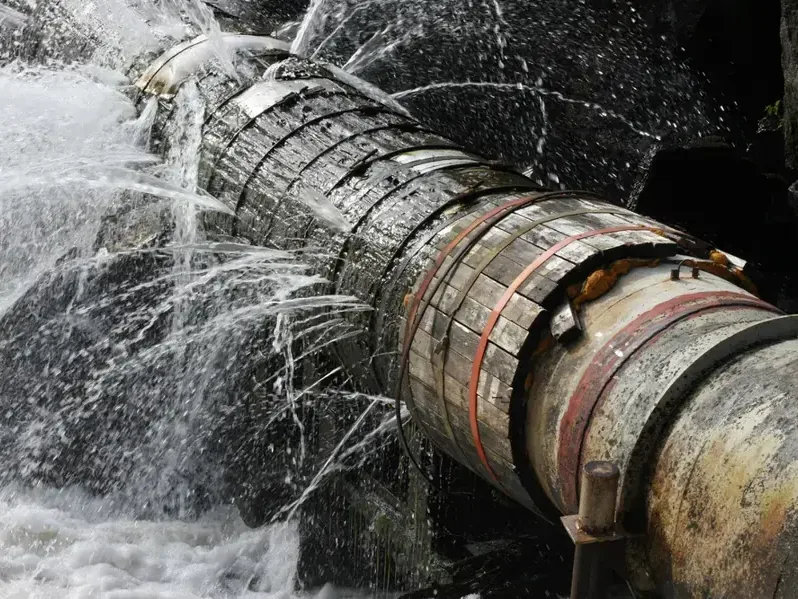
Burst Pipe Water Damage
A stopped pipe release still leaves wet cavities that need measured drying and documented access.
Read about burst pipe water damage ›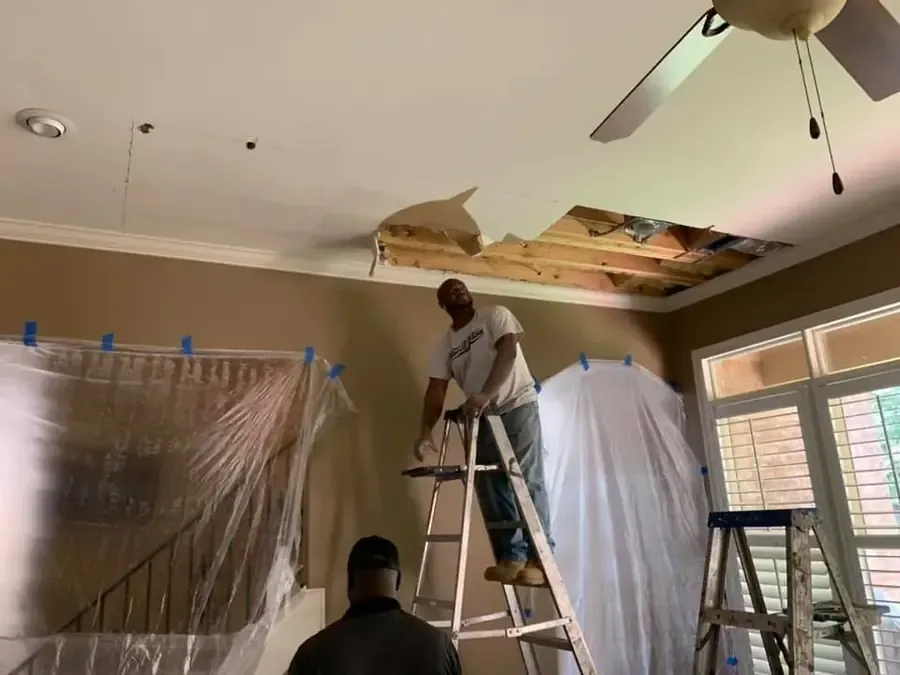
Ceiling Leak Water Damage
Overhead water requires safe access to the source before damaged ceiling materials come down.
Read about ceiling leak water damage ›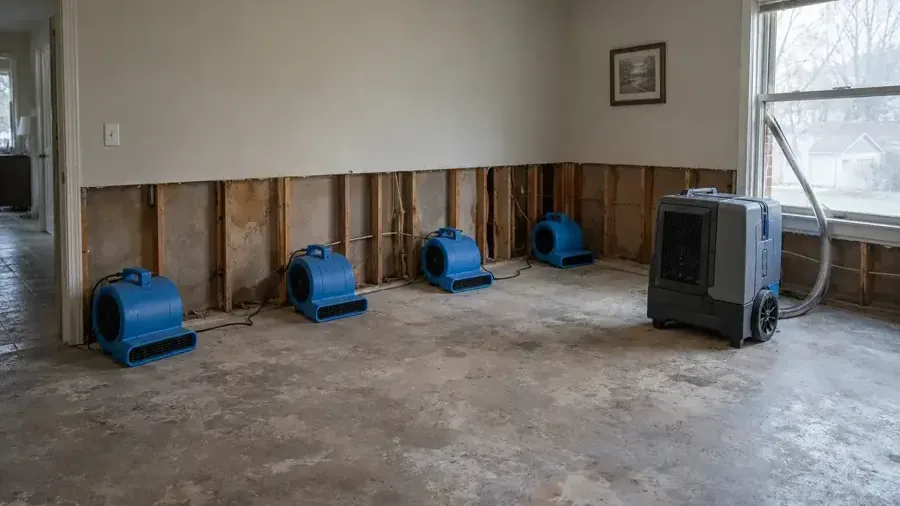
Structural Drying
Material readings direct dehumidification until the assembly reaches a defensible drying goal.
Read about structural drying ›Frozen Pipe Water Damage questions in Sand Springs, OK
Can a frozen pipe leak only after the temperature rises?
Yes. Ice can temporarily restrict flow through a damaged section, and thawing can reveal the release. The plumbing professional checks the actual failure and related supply components. Restoration personnel then map the resulting water damage rather than assuming that the first visible drip describes the whole affected area.
Should a homeowner use a flame to thaw the pipe?
No. Open flames and improvised heating create hazards around concealed building materials and utilities. The plumbing trade assesses the pipe and a safe corrective method. Occupants should focus on safe source control and keeping clear of wet electrical areas rather than trying to heat an inaccessible damaged section.
Does every winter pipe failure involve freezing?
No. Connections and pipe components can fail for other reasons during cold weather. The plumber establishes the cause from the actual system. The restoration record should preserve those findings and describe the wet materials without turning the season or a neighborhood location into proof of a frozen-pipe mechanism.
Why does cold weather affect drying?
Temperature and humidity influence evaporation and equipment performance. The drying technician checks those conditions alongside material readings and adjusts the plan accordingly. Strong airflow alone may not create suitable drying conditions. The record should show the response of wet wood, wall layers and flooring, not just a warmer room.
Can insulation dry inside an unopened wall?
That depends on material type, saturation, contamination and access. Insulation can retain moisture against framing or block inspection, which may justify removal. The contractor should explain the decision from the observed assembly. Closing the pipe opening immediately can leave wet layers concealed if no moisture assessment follows.
What should the insurer receive?
Useful records include the plumbing diagnosis, the reported timeline, safe initial photos and the restoration moisture map. Equipment and material-removal records explain the scope. The insurer applies the policy, including any relevant conditions, so the contractor's documentation supports review without promising coverage for the pipe or resulting damage.
How can the owner tell drying is progressing?
The technician should revisit consistent material measurement points and compare them with suitable dry references. Air conditions and equipment records add context. If readings stall, the team reviews access and capacity. A room that feels warmer or a floor that looks dry does not independently establish progress inside concealed assemblies.
When can finishes be restored?
The plumber first confirms source correction, and the restoration team documents the retained materials at the drying goal. The repair trade then evaluates insulation, board and flooring requirements. The handoff should distinguish completed drying from repairs still needed so unresolved moisture does not disappear behind new finishes.
Check the wet assembly after the pipe thaws
The 24/7 assessment follows water into insulation, framing and flooring, keeping safe source repair distinct from the drying work.
(888) 619-9509Arrange checks after a thawing pipe leak