Storm Flood Cleanup in Sand Springs, OK
Storm flood cleanup in Sand Springs follows the route of outside water into the building. The crew evaluates contamination, removes trapped liquid and sediment, and dries recoverable structural materials.
(888) 619-9509Discuss outside water entering the building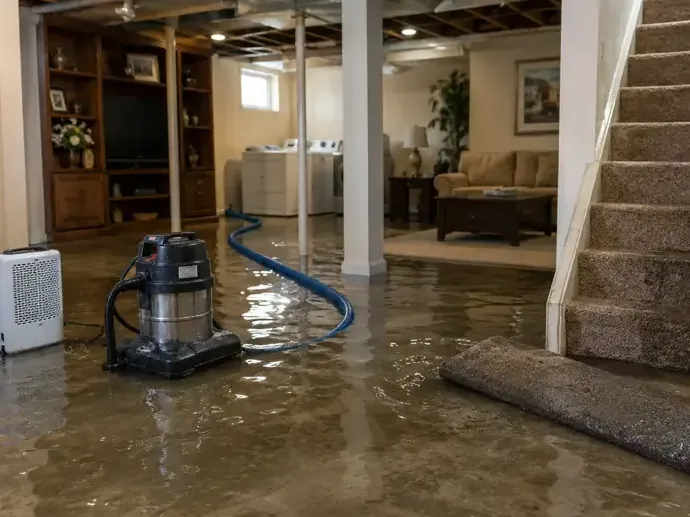
The Arkansas River flooding in May 2019 affected Sand Springs and surrounding areas. Current parcel mapping and the building inspection provide the information needed for property-specific flood questions. The restoration assessment begins with where outside water entered and what it contacted. Prattville, RiverWest and the Box District remain distinct locations whose individual buildings require their own inspection.
How storm flood cleanup progresses
Assess the entry
The contractor checks safe access, contamination and the path of water through the building before selecting pumps and removal methods. Entry observations preserve the distinction between runoff, river water and any separate roof or supply leak.
Extract and clear
The crew removes water and sediment, then evaluates contaminated porous materials and the route for controlled disposal.
Clean remaining surfaces
Recoverable assemblies receive cleaning and suitable treatment before air movement begins across the exposed structural material.
Track structural recovery
The technician follows moisture readings in framing, subfloor and dense surfaces, documenting the conditions needed for later repairs.
First steps for storm flood cleanup
- 1Respect access restrictions. Residents wait for safe entry and avoid floodwater around electrical equipment, damaged structures or blocked routes.
- 2Limit contact. Occupants keep children and pets away from outside water and avoid carrying contaminated belongings through clean rooms.
- 3Record safely. Photos from a dry location preserve water height, entry points and contents without requiring entry into the flooded space.
- 4Separate source questions. The team identifies outside entry and any simultaneous plumbing release before setting the restoration scope.
Outside water changes the material decision
Runoff and river water can carry soil, debris and contaminants into rooms. The crew treats that exposure differently from a newly broken clean supply pipe. Pumping lowers the visible water level, but contamination can remain in pad, insulation and porous wall materials. The contractor identifies those layers before setting ordinary drying equipment.
- The entry route helps establish whether water came through a door, low opening or damaged envelope.
- The water-contact boundary may extend above a visible stain through absorption and concealed movement.
- Electrical and structural assessments determine whether workers can safely enter the affected space.
- Porous materials exposed to contaminated outside water require careful removal decisions.
Occupants should follow official access restrictions and avoid driving or walking through floodwater. The response team confirms conditions at the property rather than assuming a road or room is safe because the rain has stopped. A changing outside water level can also alter the sequence of pumping and entry.
Outside water can leave contamination beneath a floor that looks clear after pumping. The team checks the entry route, affected materials and safe access before choosing the cleanup sequence.
(888) 619-9509Discuss outside water entering the buildingCleaning sediment before drying the structure
The extraction operator selects pumps and tools for water volume and debris. The cleanup crew then removes sediment and contaminated porous layers through a controlled route. Recoverable exposed surfaces need cleaning before appropriate antimicrobial treatment. Product directions, including dwell time, determine application rather than the intensity of an odor.
- Document the water path, affected height and visible debris before cleanup changes the scene.
- Separate salvageable hard contents from contaminated porous items requiring disposal.
- Remove wet material with containment that protects unaffected rooms and routes.
- Inspect remaining framing and subfloor before setting the drying system.
The EPA flooded-home information explains the importance of material and contamination decisions after inundation. Roof-entry rain can require a different response from runoff that crosses soil and enters a doorway. The source and contact history, rather than the word storm alone, establish the handling plan.
Safe access comes first
The restoration crew checks electrical exposure, overhead stability and the water source before entering the wet area. Occupants keep clear of sagging ceilings and contaminated floors. A qualified professional isolates affected circuits from a dry location. These checks precede extraction because standing water can conceal damage that a surface inspection misses.
Drying after the flood and preparing the record
Once cleaning and necessary removal finish, the technician measures remaining wood, concrete and wall materials. Dehumidifiers control indoor moisture while air movers support evaporation from exposed surfaces. Repeated readings reveal whether a covered edge or dense assembly needs more access. The team records changes instead of ending equipment use when the room first feels comfortable.
The owner can consult FEMA flood maps for parcel mapping questions and contact the insurer about policy coverage. Outside floodwater is not automatically treated like a sudden indoor pipe loss. Photos, a room-by-room scope and material disposal records help preserve the distinctions for review.
- Source observations distinguish runoff, river entry and envelope leakage.
- Removal records document contaminated floor and wall layers.
- Drying logs show the condition of materials that remain in the structure.
- Repair planning follows moisture results and any required building evaluation.
What does storm flood cleanup cost in Sand Springs, OK?
Storm flood cleanup can range from $3,000 to $12,000 or more when contamination and demolition extend through several rooms. Sediment, porous-material removal, access and dense wet assemblies create a different scope from a contained indoor spill.
Limited outside entry
$3,000 to $5,000
- Controlled extraction
- Contact assessment
- Initial cleaning
Several contaminated rooms
$5,000 to $8,000
- Porous removal
- Surface treatment
- Structural drying
Extensive wet assemblies
$8,000 to $12,000
- Greater disposal volume
- Difficult access
- Detailed monitoring
These planning ranges are estimate only. Water category, affected area, material class and the delay before extraction change the scope. The Sand Springs water damage cost calculator explores those variables.
Careful decisions for storm flood cleanup
Rapid local response
The response team assesses active water, access and source control during 24/7 dispatch. Arrival depends on current conditions and the work required at the property.
IICRC S500 drying standard
The drying technician compares wet assemblies with suitable dry references and adjusts dehumidification to the material load. A dry surface alone does not close the job.
Claim-ready documentation
The mitigation team records initial damage, material decisions, equipment and daily readings. The property owner retains a clearer account of the loss for the insurance review.
Local water experts
The contractor checks the actual building and the reported source before choosing a method. Indoor supply releases, contaminated outside water and backed-up drains require different handling.
Storm flood cleanup in Sand Springs
Coverage includes Prattville, the Box District and RiverWest, with ZIP 74063. The response team confirms access, the water source and the affected rooms before planning equipment.
Nearby service areas include Mannford, Oakhurst, Sperry, Owasso and Bixby.
Related water damage services in Sand Springs
Sewage Backup Cleanup
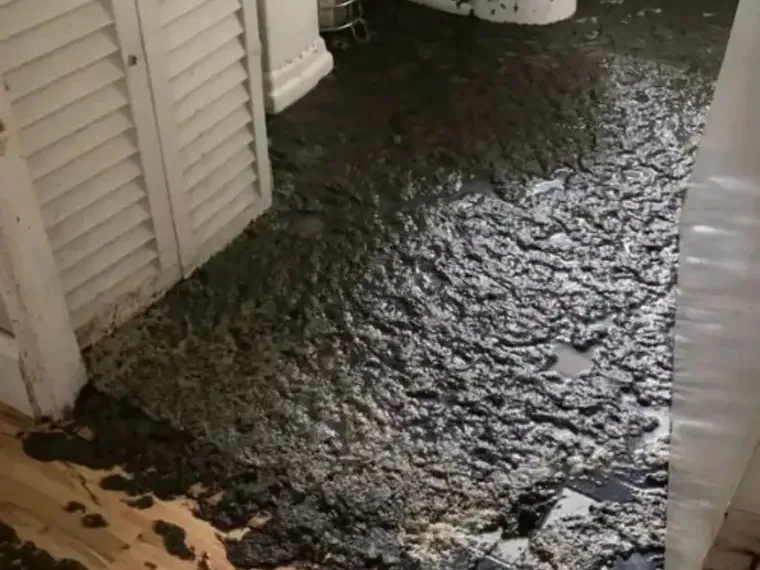
Contaminated drain water calls for controlled removal, cleaning and disposal of affected porous materials.
Read about sewage backup cleanup ›
Roof Leak Water Damage
Attic insulation and ceiling layers need inspection after rain enters the roof assembly.
Read about roof leak water damage ›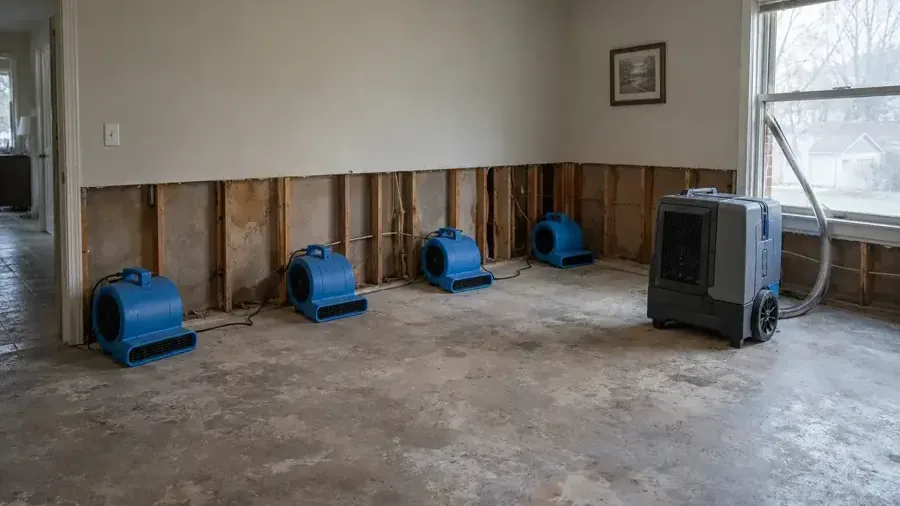
Structural Drying
Material readings direct dehumidification until the assembly reaches a defensible drying goal.
Read about structural drying ›Storm Flood Cleanup questions in Sand Springs, OK
Does a past river flood prove the present property is in a flood zone?
No. The May 2019 event documents regional history, not the mapping of every parcel. Current flood-map products and property-specific information answer that question. Restoration personnel still inspect the source, entry point and contacted materials at the actual building before deciding how the water loss should be handled.
Why not start fans immediately?
Air movement across untreated contamination can spread material into cleaner areas. The crew first assesses the water source, removes contaminated porous layers and cleans recoverable surfaces. Drying then addresses the remaining assembly. The sequence differs from a small fresh supply leak because outside water can bring sediment and other contaminants indoors.
Can flooring stay after floodwater contact?
Material type, contamination and the layers beneath the finish determine the answer. Some hard surfaces may remain recoverable after appropriate cleaning, while porous pad, insulation and other contacted materials require removal. The contractor checks the entire assembly rather than judging salvage from the visible top surface alone.
Is stormwater the same as a roof leak?
A roof leak describes rain entering through the envelope, while floodwater often travels across soil or other outside surfaces first. That contact history matters. The assessor may also find both sources during one storm. Separate records help explain which materials were affected by each path and what handling each requires.
What does the cleanup estimate include?
A clear scope separates pumping, extraction, sediment removal, disposal, surface cleaning and structural drying. Reconstruction and source repairs may be separate. The affected area, water category, material class and safe access all change cost. Photographs and room measurements help the owner understand the proposed quantities.
Does ordinary homeowners coverage include outside flooding?
The policy and any separate flood coverage determine the insurer's response. The owner should describe the actual entry route and retain photos before cleanup. The insurer evaluates coverage using the policy and reported source. The contractor supplies material and moisture records while the insurer evaluates the source and applicable terms.
How long does the dry-out take after cleanup?
The remaining material load, exposure, humidity and equipment determine the period. Dense concrete and enclosed layers can take longer than exposed wall surfaces. The technician follows comparable readings over time instead of applying a fixed date to every flooded building. Cleaning and removal also precede that monitored drying stage.
What should remain in the repair handoff?
The owner should receive the moisture record, a list of removed materials and notes about unresolved source or structural issues. Flooring and reconstruction trades may need their own acceptance tests. The handoff should make clear which areas reached the drying goal and which decisions still require a separate qualified assessment.
Plan recovery after stormwater enters
The 24/7 assessment separates floodwater contact, electrical hazards and wet structural materials so cleanup decisions follow the actual loss.
(888) 619-9509Arrange the floodwater cleanup assessment