Structural Drying in Sand Springs, OK
Structural drying in Sand Springs follows moisture inside the building materials. The drying team balances air movement and dehumidification, checks progress and documents the condition before repairs conceal the assembly.
(888) 619-9509Discuss readings for the wet assembly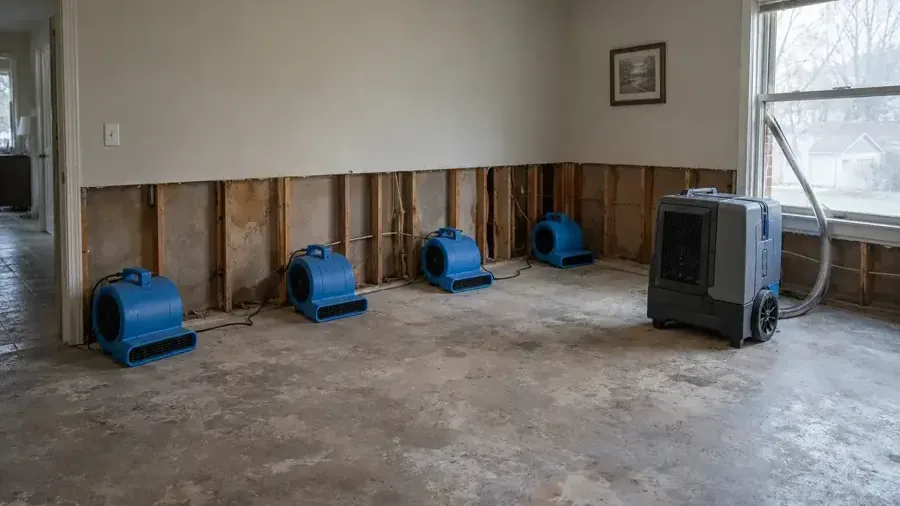
Structural drying addresses water that remains after extraction. The goal is not simply a comfortable room or a dry paint surface. The technician identifies the wet materials, selects suitable measurement methods and compares the affected assembly with a dry reference. A Prattville house, RiverWest shop and Box District building each need a plan based on what the inspection actually finds.
How structural drying progresses
Measure the starting condition
The technician maps affected materials, records suitable dry references and identifies the access needed to reach hidden moisture. The record states instrument and material context so later measurements compare the same type of moisture reading.
Set a balanced system
Air movers and dehumidification address the evaporation load together, with electrical capacity and room use considered during placement.
Review material response
Consistent measurement points reveal progress and guide changes to equipment, access or the drying approach when results stall.
Document the handoff
Final readings and material notes support reconstruction while identifying any separate flooring tests or source repairs still required.
First steps for structural drying
- 1Confirm source control. The team checks that plumbing or exterior water entry no longer feeds the assembly before setting a drying goal.
- 2Leave equipment settings coordinated. Occupants discuss noise and access needs with the contractor before switching machines off or changing their placement.
- 3Protect the drying zone. The work area remains arranged as agreed so uncontrolled outdoor air or room changes do not undermine the setup.
- 4Report new wetness. Fresh staining, a returning puddle or equipment interruption should reach the contractor before the next scheduled reading.
Building a moisture map before equipment placement
The assessor records wet floor layers, wall bases, framing and other accessible assemblies. Readings at repeatable locations help show whether the loss is shrinking or whether a concealed area still holds moisture. Thermal images can direct attention to suspect patterns, but the technician confirms them with appropriate material measurements.
- Water category establishes contamination handling before ordinary drying begins.
- Material class and exposed surface area help determine the evaporation load.
- Dry reference readings provide context for wood and other comparable materials.
- Access limitations identify cavities or covered surfaces that equipment cannot yet reach.
The IICRC S500 standard informs water-damage restoration methods and documentation. A drying goal within 2 to 4 points of suitable dry reference material can be useful for comparable wood readings. It is not a universal acceptance number for every instrument, concrete slab or flooring product. The contractor records the method and material together.
The floor can feel dry while the subfloor, wall plate or concrete remains wet. A measured drying plan identifies those materials and follows their response instead of using appearance as the finish point.
(888) 619-9509Discuss readings for the wet assemblyBalancing air movement with moisture removal
Air movers encourage evaporation at exposed wet surfaces. Dehumidifiers remove the resulting moisture from the air so the process can continue. Too little moisture-removal capacity can leave a humid room despite strong airflow. The technician matches equipment to the load and checks temperature, humidity and material response over time.
- Extract remaining free water before relying on evaporation for bulk removal.
- Expose trapped moisture where finish layers block an effective drying path.
- Set air movement and dehumidification for the actual materials and room conditions.
- Review daily readings and adjust placement, capacity or access when progress slows.
LGR dehumidifiers suit many building losses, while dense or difficult assemblies may call for other methods such as desiccant drying. Equipment selection is a technical decision tied to the property. Material readings explain the need for the equipment and show whether the chosen setup produces useful progress.
Safe access comes first
The restoration crew checks electrical exposure, overhead stability and the water source before entering the wet area. Occupants keep clear of sagging ceilings and contaminated floors. A qualified professional isolates affected circuits from a dry location. These checks precede extraction because standing water can conceal damage that a surface inspection misses.
Knowing when drying is complete
The final assessment compares material condition and readings with the established goal. A fixed calendar window cannot account for a covered concrete slab, thick timber or moisture behind an inaccessible layer. The contractor records any remaining concerns before equipment leaves. Flooring installers and reconstruction trades may require their own product-specific tests.
The EPA flooded-home information explains why retained moisture deserves attention after a loss. EPA WaterSense addresses a separate issue, water-use awareness and leaks. Source control, extraction and structural drying work together, but completing one does not automatically complete the others.
- The initial map records the wet boundary before materials change.
- Daily logs connect equipment operation with air and material readings.
- Access notes explain removal or opening of concealed assemblies.
- Final documentation identifies the measured condition and remaining repair scope.
The Arkansas River flood history illustrates why outside-water contamination must be resolved before a building moves into routine drying. The team handles contaminated materials and surface cleaning first. A clean drying log cannot substitute for a missing contamination-control stage.
What does structural drying cost in Sand Springs, OK?
Structural drying often ranges from $1,000 to $5,000, depending on wet material volume, access and monitored equipment use. Dense or concealed assemblies can need more drying effort than the same floor area with exposed light materials.
Limited exposed assembly
$1,000 to $1,800
- Moisture map
- Balanced equipment
- Progress readings
Several wet materials
$1,800 to $3,200
- Multiple measurement points
- Access review
- Capacity adjustments
Dense or concealed loss
$3,200 to $5,000
- Specialized drying decisions
- Extended monitoring
- Repair handoff
These planning ranges are estimate only. Water category, affected area, material class and the delay before extraction change the scope. The Sand Springs water damage cost calculator explores those variables.
Careful decisions for structural drying
Rapid local response
The response team assesses active water, access and source control during 24/7 dispatch. Arrival depends on current conditions and the work required at the property.
IICRC S500 drying standard
The drying technician compares wet assemblies with suitable dry references and adjusts dehumidification to the material load. A dry surface alone does not close the job.
Claim-ready documentation
The mitigation team records initial damage, material decisions, equipment and daily readings. The property owner retains a clearer account of the loss for the insurance review.
Local water experts
The contractor checks the actual building and the reported source before choosing a method. Indoor supply releases, contaminated outside water and backed-up drains require different handling.
Structural drying in Sand Springs
Coverage includes Prattville, the Box District and RiverWest, with ZIP 74063. The response team confirms access, the water source and the affected rooms before planning equipment.
Nearby service areas include Mannford, Oakhurst, Sperry, Owasso and Bixby.
Related water damage services in Sand Springs
Water Extraction
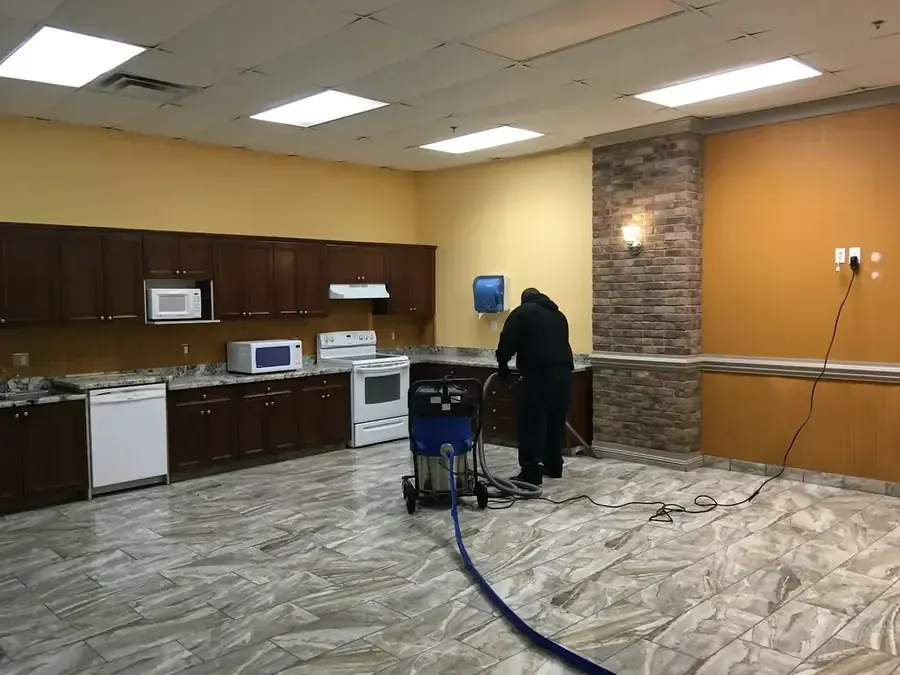
Extractors remove pooled water before the drying equipment tackles moisture inside floors and walls.
Read about water extraction ›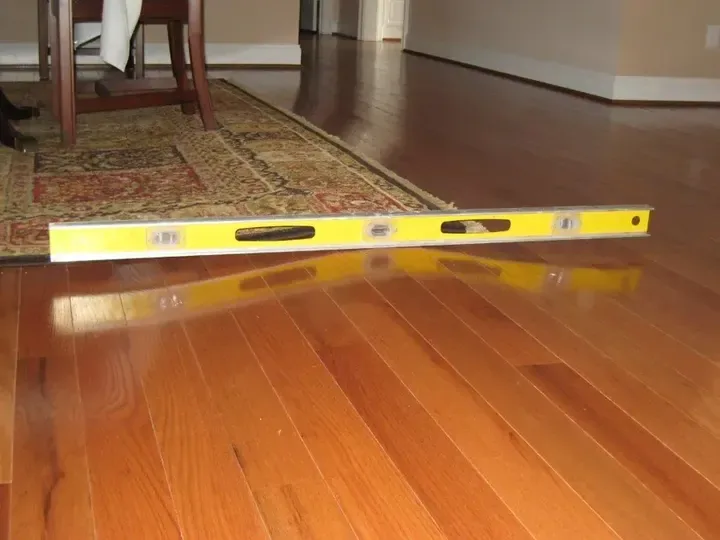
Hardwood Floor Water Damage
Board movement and subfloor readings determine whether targeted floor drying remains appropriate.
Read about hardwood floor water damage ›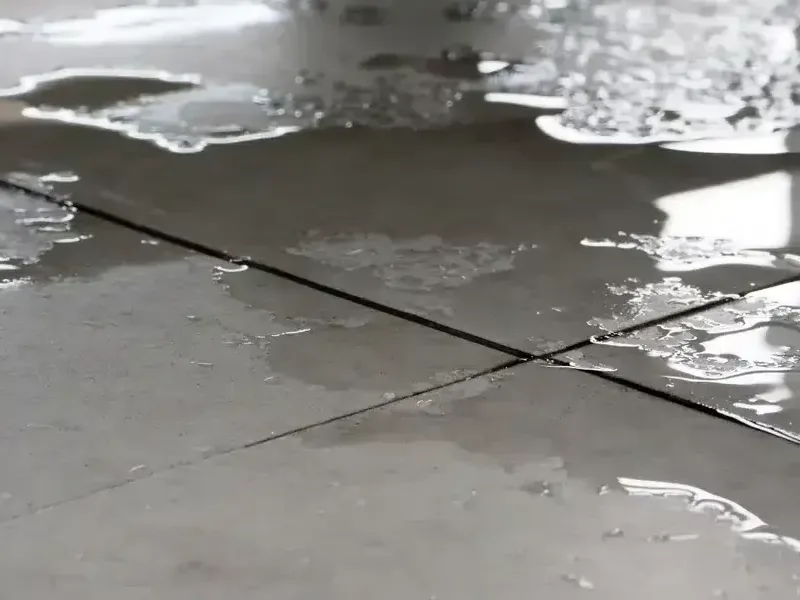
Slab Leak Water Damage
Moisture beneath flooring needs a mapped drying plan after a plumber controls the concealed supply leak.
Read about slab leak water damage ›Structural Drying questions in Sand Springs, OK
Is a dry-feeling surface enough?
No. Surface evaporation can outpace drying deeper inside wood, concrete or a layered floor. The technician uses appropriate material measurements and reference conditions to evaluate the assembly. A comfortable room and a dry paint film are useful observations, but neither independently establishes that concealed moisture has reached the drying goal.
What does IICRC S500 mean here?
IICRC S500 is a water-damage restoration standard that informs assessment, drying methods and documentation. Referencing the standard describes the process rather than a credential claim about a particular person. The contractor should still explain the actual equipment, measurement method and material goals used for the property.
Why are both fans and dehumidifiers needed?
Air movers help moisture leave exposed surfaces, while dehumidifiers remove that moisture from the air. Without enough removal capacity, indoor humidity can rise and slow evaporation. The technician balances the system and checks material response rather than assuming that more airflow alone solves every wet assembly.
Do all materials use the same moisture number?
No. Instrument type, material and measurement scale matter. Comparable dry references can guide wood drying, while concrete and flooring installation may require other tests. The record should state what was measured and how. Each repair product needs acceptance checks appropriate to its substrate and installation requirements.
How long does a contained loss take?
A limited Class 1 loss may dry in about three to five days when access and conditions are favorable. Dense materials, concealed layers, contamination removal or delayed extraction can extend the process. The contractor uses repeated readings to set the finish point instead of promising one period for all losses.
Can the owner turn equipment off at night?
Unplanned shutdowns can change humidity and slow progress. The owner should discuss noise, access and electrical concerns with the contractor, who can review placement or operating arrangements. The drying record should reflect interruptions so later readings make sense and the team can adjust the plan when needed.
Why did the technician change the machine layout?
Changes in material response, exposed surfaces or humidity can justify repositioning or altering capacity. The daily record should explain that decision. A drying setup is an active process, and consistent readings help distinguish a useful adjustment from equipment that remains in place without evidence of continuing need.
Does final drying approval authorize flooring installation?
The restoration record supports the next trade but may not replace product-specific installation requirements. The flooring contractor checks the substrate against the chosen finish and adhesive system. The owner should receive a clear handoff identifying the drying result, removed materials and any additional testing or preparation still required.
Set a drying goal the material can demonstrate
24/7 assessment establishes the moisture footprint and equipment needs, followed by records that support the transition from drying to repair.
(888) 619-9509Arrange a material-based drying assessment