Water Heater Leak Cleanup in Sand Springs, OK
Water around a failed tank can reach wall bases and adjoining floor layers. Sand Springs extraction personnel check the heater area and surrounding materials after the plumbing trade controls the release.
(888) 619-9509Discuss the tank spill and nearby rooms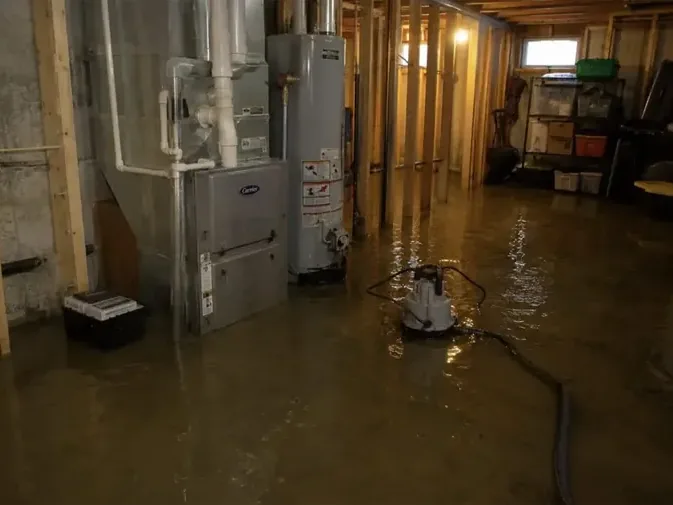
A leaking water heater can release stored water and, if its supply remains open, continue feeding the surrounding area. The plumber evaluates the tank, connections and source control. Restoration focuses on where the water went. A utility closet in Prattville, a commercial room in RiverWest or a property on Morrow Road can direct the same type of release into very different materials.
How water heater leak cleanup progresses
Establish the affected area
The assessor checks the tank enclosure, wall bases and connected flooring while confirming that the release no longer continues. The inspection checks beneath the platform and across thresholds where tank water may have escaped the enclosure.
Extract around the appliance
The crew selects tools for confined access and removes water from corners, platform edges and reachable floor layers.
Dry retained assemblies
Equipment serves the enclosure and adjacent room moisture load, with readings at the actual wet materials rather than air alone.
Record the remaining repairs
The contractor documents the drying result and separates enclosure or flooring repair needs from the plumber's heater replacement scope.
First steps for water heater leak cleanup
- 1Stay clear of the appliance hazard. Occupants avoid wet electrical components, gas controls and hot surfaces until the relevant professional establishes safe access.
- 2Limit continuing water safely. An accessible shutoff can reduce the release when operation is safe; the plumbing trade evaluates the failed heater or connection.
- 3Check nearby storage visually. The household notes wet boxes and contents without moving them across dry rooms before the assessment.
- 4Document the enclosure. Safe photographs show the tank area, platform and water at thresholds before replacement or cleanup changes the scene.
Separating the heater problem from the water footprint
The restoration assessor checks the floor around the appliance, wall bottoms, nearby storage and any adjoining room. A raised platform or drain pan may conceal wet layers underneath. The team does not assume that an apparently contained spill stayed contained. Readings around door transitions and partitions help establish the true footprint.
- The plumbing professional determines whether the tank, valve or connection requires correction.
- The crew checks platform materials and enclosed edges beneath the appliance area.
- The technician compares adjacent room flooring where water may have crossed a threshold.
- The property owner keeps source-repair records separate from extraction and drying charges.
Water and appliance energy sources create hazards that require the appropriate trade. Occupants avoid manipulating gas controls, electrical connections or hot components in a wet area. The restoration team establishes safe access before equipment placement. No cleanup instruction replaces the heater manufacturer's requirements or a qualified repair assessment.
The tank location does not define the entire loss. Water can escape a closet or platform and remain beneath adjoining flooring after the visible puddle around the heater has disappeared.
(888) 619-9509Discuss the tank spill and nearby roomsRemoving water from a confined utility space
Small rooms can make extraction and equipment placement difficult. The crew chooses tools that reach around platforms and corners without blocking safe access. Wet stored contents need inspection before relocation. Saturated cardboard or other porous items can hide a wider wet boundary along the wall.
- Verify that the active water release and appliance hazards receive appropriate control.
- Extract accessible liquid while mapping wall bases and adjoining floor layers.
- Open or remove damaged material where access and condition require it.
- Set drying equipment without obstructing necessary utility service or exits.
After heater replacement, the surrounding enclosure still needs a moisture assessment before damaged finishes are rebuilt. The technician checks wood platforms, gypsum board and any flooring that retained water. EPA WaterSense information can help with household water-use awareness, but an onsite inspection determines whether this loss involves the tank or another nearby connection.
Safe access comes first
The restoration crew checks electrical exposure, overhead stability and the water source before entering the wet area. Occupants keep clear of sagging ceilings and contaminated floors. A qualified professional isolates affected circuits from a dry location. These checks precede extraction because standing water can conceal damage that a surface inspection misses.
Drying the enclosure and documenting repair needs
The drying plan balances a confined space with the moisture load in adjacent rooms. Dehumidification removes released moisture while air movement serves accessible wet surfaces. The contractor records readings at the platform, wall edges and floor transition rather than measuring only the open room air.
The EPA flooded-home information explains why concealed wet materials deserve attention after a water event. The owner retains initial photos, source findings and drying logs. Insurance treatment depends on cause and policy language; the equipment replacement, resulting damage and reconstruction can involve different decisions.
- Appliance findings identify the failed component and source repair.
- Room photographs preserve the original water boundary and affected storage.
- Moisture records track hidden platform edges and adjoining walls.
- The final scope identifies any finish or enclosure repairs still required.
The Arkansas River is a separate outside-water source in the local risk picture. A tank-area puddle should not be labeled a flood loss without evidence. Accurate source descriptions matter both to cleaning decisions and to a clear account of what the contractor actually restores.
What does water heater leak cleanup cost in Sand Springs, OK?
Water-heater spill restoration commonly ranges from $600 to $3,500, excluding appliance repair or replacement. Enclosed platforms, wet partitions and water that spreads into adjoining flooring can increase the drying and access requirements.
Accessible small spill
$600 to $1,200
- Water extraction
- Floor inspection
- Initial drying
Closet and wall edges
$1,200 to $2,200
- Platform checks
- Selective access
- Material monitoring
Adjacent room spread
$2,200 to $3,500
- Broader extraction
- Floor-layer review
- Repair documentation
These planning ranges are estimate only. Water category, affected area, material class and the delay before extraction change the scope. The Sand Springs water damage cost calculator explores those variables.
Careful decisions for water heater leak cleanup
Rapid local response
The response team assesses active water, access and source control during 24/7 dispatch. Arrival depends on current conditions and the work required at the property.
IICRC S500 drying standard
The drying technician compares wet assemblies with suitable dry references and adjusts dehumidification to the material load. A dry surface alone does not close the job.
Claim-ready documentation
The mitigation team records initial damage, material decisions, equipment and daily readings. The property owner retains a clearer account of the loss for the insurance review.
Local water experts
The contractor checks the actual building and the reported source before choosing a method. Indoor supply releases, contaminated outside water and backed-up drains require different handling.
Water heater leak cleanup in Sand Springs
Coverage includes Prattville, the Box District and RiverWest, with ZIP 74063. The response team confirms access, the water source and the affected rooms before planning equipment.
Nearby service areas include Mannford, Oakhurst, Sperry, Owasso and Bixby.
Related water damage services in Sand Springs
Water Extraction
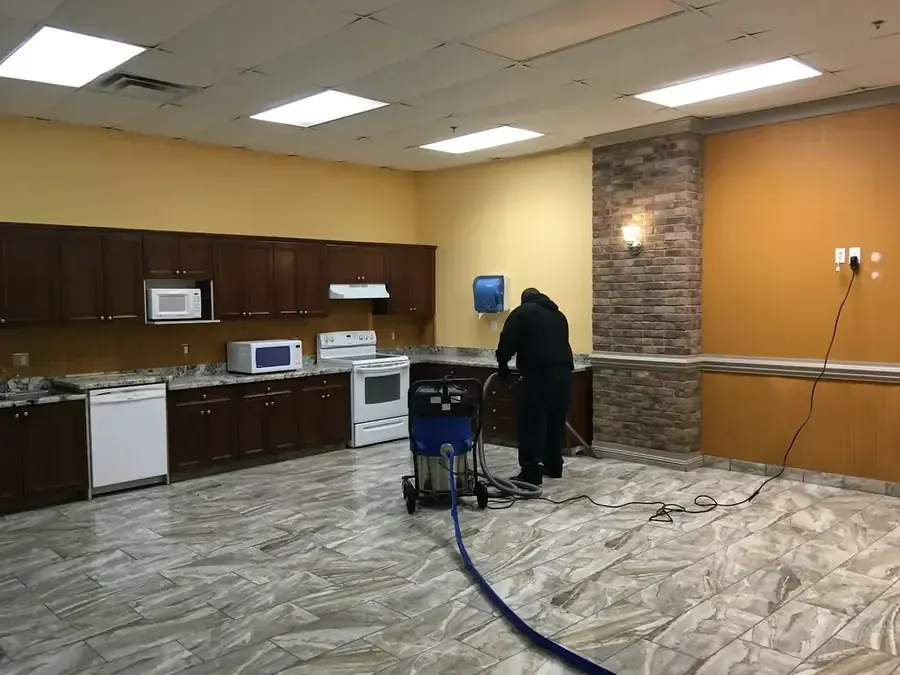
Extractors remove pooled water before the drying equipment tackles moisture inside floors and walls.
Read about water extraction ›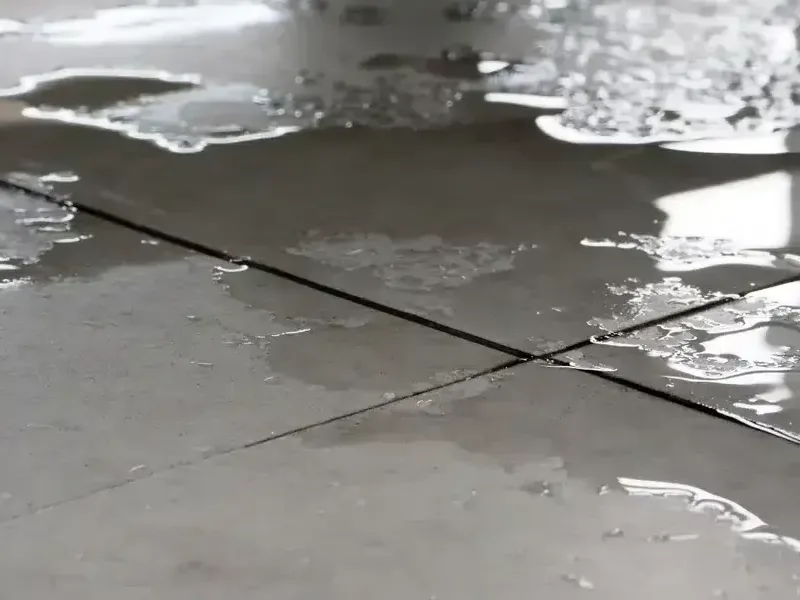
Slab Leak Water Damage
Moisture beneath flooring needs a mapped drying plan after a plumber controls the concealed supply leak.
Read about slab leak water damage ›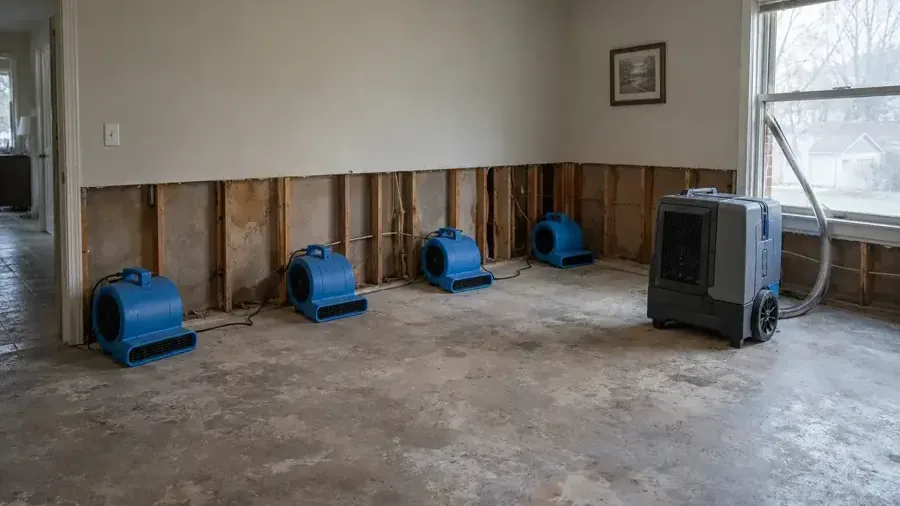
Structural Drying
Material readings direct dehumidification until the assembly reaches a defensible drying goal.
Read about structural drying ›Water Heater Leak Cleanup questions in Sand Springs, OK
Does replacing the heater finish the cleanup?
No. Replacement addresses the appliance, while water may remain in wall bottoms, a wood platform or adjoining flooring. The restoration technician checks those materials separately. The owner should confirm extraction, drying and finish repairs in the scope rather than assuming a new tank establishes that the surrounding enclosure is dry.
Can the spill reach a room beyond the closet?
Yes. Water can pass under a door transition or partition and soak floor layers beyond the visible tank-area puddle. The assessor checks adjacent rooms with comparative readings. The loss boundary follows those findings, not simply the utility closet dimensions or the location of the failed appliance.
Who handles gas or electrical controls?
The appropriate qualified trade evaluates the heater and its energy connections. Occupants should avoid wet controls, hot components and electrical equipment in the loss area. Restoration personnel coordinate safe access before extraction, and the owner confirms that appliance repair and water-damage work have clearly assigned responsibilities.
Why inspect the platform beneath the tank?
A platform can contain wood, enclosed edges or other materials that retain water after the surface clears. A drain pan may also conceal the area below it. The technician checks construction and moisture directly, explaining whether selective access or removal is needed before a replacement installation covers the space.
Is the water automatically clean?
The original supply source matters, but contact with stored contents, dirty surfaces and time can change the assessment. The restoration technician classifies the actual water and affected materials. A clear appearance does not settle salvage decisions, especially when the release remained hidden or spread into enclosed areas.
What changes the restoration cost?
The wet area, platform construction, access around the heater and spread into nearby rooms influence the work. A simple open hard floor differs from soaked wall bottoms and concealed layers. The estimate should separate the appliance repair from extraction, material removal, equipment, monitoring and reconstruction.
Can a homeowner run a fan in the closet?
The space first needs safe electrical and appliance conditions. A fan alone may not reach hidden platform moisture or control the humidity released into the room. The drying team checks the assembly and selects suitable air movement and dehumidification, then follows readings rather than relying on surface appearance.
What records support an insurance discussion?
Useful records include the plumbing diagnosis, photos before tank removal, the moisture map and the restoration estimate. Drying logs explain the remaining material condition. The insurer determines treatment of the failed appliance and resulting damage under the policy; the contractor's records document the loss without promising reimbursement.
Check the materials beyond the heater base
24/7 water damage assessment identifies safe access, source status and the surfaces that need extraction, removal or monitored drying.
(888) 619-9509Arrange checks around the failed tank