Water Extraction in Sand Springs, OK
The extraction crew removes standing water in Sand Springs, checks beneath floor coverings and maps the remaining moisture before selecting drying equipment for the affected building.
(888) 619-9509Discuss the standing water and access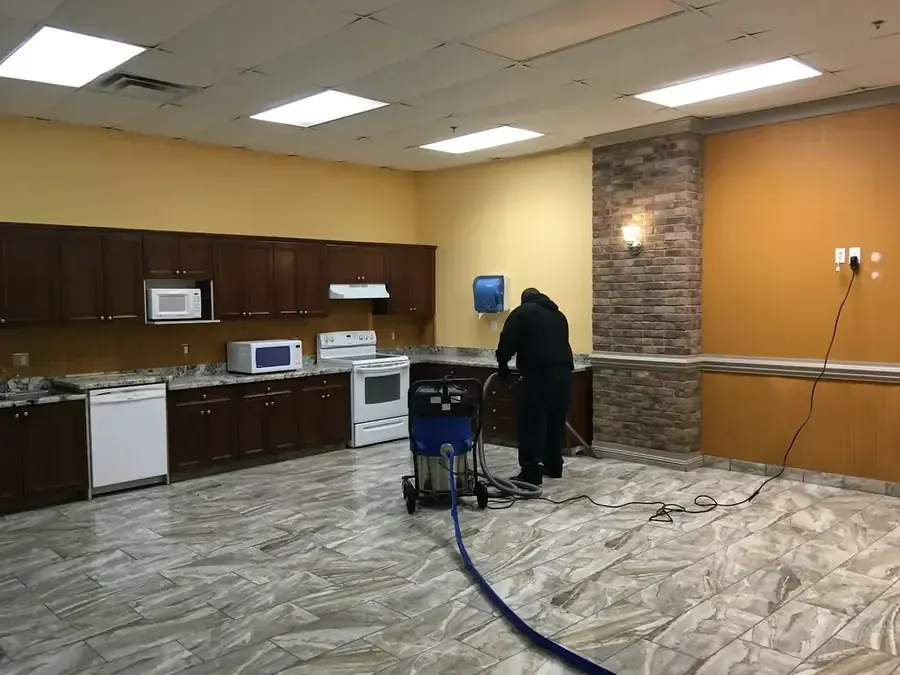
Water extraction starts with the liquid that a mop cannot reach. Carpet pad, doorway transitions and the space beneath a cabinet can hold water after the open floor looks clear. The technician traces that spread before deciding which surfaces need repeated extraction and which assemblies require access. A loss in Prattville, RiverWest or the Box District needs the same careful distinction between a visible puddle and the wider moisture footprint.
How water extraction progresses
Inspect the loss
The assessor identifies source, contamination and wet materials, then marks the rooms and assemblies requiring extraction or access. The initial map also marks extraction routes and dry rooms that need protection during hose movement.
Remove bulk water
The operator chooses pumps and extractors for the volume, material and route, checking edges that retain hidden liquid.
Manage evaporation
The drying team sets air movement and dehumidification after removal, with capacity matched to the remaining moisture load.
Verify the result
Follow-up readings compare affected materials with dry references and document whether more access, drying or repair is appropriate.
First steps for water extraction
- 1Keep the route dry. Occupants stay out of standing water near electrical equipment and identify a dry entrance for the responding crew.
- 2Control the source. A safe, accessible shutoff can limit a supply release; the relevant trade corrects the failed connection.
- 3Record the spread. Photographs from a safe position preserve water depth, room boundaries and damaged contents before removal.
- 4Leave contaminated items. The team handles wet porous items after classifying the water, preventing unnecessary movement through clean rooms.
Extracting water without overlooking the assembly
A portable extractor can reach a room that larger equipment cannot access directly. Truck-mounted extraction provides another option when the building layout and water volume suit that method. The operator selects tools for the material rather than using a hard-floor wand on every surface. Weighted carpet extraction, edge tools and controlled pumping address different parts of the loss.
- The crew identifies the water source and separates clean supply water from contaminated entry.
- The technician checks thresholds and the next room because water travels beneath finished surfaces.
- The operator makes deliberate passes over wet carpet where the material remains suitable for restoration.
- The team removes unsalvageable pad or other materials when category and condition require disposal.
Extraction removes bulk liquid. A wall cavity or subfloor still needs direct moisture assessment. The contractor documents initial readings and carries the map forward into structural drying. That sequence gives the next technician a useful starting point instead of a room that merely looks cleaner.
A puddle shows only part of the loss. The assessment checks adjoining rooms, floor edges and concealed materials before the crew sets an extraction route through the building.
(888) 619-9509Discuss the standing water and accessSorting supply water from outside flooding
The Arkansas River flooding reported in May 2019 is part of the area's water history. An inspection of the current loss starts at the entry point and follows the water through the building. A failed indoor connection, an appliance discharge and water entering from outside require different contamination decisions. The assessor asks where the water came from, what it contacted and how long materials stayed wet.
The crew contains dirty extraction routes and protects dry rooms from hose traffic and waste. Floodwater or sewage exposure changes the handling of porous materials. A household vacuum is unsuitable for contaminated water and can create electrical or exposure hazards. The EPA flooded-home information explains why cleanup decisions depend on the condition of the building and the water.
- Confirm source control before repeated extraction conceals an ongoing release.
- Record wet floor edges, wall bases and nearby contents before movement changes the evidence.
- Separate recoverable materials from contaminated porous items requiring removal.
- Document the extraction method and the remaining wet assemblies for the drying plan.
Safe access comes first
The restoration crew checks electrical exposure, overhead stability and the water source before entering the wet area. Occupants keep clear of sagging ceilings and contaminated floors. A qualified professional isolates affected circuits from a dry location. These checks precede extraction because standing water can conceal damage that a surface inspection misses.
From a cleared floor to a measured dry-out
After removal, air movers support evaporation and dehumidifiers remove the resulting moisture from the air. The drying team measures affected materials and compares them with a suitable dry reference. Dense subfloor and covered concrete require material-specific checks before new finishes cover the assembly.
Occupants should keep the agreed drying area intact and report equipment interruptions. The contractor checks whether readings fall as expected and changes placement or access when they stall. Photographs and logs distinguish the initial extraction from later drying, disposal and repair costs. For outside water, the property owner can consult FEMA flood maps for the property's mapped flood hazard and retain that information with the loss records.
- Initial photographs preserve the water level and affected surfaces.
- Daily material readings show progress inside the actual wet assembly.
- Equipment records explain capacity, placement and operating changes.
- A final moisture check supports the handoff to flooring or finish repairs.
What does water extraction cost in Sand Springs, OK?
Water extraction commonly falls around $500 to $3,000 before extensive demolition or reconstruction. Water category, volume, access and the materials beneath the puddle determine how much removal and follow-on drying the property needs.
Contained room
$500 to $1,000
- Accessible water
- Limited wet floor
- Initial moisture check
Several wet rooms
$1,000 to $2,000
- Multiple extraction passes
- Edge inspection
- Drying setup review
Complex removal
$2,000 to $3,000
- Difficult access
- Greater water volume
- Contamination assessment
These planning ranges are estimate only. Water category, affected area, material class and the delay before extraction change the scope. The Sand Springs water damage cost calculator explores those variables.
Careful decisions for water extraction
Rapid local response
The response team assesses active water, access and source control during 24/7 dispatch. Arrival depends on current conditions and the work required at the property.
IICRC S500 drying standard
The drying technician compares wet assemblies with suitable dry references and adjusts dehumidification to the material load. A dry surface alone does not close the job.
Claim-ready documentation
The mitigation team records initial damage, material decisions, equipment and daily readings. The property owner retains a clearer account of the loss for the insurance review.
Local water experts
The contractor checks the actual building and the reported source before choosing a method. Indoor supply releases, contaminated outside water and backed-up drains require different handling.
Water extraction in Sand Springs
Coverage includes Prattville, the Box District and RiverWest, with ZIP 74063. The response team confirms access, the water source and the affected rooms before planning equipment.
Nearby service areas include Mannford, Oakhurst, Sperry, Owasso and Bixby.
Related water damage services in Sand Springs
Structural Drying
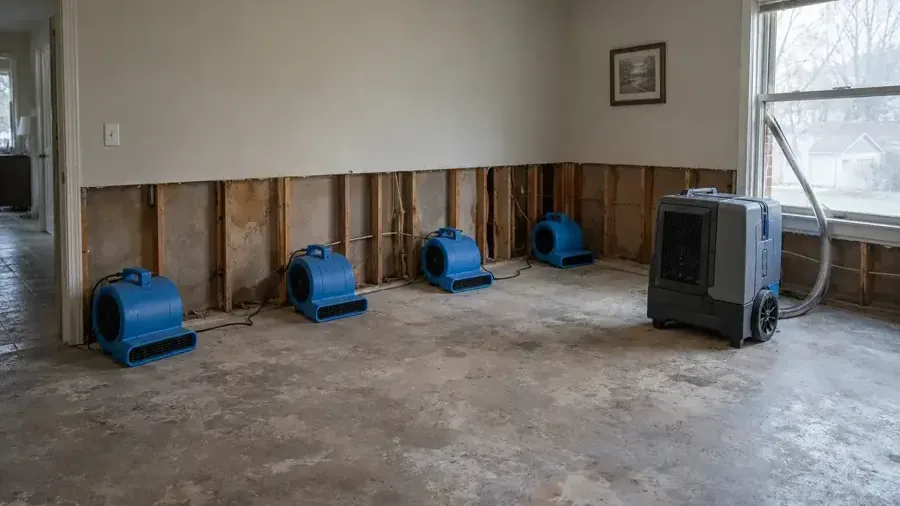
Material readings direct dehumidification until the assembly reaches a defensible drying goal.
Read about structural drying ›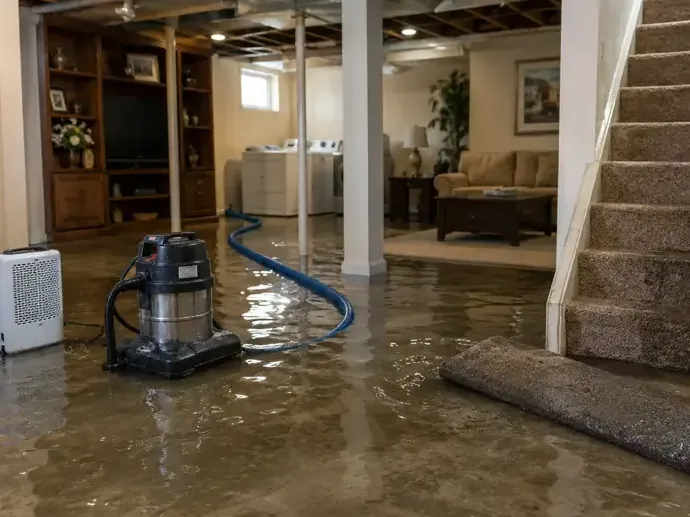
Storm Flood Cleanup
Outside water brings sediment and contamination indoors, changing both extraction and material decisions.
Read about storm flood cleanup ›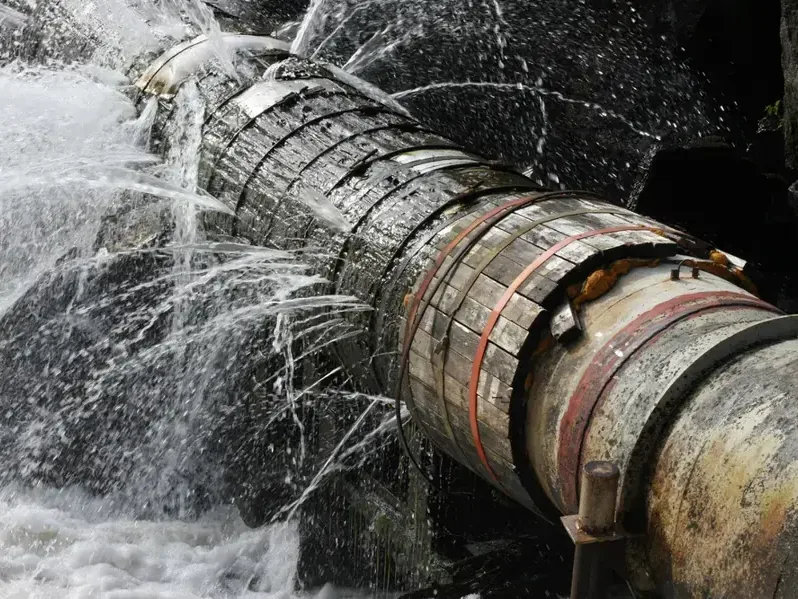
Burst Pipe Water Damage
A stopped pipe release still leaves wet cavities that need measured drying and documented access.
Read about burst pipe water damage ›Water Extraction questions in Sand Springs, OK
Does extraction finish the restoration?
No. Extraction removes standing liquid, while structural drying addresses moisture held inside materials. The contractor checks pad, subfloor, wall bases and cavities after the floor clears. A separate repair stage may follow if wet materials cannot remain or finishes need replacement. The written scope should distinguish those tasks.
Can carpet remain after a supply leak?
The assessor considers water category, contact time, backing condition and the subfloor beneath it. Some clean-water carpet losses respond to extraction and controlled drying. Contaminated pad or deteriorated backing changes that decision. The crew should explain removal choices before lifting a whole room of flooring.
Why check the room next door?
Water can travel through doorways, under partitions and beneath continuous floor coverings. The puddle may collect in one low spot while the moisture footprint extends much farther. Comparative readings at thresholds and adjacent wall bases help establish the actual affected area and prevent a dry-looking room from escaping inspection.
How does an outside flood change extraction?
Outside water may carry sediment and contaminants that an indoor supply release does not. The restoration team establishes a controlled work zone and evaluates porous materials for removal. Cleaning follows extraction before the drying setup proceeds. The contractor bases handling on the water and contacted materials rather than appearance alone.
What affects the cost most?
Wet square footage, water category, access and the amount of material that must come out drive the scope. A small exposed hard floor differs from water beneath carpet and cabinets. The estimate should show extraction separately from drying, disposal, source repair and reconstruction so the owner can compare the proposed work.
Can the household switch off the equipment overnight?
The drying plan depends on controlled air movement and moisture removal. Unplanned shutdowns can slow progress and change humidity conditions. Occupants should discuss noise, electrical loading and room access with the contractor. The team can review placement or operating arrangements while preserving the conditions needed to dry the assembly.
What should a claim file contain?
Useful records include the reported source, initial photos, the moisture map, extraction work and later readings. Equipment and disposal details explain the restoration charges. The insurer decides coverage under the policy, including distinctions between sudden indoor damage and outside flooding. Documentation supports review without promising payment.
When is the space ready for repairs?
The drying technician checks the material condition and final readings rather than choosing a date from appearance. Flooring installers may require additional product-specific tests before installation. The handoff should identify any materials removed, areas still needing repair and the readings supporting the end of drying.
Get pooled water moving toward removal
24/7 dispatch helps establish the source, affected rooms and safe access while the extraction crew plans the equipment and containment.
(888) 619-9509Arrange assessment of the wet floor