Frozen Pipe Water Damage in Owasso
A frozen pipe may begin leaking as water flow returns. The damage assessment follows the thaw release into walls and floors while the appropriate trade checks the affected plumbing and source control.
(888) 619-9509Discuss water discovered after thawing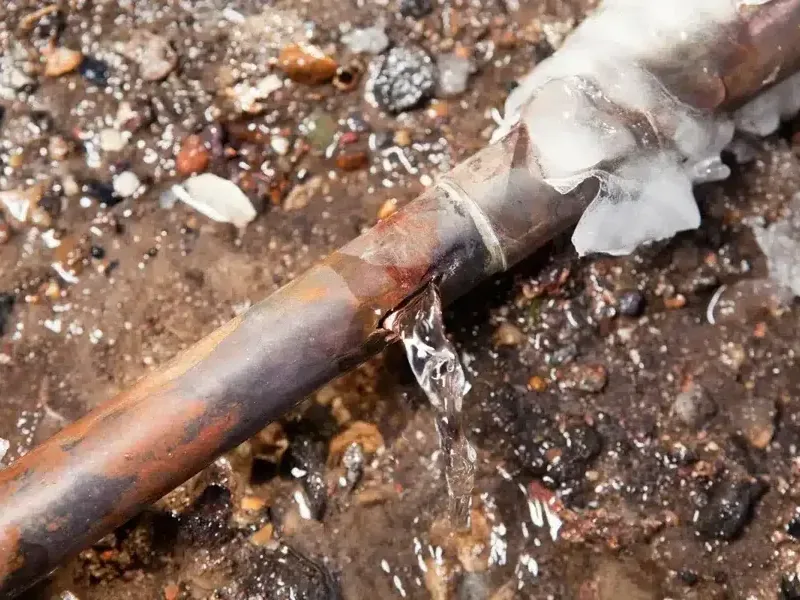
A pipe affected by freezing can release water when flow resumes through a damaged section. For an Owasso property, the useful starting details are when water was discovered, which rooms changed and whether the supply remains active. Those observations help coordinate plumbing assessment with cleanup of the materials already reached by the thaw release.
How frozen pipe water damage progresses
Reconstruct the water sequence
Discovery notes and source status help establish where the thaw release began and which rooms changed. This directs inspection toward the water path observed at the property rather than an assumed location.
Remove the accumulated release
Pooling is extracted while affected contents and floor transitions are assessed for water that moved beyond the damaged pipe or its access opening.
Inspect the hidden assembly
Wet insulation, wall layers and flooring are evaluated for access and retention, with equipment arranged around the materials selected for measured drying.
Connect repair and drying records
The final account brings source findings, material readings and remaining finish work together, allowing reconstruction to proceed from a clearly documented room condition.
First steps for frozen pipe water damage
- 1Describe the thaw release. The contact reports discovery, visible water locations and whether the affected supply remains active.
- 2Arrange plumbing assessment. The source trade checks the damaged section while occupants avoid unsafe heating methods and keep clear of water near electrical equipment.
- 3Trace connected materials. The assessment follows ceiling marks, wall edges and floor pooling to identify the concealed assemblies that need access or moisture checks.
- 4Coordinate closure carefully. The owner keeps pipe repair notes with drying results so the access opening is closed only after surrounding retained materials are assessed.
Watch the release rather than the calendar
The visible damage may appear after the coldest conditions have passed. A previously quiet wall can begin dripping, or water can collect at a floor edge when the pipe carries water again. The source needs assessment, and occupants should avoid direct heating methods or attempts to repair a concealed pipe themselves.
- Report the current flow condition and any shutoff already operated safely.
- Identify new ceiling marks, damp wall bases and pooling near the affected area.
- Keep clear of water around electrical equipment or damaged overhead finishes.
- Record the sequence of visible changes for the plumbing and cleanup contacts.
The Village provides an apartment context where residents may notice interior water before management can access the source. The unit and room should be identified clearly, and entry to adjoining spaces coordinated if needed. A resident's account of the thaw release complements the material assessment without requiring access inside a wet cavity.
Describe the water discovered during thawing, the rooms involved and the current supply status. These details help connect the plumbing assessment with the cleanup needed around the damaged assembly.
(888) 619-9509Explain the thaw related water damageAssess the whole wet route after source control
Once the pipe has been isolated or repaired, water can remain in insulation, wall material and floor layers. The visible puddle may be separated from the damaged pipe by a concealed path. Measurements and selective access help determine how far the water traveled and which retained assemblies need drying.
- Coordinate source assessment and identify the status of the affected supply.
- Map water movement through visible rooms and accessible construction layers.
- Remove pooling and evaluate wet finishes that obstruct effective drying.
- Record material conditions before the pipe access area is closed again.
In a Redbud District office, concealed water can affect desks or stored documents below the wet assembly. Commercial properties along U.S. Highway 169 also need a protected route for contents and equipment. The building manager should identify occupied areas so the response can preserve access without crossing the active cleanup zone.
Safe access comes first
The restoration crew checks electrical exposure, overhead stability and the water source before entering the wet area. Occupants keep clear of sagging ceilings and contaminated floors. A qualified professional isolates affected circuits from a dry location. These checks precede extraction because standing water can conceal damage that a surface inspection misses.
Keep prevention work separate from damage recovery
The plumbing trade can assess the damaged section and the measures appropriate to the actual installation. Water cleanup addresses the release that already occurred. Both scopes should remain visible in the work record, allowing the owner to coordinate source repairs without overlooking wet materials that still need inspection or drying.
Closing a wall after pipe work can conceal moisture if the surrounding assembly has not been checked. The burst pipe service covers the broader water path after a supply break, and structural drying describes the measurements needed for retained materials before finish reconstruction.
- Record the source trade's findings alongside the first photographs of water damage.
- Identify each cavity or floor section exposed for cleanup and drying.
- List surfaces still awaiting access when source repair work is completed.
- Use the final material record to coordinate any remaining reconstruction tasks.
The completed assessment should give the owner a sequence from source control to room recovery, with clear distinctions between the repaired pipe, the dried assembly and the finishes that still need replacement.
What does frozen pipe water damage cost in Owasso, OK?
Frozen pipe water damage costs in Owasso depend on the thaw release footprint and concealed materials affected. These cleanup ranges should be considered separately from plumbing repair, installation changes and the replacement of damaged room finishes after drying.
Contained thaw release
$1,200 to $2,200
- Limited pooling
- Accessible source area
- Focused inspection
Wet wall and floor layers
$2,200 to $4,000
- Cavity access
- Layered finishes
- Material monitoring
Multiple concealed areas
$4,000 to $6,000
- Room transitions
- Broader removal
- Coordinated drying
These planning ranges are estimate only. Water category, affected area, material class and the delay before extraction change the scope. The water damage cost calculator explores those variables.
Careful decisions for frozen pipe water damage
Rapid local response
The response team assesses active water, access and source control during 24/7 dispatch. Arrival depends on current conditions and the work required at the property.
IICRC S500 drying standard
The drying technician compares wet assemblies with suitable dry references and adjusts dehumidification to the material load. A dry surface alone does not close the job.
Claim-ready documentation
The mitigation team records initial damage, material decisions, equipment and daily readings. The property owner retains a clearer account of the loss for the insurance review.
Local water experts
The contractor checks the actual building and the reported source before choosing a method. Indoor supply releases, contaminated outside water and backed-up drains require different handling.
Frozen pipe water damage in Owasso
Thaw related water assessments in Owasso include The Village, Redbud District properties and U.S. Highway 169 buildings, with access based on the observed release and affected rooms.
The same service nearby: frozen pipe water damage in Sand Springs, Sperry, Oakhurst.
Related water damage services in Owasso
Burst Pipe Water Damage in Owasso
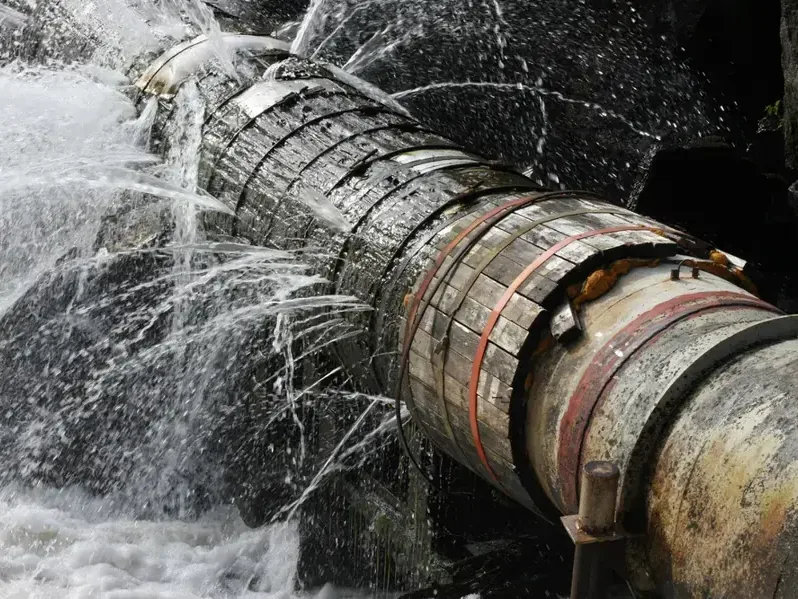
A stopped pipe release still leaves wet cavities that need measured drying and documented access.
Read about burst pipe water damage ›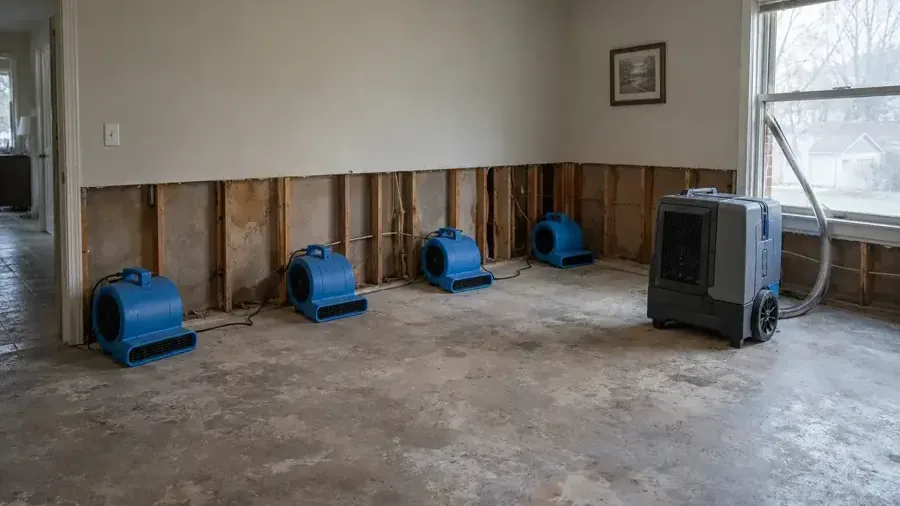
Structural Drying in Owasso
Material readings direct dehumidification until the assembly reaches a defensible drying goal.
Read about structural drying ›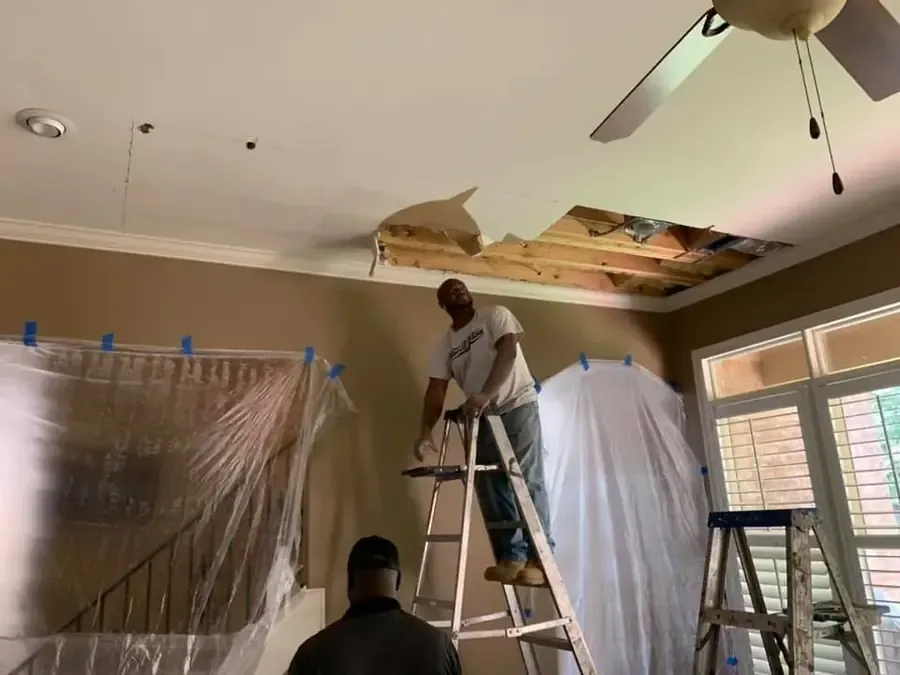
Ceiling Leak Water Damage in Owasso
Overhead water requires safe access to the source before damaged ceiling materials come down.
Read about ceiling leak water damage ›Frozen Pipe Water Damage questions in Owasso, OK
Why can a frozen pipe leak only after thawing?
Damage in the pipe can become apparent when water flows through the affected section again. The useful response is to report the new release, arrange source assessment and document where water appears indoors. Cleanup then follows the actual wet path into surrounding materials rather than relying on when freezing was first suspected.
Should a resident use direct heat on the pipe?
An occupant should avoid attempting to heat or repair an affected pipe without appropriate assistance. The installation and surrounding materials need assessment, particularly when the pipe is concealed. The property contact can arrange plumbing service while residents keep clear of water near electrical components and record visible room damage from a safe location.
What if the pipe has been repaired but walls feel damp?
The plumbing repair addresses the source, while the damp wall needs a separate material assessment. Water can remain in insulation, finishes and adjacent flooring after flow stops. The cleanup scope should identify access and drying needs so the owner understands which parts of the room still require work after the repair.
Does the visible puddle show the full thaw damage?
Water may travel inside a cavity before reaching a floor, so the puddle can represent only part of the affected assembly. Inspection follows marks, material readings and accessible connections between rooms. The record should identify concealed sections requiring access and distinguish them from areas that were inspected and found ready for repair.
How should an apartment resident report the problem?
The resident can identify the unit, room, time of discovery and whether water continues to appear. Management should coordinate source access and permissions for building work. Safe photographs help document belongings and visible changes, while the cleanup assessment establishes the condition of the construction surrounding the reported water release.
Can a wet office stay occupied during drying?
Use depends on the actual hazards, cleanup boundary and equipment route. The manager should receive clear instructions about restricted spaces and access needed for measurements. Unaffected operations may be planned separately, but staff should not need to cross standing water or a material removal area to continue their work.
Will the cleanup estimate include future freeze prevention?
Plumbing changes or other measures addressing the installation should have a clearly identified scope from the appropriate trade. Cleanup pricing concerns existing water damage, such as extraction, removal and drying. Separating those tasks lets the owner coordinate prevention related work while retaining a clear record of the room recovery already required.
What should be documented before wall access is closed?
The record should identify the repaired source, retained materials checked and drying conditions reached around the opening. Removed insulation or finish layers should also be listed. Any unresolved access area remains part of the handoff so reconstruction does not hide a wet section that was omitted from the final assessment.
Follow the release into the surrounding materials
A clear source record and moisture assessment support a practical sequence for extraction, drying and the repairs that remain after the pipe is addressed.
(888) 619-9509Arrange a thaw damage assessment