Frozen Pipe Water Damage in Sperry
A split pipe may become obvious only when thawing restores flow. Sperry frozen pipe cleanup tracks the resulting release through cavities and floors while the damaged section receives a plumbing assessment.
(888) 619-9509Describe the water after thawing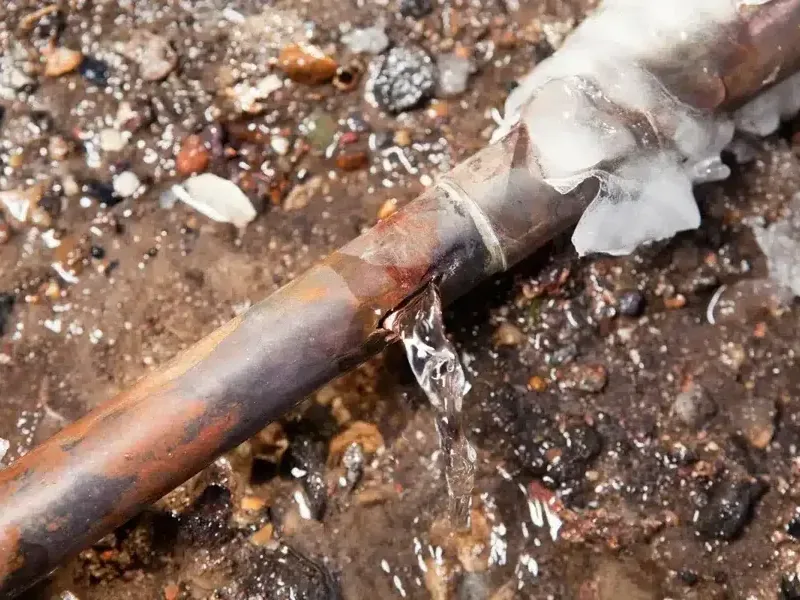
A room can remain quiet while a frozen section blocks flow, then become wet when the pipe thaws. The first visible puddle may appear below or beyond the damaged section because water travels through cavities before reaching an exposed finish. Cleanup follows that released water, while plumbing diagnosis determines the condition of the pipe and its connections.
How frozen pipe water damage progresses
Connect the thaw account to the loss
The source history and current water locations establish where inspection should begin, while the plumbing assessment addresses the affected section and any related repair needs around it.
Trace the concealed routes
Measurements and accessible openings follow water through insulation, framing connections and floor edges that may have received the release before it became visible in the room.
Expose and treat suitable assemblies
Extraction and necessary openings prepare retained layers for drying, with equipment selected around the cavity and floor construction.
Explain conditions before closure
The record identifies retained material readings, remaining physical damage and separate repair responsibilities so replacement finishes follow the building's condition after the source has been addressed.
First steps for frozen pipe water damage
- 1Report the observation sequence. The assessment benefits from knowing when flow changed, when water appeared and whether the affected supply has since been controlled.
- 2Avoid improvised pipe heating. Heating a concealed or damaged pipe without an appropriate assessment can create additional hazards around utilities and nearby building materials.
- 3Check from a safe position. Occupants can describe visible water without entering electrical hazards or standing beneath unstable finishes.
- 4Preserve the exposed condition. Photos of the failed section and wet materials document damage before repair openings or removal alter the assembly.
Describe the change from restricted flow to visible water
The sequence of observations helps the source assessment. Reduced fixture flow, later dripping and a newly wet wall can point toward different parts of the release. Occupants should report what changed without attempting to heat concealed piping or open a wet wall where electrical components and unstable finishes may be present.
Sperry expanded residentially after its historical water system connection, with adjacent areas annexed during the 1970s. Current pipe placement and room construction still require direct inspection. At properties described using State Highway 11, Osage Prairie Trail or Delaware Creek, the restoration boundary follows the actual wet cavity and floor connections found inside.
- A thawed section can release water into insulation before a surface stain appears.
- Low floor joints may reveal liquid that traveled from a higher pipe location.
- Several damp patches can connect through the same concealed framing space.
- A repaired visible split may leave other affected areas needing plumbing assessment.
Describe the change in water flow, the first visible leak and the rooms affected afterward. That sequence helps connect the plumbing assessment with concealed building damage.
(888) 619-9509Explain the release after thawingInspect the assembly around and below the failure
The exposed repair opening gives access to only part of the damage. Water may have reached a nearby partition or the floor below before source control occurred. Moisture checks around those connections help establish whether the restoration scope needs a limited local opening or broader access to retained materials in several assemblies.
- Record the thaw sequence and current source control status.
- Coordinate plumbing diagnosis of the affected pipe and accessible connections.
- Extract released water and expose layers needed for inspection.
- Track retained material response before replacement finishes close the cavity.
Any warming or repair method belongs with a qualified assessment of the piping and surroundings. Restoration equipment is intended to manage moisture in the building, not to improvise a pipe thawing repair. Keeping those purposes separate helps the owner understand why a source visit and a building cleanup scope may both be necessary.
Safe access comes first
The restoration crew checks electrical exposure, overhead stability and the water source before entering the wet area. Occupants keep clear of sagging ceilings and contaminated floors. A qualified professional isolates affected circuits from a dry location. These checks precede extraction because standing water can conceal damage that a surface inspection misses.
Plan closure around the wet materials that remain
Insulation, wood and ceiling or wall finishes can hold different amounts of absorbed water after the release stops. Material condition determines which layers remain suitable for drying and which require removal. The work description should explain those decisions rather than assuming the whole cavity can be closed as soon as the pipe holds water again.
The event record begins with the owner noticing restricted flow and then discovering water. Plumbing findings add the location and condition of the damaged section to that sequence. Photographs of the exposed failure and the adjoining assembly then connect that account to the extraction, access and drying work performed.
- Keep the initial event sequence with the source repair documentation.
- Measure connected floor and wall areas beyond the obvious repair opening.
- Record concealed material conditions before damaged layers are removed.
- Identify the repairs and further inspections needed after moisture treatment ends.
Where a ceiling was affected, overhead water cleanup explains protected access. The burst pipe service covers the broader pattern of pressurized indoor releases and connected cavity damage.
What does frozen pipe water damage cost in Sperry, OK?
Frozen pipe cleanup in Sperry ranges from $1,200 to $6,000. Concealed water routes, multiple wet assemblies and access requirements affect restoration scope. Plumbing diagnosis, source repair and replacement finishes should be separated from extraction and drying.
Contained thaw release
$1,200 to $2,200
- Local puddle
- Accessible edges
- Source coordination
Wet wall and floor layers
$2,200 to $4,000
- Cavity exposure
- Connected finishes
- Material monitoring
Multiple concealed areas
$4,000 to $6,000
- Broader inspection
- Restricted layers
- Expanded equipment access
These planning ranges are estimate only. Water category, affected area, material class and the delay before extraction change the scope. The water damage cost calculator explores those variables.
Careful decisions for frozen pipe water damage
Rapid local response
The response team assesses active water, access and source control during 24/7 dispatch. Arrival depends on current conditions and the work required at the property.
IICRC S500 drying standard
The drying technician compares wet assemblies with suitable dry references and adjusts dehumidification to the material load. A dry surface alone does not close the job.
Claim-ready documentation
The mitigation team records initial damage, material decisions, equipment and daily readings. The property owner retains a clearer account of the loss for the insurance review.
Local water experts
The contractor checks the actual building and the reported source before choosing a method. Indoor supply releases, contaminated outside water and backed-up drains require different handling.
Frozen pipe water damage in Sperry
Frozen pipe damage assessments serve Sperry properties in 74073, with the release history, affected rooms and access near State Highway 11 helping organize the initial property visit.
The same service nearby: frozen pipe water damage in Sand Springs, Owasso, Oakhurst.
Related water damage services in Sperry
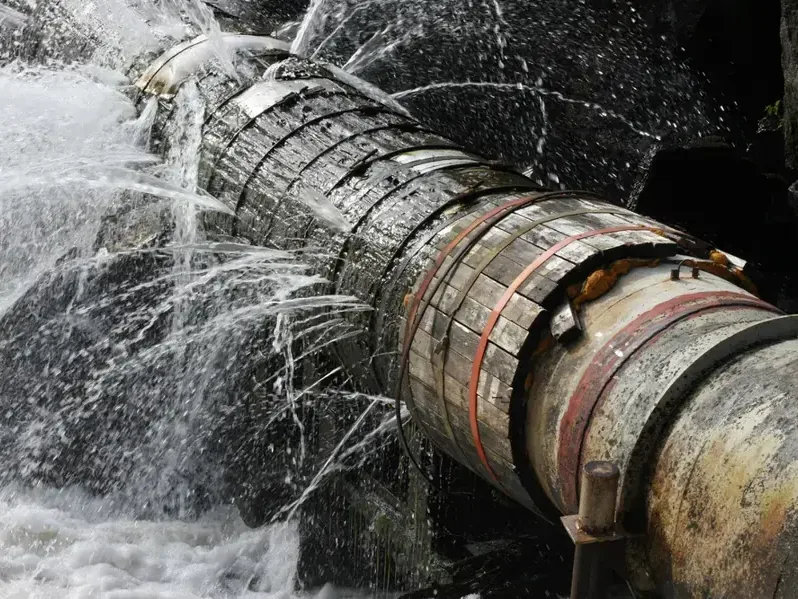
Burst Pipe Water Damage in Sperry
A stopped pipe release still leaves wet cavities that need measured drying and documented access.
Read about burst pipe water damage ›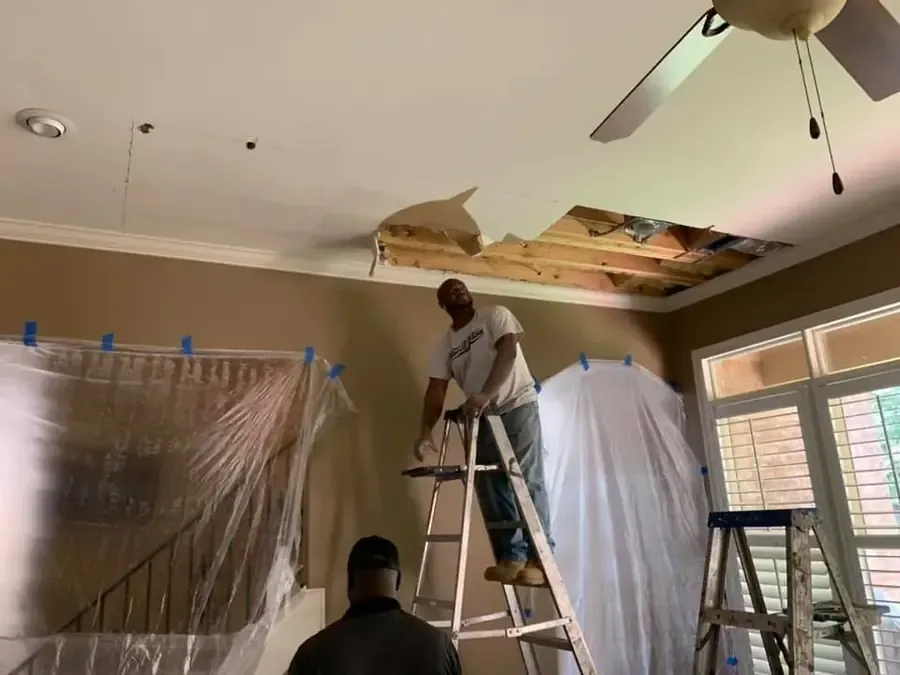
Ceiling Leak Water Damage in Sperry
Overhead water requires safe access to the source before damaged ceiling materials come down.
Read about ceiling leak water damage ›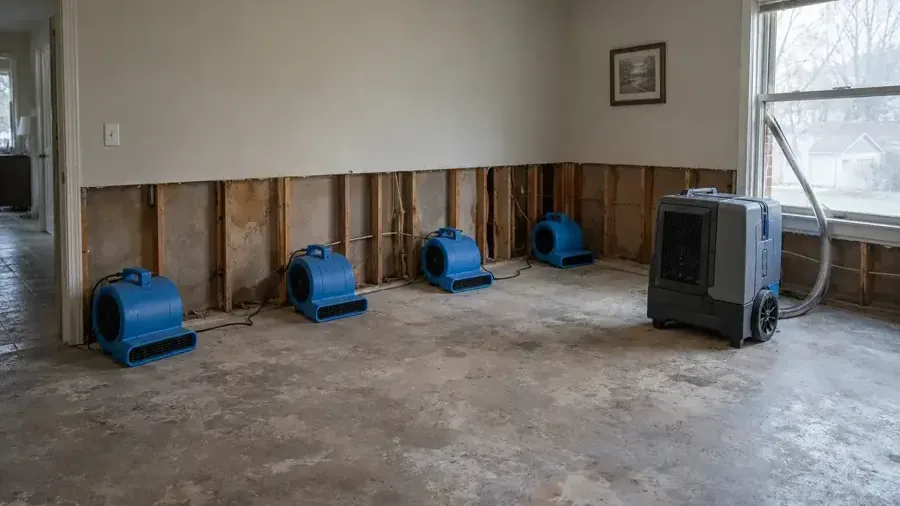
Structural Drying in Sperry
Material readings direct dehumidification until the assembly reaches a defensible drying goal.
Read about structural drying ›Frozen Pipe Water Damage questions in Sperry, OK
Why can a leak appear after the coldest conditions pass?
A damaged pipe may release water when thawing allows flow through the affected section. The visible timing can therefore differ from when the damage occurred. A plumbing professional should assess the source, while restoration inspection follows the released water into surrounding cavities and floors that may have become wet before the puddle appeared.
Should the damaged pipe be heated by the occupant?
Improvised heating around concealed piping and building materials can create hazards and may not address the damaged section safely. The appropriate trade should assess the pipe and surrounding conditions. Occupants can report the sequence of restricted flow and visible leakage, keeping clear of wet electrical areas and unstable finishes while source control is arranged.
Does repairing the split mean every pipe is sound?
The plumbing assessment determines the scope of source inspection and repair. The plumber checks other suspect pipe sections and explains which components require further testing or repair. The restoration team's role is to document and treat the water damage already present, including connected assemblies that may need extraction, opening or drying beyond the location of the repaired section.
Why inspect below the pipe as well as beside it?
Gravity can carry released water into lower cavities and floors while the area beside the pipe shows only limited staining. Wet insulation can also hold liquid above a ceiling or behind a wall. Checking those routes helps determine the actual restoration boundary and prevents the cleanup from stopping at the most accessible repair opening.
Can insulation hide the extent of the release?
Insulation can absorb water, conceal wet framing and restrict access to the surface beneath it. The material needs assessment for condition and its effect on drying. Removal may be needed to expose retained structure, with the proposal explaining which layers are unsuitable and how the remaining assembly will be measured during moisture treatment.
What if the owner discovered the leak after returning home?
The assessment can begin with the visible damage, source findings and any available event sequence. An exact start time may be unavailable, so the scope should follow actual material conditions and contamination concerns. Photographs and moisture measurements help define the loss without requiring a guessed duration to determine which areas need attention.
Can the wall be closed once the supply is restored?
Restored supply confirms a different part of the work from building recovery. The cavity may still contain wet materials or physical damage requiring treatment. Before closure, the handoff should identify the condition of retained layers and any unfinished repair tasks, so new finishes do not conceal moisture that remains after the plumbing work.
What makes the final account useful for repair planning?
The record should connect source findings with the wet rooms, exposed layers and material readings. It should also identify damage that drying cannot reverse and any areas needing another trade's assessment. This gives the repair phase a clear description of what was treated, what remains and which surfaces are ready for replacement work.
Follow thaw water beyond the split pipe
Recovery addresses the retained wall and floor assemblies as well as the source, with access and readings documented before finishes are replaced.
(888) 619-9509Discuss the thaw related water spread