Frozen Pipe Water Damage in Oakhurst
A thaw can reveal a split pipe through a fresh drip or a growing floor stain. Recovery needs source isolation and an inspection of the concealed path before the room is rebuilt.
(888) 619-9509Describe the leak after thawing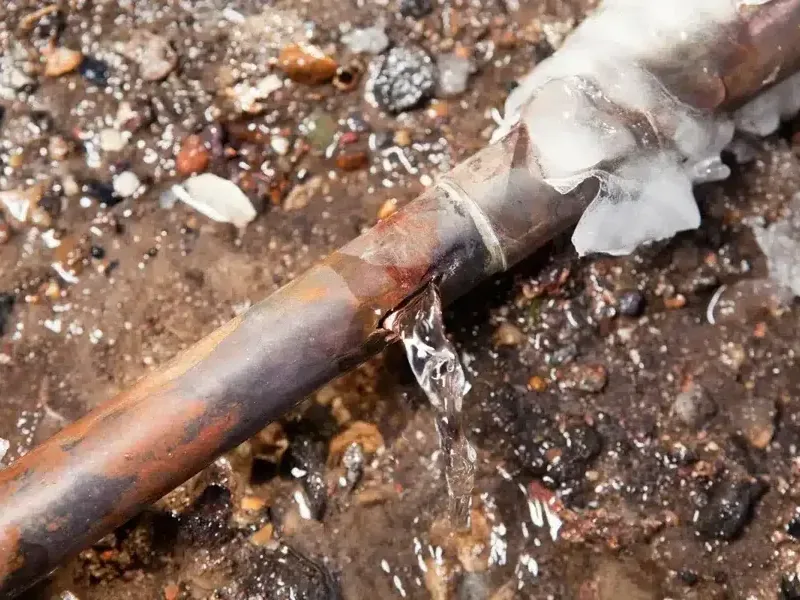
A thaw related leak in Oakhurst may become apparent only after water begins moving through a damaged pipe again. The release can develop behind a wall or above a ceiling before reaching the visible room. Cleanup should connect the plumbing repair with an assessment of every accessible material along that concealed path.
How frozen pipe water damage progresses
Connect thawing with the release
The assessment records the reported sequence of dripping or new stains and coordinates with the plumbing trade on source isolation and repair access.
Map concealed material exposure
Inspection follows accessible cavities and room edges to identify insulation, framing and floor layers affected beyond the visible pipe repair location.
Recover the retained structure
Water removal and selective material access prepare the assembly for controlled drying, with readings used to track the response of the retained components.
Explain the completed stages
The final record distinguishes repaired plumbing, removed finishes and dried structural materials from the protection or reconstruction tasks that remain for other trades.
First steps for frozen pipe water damage
- 1Report the thaw pattern. The contact should describe when dripping appeared and whether additional rooms became wet as the pipe or surrounding area warmed.
- 2Leave pipe heating to professionals. Improvised heating creates hazards around concealed materials and equipment; pipe assessment belongs with the appropriate plumbing trade.
- 3Identify safe source control. A reachable shutoff may limit the release, but occupants should avoid crossing standing water or unstable areas to reach it.
- 4Track newly visible wetting. Fresh stains or wet floor edges should be reported because they may reveal another part of the concealed release path.
Recognize the changing condition at the source
A pipe that was not visibly leaking earlier can release water as ice melts and the supply reaches a split. The appropriate plumbing trade should assess the damaged section and control the source. Occupants should avoid open flame or improvised heating around pipes, particularly where combustible materials, electricity or restricted access complicate the setting.
- Report whether dripping began as the pipe or room warmed.
- Identify the accessible shutoff without entering a hazardous wet space.
- Describe new ceiling stains, wall dampness or water at floor edges.
- Keep the affected supply out of ordinary use pending repair advice.
Oakhurst includes portions of Tulsa County and Creek County, and Interstate 44 passes through it. The initial contact should establish the property location and the area where the thaw related release appeared. Inside, the inspection follows the building's actual pipe route and wet materials rather than assuming a particular plumbing layout.
The timing of new dripping and the location of damp surfaces help explain a thaw related release. Source repair details also clarify where concealed water needs a closer material assessment.
(888) 619-9509Explain when the leaking beganLook beyond the visible split
Repair access may expose wet insulation or damp framing immediately beside the pipe. Moisture can also travel down the cavity and emerge at a floor junction. An assessment of adjoining surfaces helps define the cleanup footprint and identifies damaged finishes that need removal to reach retained materials selected for drying.
- Clarify source isolation and the status of the plumbing assessment.
- Follow new wetting from the visible symptom toward the pipe location.
- Assess connected cavities and floor layers for absorbed moisture.
- Coordinate material access and drying before reconstruction encloses the area.
A leak in an enclosed utility corner can soak insulation without creating an immediate broad puddle. As that material holds water against surrounding components, a nearby wall base may become the first visible symptom. The cleanup scope needs to connect those layers instead of measuring the loss only by the size of the exposed wet floor.
Safe access comes first
The restoration crew checks electrical exposure, overhead stability and the water source before entering the wet area. Occupants keep clear of sagging ceilings and contaminated floors. A qualified professional isolates affected circuits from a dry location. These checks precede extraction because standing water can conceal damage that a surface inspection misses.
Plan recovery after the thaw release is controlled
Water removal can begin where safe access and source conditions permit, but lasting drying requires the damaged supply to remain controlled. Burst pipe cleanup addresses the broader release pattern, while structural drying tracks the wet materials left after extraction and selective removal.
The owner should receive a description of retained components, removed layers and the readings used to assess progress. If additional leaking sections become apparent during plumbing work, those findings need to be connected to the cleanup boundary. The plan should respond to new water instead of assuming that the first visible break explains every damp area.
- Document the sequence of visible changes when that information is available.
- Keep source repair notes with photographs of affected interior materials.
- Identify insulation that blocks access to wet framing or cavities.
- Separate drying completion from later pipe protection and finish repair work.
A measured handoff lets the reconstruction trade understand the condition behind the new wall or ceiling finish. It also leaves the owner with a clear distinction between the repaired pipe and the recovery of the materials it wetted.
What does frozen pipe water damage cost in Oakhurst, OK?
Frozen pipe cleanup in Oakhurst ranges from $1,200 to $2,200 for a contained thaw release, $2,200 to $4,000 for wet wall and floor layers and $4,000 to $6,000 for multiple concealed areas. Plumbing repair is separate.
Contained thaw release
$1,200 to $2,200
- Accessible spill
- Source coordination
- Room assessment
Wet wall and floor layers
$2,200 to $4,000
- Cavity openings
- Insulation handling
- Floor checks
Multiple concealed areas
$4,000 to $6,000
- Connected assemblies
- Expanded mapping
- Drying adjustments
These planning ranges are estimate only. Water category, affected area, material class and the delay before extraction change the scope. The water damage cost calculator explores those variables.
Careful decisions for frozen pipe water damage
Rapid local response
The response team assesses active water, access and source control during 24/7 dispatch. Arrival depends on current conditions and the work required at the property.
IICRC S500 drying standard
The drying technician compares wet assemblies with suitable dry references and adjusts dehumidification to the material load. A dry surface alone does not close the job.
Claim-ready documentation
The mitigation team records initial damage, material decisions, equipment and daily readings. The property owner retains a clearer account of the loss for the insurance review.
Local water experts
The contractor checks the actual building and the reported source before choosing a method. Indoor supply releases, contaminated outside water and backed-up drains require different handling.
Frozen pipe water damage in Oakhurst
Thaw related pipe cleanup in Oakhurst follows the damaged property's supply release and wet assemblies, with safe entry and plumbing coordination established before concealed material recovery.
The same service nearby: frozen pipe water damage in Sand Springs, Bixby, Sperry.
Related water damage services in Oakhurst
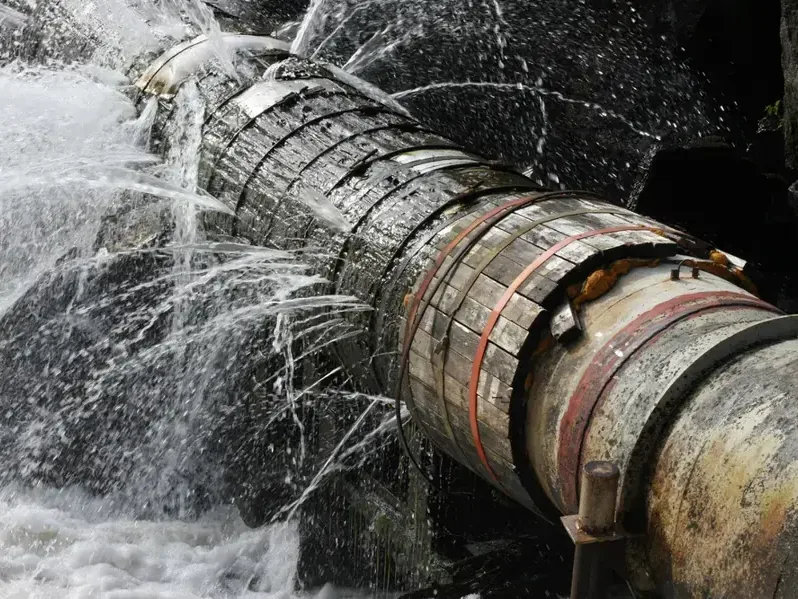
Burst Pipe Water Damage in Oakhurst
A stopped pipe release still leaves wet cavities that need measured drying and documented access.
Read about burst pipe water damage ›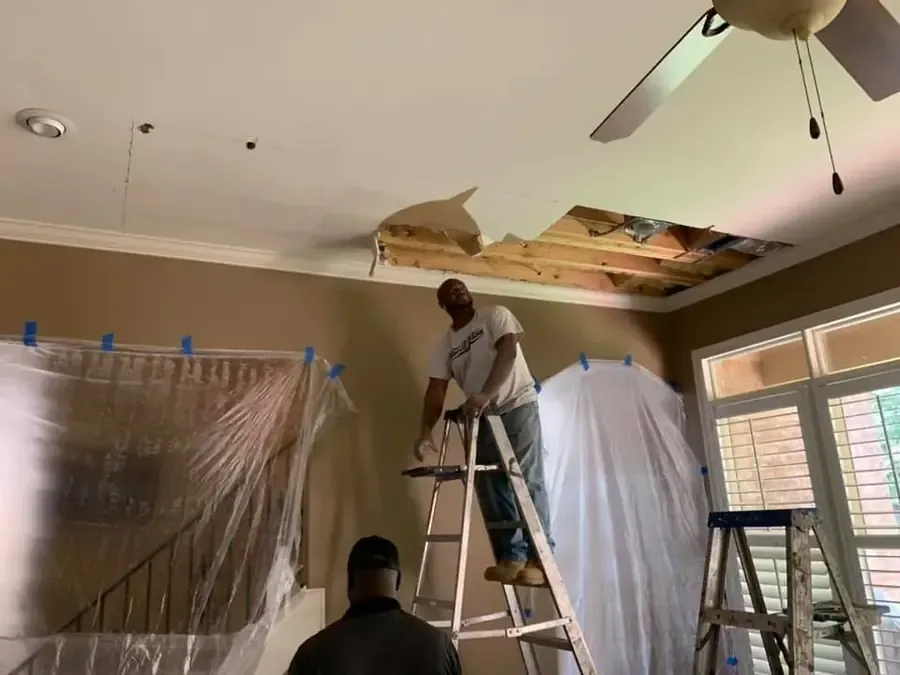
Ceiling Leak Water Damage in Oakhurst
Overhead water requires safe access to the source before damaged ceiling materials come down.
Read about ceiling leak water damage ›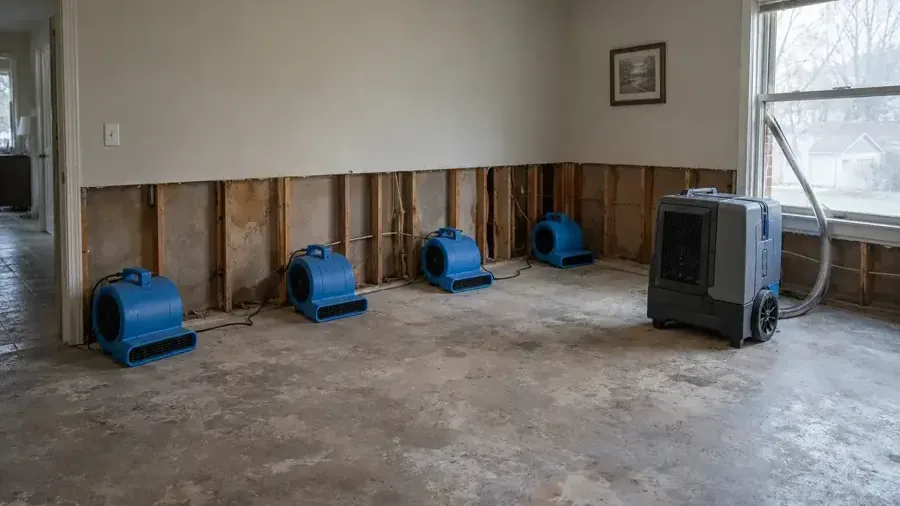
Structural Drying in Oakhurst
Material readings direct dehumidification until the assembly reaches a defensible drying goal.
Read about structural drying ›Frozen Pipe Water Damage questions in Oakhurst, OK
Why can a pipe begin leaking as it thaws?
Ice can temporarily limit flow through a damaged section. As thawing allows water to move again, a split or failed connection can release it into the surrounding building. The plumbing trade should assess the source while cleanup evaluates the walls, ceilings or floors reached by the newly visible leak.
Should a suspected frozen pipe be heated with flame?
Open flame and improvised heating create hazards near building materials and equipment. Pipe assessment should be handled by the appropriate professional, particularly when the location is concealed or already wet. Occupants can describe the symptoms and accessible shutoff location without attempting a hazardous thawing method inside the affected space.
Does fixing the visible split address all damage?
The repair controls that source, while escaped water may already occupy several material layers. Insulation can hold moisture around framing, and water can descend into floor edges or another room. Cleanup assessment follows those pathways to identify remaining wet materials before the cavity is closed or the finish repaired.
What if another leak appears during the plumbing repair?
New leakage can change the cleanup boundary and should be reported to the person coordinating recovery. The additional source needs repair attention, and the newly affected materials require assessment. Updated notes should connect the discovery with any change in extraction, removal or drying work across the building.
Can a dry floor conceal a wet wall cavity?
Water can remain in insulation or behind finishes without forming a large puddle. The cavity may also release moisture gradually toward a wall base. Inspection and suitable measurements help locate those conditions, so the assessment should not rely solely on how much standing water is visible inside the room.
How are wet insulation and framing treated differently?
Insulation is assessed for condition, exposure and whether it prevents access to the surrounding structure. Unsuitable material may need removal. Retained framing can then be inspected and dried with measurements tracking its response. These are separate material decisions, and the scope should explain the reasoning for each affected layer.
Will cleanup include measures against another frozen pipe?
The cleanup scope concerns escaped water and the recovery of affected building materials. Pipe protection or changes to the plumbing arrangement belong in a separate discussion with the responsible trade. Coordinating those tasks before wall closure can help the owner understand what remains beyond extraction, drying and finish restoration.
What helps document a leak revealed during thawing?
A simple sequence of when dripping, staining or pooling appeared can support the source description. Safe photographs and plumbing repair records add detail. Cleanup documentation should identify the materials reached by the release and the work performed, including selective openings, removed layers and measurements of retained structural components.
Recover the rooms affected during thawing
A coordinated plan follows the repaired supply pipe into the insulation, framing and floor layers that still need attention before reconstruction.
(888) 619-9509Discuss thaw leak material recovery