Burst Pipe Water Damage in Bixby
A broken pipe can keep feeding a wet wall long after the first puddle appears. Once the supply is safely controlled, the full release path needs assessment before repairs cover the damage.
(888) 619-9509Describe the pipe release and wet rooms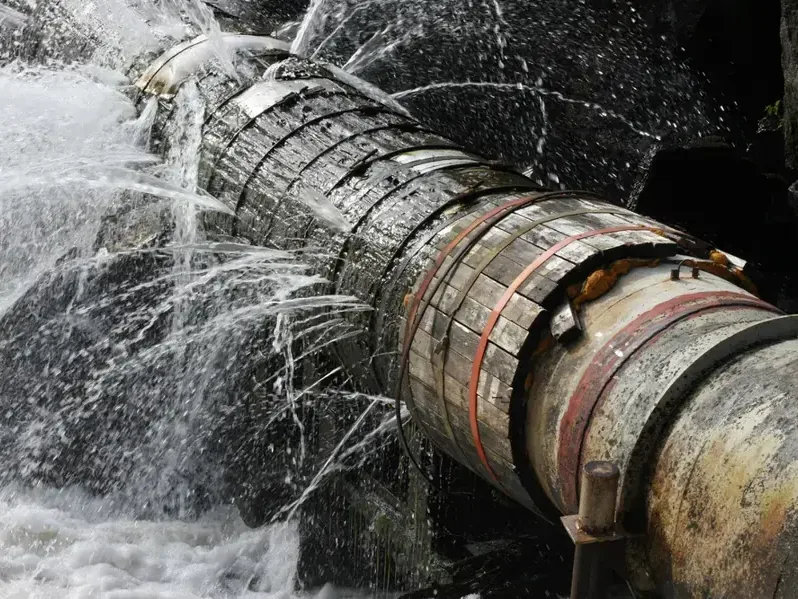
A municipal outage and an indoor pipe rupture call for different responses. The City of Bixby reported a southeast-side outage during water-system repairs, while Lake Bixhoma residents also experienced a reported interruption. Inside a building, a broken supply component needs its own isolation and repair. The damage assessment then follows the water released within that particular property.
How burst pipe water damage progresses
Reconstruct the release path
The technician connects the failed pipe location with visible damage and material readings, checking intervening wall, ceiling and floor sections so the scope follows where pressurized water actually traveled.
Control bulk water and access
Extraction and selective material removal make the affected assembly accessible while the plumbing repair addresses the source of continued wetting.
Dry retained building components
Equipment and monitoring are matched to the remaining materials, with attention to cavities and floor layers that can stay wet after surfaces improve.
Define the repair handoff
The owner receives a clear account of recovered materials, necessary replacements and any remaining access needs before the finish work is scheduled.
First steps for burst pipe water damage
- 1Locate a safe shutoff. An accessible valve may stop the release, but nobody should enter standing water or approach wet electrical equipment to reach it.
- 2Describe the failed area. Report the visible pipe damage and any water arriving through ceilings, walls or flooring beyond the room where it began.
- 3Arrange the plumbing repair. The appropriate trade should correct the source while the damage assessment identifies which building materials need access and recovery.
- 4Keep the wet route visible. Leave wet edges accessible and save photographs before coverings or furniture movement hide the original water path.
Follow pressure-driven water through connected spaces
Escaping supply water may spray against a wall cavity, collect above a ceiling or travel beneath flooring before becoming visible. The initial puddle can sit away from the failed fitting. Source repair findings help orient the assessment, but moisture checks also need to address the materials between that source and the visible damage.
- A wet ceiling below the pipe may conceal soaked insulation or framing.
- Flooring at a doorway can carry water into a room that looks unaffected.
- Cabinet backs and toe spaces can hide moisture after the open floor clears.
- Electrical components within the wet path require appropriate evaluation before normal use resumes.
For a property in Riverview Terrace, a useful initial description identifies the room, the failed fixture or pipe if known, and whether the water has stopped. In Southtown Estates, the same details help separate a building supply release from water entering outdoors. The cleanup follows the actual source and indoor spread.
A sudden pipe release can cross walls and floors before it is noticed. Describe the failed component, shutoff status and every room showing water so the assessment can follow the full path.
(888) 619-9509Discuss the released supply waterGive the repair opening a recovery purpose
A plumber may open a wall to reach the failed component. That opening can also reveal wet insulation or softened wallboard needing separate treatment. The owner should understand where the plumbing work ends and material recovery begins. Closing the access immediately after the pipe repair can conceal damage that still needs removal or drying.
- Confirm that the failed supply component has been controlled or repaired.
- Map the affected walls, ceiling and floor connections around it.
- Extract liquid and expose damaged layers where drying access is needed.
- Track retained material moisture before selecting the reconstruction sequence.
Water extraction addresses the bulk liquid. It may need to happen alongside careful removal of unsalvageable finishes so the remaining structure becomes accessible. The exact arrangement depends on the assembly, water source and safe access rather than the apparent size of the pipe opening.
Safe access comes first
The restoration crew checks electrical exposure, overhead stability and the water source before entering the wet area. Occupants keep clear of sagging ceilings and contaminated floors. A qualified professional isolates affected circuits from a dry location. These checks precede extraction because standing water can conceal damage that a surface inspection misses.
Keep the owner informed about what remains wet
After a sudden release, the room often looks much better before it is ready for rebuilding. Removed puddles and dry-looking paint can hide damp wood or underlayment. Progress notes should show what has changed, what remains inaccessible and whether equipment needs adjustment. This gives a practical reason for each continuing recovery task.
A written estimate should distinguish source repair, material removal, drying and finish work. Insurance documentation benefits from that same separation. Photographs of the pipe failure, the wet footprint and exposed cavities help explain the damage without relying only on the finished appearance after cleanup has begun.
- Keep the failed component's repair description with damage photographs.
- Record wet areas that extend beyond the original room.
- Identify any fixture or electrical access restrictions still in effect.
- List replacement finishes separately from the material drying scope.
Where overhead damage dominates the loss, ceiling leak recovery provides additional context for safe cavity access. Reconstruction should follow a clear account of the source correction and the remaining building conditions.
What does burst pipe water damage cost in Bixby, OK?
Burst pipe water damage costs in Bixby increase when water crosses assemblies or hides behind installed finishes. The ranges reflect recovery work in the affected building areas; source repair and later reconstruction should be identified separately in the written scope.
Single exposed room
$1,000 to $2,000
- Accessible pooling
- Limited edges
- Simple drying
Wall or ceiling loss
$2,000 to $3,500
- Cavity access
- Wet insulation
- Framing checks
Multiple assemblies
$3,500 to $5,500
- Connected damage
- Several layers
- Expanded monitoring
These planning ranges are estimate only. Water category, affected area, material class and the delay before extraction change the scope. The water damage cost calculator explores those variables.
Careful decisions for burst pipe water damage
Rapid local response
The response team assesses active water, access and source control during 24/7 dispatch. Arrival depends on current conditions and the work required at the property.
IICRC S500 drying standard
The drying technician compares wet assemblies with suitable dry references and adjusts dehumidification to the material load. A dry surface alone does not close the job.
Claim-ready documentation
The mitigation team records initial damage, material decisions, equipment and daily readings. The property owner retains a clearer account of the loss for the insurance review.
Local water experts
The contractor checks the actual building and the reported source before choosing a method. Indoor supply releases, contaminated outside water and backed-up drains require different handling.
Burst pipe water damage in Bixby
Indoor pipe damage can be assessed around Brooks Terrace and Saker, with the source repair status and the rooms connected to the release established before the cleanup scope.
The same service nearby: burst pipe water damage in Sand Springs, Oakhurst, Owasso.
Related water damage services in Bixby
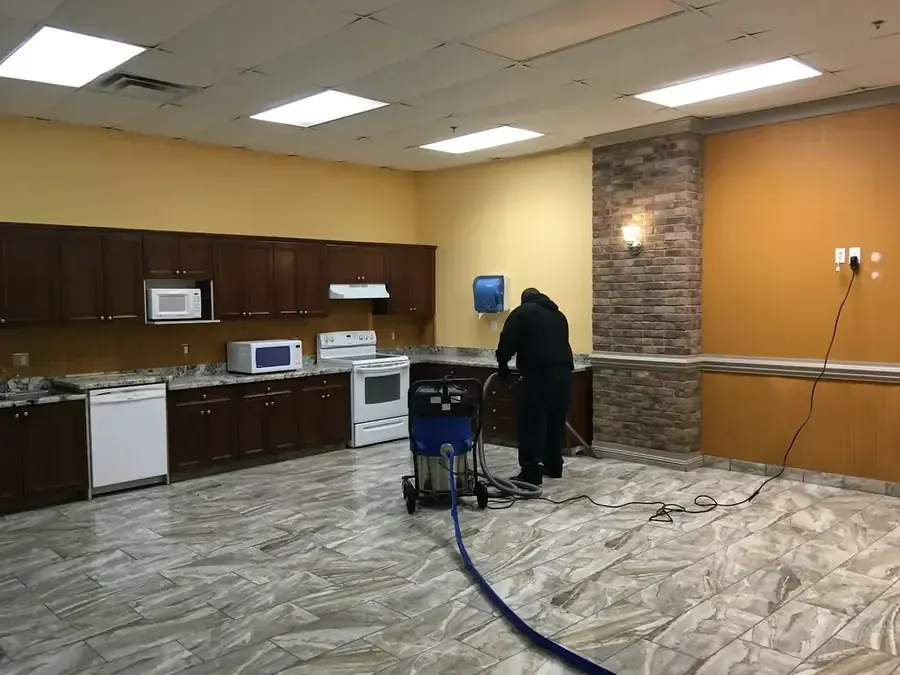
Water Extraction in Bixby
Extractors remove pooled water before the drying equipment tackles moisture inside floors and walls.
Read about water extraction ›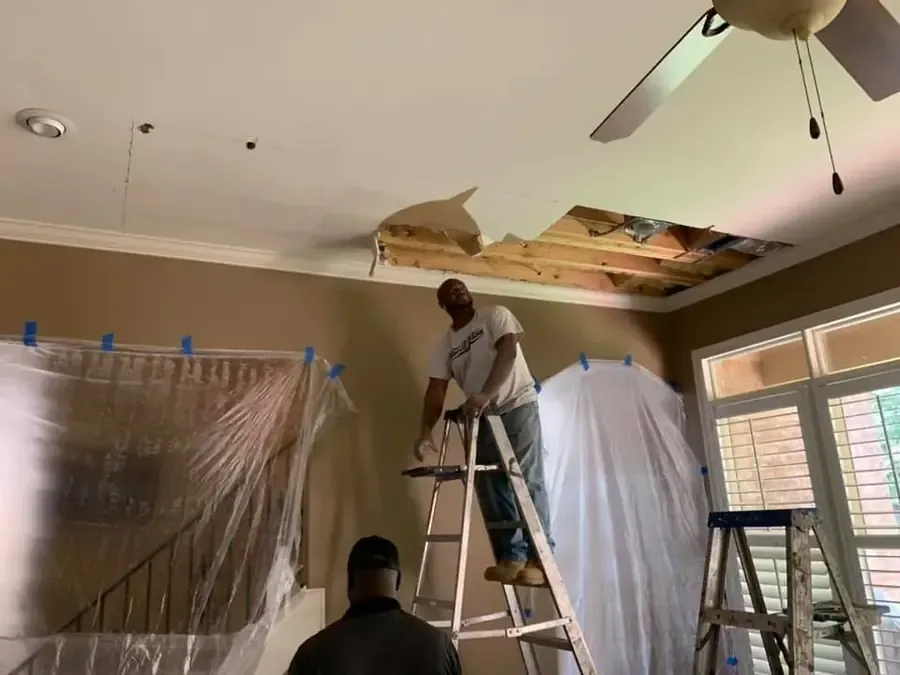
Ceiling Leak Water Damage in Bixby
Overhead water requires safe access to the source before damaged ceiling materials come down.
Read about ceiling leak water damage ›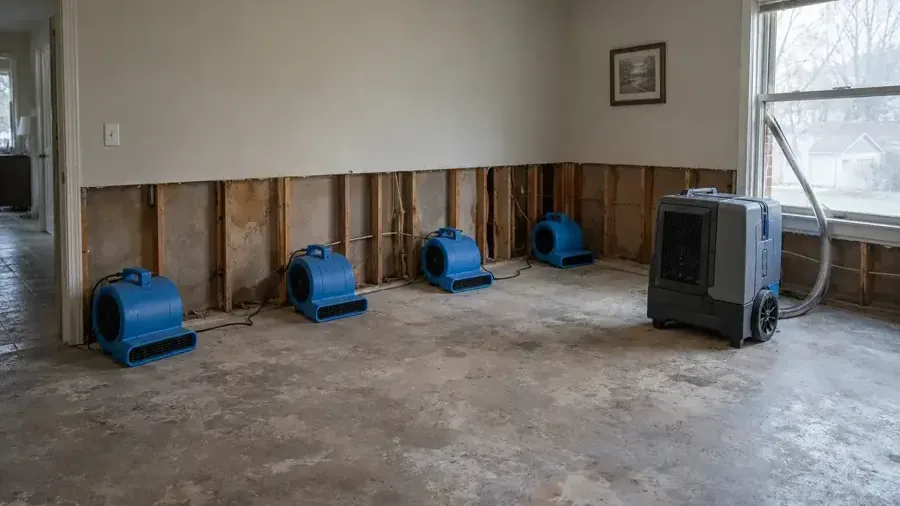
Structural Drying in Bixby
Material readings direct dehumidification until the assembly reaches a defensible drying goal.
Read about structural drying ›Burst Pipe Water Damage questions in Bixby, OK
Does shutting off the main supply finish the urgent work?
It may stop additional water from the supply, but the building still needs an assessment for electrical hazards, weakened ceilings and wet materials. Water already inside cavities can continue to drain into other rooms. A source repair and a material recovery plan address the remaining work after safe isolation of the supply.
Why is the wet room away from the broken pipe?
Water can follow framing, floor joints or the underside of installed materials before emerging. The visible puddle may mark a low point instead of the source. An assessment should connect those observations with the plumbing repair findings and check the intervening assembly for moisture that would otherwise remain hidden after surface cleanup.
Can the plumber close the wall immediately?
The pipe repair may be complete while insulation, wallboard edges or framing still need attention. Before closure, the recovery assessment should determine whether those components require removal or drying. Coordinating the trades at the opening helps avoid another access cut later and gives the owner a clearer sequence for restoring the wall.
Are all nearby rooms included automatically?
The assessment follows connected materials and the observed water path. Some adjoining rooms remain unaffected, while others share wet flooring or a cavity. Moisture checks and access findings establish that boundary. The scope should explain why a room is included and identify any space that still needs access before its condition can be assessed.
What if the building was unoccupied during the release?
The elapsed exposure may be uncertain, making material condition and the water path especially useful. The owner should provide the last known dry observation and any discovery photographs. Inspection then determines the wet footprint, damaged components and recovery options without assigning an invented duration to the leak or assuming all materials remain salvageable.
Do wet electrical outlets affect the cleanup sequence?
They can. Electrical hazards need appropriate evaluation, and occupants should avoid contact with wet outlets, appliances or panels. The cleanup approach must provide safe power and access before equipment operates. Electrical components in the water path need their own assessment before they return to use after the pipe repair.
How can a homeowner track the drying work?
Progress records should identify the affected materials, measurement locations and any equipment changes. The owner can ask which components remain wet and what conditions support completion. A dry-looking surface is only one observation; the documentation should make the remaining concealed moisture and the reason for continued work understandable throughout the recovery.
What belongs in the final repair estimate?
The estimate should separate failed plumbing work, cleanup, material drying and finish replacement. It should also identify any openings that need closing and flooring transitions affected by the loss. That division lets the owner coordinate trades and gives an insurer a clearer description of the work connected to the original pipe release.
Connect pipe repair with building recovery
Arrange an assessment of the wet assemblies around the repaired source, including concealed edges and the materials that need drying before finishes return.
(888) 619-9509Request a pipe damage assessment