Commercial Water Damage in Bixby
Water in a business affects more than the floor finish. Staff movement, stock access, equipment and building systems all need a defined boundary while the wet materials are assessed and the source is controlled.
(888) 619-9509Discuss the affected work areas and access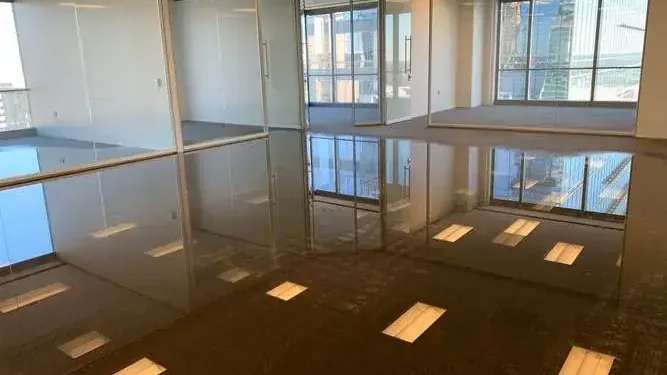
Bixby Industrial Park, Market South Subdivision and Morris Bright Industrial Park appeared in the commercial and industrial portion of the city's flood-impact advisory. Commercial water damage at an individual property also may begin with an indoor plumbing or equipment release. The first recovery task is to connect the actual water source with the rooms, business activities and building materials it has affected.
How commercial water damage progresses
Establish site responsibilities
The assessment identifies the water source, authorized decision maker and affected operational areas, then coordinates access and immediate restrictions with the people responsible for tenants, staff and building systems.
Map building and contents exposure
Material checks and photographs separate wet assemblies from affected stock or equipment, identifying the trades and handling decisions each category needs.
Carry out coordinated material recovery
Extraction, removal and drying proceed within agreed access boundaries, with progress and necessary scope changes communicated to the responsible property contact.
Prepare area-specific repair handoffs
The record lists remaining work and material conditions by affected space, allowing management to coordinate finish repairs and use decisions around the actual recovery status.
First steps for commercial water damage
- 1Name the site contact. Identify who controls keys, tenant communication and authorization for building work in every affected area.
- 2Define restricted operations. Describe the rooms, equipment and stock affected so the initial assessment can account for safe staff movement.
- 3Document business contents. Retain photographs and inventory notes before wet items are relocated or approved for disposal during the cleanup.
- 4Coordinate shared access. Arrange entry to adjacent tenant areas or utility spaces where the water path may cross the first visible room.
Establish authority and occupied boundaries
A tenant, property manager and owner may each control different parts of the building. The assessment needs a contact who can coordinate access and identify who authorizes material removal or system repair. Staff should receive a clear boundary around wet areas, particularly where contaminated water or electrical equipment makes ordinary movement unsafe.
- Identify rooms that must remain restricted during extraction or material removal.
- Record stock and equipment affected before their location changes during recovery.
- Coordinate keys and access for adjoining tenant or shared building spaces.
- Keep safe exit routes and required building access visible throughout the work.
Business continuity depends on the actual conditions. Some layouts permit separation between occupied and affected areas; others require broader restrictions. The plan should state what remains usable and why, with any uncertain access question resolved through the relevant building contact before staff return to a wet zone.
A commercial loss needs a clear site contact and a workable boundary around affected operations. Describe the wet rooms, shared access and equipment concerns so the recovery discussion addresses the building's daily use.
(888) 619-9509Discuss the business recovery sequenceFollow the loss through shared construction
Water can move beneath floor coverings, through service penetrations or into neighboring rooms beyond the first visible puddle. A commercial assessment needs to account for those connected assemblies. Finishes, stock shelving and built-in equipment may restrict access, so selective movement or openings should have an agreed purpose and handling responsibility.
- Identify the source, site contact and immediate occupancy restrictions.
- Map wet building materials and affected equipment or stored contents.
- Coordinate extraction, necessary removal and access around business operations.
- Track drying and prepare the repair handoff for each affected area.
Water extraction can make the open floor usable for further assessment, but concealed layers may still need attention. A room's reopening plan should account for contamination, electrical conditions and retained material moisture as well as the absence of standing liquid.
Safe access comes first
The restoration crew checks electrical exposure, overhead stability and the water source before entering the wet area. Occupants keep clear of sagging ceilings and contaminated floors. A qualified professional isolates affected circuits from a dry location. These checks precede extraction because standing water can conceal damage that a surface inspection misses.
Give managers a usable sequence for reopening
The written scope should distinguish building recovery from repair or assessment of business equipment and inventory. This helps the site contact coordinate the relevant specialists and keep invoices understandable. Photos and material notes should remain organized by affected area so the record stays useful when several trades are working on different parts of the property.
- List the person responsible for authorizing each remaining repair activity.
- Separate tenant contents from landlord-controlled building material work.
- Record any space that requires another access appointment.
- Keep moisture recovery decisions distinct from cosmetic reopening preparations.
Structural drying supports the retained assembly after removal and cleaning. Its records help establish when the next trade can proceed, while the business contact considers staffing and operational requirements. Reopening should reflect the condition of the specific area being returned to use.
A coordinated plan gives management a practical account of what happened, what remains restricted and what each next repair will accomplish. It also keeps urgent cleanup decisions connected to the building's longer recovery rather than isolated from everyday operations.
What does commercial water damage cost in Bixby, OK?
Commercial water damage costs in Bixby reflect affected floor area, material complexity and access within an occupied property. The estimate should separate building recovery from business equipment or stock decisions, with restrictions and staged work identified for the site contact.
Limited business area
$2,500 to $5,000
- Focused extraction
- Defined boundary
- Accessible finishes
Several occupied spaces
$5,000 to $9,000
- Tenant coordination
- Connected materials
- Staged access
Complex commercial loss
$9,000 to $15,000
- Multiple assemblies
- Restricted systems
- Broader monitoring
These planning ranges are estimate only. Water category, affected area, material class and the delay before extraction change the scope. The water damage cost calculator explores those variables.
Careful decisions for commercial water damage
Rapid local response
The response team assesses active water, access and source control during 24/7 dispatch. Arrival depends on current conditions and the work required at the property.
IICRC S500 drying standard
The drying technician compares wet assemblies with suitable dry references and adjusts dehumidification to the material load. A dry surface alone does not close the job.
Claim-ready documentation
The mitigation team records initial damage, material decisions, equipment and daily readings. The property owner retains a clearer account of the loss for the insurance review.
Local water experts
The contractor checks the actual building and the reported source before choosing a method. Indoor supply releases, contaminated outside water and backed-up drains require different handling.
Commercial water damage in Bixby
Commercial assessments cover affected properties around Memorial Road and Main Street, with manager authorization, tenant access and the building's current operating constraints discussed before the recovery sequence is arranged.
The same service nearby: commercial water damage in Sand Springs, Oakhurst, Owasso.
Related water damage services in Bixby
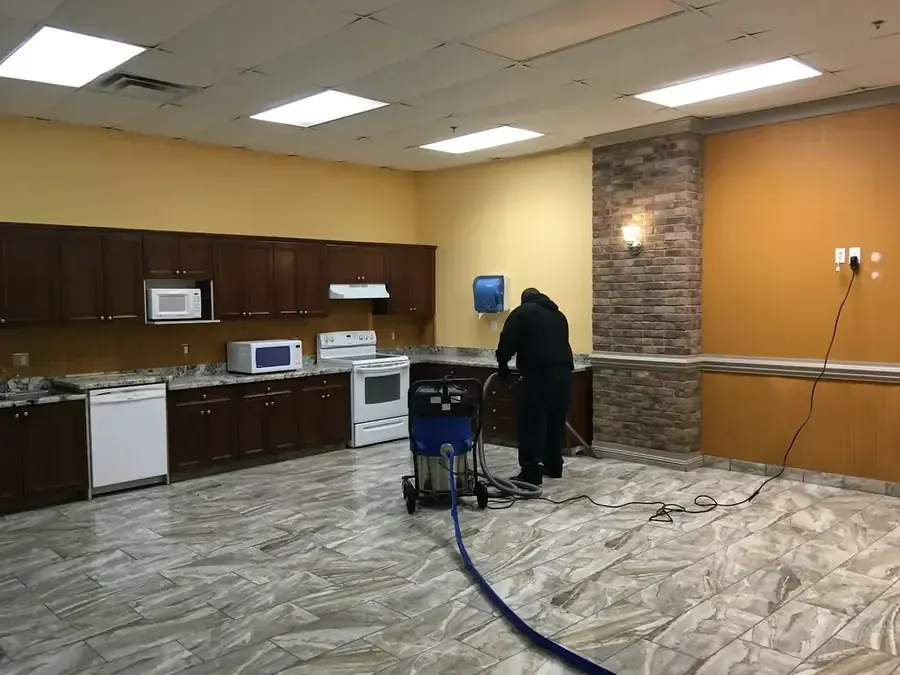
Water Extraction in Bixby
Extractors remove pooled water before the drying equipment tackles moisture inside floors and walls.
Read about water extraction ›
Structural Drying in Bixby
Material readings direct dehumidification until the assembly reaches a defensible drying goal.
Read about structural drying ›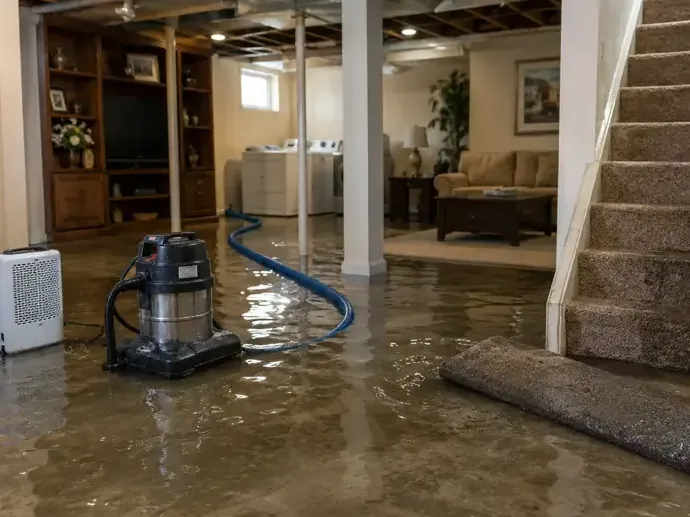
Storm Flood Cleanup in Bixby
Outside water brings sediment and contamination indoors, changing both extraction and material decisions.
Read about storm flood cleanup ›Commercial Water Damage questions in Bixby, OK
Can a business stay open during water damage work?
That depends on the source, hazards and ability to separate the affected area from safe occupied space. The site assessment should identify workable boundaries, access routes and restrictions. A decision about one room does not automatically apply to the whole property, so management needs a clear area-specific plan before staff or customers return.
Who should authorize work in a leased commercial unit?
The lease responsibilities and property arrangements determine who controls building repairs and tenant contents. The initial discussion should identify the owner, manager and tenant contacts, then establish authorization for access and material decisions. Clear responsibilities help coordinate urgent cleanup without leaving later trades unsure who can approve the remaining recovery work.
Does the cleanup include damaged business equipment?
The scope should identify equipment exposure and distinguish building recovery from specialist equipment assessment or repair. Wet machinery, electronics or stock may need separate handling decisions. A clear inventory and photographs help the site contact coordinate those specialists while extraction, material removal and drying address the building surfaces around them.
Why are neighboring units sometimes part of the assessment?
Shared flooring, walls or service openings can carry water beyond the first visible room. Access to an adjoining unit may be needed to establish that boundary. Management should coordinate entry and communication so the recovery scope follows actual connected damage rather than assuming the lease separation also stopped water movement within the building.
Can repairs be divided into separate work areas?
A staged plan may be possible when the layout, water source and safety conditions support meaningful separation. Each area still needs the required cleaning and material assessment before use. The written scope should identify those boundaries and explain the tasks remaining in each space so business scheduling follows the property's condition.
What records help management track a complex loss?
Organizing photographs, moisture notes and estimates by room or work area makes the record easier to use. It should identify removed materials, equipment changes and outstanding access needs. Linking each task to the responsible contact helps managers coordinate tenants, insurers and repair trades without losing track of concealed damage or incomplete work.
Does a clean floor mean the business can reopen?
A clean appearance is only one part of the decision. Electrical exposure, contamination, structural condition and concealed moisture can still restrict use. The assessment should identify what was resolved and what remains, while management coordinates any separate equipment or operational requirements before returning that area to regular business activity.
How should the final scope separate recovery and reconstruction?
Water removal, necessary cleaning, drying and material removal should be described distinctly from replacement finishes and equipment work. The handoff should also identify remaining authorization or access needs. This gives the property contact a practical way to schedule the next trades and understand which costs address the original damage in each area.
Coordinate cleanup with the people using the property
Arrange a material assessment that gives management clear restrictions, access needs and repair steps for the affected work areas.
(888) 619-9509Request a commercial damage assessment