Sewage Backup Cleanup in Bixby
A drain backup changes how a room should be entered and cleaned. Keeping people out of the spill area protects adjoining spaces while the source and affected materials are assessed.
(888) 619-9509Discuss the contaminated rooms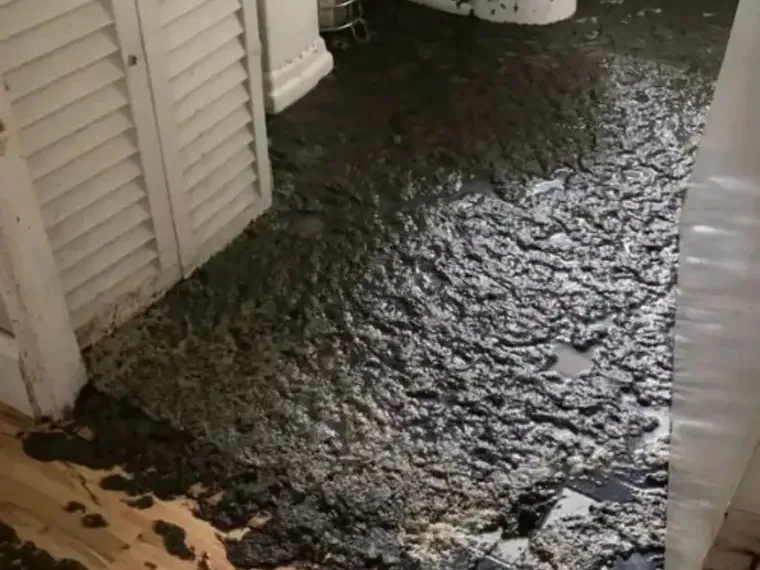
A backup in a shared building can affect more than the bathroom where it first appears. Parkwood Apartments is a named local multifamily setting, and any Bixby rental property needs a clear management contact when wastewater reaches building materials. The cleanup discussion should identify who controls access, who is arranging drain repair and which rooms must remain out of use.
How sewage backup cleanup progresses
Define the contaminated footprint
The assessment connects the fixture discharge to every accessible wet material, including thresholds and shared wall edges, while establishing a safe approach for workers and a boundary for occupants.
Remove affected waste
Wastewater and unsalvageable absorbent components are handled within the controlled area, with damage documentation retained before disposal occurs.
Clean suitable remaining surfaces
Recoverable components receive cleaning appropriate to their condition and exposure, including accessible concealed faces reached by the backup.
Assess moisture and repair needs
Drying follows the cleaning stage for suitable retained materials, and the handoff identifies any wall, floor or cabinet repairs still required.
First steps for sewage backup cleanup
- 1Restrict the affected room. Keep residents and pets outside wastewater-affected rooms and any adjoining areas reached by contaminated foot traffic.
- 2Notify the building contact. Provide management or the owner with the affected fixtures and rooms so access and drain repair can be coordinated.
- 3Avoid spreading the spill. Leave contaminated rugs and loose absorbent items in place until a safe handling route and cleanup approach have been established.
- 4Preserve a damage record. Save photographs from dry ground and list affected belongings before approved disposal or removal changes the contaminated room.
Keep contamination within a defined work area
Foot traffic, moved rugs and household fans can carry contamination beyond the initial spill. A controlled work area begins with a dry approach and a clear boundary around affected surfaces. Children and pets should remain away, and belongings should be photographed before handling whenever that can be done without entering the wastewater.
- Stop use of fixtures connected to the affected drain until the cause is addressed.
- Avoid carrying wet towels or absorbent belongings through otherwise unaffected rooms.
- Report wastewater beneath cabinets, wall edges or doorways during the initial discussion.
- Keep ordinary room fans off until contamination handling and cleaning have been assessed.
Southwood South and Village Ten appeared on the city's historical flood-impact advisory. At any property in these areas, the actual water source determines the cleanup plan. A drain backup and outside flood entry may wet similar rooms, but their entry routes and source-control tasks need to be identified separately.
A wastewater spill needs a clear boundary and a coordinated source repair. Describe the fixtures, affected rooms and management contact before arranging access to the contaminated space.
(888) 619-9509Discuss wastewater access and cleanupSort materials by contact and recovery options
Intact washable surfaces can often be approached differently from saturated padding, wallboard or composite cabinetry. Wastewater can reach the back of trim and the underside of coverings, where wiping the exposed face cannot clean the affected material. The assessment follows these concealed contact points before deciding what remains and what requires removal.
- Establish the spill boundary and protect access to unaffected rooms.
- Remove accessible wastewater using equipment suited to contaminated liquid.
- Handle unsalvageable porous materials without spreading their residue through the property.
- Clean recoverable surfaces, then evaluate remaining moisture in the structure.
Material removal should have a stated purpose. A swollen cabinet base may be damaged physically, contaminated internally or both. Recording the observed condition helps the owner understand the decision and gives the finish trade a clear repair scope. Items selected for disposal should be documented before they leave the work area.
Multiunit access can complicate the work. A bathroom wall may back onto another occupied space, and flooring may continue through a doorway. Property management should coordinate any assessment of adjoining areas, including tenant notices and access authorization. Cleaning a single visible patch leaves the broader water path unexplained when wastewater traveled beyond it.
Safe access comes first
The restoration crew checks electrical exposure, overhead stability and the water source before entering the wet area. Occupants keep clear of sagging ceilings and contaminated floors. A qualified professional isolates affected circuits from a dry location. These checks precede extraction because standing water can conceal damage that a surface inspection misses.
Finish cleaning before judging the room ready
Completion requires an inspection of the cleaned surfaces and the moisture left in retained materials. The room needs the required removal, cleaning and moisture assessment for its affected materials. Structural drying addresses suitable remaining components after contamination is managed. Drying equipment belongs in a controlled sequence so airflow supports recovery without spreading residue from an untreated surface.
- Document which wall or floor components contacted the wastewater.
- Keep drain repair findings distinct from the cleanup completion record.
- Identify shared areas requiring management access or further assessment.
- Describe reconstruction items separately from cleaning and material drying.
The owner should receive a practical handoff covering cleaned surfaces, removed materials and any remaining repair needs. If the incident was limited to a fixture overflow, toilet overflow cleanup explains the bathroom-specific concerns. The work area remains restricted until its condition supports the intended use and the responsible parties understand the next steps.
What does sewage backup cleanup cost in Bixby, OK?
Sewage backup cleanup costs in Bixby depend on contaminated contact, porous material removal and access to connected spaces. A contained bathroom requires a different scope from wastewater beneath several room finishes, and the estimate should identify those handling differences.
Contained bathroom loss
$2,000 to $3,500
- Limited contact
- Surface cleaning
- Controlled removal
Connected rooms
$3,500 to $5,500
- Threshold spread
- Porous edges
- Expanded containment
Extensive contamination
$5,500 to $8,000
- Concealed contact
- Multiple assemblies
- Broader disposal
These planning ranges are estimate only. Water category, affected area, material class and the delay before extraction change the scope. The water damage cost calculator explores those variables.
Careful decisions for sewage backup cleanup
Rapid local response
The response team assesses active water, access and source control during 24/7 dispatch. Arrival depends on current conditions and the work required at the property.
IICRC S500 drying standard
The drying technician compares wet assemblies with suitable dry references and adjusts dehumidification to the material load. A dry surface alone does not close the job.
Claim-ready documentation
The mitigation team records initial damage, material decisions, equipment and daily readings. The property owner retains a clearer account of the loss for the insurance review.
Local water experts
The contractor checks the actual building and the reported source before choosing a method. Indoor supply releases, contaminated outside water and backed-up drains require different handling.
Sewage backup cleanup in Bixby
Cleanup can be assessed for properties around Woodland Acres and Divine-Ellard, with building access, drain repair status and wastewater spread discussed before the work area is established.
The same service nearby: sewage backup cleanup in Sand Springs, Oakhurst, Owasso.
Related water damage services in Bixby
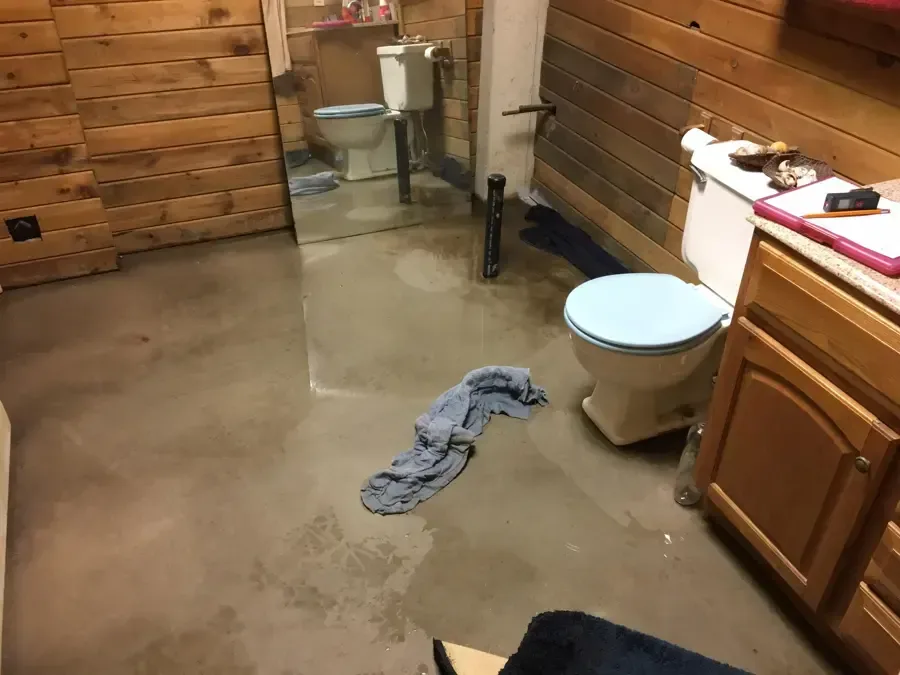
Toilet Overflow Cleanup in Bixby
Waste-bearing bowl overflow needs isolation and contamination control beyond ordinary bathroom drying.
Read about toilet overflow cleanup ›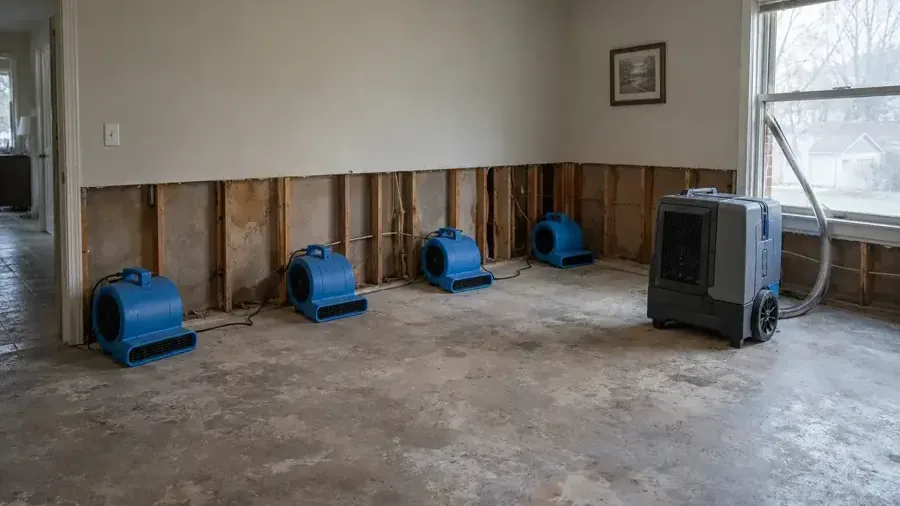
Structural Drying in Bixby
Material readings direct dehumidification until the assembly reaches a defensible drying goal.
Read about structural drying ›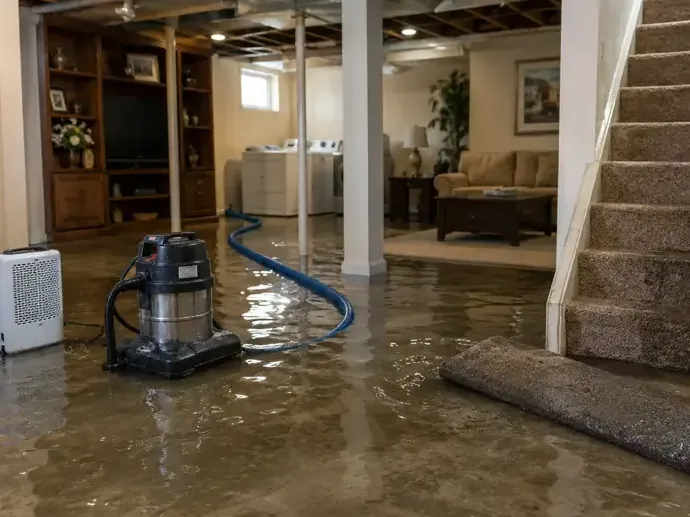
Storm Flood Cleanup in Bixby
Outside water brings sediment and contamination indoors, changing both extraction and material decisions.
Read about storm flood cleanup ›Sewage Backup Cleanup questions in Bixby, OK
Should the affected toilet or sink be used again?
Use should stop until the drain problem has been assessed and corrected by the appropriate trade. More discharge can expand the contaminated footprint and undo cleanup work already started. The property contact should identify which fixtures may connect to the backup so occupants receive a clear instruction about the affected facilities.
Can bleach and a mop resolve the whole spill?
A surface wipe does not address wastewater beneath coverings, behind trim or inside absorbent materials. The assessment must identify the full contact area and decide which components can be cleaned effectively. Cleaning products and methods also need to suit the surface and exposure rather than being selected only because they change the smell.
Why are fans delayed during a sewage loss?
Air movement across untreated contamination can spread residue beyond the immediate spill area. The work sequence begins with access control, removal and appropriate cleaning. Drying equipment is then selected for suitable remaining materials, with placement based on the cleaned assembly and moisture conditions rather than simply blowing air across the bathroom floor.
What happens to wet rugs and padding?
Contaminated absorbent items need a material-specific assessment, and many require removal because cleaning cannot reliably reach their full thickness. Disposal decisions should be documented before handling. Moving a wet rug through unaffected rooms can spread contamination, so the work plan should establish a route and handling method before items leave the space.
How does an apartment backup change the assessment?
Management may need to arrange access to adjoining units, shared walls or other fixtures connected to the problem. The cleanup scope follows the actual wastewater path rather than stopping automatically at a lease boundary. Clear authorization and a record of tenant observations help coordinate source repair, cleaning and any building material removal.
Can a room be used when the odor disappears?
The final inspection checks concealed contact surfaces for completed cleaning and records moisture in retained materials. Those findings inform the decision to reopen the room. The room's intended use should follow completion of the required contamination work and material assessment. The responsible contact should understand any remaining restrictions and repair needs before reopening the area.
Who determines whether the sewer problem is public or private?
The appropriate utility or plumbing contact evaluates the source and responsibility for the blockage or failure. The cleanup assessment documents the indoor consequences. The owner can use the plumbing findings to assign the blockage repair and the cleanup assessment to authorize indoor removal and cleaning. Each written scope should identify the responsible provider and the work included.
What should be saved for the claim discussion?
The property owner should retain photographs, drain repair findings, disposal records and the cleanup estimate. Material descriptions should explain the affected surfaces and removal decisions. Coverage remains a policy decision by the insurer, while a clear record helps connect the original wastewater release to the work performed inside the building.
Organize the next step after a backup
Request an assessment of contaminated materials and the cleaning sequence needed before the room returns to normal use.
(888) 619-9509Arrange a sewage damage assessment